

You can build a garden fountain by selecting a level, sunny spot near an electrical outlet. Gather a 12-inch decorative pot, a water pump, tubing, pea pebbles, and drip pans.
Set up your reservoir by placing drip pans beneath the main container. Install the pump in the center of the pot and connect tubing to your nozzle. Layer pea pebbles over the reservoir to conceal the pump and tubing.
Add decorative rocks and plants around the base of the fountain. Suitable plant options include ferns or ivy, which tolerate partial shade near water features.
Fill the reservoir slowly with water. Use the flow control knob to adjust the water pressure to your preferred level. The following steps will walk you through each phase in greater detail.
Step 1: Select a Level, Sunny Spot With Outlet Access
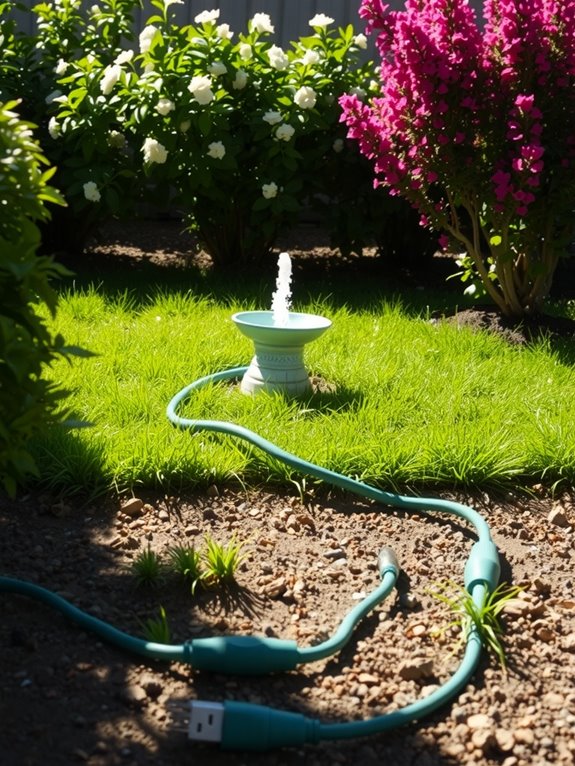
Select a Level, Sunny Spot With Outlet Access
Where should you place your garden fountain? Choose a location that is level, sunny, and near an electrical outlet if you are using a traditional pump. Solar-powered fountains require unobstructed sunlight throughout the day to operate effectively.
Select a level, sunny location near an electrical outlet for traditional pumps, or ensure unobstructed sunlight for solar-powered fountains.
Your chosen location must have a flat, stable surface. This prevents the fountain from tipping or sinking into soft ground. Avoid low-lying areas where water pools or debris collects, as these materials can clog your pump and basin.
The spot should be accessible for regular maintenance and cleaning. You will need adequate space for the fountain base, tubing, and any surrounding plants. Consider your viewing angles from seating areas within your garden when selecting the final location.
Step 2: Gather Your Materials and Tools
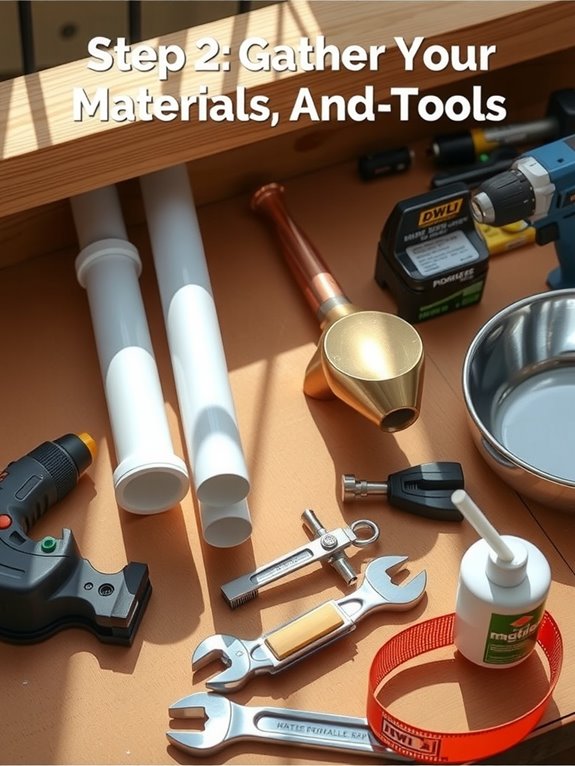
Step 2: Gather Your Materials and Tools
You need specific materials to build a fountain. These include a large decorative pot, a smaller plastic pot, two plastic drip pans, a water pump, tubing, a tee connector, and containers in various colors for the fountain structure.
Your tools should include a drill with a bit set. You will also need screws, nuts, washers, gloves, and rags for installation. Safety equipment protects you during the building process.
You can reduce costs by using repurposed containers instead of buying specialized fountain components. Inexpensive plastic pans work as well as expensive options for this project.
Essential Materials List
Gather all necessary materials and tools before starting construction. You will need a waterproof basin or container for your fountain’s base. A submersible pump circulates water throughout the system. Flexible tubing connects the pump to water outlets.
Decorative rocks or pebbles provide visual interest around the fountain structure. Sealant secures connections and prevents leaks at joints. Optional nozzles direct water flow into different patterns.
For budget-conscious builders, repurpose large pots, birdbaths, or plastic basins instead of purchasing new containers. These items work as effectively as purpose-built fountain bases.
If you choose solar power, acquire a weatherproof solar panel rated for your pump’s wattage. Your garden location must receive adequate sunlight for consistent operation. Calculate the solar panel’s wattage to match or exceed your pump’s power requirements.
Collect all materials before beginning construction. This approach streamlines your building process and prevents work interruptions.
Required Tools Overview
Several specific tools make assembling your garden fountain straightforward and efficient. You’ll need the following items to prepare your garden fountain components:
- Utility scissors and a drill/driver – Scissors cut tubing accurately. The drill/driver creates holes in your pot and plant trays for water flow and pump placement.
- A handsaw – This tool cuts framing materials to size. It allows you to construct support structures that stabilize your fountain setup.
- A level and measuring tape – A level keeps your fountain perfectly flat and prevents water from pooling unevenly. A measuring tape ensures accurate tubing cuts for your water reservoir setup.
Additionally, gather a waterproofing sealant to secure basin connections and prevent leaks throughout your fountain assembly.
Budget-Friendly Component Options
Building a functional garden fountain requires basic materials available at garden centers and home improvement stores. A standard 12-inch pot serves as the main container. Small fountain pumps operate efficiently at reasonable costs without premium pricing.
Two 8-inch deep plant trays stacked together form an affordable reservoir system beneath the pump. Basic potting soil fills the main pot and costs less than specialized fountain soil. Pea pebbles, commonly available at garden suppliers, top the reservoir inexpensively while stabilizing contents and concealing the pump.
Three to five 4-inch plants positioned around the fountain base provide greenery without significant expense. This straightforward approach creates an attractive fountain using standard components rather than specialty items.
Step 3: Set Up Your Water Container and Reservoir
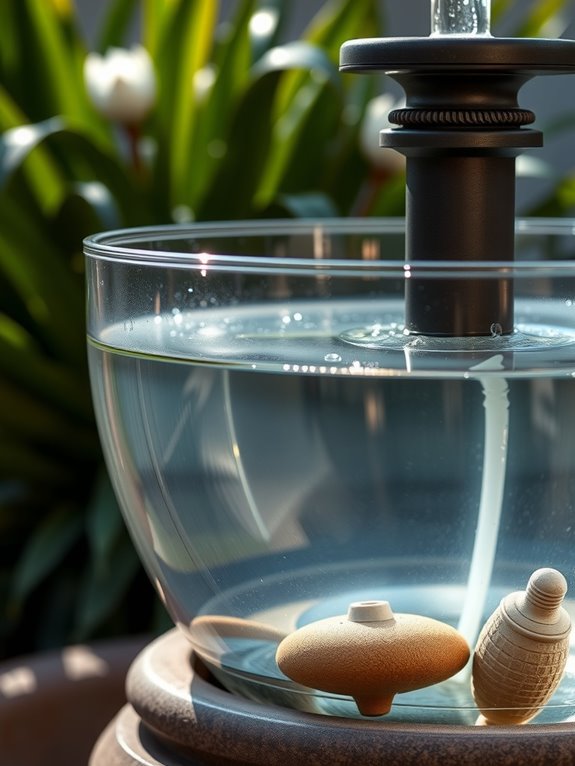
Position your waterproof container on a flat surface with good drainage. The container must be large enough to hold the pump and water without spilling over. Drill a drainage hole near the bottom of the container. This hole prevents water from becoming stagnant and allows water to flow back to the reservoir in a controlled way.
Place the pump in the center of the container and submerge it completely. A centered pump draws water evenly from all sides. This positioning helps maintain a consistent spray height throughout operation.
Positioning Your Reservoir Correctly
The reservoir placement affects how well your fountain operates. Water flow stability and leak prevention depend on correct positioning.
Place the reservoir approximately 1 inch below the pot’s lip. This depth prevents water from spilling over and distributes water evenly around the pot’s edge. Center the reservoir within the pot while maintaining clearance from the outer rim to prevent contact damage.
Submerge the pump fully in the reservoir. Secure the pump at the pot’s center to maintain stable water flow. Fill the reservoir with pea pebbles after positioning. The pebbles stabilize the reservoir contents and balance water distribution throughout the system.
Before operating the pump, inspect the area around the reservoir edge for leaks. This check prevents water from spilling onto surrounding plants.
Water Container Drainage Setup
Drill a hole in the bottom of your container to allow excess water to drain out. This prevents water from collecting at the bottom, which can damage your pump and reduce system performance.
Place your pump in the center of the reservoir after drilling the drainage hole. Positioning the pump in the middle ensures that water flows evenly throughout your fountain system.
Add pea pebbles to the reservoir around the pump. These small stones serve two purposes: they keep the pump stable and centered, and they trap debris to help filter the water.
Your drainage hole, pump, and pebbles work together as a complete system. The drainage prevents water buildup and damage, while the pump and pebbles maintain steady water movement. This balanced setup extends how long your fountain will last and keeps all parts functioning properly.
Securing Pump Placement Inside
How can you ensure your pump stays centered and functions properly? Proper pump placement inside your reservoir is essential for a reliable fountain.
Position the pump at the center of your reservoir. This maintains balanced water flow and stable suction throughout operation. Submerge the pump fully in the reservoir water before connecting any tubing. Full submersion prevents airlocks that disrupt water circulation.
The water level must always cover the pump intake completely during operation. Place your reservoir approximately 1 inch below the pot’s lip. This distance prevents spillage when water circulates through the fountain system.
Drill a hole in the reservoir or pot to route the power cord safely. Keep all electrical connections dry and away from standing water. Check the water level regularly during fountain operation to verify it does not spill over the reservoir edge.
Step 4: Install Your Fountain Pump and Connect Tubing
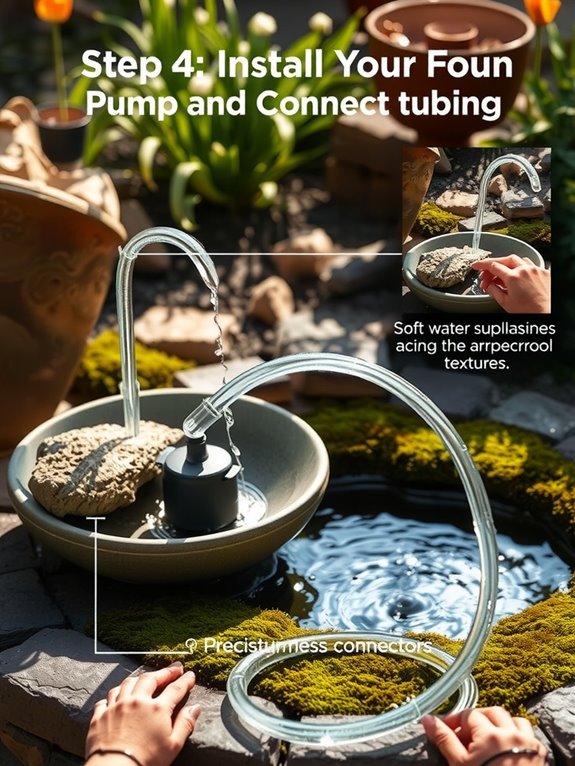
Step 4: Install Your Fountain Pump and Connect Tubing
Place the pump in the center of the reservoir and submerge it completely. This position provides stable suction and balanced water flow throughout the system. Drill holes through the drip pans or decorative pot to allow tubing to pass through. These holes should be sized appropriately for a secure fit.
Connect tubing from the pump outlet to the top nozzle or water outlet. Make sure all connections are airtight to prevent leaks during operation. If you want water to spray from two locations, use a tee fitting to split the tubing into two separate paths. Adjust the length of your tubing based on how high you want the water to spray.
| Component | Location | Purpose |
|---|---|---|
| Pump | Center of reservoir | Stable suction and balanced flow |
| Tubing | From pump to nozzle | Water circulation |
| Tee fitting | Connection point | Split flow into two paths |
| Connections | All joints | Prevent leaks |
Step 5: Layer Pebbles and Test Water Flow
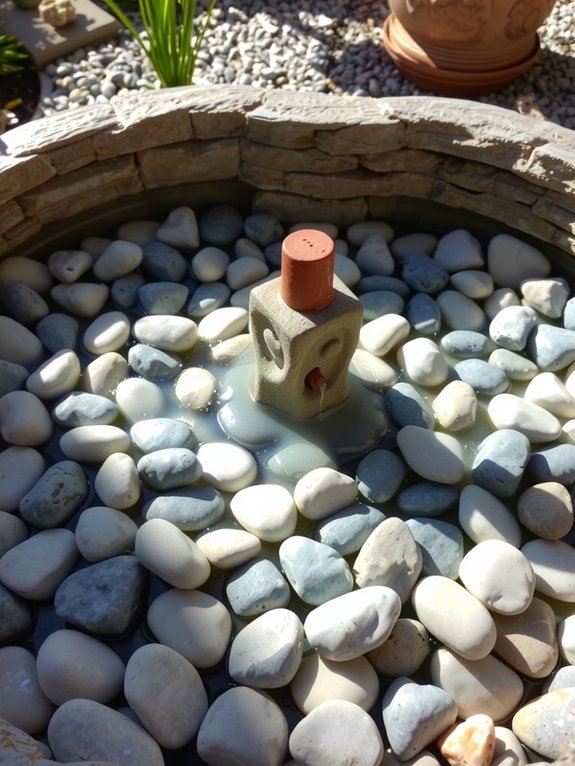
After your pump is connected, you layer pebbles and test the water flow. This ensures that all parts work correctly.
- Pour pea pebbles on top of the reservoir. The pebbles stabilize the contents and help distribute water flow evenly across your fountain.
- Turn on the pump for a test run. Watch the water move through the tubing and flow over the pebbles. Check that the spray pattern is steady and consistent.
- Look for leaks around the reservoir edge. Make sure the water level stays below the rim to prevent overflow.
The water may look cloudy or dirty at first. The pebbles will filter the incoming water and improve clarity as the system runs. If the water flow is too strong or sprays in the wrong direction, adjust the pump height or change the depth of the pebbles. Run another test after each adjustment. Continue testing until the water height and spray pattern match your design goals.
Step 6: Add Decorative Elements and Optional Plants
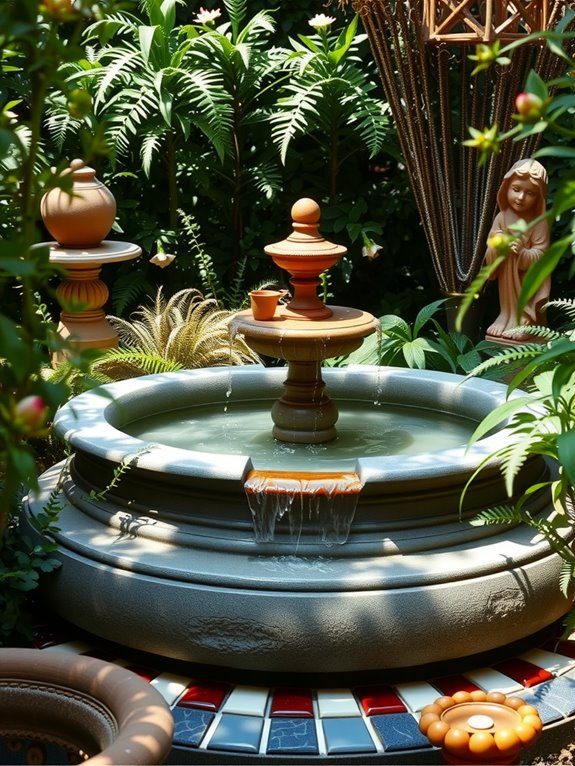
Your fountain’s water flow is now operational. You can add decorative elements and plants to complete the visual design. Place large rocks, gnomes, or statues around the basin to create focal points that balance the fountain’s silhouette and direct attention.
Add plants such as ferns (Polypodiopsida), ivy (Hedera species), or aralia (Araliaceae family) around the reservoir. These plants soften hard edges and connect your fountain to the surrounding landscape. Cover the tubing and pump with stones or pebbles to create a natural appearance.
Adjust your edging height to prevent water spillover. Select decorative elements and plants in a cohesive color palette that matches your garden’s design style—whether rustic, modern, or classical. This coordination produces a unified appearance throughout the space.
Consider the mature sizes of your chosen plants. Ferns typically reach 1 to 3 feet in height, while ivy grows as a trailing ground cover or climbing vine. Aralia plants range from 2 to 6 feet depending on the variety. Position taller plants behind shorter ones to ensure all elements remain visible.
Step 7: Fill Your Fountain and Fine-Tune Water Pressure
Step 7: Fill Your Fountain and Fine-Tune Water Pressure
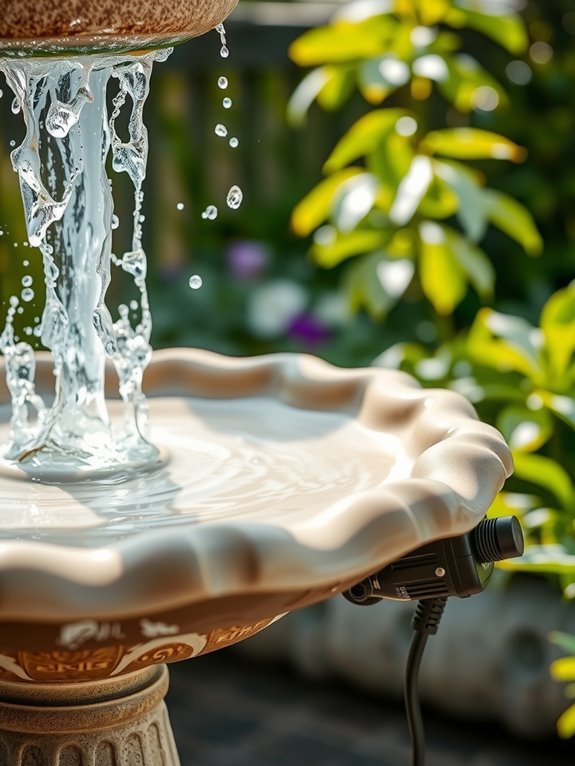
Fill the basin slowly until the water reaches the recommended level marked on the reservoir. The pump must remain fully submerged to function properly. Air pockets in the basin prevent the pump from working correctly.
Use the fountain’s flow control knob to adjust the pump settings. Turn the knob gradually until the water stream reaches the top of the nozzle opening. This adjustment determines the height and force of the water discharge.
Monitor the water as it flows back into the reservoir. The returning water should distribute evenly around the basin without splashing over the edges or pooling in certain areas. Position any pebbles or decorative materials to guide water flow smoothly toward the inlet and prevent debris from blocking it.
Run the fountain for 5 to 10 minutes to test its operation. Check all connection points and the base of the basin for water leaks. If you observe leaks, tighten the tubing connections or adjust the nozzle angle. Modify the height of the nozzle relative to the water level if the spray pattern appears uneven or weak. Once the water flows continuously without leaks or interruptions, the fountain is ready for use.