

Most backyard landscaping projects need HOA approval. Structural additions require review before you build them. Decks, fences, patios, and sheds fall into this category. Pools and major tree removals also need pre-approval. Hardscaping that people can see from common areas requires approval too.
You must submit a formal request to your Architectural Review Committee. Include architectural drawings with your submission. Add material specifications and color samples. The committee typically takes 30 to 60 days to review your request.
Skipping the approval process carries consequences. The HOA may issue violation notices. You could face fines. The HOA may order you to remove the landscaping. Check your specific HOA requirements before you start any project. This step helps you avoid penalties and stay in compliance with community rules.
What Counts as a Backyard Modification That Needs HOA Approval?
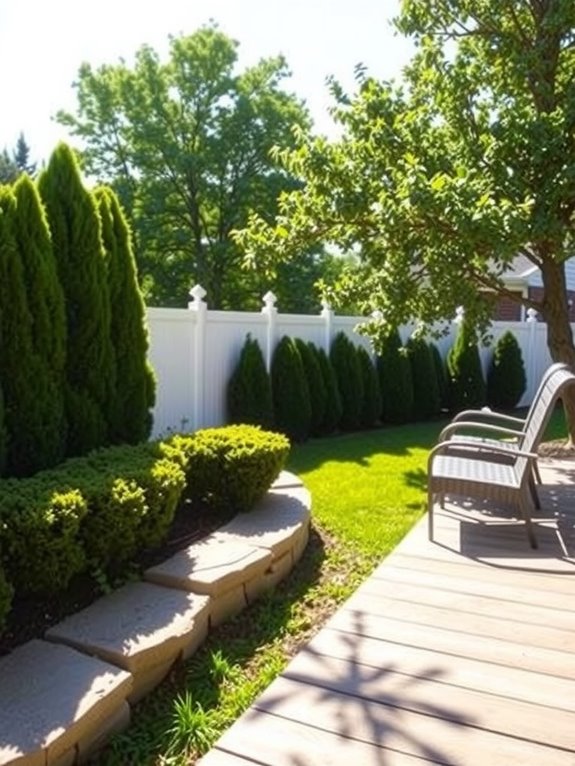
What Changes in Your Backyard Require HOA Approval?
Structural additions need formal approval before installation. Decks, fences, patios, and sheds require architectural review. Pools and permanent water features also demand approval because of safety and appearance rules.
Hardscaping and landscaping changes visible from common areas trigger the approval process. This includes alterations to ground-level features that neighbors can see from shared spaces.
Exterior modifications affecting how your yard looks require documented plans and review. Fencing color, material, and design fall into this category. Plant selections outside approved palettes also need authorization from your HOA.
Temporary items may be exempt from approval requirements. Lawn furniture and seasonal decorations typically do not need formal review if placed in your backyard only.
Contact your HOA before starting any projects. Ask which modifications need authorization and what documentation you must submit. This step prevents costly errors and ensures compliance with community rules.
Common Backyard Projects That Typically Require Approval
Which Backyard Projects Need HOA Approval
Most significant exterior changes require pre-approval from your Architectural Review Committee. The approval process protects community standards and property values.
Major exterior modifications require Architectural Review Committee pre-approval to maintain community standards and protect property values.
Projects that typically demand formal approval include decks, fences, sheds, patios, retaining walls, pool installations, and major tree removal. Large garden structures also fall under this requirement.
Smaller changes may need review too. These include exterior color shifts, new plant arrangements outside approved palettes, and structures that alter your yard’s appearance.
The approval timeline usually takes 30 to 60 days for a decision. Before starting any exterior work, check your governing documents to confirm which projects require submission. Contact your Architectural Review Committee early to understand specific requirements. This step helps you avoid costly penalties or removal orders.
How to Check Your HOA’s Governing Documents Before You Dig
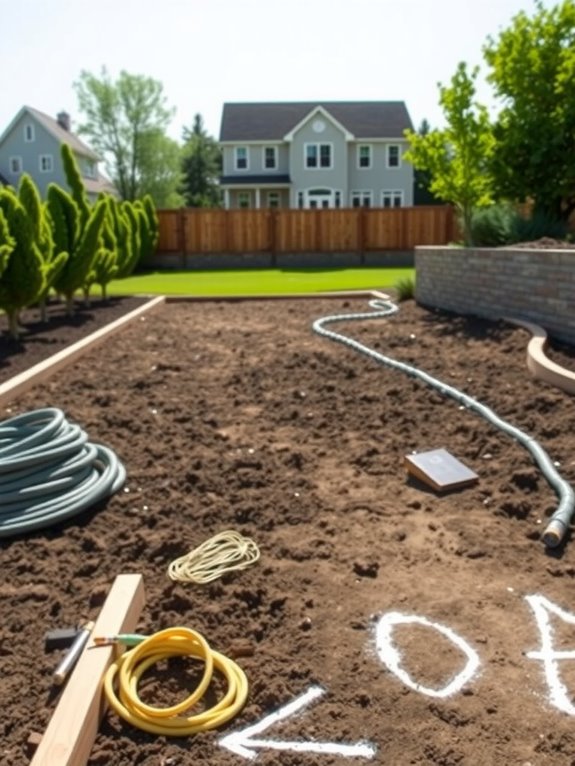
You’ll start by reviewing your CC&Rs (Covenants, Conditions, and Restrictions) document. This document contains the rules your HOA enforces for property modifications. Next, you need to understand your state’s laws. Some states require HOAs to follow specific approval procedures. These same states may limit what HOAs can restrict on your property. Finally, locate the approval process steps in your governing documents. These steps outline which committee reviews requests, what forms you must submit, and how long the review typically takes.
Review Your CC&Rs First
Before you plant a single shrub or pour concrete for a patio, you need to review your HOA’s governing documents. Your CC&Rs establish what you can and cannot do in your backyard.
Start by reviewing your CC&Rs to identify which modifications are permitted and which are restricted. Next, examine the Architectural Guidelines. These guidelines specify design standards and material requirements for exterior work.
Locate the ARC submission forms in your documents. The Architectural Review Committee (ARC) interprets the guidelines and decides whether your landscaping plans need formal approval. Understand what pre-approval requirements apply to your project.
Note the submission deadlines and any fees associated with exterior changes. These documents tell you which projects require approval before you start work. Finding this information first saves you time and prevents costly errors later.
Understand State Law Requirements
Your CC&Rs and Architectural Guidelines are not the only rules that apply to backyard changes. State and local laws also set limits on what you can do. Many states have preemption laws. These laws restrict how much power an HOA has over certain landscaping changes.
Research your state’s rules before you start. Some states limit the ARC’s ability to deny specific changes, such as drought-resistant plants or native species. Check your state’s statutes and local municipal codes for landscaping regulations. Contact your city or county planning department. They can confirm zoning restrictions and tell you what permits you need.
Understanding state laws, local codes, and your CC&Rs helps you know what approval you actually need from your HOA. This knowledge protects your right to make landscaping decisions while keeping community standards in place. Knowing both state law and architectural guidelines prevents disputes and costs before you begin any work.
Identify Approval Process Steps
How do you find out what your HOA actually requires for backyard landscaping changes? Start by reviewing your governing documents carefully. Your CC&Rs outline what needs approval, while your Architectural Guidelines specify exact submission requirements.
Follow these steps to understand your HOA’s approval process:
- Locate your CC&Rs and Architectural Guidelines. These documents determine which changes require approval versus general maintenance.
- Find your Architectural Review Committee contact information. Learn who reviews proposals and what their role is.
- Identify submission requirements. You will need required plans, material specifications, and information about any fees involved.
- Note review timelines. Most HOAs take 30 to 60 days to review proposals. Find out the procedures for revisions or appeals if your proposal needs changes.
Contact your ARC directly with questions about your specific project. Understanding these approval process steps beforehand ensures your landscaping plans align with HOA requirements and prevents costly delays or rejection.
How to Get Approval for Landscaping Changes
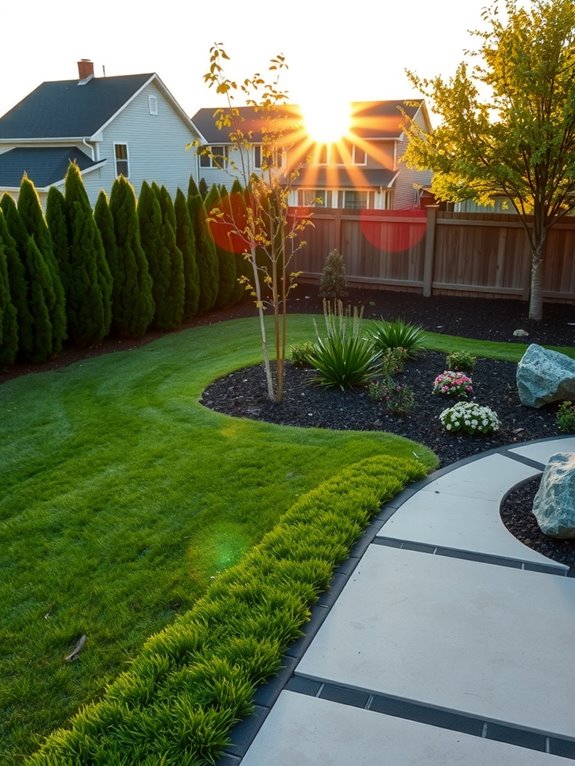
Once you’ve reviewed your HOA’s governing documents, you’ll need to submit a formal request to your architectural committee or board. Your submission must include architectural drawings, material specifications, and color samples. Add any other documentation that your HOA requires.
The architectural committee or board will review your submission through their standard architectural review process. This process evaluates whether your landscaping changes comply with community standards. You can expect one of three outcomes: approval, denial, or conditional approval. Conditional approval means you may need to revise your plans before you can move forward with the project.
Architectural Review Process
Before you dig up your yard or plant new shrubs, you need approval from your HOA’s Architectural Review Committee (ARC) or board. The ARC reviews landscaping plans to protect your community’s appearance and property values.
Steps for submission:
- Review your CC&Rs and architectural guidelines to understand what changes are allowed.
- Prepare detailed drawings, material specifications, and color samples for your project.
- Complete required forms and pay any submission fees your HOA charges.
- Submit your materials to the ARC for formal review.
The ARC evaluates your request based on aesthetics and community harmony. You will receive approval, denial, or conditional approval within 30 to 60 days. Clear communication with your ARC helps speed up the review process and ensures faster timelines.
Documentation and Submission Requirements
What to Submit for Your Landscaping Project
Your submission package must include completed HOA forms, architectural drawings, material specifications, and color samples. Before preparing documents, review your CC&Rs and Architectural Guidelines.
Required Documents
| Document Type | What to Include | Purpose |
|---|---|---|
| Architectural drawings | Plant placement, bed dimensions, hardscape layout | Shows design scope |
| Material specifications | Plant species, mulch type, pavers, or stone details | Details project materials |
| Color samples | Flower colors, paint chips, material finishes | Demonstrates aesthetic choices |
| Completed forms | HOA application, fees, owner signature | Initiates review |
Submission Process
Submit all documentation together through your HOA’s designated process. The Architectural Committee reviews submissions to assess community harmony and property value impact. You will receive one of three decisions: approval, approval with conditions, or denial. Conditional approvals require you to make revisions before beginning work.
What Happens If You Skip HOA Approval for Landscaping?
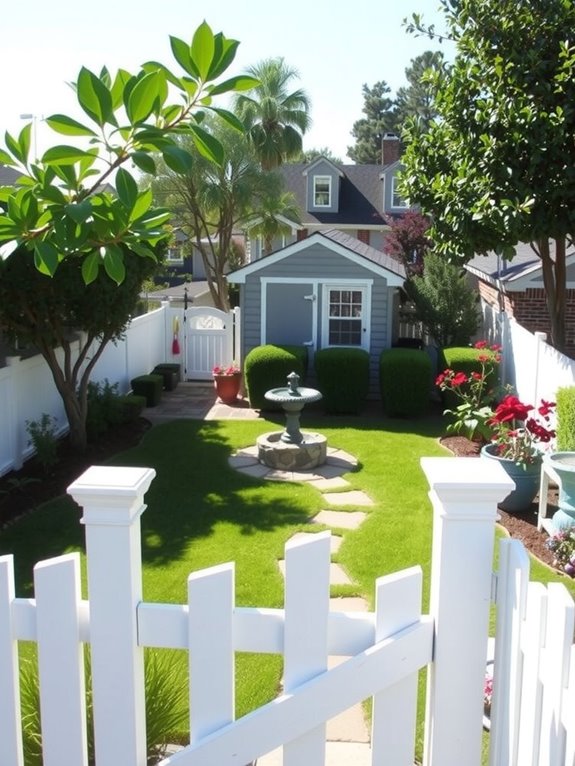
What Happens If You Skip HOA Approval for Landscaping?
Getting HOA approval before landscaping your backyard prevents serious consequences for you and your property. Skipping this step breaks your governing documents and triggers a formal disciplinary process.
Immediate Consequences
Your HOA board will issue violation notices and assign fines to your account. The architectural committee can order you to remove unapproved work or make corrective changes to match approved standards. Inspections document all violations and create a permanent record in your HOA files.
Escalation and Legal Action****
Repeated violations lead to legal action and suspension of your HOA privileges. These privileges may include voting rights, use of community facilities, or participation in HOA decisions.
The Disciplinary Hearing
You have the right to a hearing before the board presents your case and explanation. State laws determine the penalty amounts and enforcement procedures. Your explanation may not reduce or eliminate penalties, depending on your state’s regulations and your HOA’s bylaws.
Prevention
Getting pre-approval before starting any landscaping work protects you from costly fines, mandatory removal of landscaping, and legal disputes with your HOA. The approval process typically takes two to four weeks. Submit detailed plans with plant species, dimensions, materials, and installation timelines to your architectural committee for review.
Requesting Landscaping Approval: Documentation Tips
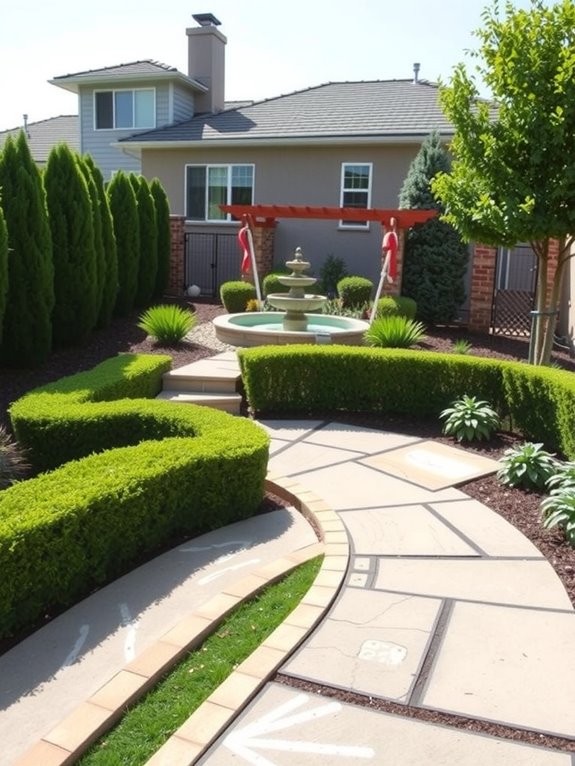
To get your landscaping request approved, you need to gather specific information and prepare detailed documentation before submitting it to your HOA’s architectural committee. Review your CC&Rs and Architectural Guidelines carefully. These documents explain which landscaping changes require HOA approval.
Compile the required materials for your submission. Architectural drawings must show plant locations, sizes, and species names. Material specifications should detail the plant types and materials you plan to use. Color samples demonstrate your aesthetic choices. Site measurements provide accurate placement data for all proposed changes.
| Documentation Item | Purpose |
|---|---|
| Architectural drawings | Show layout and dimensions |
| Material specifications | Detail plant types and materials |
| Color samples | Demonstrate aesthetic choices |
| Site measurements | Provide accurate placement data |
| Compliance statement | Confirm CC&Rs adherence |
Submit all documentation with required forms and fees to the architectural committee. The committee will evaluate your proposal against the approval conditions outlined in your Architectural Guidelines. The committee may request revisions before approving your landscaping changes.