Yes, backyard landscaping increases your home’s value by 5.5% to 12%. The exact increase depends on design quality and your home’s original cost. On a $300,000 home, you could gain $16,500 to $38,100 in value.
Professional landscaping can return up to 150% of your initial investment when you sell your home. This means you get back more money than you spent on the landscaping project.
Several specific elements drive these value increases. Design sophistication matters. Mature plant materials that are already established cost more but add immediate visual impact. Functional outdoor spaces like patios and decks create usable areas for entertaining or relaxation. Strategic tree placement provides shade and privacy, which homebuyers find desirable.
Understanding which projects deliver the strongest returns helps you make smart choices about your landscaping budget. Not all projects add equal value, so planning your improvements carefully maximizes your investment.
Does Backyard Landscaping Actually Increase Home Value?
How much value can a well-designed backyard add to your home? Research shows that backyard landscaping increases home value by 5.5% to 12%. Professional landscaping can yield up to 150% return on your investment at sale.
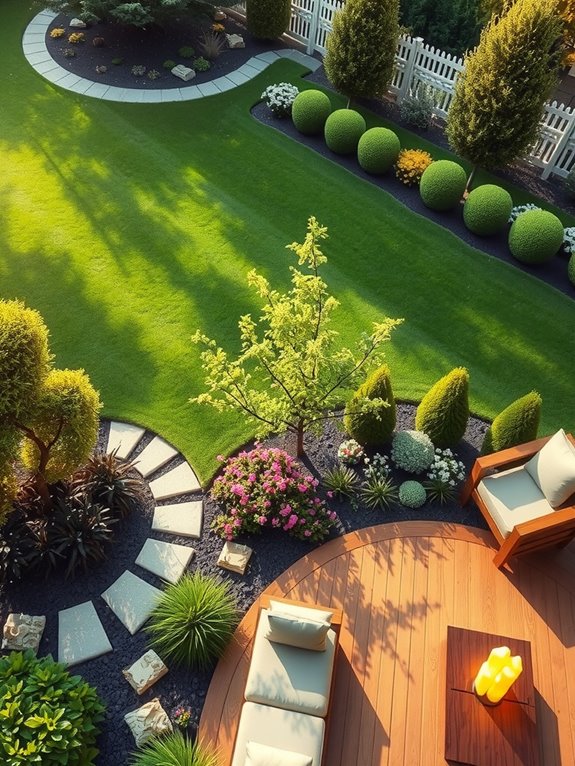
Outdoor living spaces like patios, decks, and pergolas boost your property’s appeal and value. Design sophistication and larger plant materials matter more than plant type alone. These features help buyers envision themselves using your yard.
Strategic landscaping provides energy savings that increase value. Shade trees reduce cooling costs by blocking sunlight. Windbreaks protect properties from wind damage. Year-round usable landscapes appeal to more buyers and command higher prices.
Well-designed backyards create functional spaces where families gather and relax. This combination of practical use, visual appeal, and energy efficiency makes backyard landscaping a worthwhile investment for homeowners.
How Much Value Can Strategic Landscaping Add?
How Much Value Can Strategic Landscaping Add?
Investing in landscaping improves your home’s resale value. Strategic landscaping increases home value by 5.5% to 12%, depending on the property’s original cost and design quality. A $300,000 home could gain $16,500 to $38,100 in value through thoughtful landscape design.
| Home Value | Low ROI (5.5%) | Mid ROI (8.75%) | High ROI (12%) |
|---|---|---|---|
| $200,000 | $11,000 | $17,500 | $24,000 |
| $300,000 | $16,500 | $26,250 | $38,100 |
| $400,000 | $22,000 | $35,000 | $48,000 |
| $500,000 | $27,500 | $43,750 | $60,000 |
| $600,000 | $33,000 | $52,500 | $72,000 |
Well-designed landscapes return up to 150% of their initial cost at the time of sale. Design sophistication and larger plant material contribute more to landscaping value than plant type alone. Professional landscaping improves curb appeal and marketability. This makes homes more attractive to buyers who prioritize quality outdoor spaces.
Why Backyard Landscaping Influences Buyer Decisions?
Buyers evaluate your backyard based on what they see and experience during property visits. They assess yard maintenance quality and the overall condition of outdoor spaces. A well-maintained yard shows that you invested time and resources into long-term property care.
Mature trees offer both visual appeal and practical advantages. They provide shade that reduces cooling costs and improves energy efficiency. Functional outdoor spaces like patios and decks made from wood or composite materials expand your home’s usable square footage. Strategic plant placement and organized layouts demonstrate intentional design choices.
Poor yard conditions negatively influence buyer offers. Overgrown gardens, unmaintained shrubs, and structures positioned too close to buildings raise concerns about neglect and potential structural damage. Buyers may propose lower offers when they observe signs of deferred maintenance in outdoor areas.
Which Backyard Projects Deliver the Strongest ROI?
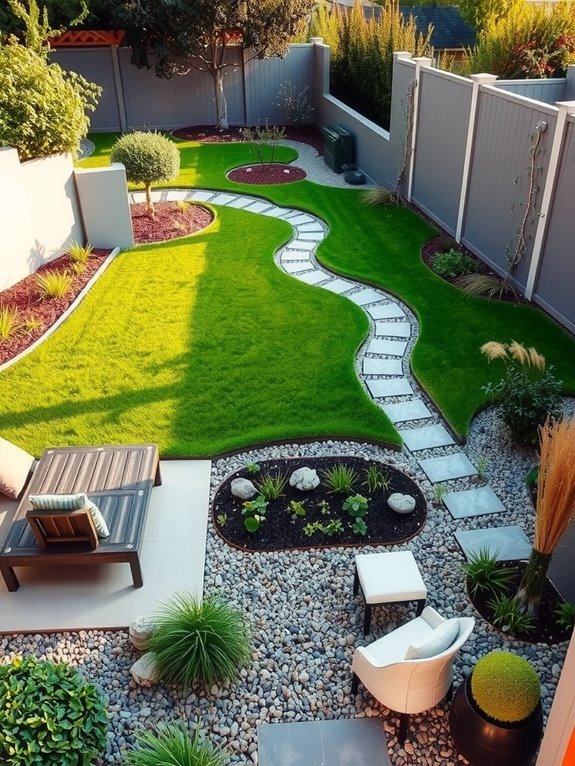
Decks and patios are outdoor living spaces that provide strong financial returns. Decks typically offer around 89% return on investment, while patios deliver approximately 95%. These hardscape projects expand your usable yard area and create functional spaces for entertaining, dining, and relaxing.
Quality materials and thoughtful design matter for these projects. When you choose durable materials and plan careful layouts, appraisers and potential buyers notice the difference. They recognize proper installation and maintenance as indicators of a well-maintained home. Buyers see immediate appeal because they can visualize how they will use these spaces.
Deck And Patio Returns
Decks and patios rank among the highest-returning backyard investments. Decks deliver approximately 89% return on investment. Patios reach about 95% return on investment in landscaping projects.
Professionally designed and installed decks contribute more to resale value than DIY constructions. Professional installation signals quality and durability to potential buyers. Patios perform especially well when you add outdoor living elements. Seating, lighting, and weatherproof materials increase perceived value and selling potential.
To maximize your return on investment, prioritize three key factors. First, ensure design coherence with your home’s existing style. Second, select quality materials that match your home’s architectural features. Third, establish maintenance plans that keep your outdoor space usable and appealing for years.
These concrete steps make your outdoor living investment worthwhile and protect its long-term value.
Outdoor Living Space Value
Decks and patios serve as strong investments on their own. Adding extra features to your outdoor living space increases your home’s appeal and market value. Pergolas, outdoor kitchens, and dining areas attract buyers. These structures work during different seasons and improve curb appeal.
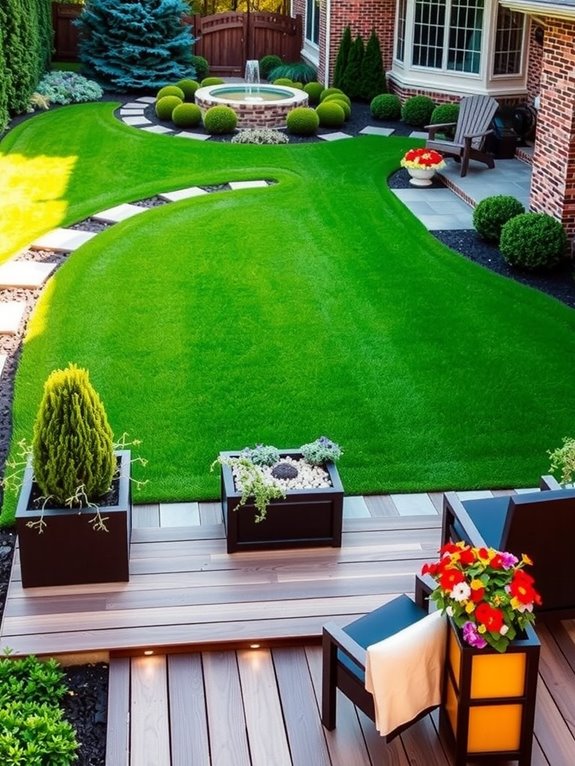
Built-in features enhance function and appearance. Planters, seating areas, and lighting serve practical purposes while improving aesthetics. Fire pits create spaces where people gather. Buyers value these gathering areas.
The quality of outdoor additions matters significantly. Well-designed outdoor living spaces deliver better returns on investment than poorly executed ones. Design quality depends on several factors. Size, maintenance requirements, and how well the space connects to your home all affect ROI.
Combining decks and patios with complementary features creates unified outdoor environments. These cohesive designs maximize your investment’s return. Properties with integrated outdoor spaces attract more buyers and command higher sale prices than properties with disconnected or poorly planned additions.
What Design Choices Do Appraisers and Buyers Actually Value?
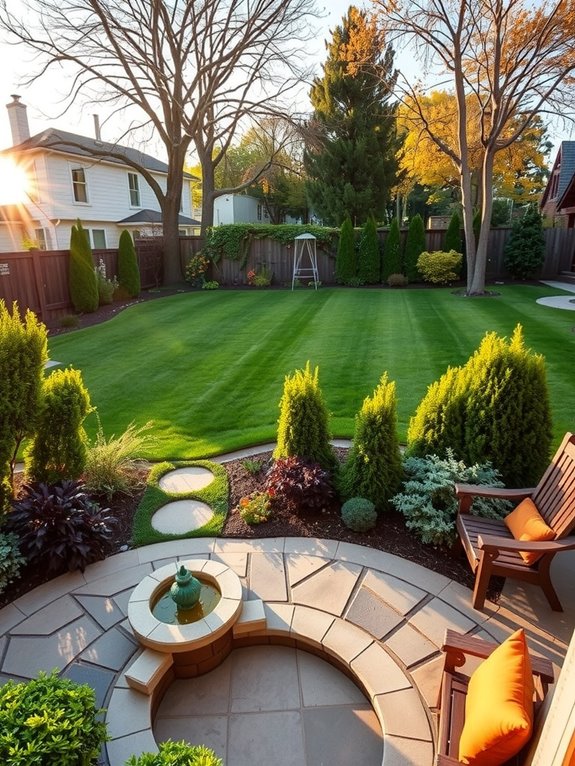
How much does a landscape design influence what appraisers and buyers will pay for your home? Design choices matter significantly. Research shows that appraisers and buyers prioritize specific elements when evaluating your property.
Appraisers and buyers focus on four main landscape features:
- Design sophistication—the overall planning and layout of your yard
- Plant size—larger, more established plants create immediate visual impact
- Plant diversity—varied species and colors enhance visual interest
- Hardscape quality—colored materials and structured bed lines boost curb appeal
Design sophistication ranks as the top driver of home value. Plant size ranks second. A well-designed landscape combines large plants with sophisticated bed lines and colored hardscape materials. This combination substantially increases perceived value.
On a $300,000 home, strategic design choices can add $16,500 to $38,100 in estimated value. Professional planning ensures your yard appears cohesive rather than disjointed. A cohesive design maximizes your financial return on the landscape investment.
Which Landscaping Mistakes Kill Resale Value?
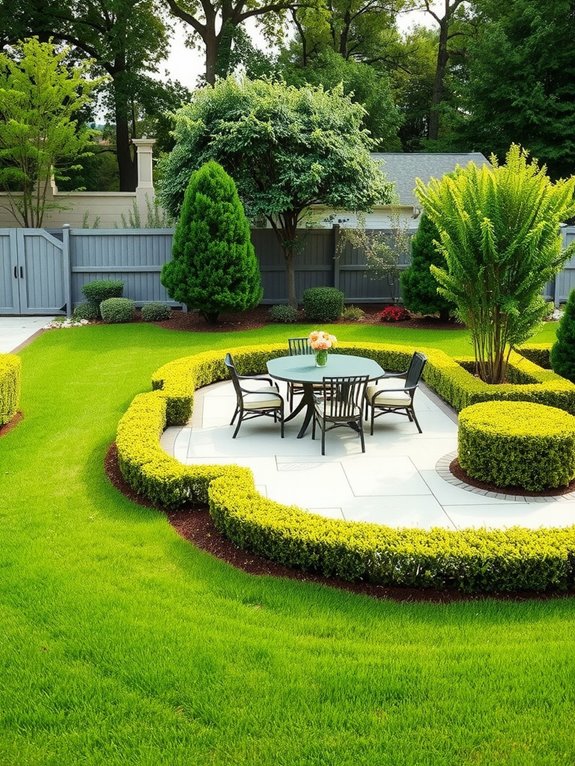
Crowding plants too close together reduces curb appeal. Arranging plants without a clear design plan creates disorder. Buyers view cluttered landscaping as unappealing. Dense plant arrangements also make yard maintenance more difficult.
Neglected landscaping signals poor home maintenance to potential buyers. Overgrown vegetation, dead plants, and visible weeds indicate lack of upkeep. This reduces buyer confidence in the property’s overall condition and lowers resale value.
Poor plant layouts create additional problems beyond appearance. Overcrowded plants make it difficult to access utilities like water lines and electrical systems. Plant roots can grow into foundations and cause structural damage. These are serious concerns that significantly reduce property value.
Overcrowded And Poorly Planned Layouts
Overcrowded And Poorly Planned Layouts
Cramming too many plants, trees, and structures into a yard without a design plan creates significant problems. Overcrowded layouts reduce curb appeal and signal poor maintenance to potential buyers.
What happens in overcrowded yards:
Plants compete for sunlight and nutrients, which causes weak growth patterns. Dense arrangements make outdoor spaces feel smaller and harder to use. Tightly packed plantings trap moisture against foliage and soil, increasing fungal diseases and pest infestations. Multiple maintenance issues suggest high ongoing care costs to appraisers and buyers.
How to improve yard spacing:
Space plants according to their mature sizes rather than their current size. Most plants need room to expand as they grow. Leave at least 30 percent of your yard as open space for walking and sitting. Clear pathways between different areas improve how the yard functions and flows.
Well-organized layouts demonstrate responsible property maintenance. Appraisers and buyers recognize proper spacing as a sign of property value. A yard with breathing room looks intentional. It shows that the homeowner understands basic landscape design principles and plans for long-term plant health.
Neglected Maintenance And Overgrowth
Poor yard maintenance reduces your home’s resale value. Once plants are installed, how you care for them becomes critical. Neglect turns landscaping into a problem rather than an asset. Overgrowth signals to buyers that the property has been abandoned. Buyers worry about hidden repair costs and the amount of work needed to maintain the yard.
| Issue | Impact | Resolution |
|---|---|---|
| Overgrown shrubs | Block windows, trap moisture | Trim to 2-3 feet from structure |
| Brown lawn patches | Reduce curb appeal | Water consistently, seed bare spots |
| Cracked walkways | Signal neglect | Repair or replace hardscape |
| Untrimmed trees | Risk pest damage | Prune branches 6-8 feet from roof |
Weeds, uneven lawn edges, and dead plants show that you have not cared for the yard regularly. Buyers assume you have also neglected other systems in the home. When they see poor yard maintenance, they question the overall condition of the property. This directly affects whether they will make an offer on your home.
Budget-Friendly Landscaping Upgrades With Strong ROI?
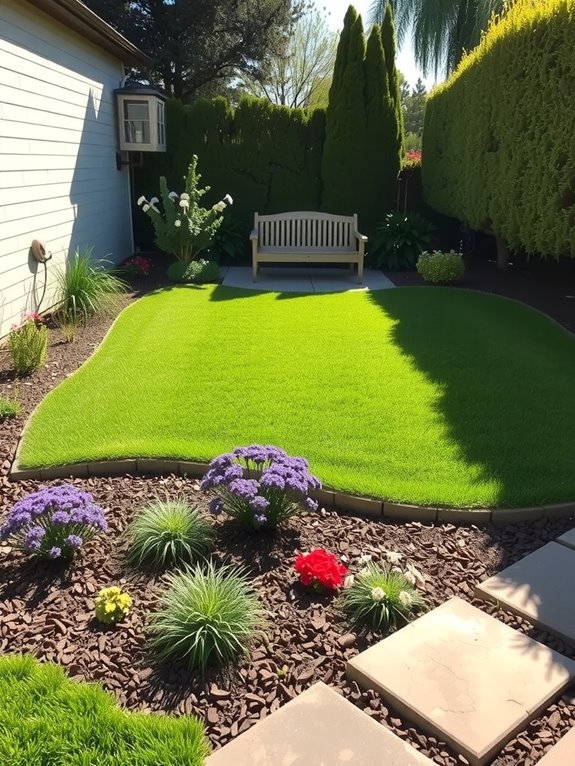
You can improve your yard’s appearance without spending a large amount of money. Several affordable upgrades increase your home’s value.
- Plant native species – Native plants grow well in your local climate. They need less water and maintenance than non-native plants.
- Install drip irrigation – This system delivers water directly to plant roots. Drip irrigation reduces water bills and works well with drought-tolerant plants.
- Apply fresh mulch – A 2-3 inch layer stops weeds from growing and keeps soil moisture in the ground. Mulch immediately improves how your yard looks.
- Replace grass with ground cover – Clover and creeping thyme (Thymus serpyllum) need less upkeep than traditional lawns. Ground cover plants spread across soil and reduce mowing time.
Perennial plants offer color year after year without replacement costs. These upgrades create a neat, low-maintenance landscape. They attract potential buyers while keeping your ongoing expenses down.
Native Plants and Low-Maintenance Design: Long-Term Gains
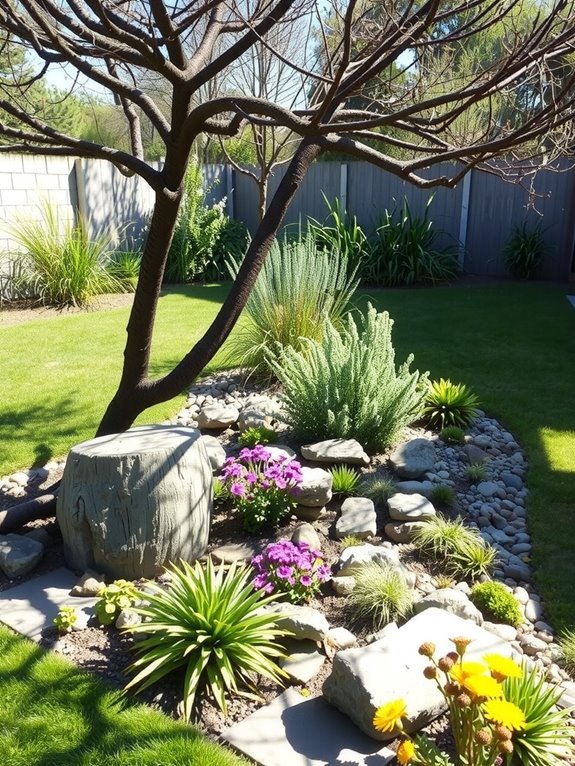
Native plants that are adapted to your region’s climate and soil require less water, fertilizer, and maintenance than non-native species. These plants evolved to survive local weather patterns and soil conditions. You will spend less time caring for your landscape and lower your water and energy bills.
Native plantings need fewer resources than plants brought in from other regions. Modern homebuyers prefer properties with sustainable landscaping choices because these choices show environmental responsibility. A landscape designed with native plants keeps its maintenance costs low over many years and increases your home’s resale value.
Native Plants Require Less Maintenance
Native plants need less upkeep than non-native species because they are adapted to your local climate. They require less water, fertilizer, and pesticides than plants from other regions. Native plants establish roots quickly and naturally resist local pests.
Native plants offer several practical benefits:
- Water efficiency—native plants need less irrigation once their root systems are established
- Reduced fertilizer costs—local soil nutrients support natural growth without added amendments
- Fewer pesticides required—the local ecosystem naturally controls pest populations
- Lower maintenance time—yard work and upkeep decrease significantly
Native species also provide seasonal color and texture that suits your region’s conditions. Regional native plants reduce long-term landscaping expenses while supporting local ecosystems. This combination of lower maintenance and environmental benefit appeals to homebuyers interested in sustainable properties.
Reduced Water And Energy Costs
Native plants and low-maintenance landscape designs lower your home’s water and energy expenses over time. Drought-tolerant species adapted to your local climate reduce monthly irrigation bills. These plants need less frequent watering, which decreases your overall water consumption. Efficient irrigation systems paired with native plantings deliver water directly to plant roots while reducing waste.
Native plants require fewer fertilizer applications and less pruning than traditional ornamental plants. This directly cuts your maintenance costs throughout the year. Climate-adapted plants also need fewer replacements after extreme weather events, which protects your long-term investment in your landscape.
When you combine native plants with smart design choices, you create a landscape that requires minimal ongoing care. Your reduced maintenance costs and lower utility bills add up to substantial savings over several years. Native plant landscaping represents a financially sound choice for homeowners looking to decrease both their monthly expenses and their environmental impact.
Sustainability Appeals To Modern Buyers
Today’s homebuyers increasingly prioritize sustainable landscaping features when evaluating properties. Native plants and low-maintenance design strategies directly impact your home’s appeal and resale value.
Consider these key benefits:
- Native plants require markedly less water than traditional ornamental species, reducing your irrigation costs by up to 50 percent annually.
- Low-maintenance designs minimize fertilizer and pesticide applications, lowering both expenses and environmental impact.
- Drought-tolerant landscapes demonstrate water efficiency, a feature modern buyers actively seek.
- Year-round curb appeal improves without constant replacements or seasonal maintenance.
You create a cohesive, sustainable landscape by selecting regionally appropriate species. This approach supports local ecosystems while establishing reliability in your yard’s appearance. Buyers recognize these features as long-term investments that align with their sustainability values, making your property more desirable in today’s market.
How Do Trees, Shade, and Privacy Features Boost Appraisals?
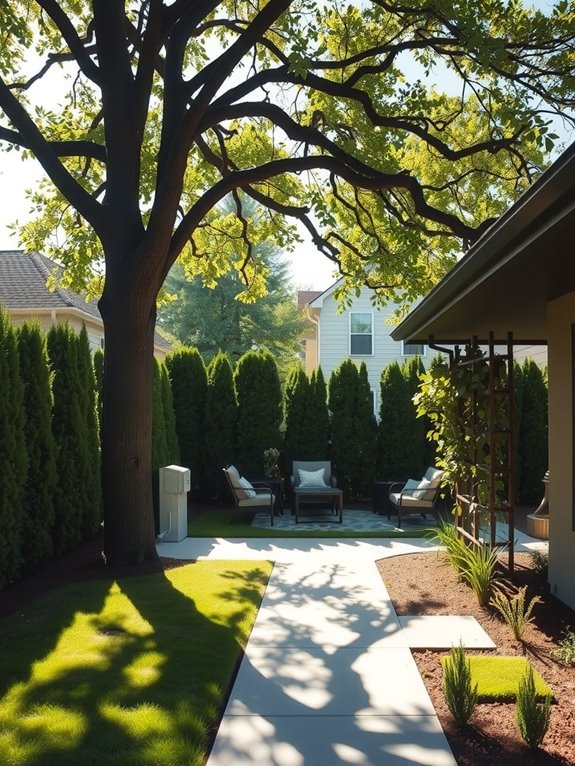
Trees and privacy features increase home value when you plan them carefully. Strategic tree placement reduces cooling and heating costs by blocking sun and wind. Appraisers recognize these benefits as energy efficiency improvements. Plant trees at least 10 to 15 feet from your foundation. This distance prevents roots from damaging utilities and structures.
Privacy screens made from hedges or trees improve curb appeal. Buyers respond positively to defined privacy zones. You should design your landscape to keep clear sightlines while creating separated areas. This balance prevents obstruction of views and maximizes the property’s value increase.
Mature, healthy landscaping typically adds 5.5% to 12% to your property’s appraisal value.
How Long Before You Recoup Your Landscaping Investment at Resale?
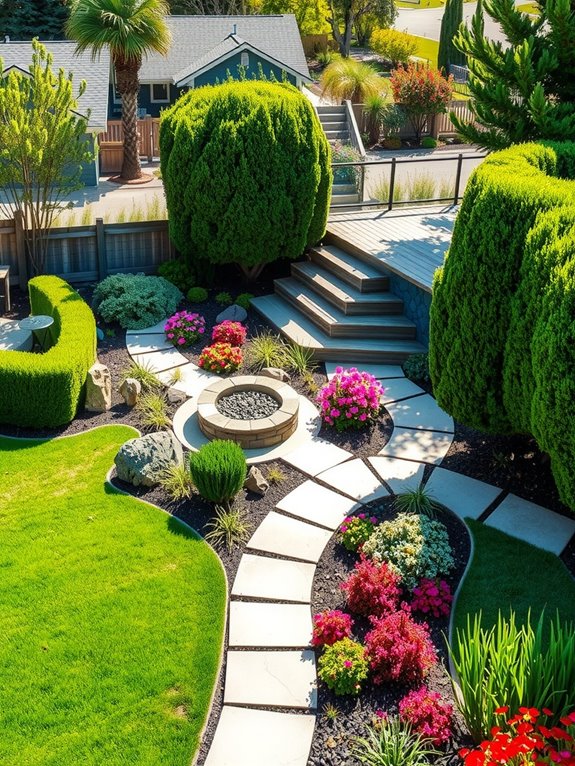
How quickly does a landscaping investment pay off when you sell your home? Your landscaping return depends on several factors that influence your resale value and curb appeal.
Consider these key timing elements:
- Plant maturity takes 3–5 years for shrubs and trees to reach full size
- Design sophistication matters more than plant type for immediate value gains
- Professional installation typically shows results within the first sale after completion
- Energy savings from mature trees accumulate over time, boosting long-term appeal
Well-designed landscapes can return up to 150% of their cost at resale. On a $300,000 home, you’ll gain roughly $16,500–$38,100 in value. Professionally landscaped yards sell faster and command higher prices than unlandscaped properties. Your investment payoff accelerates as plants mature. Patience yields better returns for your home’s marketability.