

10 Steps to Landscape Your Front Yard Like a Pro
Reshaping your front yard requires following ten essential steps in order. Each step builds on the previous one to create a professional result.
Start by assessing your yard’s soil type, drainage patterns, and sunlight exposure. Different areas receive full sun, partial shade, or full shade depending on tree coverage and building placement.
Next, sketch a layout on paper and choose a focal point. A fountain, planter, or sculptural element serves as the center of visual attention in your design.
Remove existing lawn using sheet mulching or physical removal methods. Sheet mulching involves layering cardboard or newspaper under organic matter to kill grass underneath.
Install hardscape elements like pathways, edging, or patios before planting. Hardscape refers to non-plant features made from stone, wood, or concrete.
Amend your soil by mixing in organic matter such as compost or aged manure. Most yards benefit from two to three inches of organic material worked into the top six to eight inches of existing soil.
Set up drip irrigation with emitters positioned six inches away from plant root zones. This system delivers water directly to soil rather than spraying it into the air.
Plant native species that naturally grow in your region. Space plants according to their mature width so they do not overcrowd as they grow.
Apply two to four inches of mulch around plants to retain soil moisture and prevent weeds. Mulch should not touch plant stems directly.
Establish borders using edging materials to define planting beds clearly.
Water deeply and maintain your landscape regularly through weeding, pruning, and seasonal adjustments.
Step 1: Assess Your Front Yard Space, Soil, and Sunlight
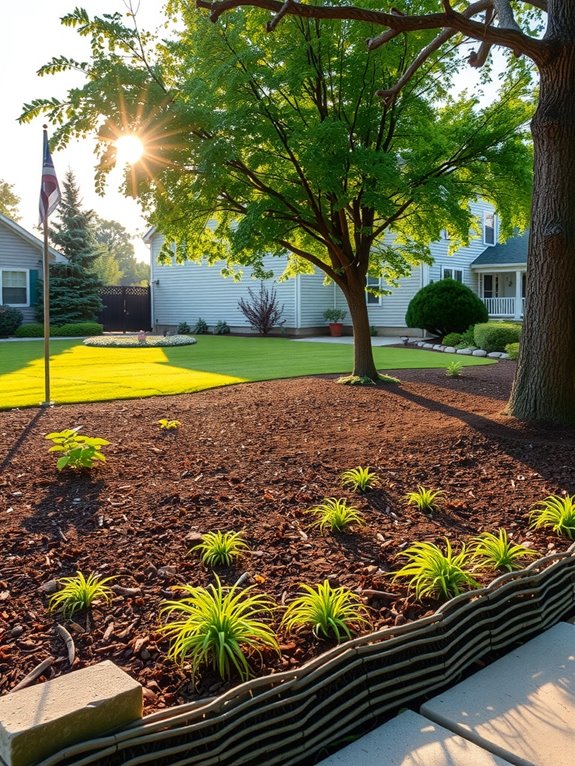
Measure your front yard’s width and length to determine the total area. This measurement helps you plan pathways, plant beds, and hardscape features accurately.
Test your soil type by observing whether it contains rocks, sand, or clay. Check drainage by noting how water moves after heavy rain. Look for earthworms and organic matter in the soil. These indicators show soil health and guide what amendments you’ll need to add.
Assess sunlight exposure across different zones in your yard. Record how many hours of direct sun each area receives throughout the day. Morning sun, afternoon sun, and shaded areas all affect plant selection differently.
These three factors—space, soil, and sunlight—establish a strong foundation for your project. Understanding your site’s conditions allows you to select plants that match your specific yard environment.
Step 2: Plan Your Layout and Pick a Showstopper Focal Point
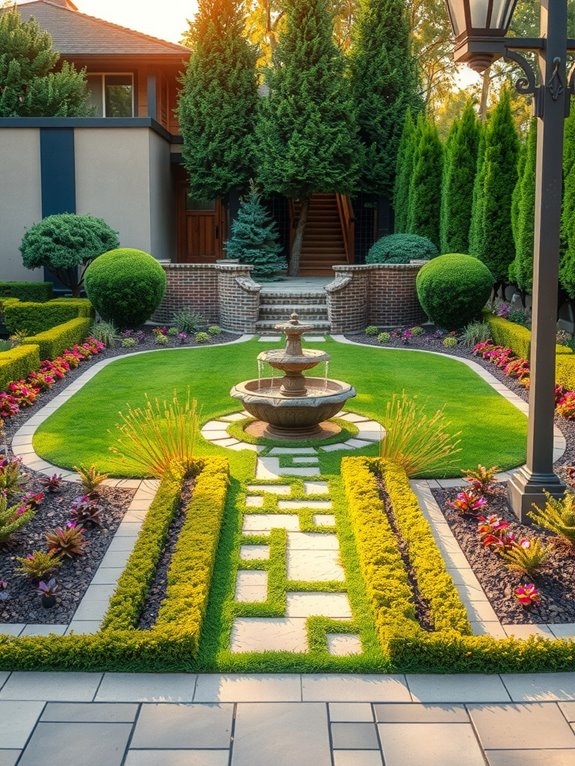
Start by sketching your front yard layout. Measure the width and length of your space. Map these measurements on paper to plan traffic paths and maintenance access routes. This prevents overcrowding plants and hardscape features.
Next, select a focal point for your design. A decorative planter, fountain, or birdbath works well as a visual anchor. Your focal point establishes the overall style direction for the entire yard. When you choose one central feature, all other elements can connect to it visually and functionally. This approach creates a unified design where plants, pathways, and structures work together as a coordinated plan.
Sketch Your Space Strategically
Creating a balanced front yard design requires planning that matches your home’s layout. Start by sketching your space with accurate width and length measurements. These measurements form the foundation for all design decisions.
Map these essential elements on your sketch:
- Traffic flow patterns that show where people naturally walk from the driveway to the door
- Seating areas positioned for comfort and conversation with neighbors
- Clear access routes for maintenance equipment and irrigation lines
- Focal point placement that anchors your entire design scheme
Use graph paper and a pencil for your initial sketch. Mark your home’s dimensions, window locations, and entry points. Identify existing trees, structures, and utility locations on the paper. Add measurements between key features so you have exact distances.
This strategic sketch prevents costly mistakes during installation. A focal point—such as a decorative planter, fountain, or small tree—should sit in the ideal location to guide surrounding plant placements and create visual balance. The measurements you record ensure your focal point positions itself where it will have the most impact on your yard’s overall appearance.
Choose Your Statement Feature
A focal point serves as the visual anchor for your front yard design. The right choice shapes the rest of your landscaping plan.
Select a showstopper feature that matches your home’s architectural style. It should fit your space’s proportions. Options include decorative planters, small trees, fountains, or birdbaths. Each works well in different yard sizes and layouts.
Position your focal point where it is visible from both the sidewalk and your porch. Place it where the eye moves to it naturally. Keep the area around it clear of clutter.
Pair your chosen feature with native or drought-tolerant plants nearby. This combination creates visual harmony and reduces maintenance needs. Repeat similar pot shapes or plant textures around your focal point to strengthen overall design unity.
Step 3: Remove Existing Lawn or Hardscape
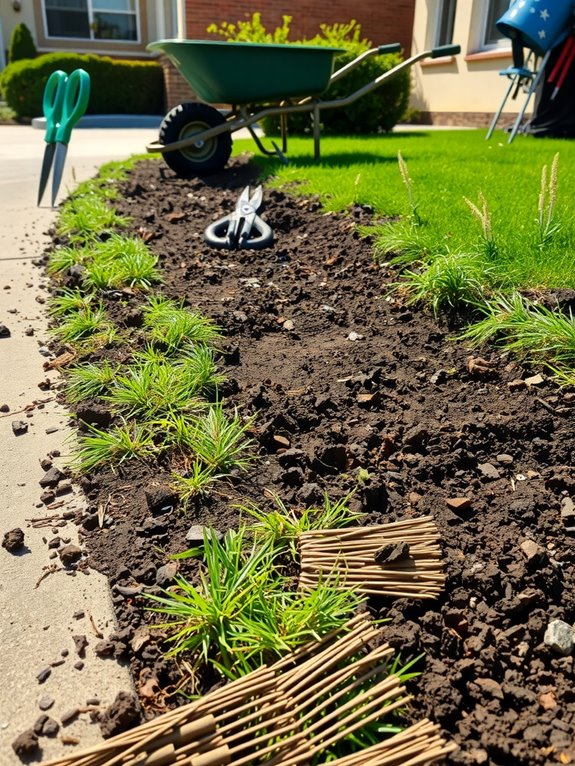
Two main methods exist for removing existing lawn or hardscape. Sheet mulching layers cardboard or newspaper over grass, then adds soil and mulch on top. Physical removal excavates the lawn completely. Sheet mulching requires less labor and works well for new planting beds. Physical removal gives better control over grading and drainage, making it suitable for hardscape features or sloped areas. Choose the method based on your specific design goals.
Before starting either removal process, locate all irrigation lines and underground utilities in your yard. This step prevents accidental damage during removal.
Sheet Mulching Method Overview
Sheet mulching converts existing lawn into garden beds without digging. This method layers organic materials to block weeds and prepare soil for planting.
Follow these steps in order:
- Mow grass to 2–3 inches or cut it as short as possible
- Lay cardboard or newspaper over the grass to block sunlight and prevent weed growth
- Add 2–4 inches of compost or mulch on top of the cardboard layer
- Water the entire area thoroughly until soil beneath becomes moist
- Wait 2–6 months for the cardboard and grass to decompose completely
Sheet mulching reduces soil disruption compared to traditional digging methods. The decomposition process improves soil structure and adds organic matter. Native plants establish well in soil prepared this way. Drip irrigation systems deliver water directly to plant roots and reduce water waste compared to overhead watering.
The layers break down at different rates depending on local climate and moisture levels. Cardboard typically decomposes within 6–12 months. Grass beneath the cardboard dies from lack of light within weeks.
Physical Removal Considerations
Physical Removal Considerations
Before you install new landscape features, you need to clear the existing lawn or hardscape from your yard. Physical removal involves digging up or demolishing existing materials completely. This method works best when you plan major grading changes, install underground utilities, or need a completely clean slate.
Physical removal requires more labor and equipment than sheet mulching. However, it eliminates the old lawn faster and prevents grass from resprouting underneath new beds. You excavate the soil and dispose of debris through recycling or repurposing.
Choose physical removal if your project demands significant site preparation. Consider hiring equipment or professionals for large areas. This approach creates immediate space for your new landscape design and installation of paths, beds, and features.
Alignment With Design Goals
Your removal method directly affects whether your landscape achieves its intended goals. The way you remove your lawn or hardscape influences every future design element you’ll install.
Consider the outcomes you want to reach:
- Improved curb appeal
- Drought-tolerant planting beds that need minimal water and maintenance
- Functional hardscape features such as pathways and dry creeks
- Proper drainage that prevents water pooling and soil erosion
Sheet mulching keeps existing soil structure intact and reduces waste. This method supports deep root zones for new plants. Physical removal clears the area completely. It allows you to prepare soil precisely and create exact grading. Your choice determines whether you can install hardscape successfully, establish healthy plantings, and maintain your landscape efficiently over time.
Step 4: Install Hardscape Elements for Structure and Drainage
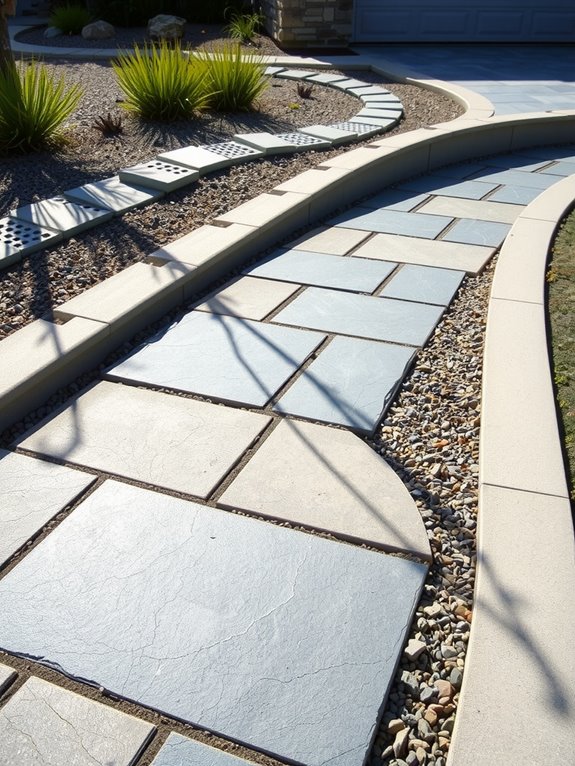
Hardscape elements serve functions that plants cannot provide alone. Pathways, steps, walls, and dry creek beds manage water flow and direct foot traffic through your front yard. These features add visual structure while keeping your landscape organized and functional.
| Hardscape Element | Purpose | Benefit |
|---|---|---|
| Pathways | Guide circulation | Protects plants from foot traffic |
| Dry creek beds | Manage drainage | Prevents water pooling |
| Boulders | Add visual interest | Creates focal points |
| Steps | Navigate slopes | Improves accessibility |
| Walls | Define spaces | Separates plant beds from walkways |
Select hardscape materials that coordinate with your mulch color and plant selections. Materials like gravel, stone, or pavers in neutral tones (gray, tan, or brown) work well with most planting schemes. Hardscape elements require minimal maintenance compared to living plants. They provide permanent structure and improve drainage, which prevents soil erosion and water damage to your home’s foundation.
Step 5: Amend Soil for Root Establishment
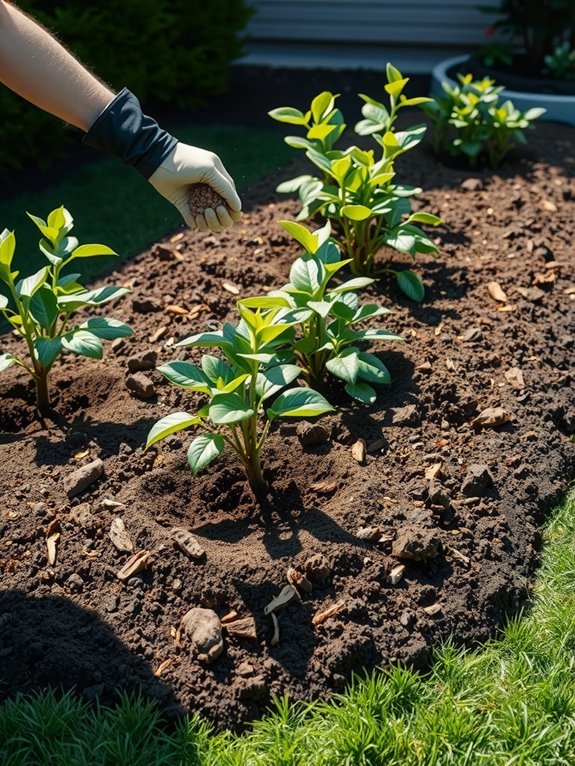
Strong root systems require healthy soil preparation before planting. Test your soil first to determine its composition and nutrient content. Add organic matter to improve soil structure, adjust drainage capacity, and modify pH levels to match your plants’ specific requirements.
Healthy soil contains four essential components:
- Minerals and organic matter that provide nutrients to plant roots
- Beneficial fungi and bacteria that support plant growth
- Drainage that prevents water from collecting around roots
- pH levels matched to your chosen plants
During planting, position roots so they have adequate space and do not touch each other. Backfill soil gently and press down to remove air pockets. Apply 2 to 4 inches of mulch around the base of newly planted roots. Mulch reduces water loss from soil, slows the movement of nutrients downward, and keeps soil temperature more consistent. This foundation supports long-term plant growth and landscape stability.
Step 6: Design Front Yard Plant Beds With Native, Low-Maintenance Species
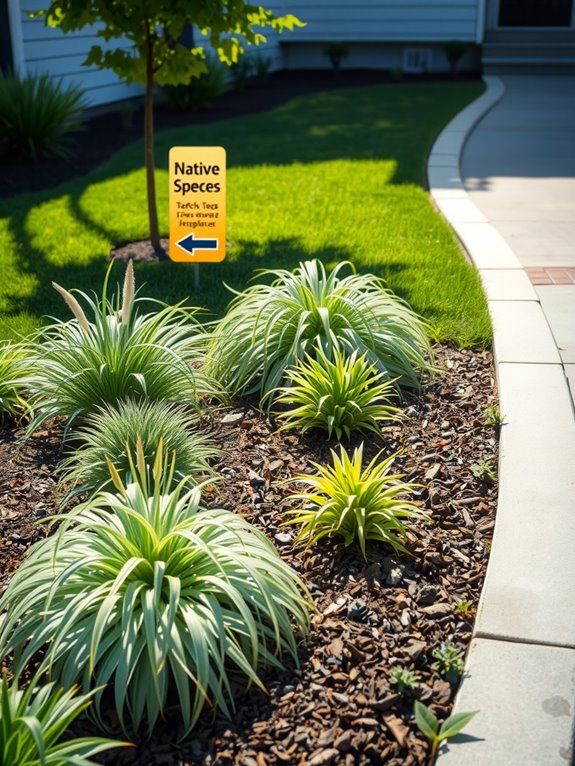
Choose native plants that match your USDA hardiness zone. These plants adapt to your local climate and soil conditions, so they need less water and fewer pest treatments than non-native species.
When you design your plant beds, group plants with the same water needs together. This makes watering more efficient. Select plants with different bloom times and different leaf textures. Evergreens provide year-round structure, while seasonal flowering plants add color during specific months.
Space plants properly so they have room to grow without crowding each other as they mature. A good rule is to check the plant’s mature width and leave that much space between plants.
Create visual layers by mixing different types of plants. Use succulents for low-water areas, ornamental grasses for movement and texture, and shrubs for height and structure. Place plants that need more water closer to irrigation sources or water storage areas. This setup reduces the effort needed to maintain your beds.
Native Plant Selection Strategy
You can create a front yard that requires minimal maintenance by selecting native plants suited to your USDA hardiness zone. Contact your local extension service. They will verify which species match your soil type, sunlight exposure, and drainage conditions.
Use this strategy to build your plant beds:
- Select evergreens for year-round structure and winter visual interest
- Include seasonal bloomers with silver, gold, and purple foliage tones
- Position high-water plants near water sources or low spots
- Arrange drought-tolerant natives toward drier areas and edges
Native plants reduce irrigation requirements and decrease pest problems. Plants establish over multiple years, so plan your beds for succession planting. Include fragrant varieties and plants with varied leaf textures to attract wildlife. This method lowers your maintenance needs while producing visual interest throughout the seasons.
Low-Maintenance Bed Design Principles
After selecting native plants for your hardiness zone and soil type, organize them into well-designed beds. This arrangement increases their effectiveness. Group plants by their water needs and sun requirements. Place plants that need frequent watering near irrigation sources.
Use structural plants as design anchors. Evergreens and ornamental grasses work well for this purpose. Examples include Juniperus scopulorum and Panicum virgatum. Combine different leaf textures and colors. This creates visual interest throughout the year and reduces your need for annual flowers.
| Design Element | Purpose | Example |
|---|---|---|
| Structural plantings | Create focal points | Juniperus scopulorum, Panicum virgatum |
| Texture variation | Add visual depth | Fine and broad foliage combinations |
| Grouping strategy | Reduce watering needs | 3-5 plants per mass |
Prepare your soil before planting. Mix in organic matter and check that water drains properly. Apply 2 to 3 inches of mulch around your beds after planting. Mulch conserves soil moisture and prevents weeds from growing. This preparation creates the foundation for landscapes that need little care and maintenance.
Step 7: Install Drip Irrigation for Water Savings
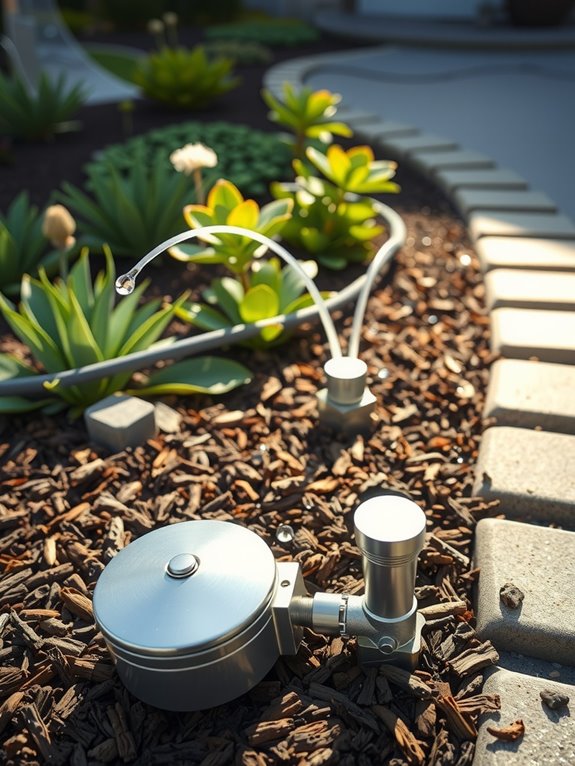
Install Drip Irrigation for Water Savings
Traditional sprinklers spray water across your entire yard. Much of this water evaporates or runs off before plants can absorb it. Drip irrigation delivers water directly to root zones, which reduces waste significantly.
Drip irrigation systems use tubing, emitters, and pressure regulators to control water flow. This method wastes less water than traditional sprinklers.
Design your system by grouping plants according to their water needs and sun exposure. Position emitters within 6 inches of root zones. Bury lines 2-3 inches deep to minimize evaporation.
Your system requires these essential components:
- Filtration system to prevent emitter clogging
- Backflow preventer for water safety
- Timer or smart controller for automated scheduling
- Pressure regulators for consistent water delivery
Conduct a slow test run after installation. Observe soil moisture patterns to verify uniform water distribution. Adjust flow rates seasonally to match plant needs throughout the year. This system conserves water while maintaining consistent soil moisture for your landscape.
Step 8: Plant Strategically and Space for Mature Growth
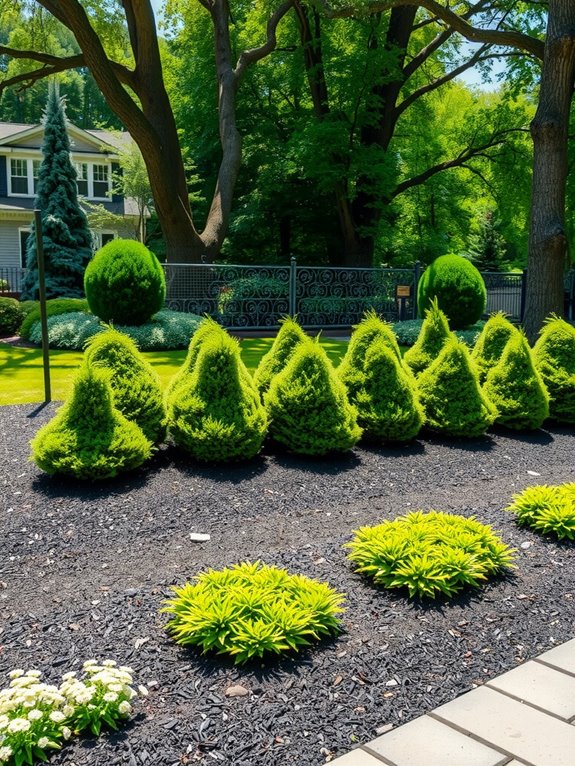
Step 8: Plant Strategically and Space for Mature Growth****
Your drip irrigation system works best when plants are positioned and spaced with care. Tall plants like ornamental grasses or shrubs belong at the back or center of beds. Shorter plants go toward the front. This arrangement creates balanced layers and keeps all plants visible.
Space plants based on their full-grown size, not their current size. A shrub that reaches 4 feet wide needs 4 feet of space from its neighbors. This spacing prevents crowding and allows air to move around the plants. Better air circulation reduces disease risk.
When you plan spacing, consider root expansion and future pruning. Select plant species that tolerate drought and match your climate and soil type. Evergreens provide structure throughout the year. Seasonal bloomers add color during specific times. Include foliage plants, flowering varieties, and edible herbs to create interest and different textures across your landscape during multiple seasons.
Step 9: Mulch Beds and Define Polished Borders
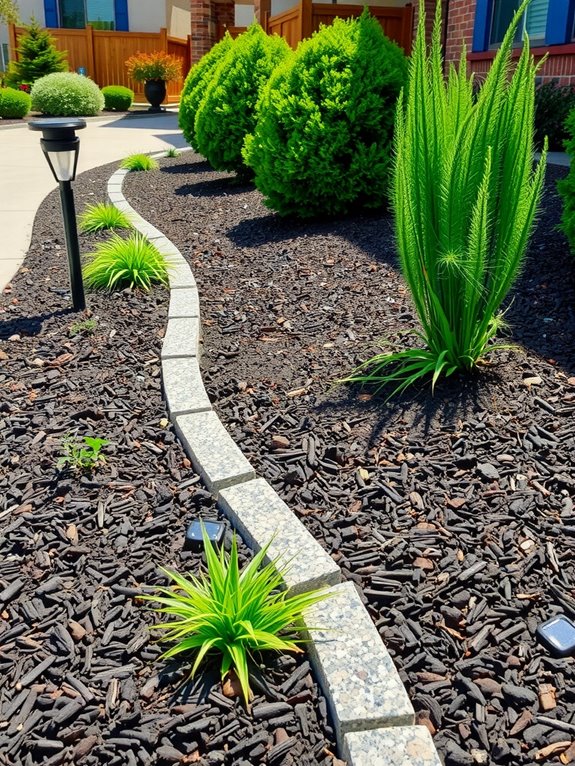
Mulch beds and defined borders create a finished landscape appearance. A fresh 2–3 inch layer of mulch and clean edging materials produce a cohesive, professional look.
How to apply mulch and borders:
- Select mulch based on your project goals. Shredded bark provides visual appeal. Decomposed granite improves water retention in soil.
- Keep mulch 2–3 inches away from plant trunks. This spacing prevents rot and pest damage.
- Choose edging materials to mark transitions between beds, lawn, and hardscaping. Metal, plastic, stone, and timber are common options.
- Install mulched beds and borders throughout your landscape. Repeating these elements creates visual consistency.
Add new mulch annually or as needed to maintain depth and appearance. Mulch serves multiple functions: it unifies your front yard design, protects soil from erosion, and suppresses weed growth.
Step 10: Water and Maintain Your Front Yard Landscape
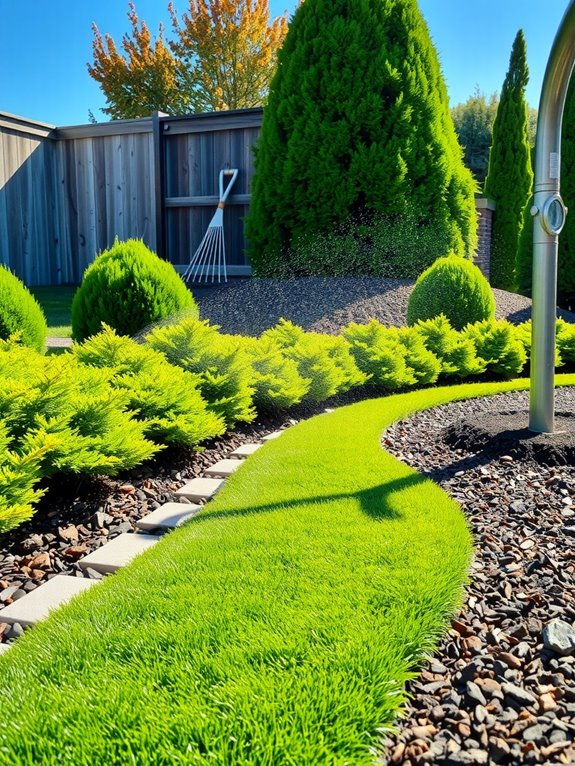
Water and Maintain Your Front Yard Landscape
Proper watering and care directly affect whether your plants survive and develop normally. Set up a regular watering schedule using drip irrigation or soaker hoses. These methods deliver water directly to plant roots and waste less water than sprinklers.
Check your soil moisture regularly. Adjust how much you water based on rainfall and seasonal temperature changes. Water deeply and less often rather than watering lightly and frequently. Deep watering encourages roots to grow deeper into the soil.
Apply 2-4 inches of organic mulch around your plant beds. Mulch reduces water loss from the soil and prevents weeds from growing. Good mulch materials include shredded bark, wood chips, and compost.
Develop a maintenance routine for your landscape. This routine should include pruning dead branches, removing weeds, and removing dead flowers. These tasks keep plants healthy and looking neat.
Inspect your irrigation system once each year. Look for leaks in the lines and check whether emitters work correctly. Replace any broken parts and repair leaks immediately. Regular inspections ensure that water reaches all parts of your landscape evenly and efficiently.