Your backyard landscaping costs depend on ten key factors that work together to determine your total budget.
Yard size is the first factor. Larger spaces require more materials and labor, which increases expenses. Cost per square foot varies based on the type of work. Basic softscape, which includes plants and soil work, costs $0.50 to $2 per square foot. Hardscape, which includes patios, walkways, and structures, ranges from $5 to $15 per square foot.
Geographic location affects both labor rates and material prices. Different regions have different costs for hiring workers and purchasing supplies. Design complexity also influences your total expense. Simple layouts with straight lines and basic shapes cost less than intricate designs with curves and multiple features.
Soil conditions and drainage present additional considerations. Poor soil or drainage problems require extra preparation work before landscaping can begin. Plant selections impact pricing in several ways. The species you choose, their size at purchase, and their maturity level all affect cost. Mature plants cost more than younger specimens.
Hiring professional landscapers requires more upfront money than doing the work yourself. However, professionals prevent expensive mistakes. Permits and regulatory fees vary depending on where you live and what work you plan to do. Finally, scheduling your project during the off-season, typically fall and winter, can reduce labor costs since fewer people request landscaping services during these months.
Backyard Size: The Foundation of Your Budget
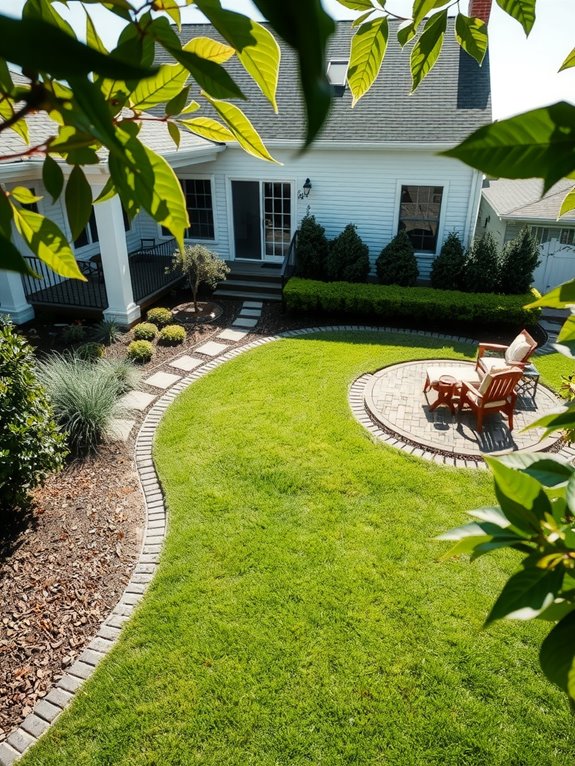
Your yard’s square footage is the primary factor that determines how much you’ll spend on landscaping. A 500-square-foot yard costs significantly less than a 2,000-square-foot yard. Larger spaces require more materials and labor.
Your yard’s square footage is the primary factor determining landscaping costs—larger spaces require more materials and labor.
Small yards work well for basic improvements like planting beds and sod installation. Medium to large yards allow more design features. These larger projects increase both complexity and expenses.
Measure your space carefully before developing your backyard budget. Know your exact square footage. Accurate measurement helps landscapers provide precise estimates and prevents budget overruns.
When you and your landscaper know the exact measurements, you can align on realistic expectations. This measurement accuracy ensures your project stays on track financially and meets your vision for the space.
What Does Landscaping Cost Per Square Foot?
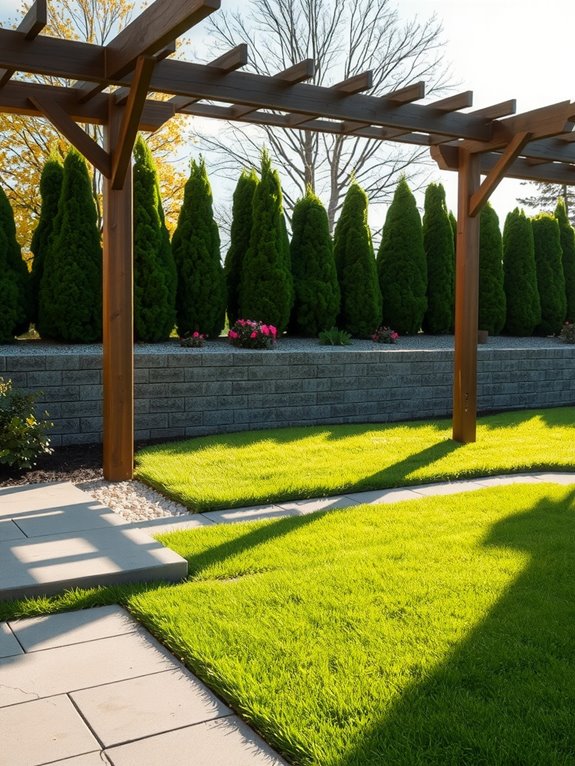
Once you’ve measured your yard’s square footage, you’ll want to understand how landscapers calculate their pricing. Basic softscape work like planting grass costs $0.50 to $2 per square foot. Hardscape elements such as patios and walkways range from $5 to $15 per square foot.
Material choice affects your total cost. Premium materials like natural stone cost more than concrete or gravel. Regional pricing differs because labor rates and material availability vary by location. Layout complexity also matters. Intricate designs cost more than simple installations.
Adding features increases expenses. Lighting and irrigation systems raise your overall per-square-foot cost. Understanding these variables helps you budget accurately for your project.
Geographic Location: How Your Region Affects Price
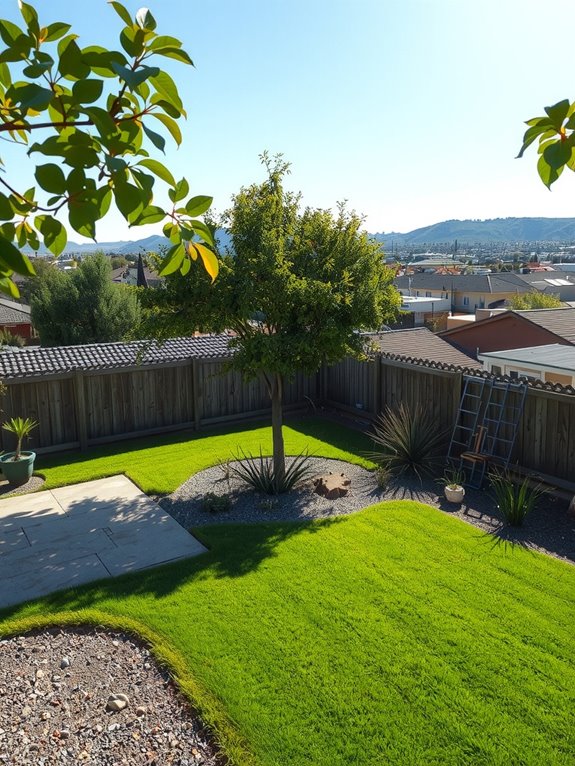
Your geographic location directly influences landscaping costs through regional labor rates, material availability, and local compliance requirements.
Your geographic location directly influences your landscaping costs. Regional pricing varies significantly based on local market conditions and the availability of services in your area.
Labor rates differ between locations. Urban zones typically charge higher hourly wages than rural areas. Metropolitan contractors may cost 20-40 percent more than those in less populated regions.
Material costs fluctuate depending on regional availability. Plants and building materials that grow or manufacture locally cost less because transportation is minimal. Materials shipped from distant suppliers carry higher expenses.
Climate affects both plant selection and material durability. Cold regions require hardy plants rated for lower temperatures, while warm zones need drought-resistant varieties. Different climates also determine how long materials like wood, stone, and metal last outdoors.
Your region may require specific permits or environmental compliance. Some areas have water restrictions, native plant requirements, or wetland regulations. These requirements add to your project expenses.
Proximity to service providers impacts your total costs. Contractors located nearby offer lower transportation fees and faster scheduling. Remote locations may require travel charges that increase labor expenses.
Local contractors bring regional expertise to your project. They understand area-specific soil conditions, pest management challenges, and building code requirements. This knowledge allows them to solve problems efficiently without unnecessary delays or expenses.
Understanding these geographic factors helps you create realistic budgets for your landscaping project.
Design Complexity: From Simple to Showstopping
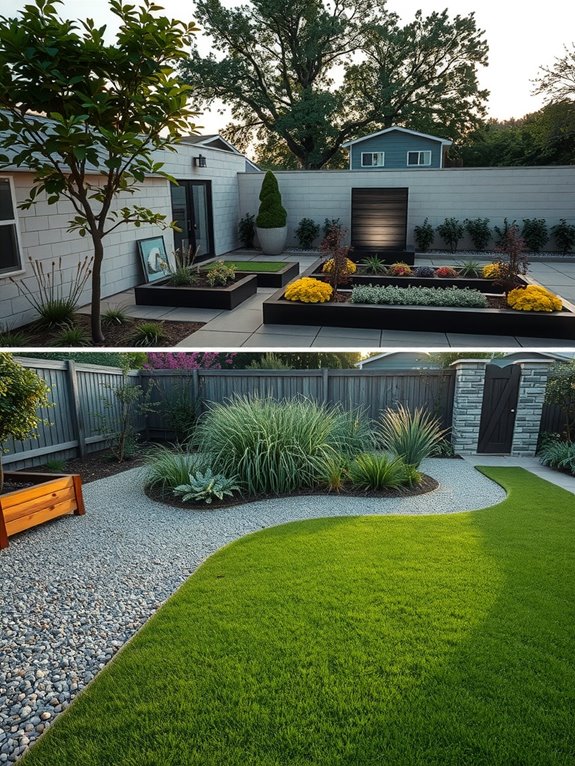
Your design choices determine your landscaping budget. Basic layouts with simple lawns and a few flower beds cost considerably less than elaborate projects. Elaborate projects include patios, water features, and custom lighting systems.
Complex designs require more planning time. They also require additional labor hours. Multiple professionals must coordinate their work on these projects. This coordination raises your overall project costs.
A professional designer helps you balance your vision with your budget. The designer optimizes the layout. The designer selects cost-effective materials. The designer plans construction methods that prevent unnecessary spending.
Simple Designs Cost Less
What makes a backyard landscape project more affordable? Simple designs cost considerably less than elaborate ones. When you choose basic elements like lawns and a few flower beds, you reduce both materials and labour costs.
Complex layouts with patios, water features, and custom lighting require more time and coordination, which increases expenses substantially. Additional zones and multi-area layouts demand extra materials and labor. These features add significant cost even when they start from straightforward concepts.
You can keep affordability in mind by avoiding unnecessary features. DIY approaches save money compared to hiring professional design services. Professionals can streamline simple projects efficiently if you choose to hire them.
The key is maximizing value through thoughtful layout decisions. You do not need elaborate features to create an attractive backyard. Strategic material selection and efficient planning deliver results without unnecessary spending.
Complex Features Increase Expenses
Adding more elements to your backyard design raises costs. Complex features require extra planning, materials, and specialist workers that simple lawns do not need.
These features drive up expenses:
- Outdoor kitchens need custom blueprints and professional installation
- Water features require specialized equipment and maintenance systems
- Multi-level patios need structural engineering and coordinated contractor work
- Custom lighting requires electrical expertise and premium materials
- Separate zones for dining, relaxing, and fire features add design complexity
Each additional zone increases material costs and installation time. High-end materials like natural stone and premium pavers raise upfront expenses significantly. Poor alignment among features creates inefficiencies and budget overruns.
Strategic design planning optimizes your layout. This approach ensures all features work together well and keeps expenses under control while delivering the backyard you want.
Professional Planning Maximizes Value
How you plan your backyard design directly affects your costs and results. Professional planning reduces wasted spending on labor and materials by organizing your project scope from the start.
Designers provide expertise that connects your landscaping budget to realistic goals. They help you use phased budgeting to prioritize essential elements like patios and seating areas first. You can expand the project later as funds allow. This approach controls upfront design costs while maintaining long-term value.
Designers help you select appropriate materials and create efficient layouts. They coordinate multiple zones—dining areas, relaxing spaces, and fire features—to reduce unnecessary labor expenses. Phase consultations at the beginning let you establish your total project budget before work starts. This ensures your vision aligns with your financial capacity.
Hidden Costs: Difficult Soil, Drainage, and Grading
Hidden Costs: Difficult Soil, Drainage, and Grading
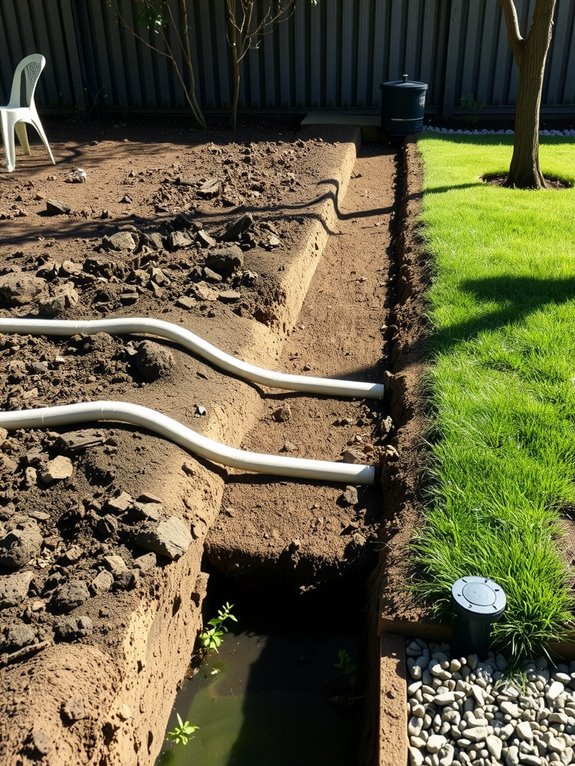
The ground beneath your backyard may not be suitable for landscaping. You will need to address problems before starting your project. These hidden costs significantly impact your budget and timeline.
Common soil and drainage challenges include:
- Soil amendment – Adding compost or topsoil to improve poor-quality soil
- Drainage issues – Installing French drains or grading to redirect water away from structures
- Grading and site prep – Leveling uneven terrain to create a stable foundation
- Soil testing – Identifying contamination or composition problems before work begins
- Disposal costs – Removing rocky subsurfaces or contaminated soil from your property
Poor drainage requires trenching and specialized drain systems. Uneven slopes demand additional equipment and labor hours. Rocky or contaminated soil requires testing and proper disposal methods. These site adjustments can delay your project timeline. They also influence your final layout and require phased budgeting decisions.
Material Selection: Concrete vs. Stone vs. Premium Options
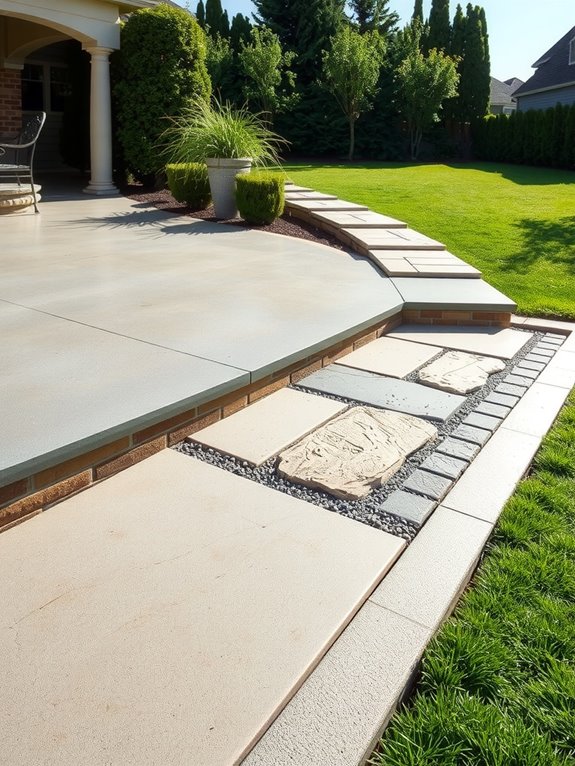
When selecting materials for patios and hardscape walls, concrete pavers cost significantly less than natural stone. This makes concrete the most affordable option for most homeowners. Premium materials like steel and high-grade hardwoods require larger upfront investments. However, these materials offer greater durability and better appearance than concrete. Over time, reduced maintenance and fewer replacements can lower your total costs.
Regional supply availability and transportation distances affect your material expenses. Local materials typically cost less than specialty items shipped from distant suppliers. Choosing materials available in your area can provide savings compared to ordering from far away.
Concrete Versus Natural Stone
Choosing between concrete and natural stone for your backyard hardscape affects both your budget and long-term satisfaction with the project.
Concrete patios cost less than natural stone patios. Natural stone costs more initially but offers superior durability and visual appeal. The materials differ in several important ways.
Concrete installation uses less labor time and costs less to install. Natural stone requires more skilled workers and takes longer to complete. Concrete needs periodic sealing and repairs over time. Stone lasts longer and requires minimal maintenance. The labor demands for each material vary significantly.
Your decision depends on weighing upfront costs against long-term durability and maintenance requirements for your hardscape project.
Premium Material Investment Benefits
Premium materials for backyard hardscapes cost more initially than basic options. Ipe hardwood and specialty pavers require higher upfront investment. Natural stone also demands skilled installation labor and extended project timelines compared to concrete.
Long-term maintenance costs decrease with premium material choices. Natural stone resists weathering better in many climates than concrete does. This durability reduces ongoing repairs and upkeep expenses over decades of use.
Premium hardscape materials increase home value and visual appeal. Buyers often view quality installations as valuable property upgrades. This boost in resale value frequently offsets the initial higher cost on premium projects.
Concrete costs less at the start. However, maintenance expenses accumulate over time. Finish type and weather exposure affect how quickly concrete requires repairs and refinishing.
Strategic selection of premium materials creates a functional backyard asset. These durable options withstand heavy use for many years without significant degradation.
Plant Choices: Species, Maturity, and Long-Term Value
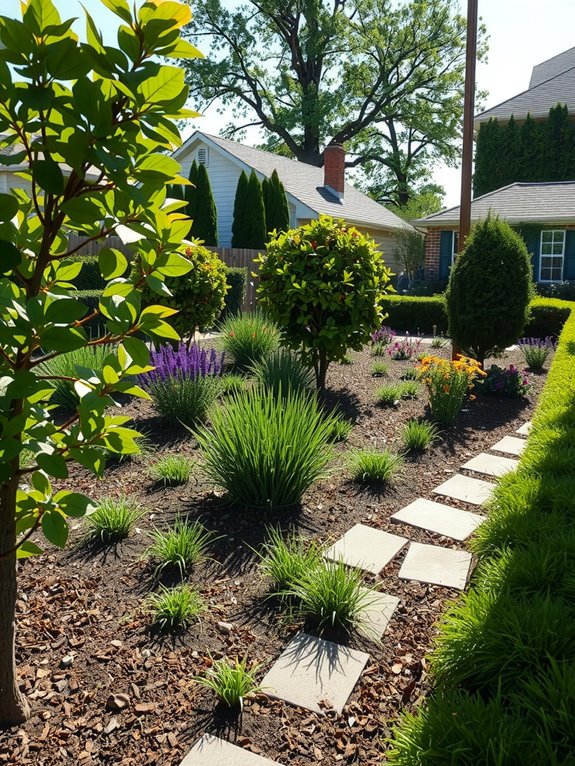
Plant selection represents one of your biggest cost variables in backyard landscaping. Your choices will affect both your initial budget and your long-term expenses.
Species and maturity level create significant price differences. Exotic or specialty species cost more than common shrubs and native plants. Mature specimens cost substantially more than seedlings or young plants.
Species and maturity level create significant price differences in plant selection for your landscape design.
Several factors influence your plant investment costs. Certified growers charge higher upfront costs but provide healthier plants with better long-term survival rates. This reduces replacement expenses over time. High-maintenance species increase your ongoing landscaping costs throughout the year. Larger plants deliver immediate visual impact, which justifies their premium pricing.
You can balance costs by combining a few mature focal plants with younger specimens. This approach creates visual impact while managing expenses. Mature plants draw attention and anchor your landscape design. Young plants fill in spaces at lower cost and develop into fuller specimens within two to three years.
Certified growers protect your investment by supplying disease-resistant plants with established root systems. These plants establish faster than seedlings. They require less intensive care during their first season. The initial cost difference typically recovers through reduced maintenance and replacement needs.
Hiring Pros vs. DIY: What You’ll Actually Pay
When you hire professionals, you’ll pay more upfront. The national average cost for a complete yard project is $30,000. You receive expertise, proper permits, and faster results. The work also lasts longer than DIY projects.
DIY work appears cheaper initially. However, mistakes in design or installation create additional costs. You’ll spend more money and time fixing errors later. Professional design and build teams work together to create a coordinated plan. This approach reduces errors and lowers your long-term maintenance costs.
Professional Installation Quality
One of the biggest decisions you’ll make when planning a backyard landscape is whether to hire professionals or tackle the project yourself. Professional installation produces higher quality results that last longer.
Professional teams offer several advantages:
- Design expertise means optimized layouts and appropriate material selection for your space and climate
- Permit and regulation knowledge prevents legal problems and code violations
- Fewer construction mistakes that would otherwise increase maintenance costs over time
- Improved durability through skilled techniques and proper installation methods
- Faster project completion because professionals work with established systems and schedules
Professional fees cost more initially, but you save money long-term. Professionals prevent the costly errors and material waste that often occur in DIY projects. Design teams help you match your project scope to your budget before work starts. Professional installation protects your landscape investment and ensures it withstands weather exposure and aging effectively.
Long-Term Cost Comparison
Professional installation requires higher upfront costs, but examining expenses over five to ten years provides a more accurate comparison. DIY projects cost less initially but frequently result in expensive corrections.
Incorrect irrigation installation causes water waste and plant failure. Professional landscalers select materials designed for durability and install systems properly, reducing the need for replacements. This expertise prevents common installation errors that increase expenses over time.
Professional teams design landscapes built to last longer. Phased projects spread costs across multiple years, making budgets easier to manage. When you total all expenses over a decade—including repairs and reinstallation—professional landscaping typically costs less than DIY attempts that require fixes.
Permit Costs and Regulatory Fees
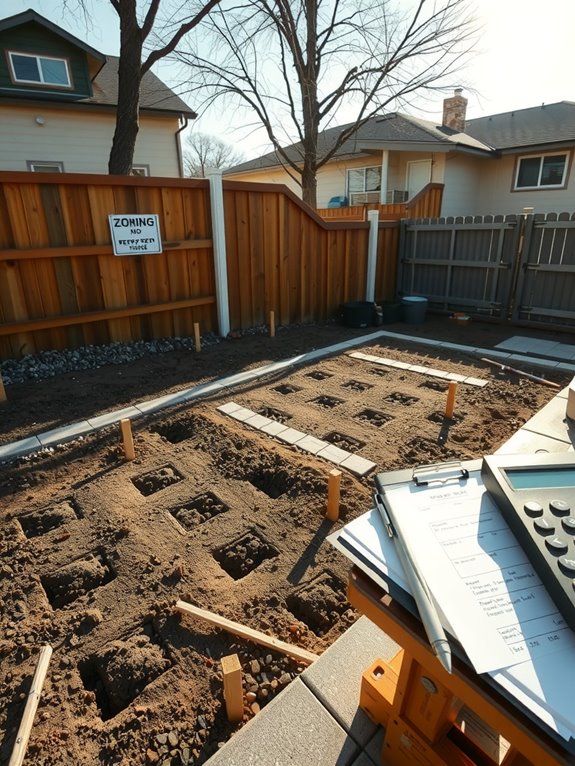
Permit and regulatory fee costs depend on your location and project scope. Local regulations determine what you can build and where. Your project’s complexity decides which permits and inspections you need.
Permit costs vary by location and project scope, with local regulations and complexity determining required inspections.
Common permit expenses include the following:
- Patio construction permits for residential zones
- Retaining wall permits for structures exceeding specified heights
- Drainage system permits for water management installations
- Professional permit handling fees for expedited processing
- Compliance costs for meeting local building codes
Permit processing times vary by season and jurisdiction. Spring and summer months typically have slower approval rates due to increased demand. Professionals can manage your permit applications. This reduces delays and ensures you meet all regulatory requirements.
Geographic location significantly affects your total regulatory fees and project timeline. Contact your local building department early to verify all requirements for your specific area.
Save on Labor: Off-Season Pricing and Scheduling Benefits
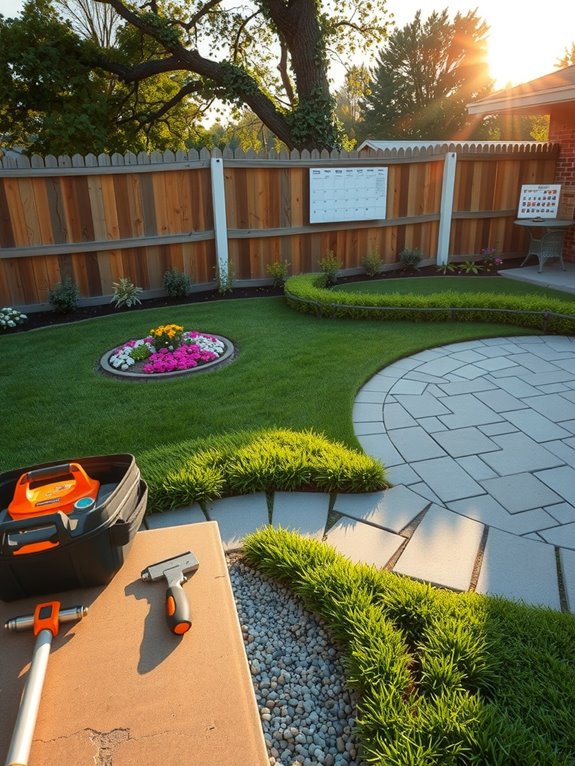
After you’ve handled permits and regulatory fees, focus on reducing labor costs, which are a major landscaping expense. Contractors lower their rates during off-season periods when fewer customers request work. You can negotiate better pricing and scheduling by planning projects outside peak months.
Many contractors offer seasonal promotions or reduce minimum project requirements during slow periods. This gives you leverage to request design modifications and phased work arrangements. Planning during slower seasons also allows you to access workers faster and secure lower rates than busy season pricing.
Weather-related delays may extend project timelines during off-season months. However, the labor savings typically outweigh these scheduling challenges.