You’ll spend between $2,100 and $6,400 on an average pergola in 2026. Ten factors determine your final cost.
Size affects price significantly, ranging from $20 to $60 per square foot. Materials create major cost differences. Pressure-treated pine costs $20 to $35 per square foot. Aluminum ranges from $10 to $30 per square foot.
Roofing systems vary widely in price. Basic shade sails cost $50 to $300. Motorized roofs cost $5,000 to $25,000 or more.
Your design choice matters for cost. Freestanding pergolas cost more than attached versions. Professional labor costs $500 to $1,000. Doing the work yourself eliminates this expense.
Additional expenses include permits, which range from $30 to $150. Regional climate needs affect what materials you should choose. Design complexity increases labor costs. Upgrades to your basic structure add expense. Long-term maintenance requires ongoing investment.
Understanding each element helps you determine your specific budget. Calculate your square footage first. Research material costs in your area. Get quotes from local contractors. Factor in permit requirements before construction begins.
Average Pergola Cost in 2026: National Pricing and Budget Ranges
The national average pergola cost is $4,200. Most projects fall between $2,100 and $6,400. Basic pergolas start at $1,000 to $2,000, while high-end custom builds cost $8,000 to $15,000 or more. Motorized pergolas exceed $50,000.
The national average pergola cost is $4,200, with most projects ranging from $2,100 to $6,400 depending on customization level.
Cost per square foot ranges from $20 to $60. A 64 square foot pergola costs between $1,280 and $3,840. A 100 square foot pergola costs between $2,000 and $6,000. A 144 square foot pergola costs between $2,880 and $8,640.
Several factors affect the total price. Material choice matters significantly. Wood and aluminum have different costs. Installation expenses include permits and labor charges. Size directly impacts your final budget, as larger pergolas require more materials and labor time.
Understanding these pricing structures helps you plan your budget before starting a pergola project.
Pergola Size: How Dimensions Drive Total Cost
Pergola dimensions directly control how much you’ll spend on your project. Pergola size determines your total cost through material needs, labor costs, and structural requirements. The price per square foot typically ranges from $20 to $60, so larger square footage naturally increases your overall expense.
Common sizes show clear pricing patterns. An 8×8 pergola contains 64 square feet and costs roughly $1,280–$3,840. A 10×10 pergola contains 100 square feet and runs about $2,000–$6,000. A 12×12 pergola contains 144 square feet and averages $2,880–$8,640.
Size drives costs for several reasons. Bigger projects demand more materials for posts and framing. Deeper footing depth becomes necessary for stability. Installation requires increased labor hours. More finishing work is also needed to complete the structure. Understanding how square footage affects pricing helps you budget accurately for your pergola project.
Material Costs: Wood, Aluminum, Vinyl, and Fiberglass Compared
Pergola materials include wood, aluminum, vinyl, and fiberglass. Wood options consist of pressure-treated pine, cedar, redwood, and exotic hardwoods such as teak and ipe. Each wood type has different costs and maintenance needs.
Pressure-treated pine costs less than premium hardwoods but requires regular sealing every 1-3 years. Cedar and redwood offer moderate pricing with natural rot resistance, needing sealing every 2-4 years. Teak and ipe are expensive options that resist decay naturally and require less frequent maintenance.
Aluminum pergolas weigh less than wood and resist rust when properly coated. They require minimal maintenance and last 20-30 years. Vinyl pergolas do not rot or splinter and need only occasional cleaning with soap and water. Fiberglass pergolas combine strength with lightweight construction and resist UV damage and weathering.
Long-term costs include both material price and maintenance expenses. Wood requires periodic sealing, staining, or painting to prevent deterioration. Aluminum, vinyl, and fiberglass have lower upkeep costs over time, though aluminum may need recoating after 10-15 years. Your choice depends on your budget for both initial purchase and ongoing maintenance over 10-20 years.
Wood Options and Pricing
Your choice of pergola material affects both your upfront costs and what you spend on maintenance over time. Wood is a popular choice because it looks natural and lasts a long time. Four main wood options are available, and each one has different prices and maintenance needs.
| Wood Type | Price per Sq Ft | Maintenance Frequency |
|---|---|---|
| Pressure-Treated Pine | $20–$35 | Every 1–3 years |
| Cedar | $25–$40 | Every 1–3 years |
| Redwood | $40–$55 | Every 1–3 years |
Cedar costs a moderate amount and looks appealing, making it practical for many projects. Pressure-treated pine costs less but needs the same maintenance schedule as cedar. Redwood and exotic hardwoods cost more because they resist rot naturally and have distinctive appearances. All wood materials need regular sealing or staining. This keeps them structurally sound and maintains their appearance.
Alternative Materials Breakdown
Beyond wood, three main alternatives exist: aluminum, vinyl, and fiberglass. Vinyl and aluminum cost $10–$30 per square foot. These materials require only occasional cleaning. Fiberglass costs $30–$60 per square foot and typically requires total project expenses of $6,000 or more for larger installations.
Vinyl and aluminum demand minimal maintenance compared to wood. Wood requires regular sealing or staining. Fiberglass delivers durability and aesthetic appeal, though its higher cost reflects specialized installation requirements.
Long-term expenses matter as much as upfront prices. Vinyl and aluminum offer the lowest per square foot cost and maintenance burden. Your choice depends on balancing initial investment against ongoing maintenance commitment.
Maintenance and Durability Costs
Material choice directly affects pergola maintenance costs over time. Wood requires consistent upkeep. Cedar needs sealant application every 1–3 years, with annual maintenance costs ranging from $100–$500 depending on wood type and sun exposure. This sealant prevents rot and weathering damage.
Different materials have varying durability and maintenance needs. Aluminum and vinyl pergolas need minimal maintenance and naturally resist rot, costing only $10–$30 per square foot. Fiberglass ranges from $50–$60 per square foot with low maintenance requirements. Exotic hardwoods demand specialized sealant maintenance, reaching $50–$100+ per square foot and requiring higher long-term upkeep costs.
Your material selection determines your total investment throughout the pergola’s lifetime.
Roofing and Shade Options: Cost vs. Coverage
Shade sails and fabric options cost between $50 and $300. These materials provide limited weather protection and offer flexible coverage choices. Polycarbonate and solid roofs cost between $1,500 and $5,000. These roofing systems deliver better year-round usability because they protect against rain and UV rays more effectively than fabric options. Motorized and retractable systems range from $5,000 to $25,000 or higher in total cost. These systems allow you to adjust shade and weather protection based on your current weather conditions and needs.
Shade Sails and Fabric Options
Shade Sails and Fabric Options
Shade sails and fabric systems provide affordable shade coverage for pergolas. These options start at $50 for basic systems and reach $300 for larger or higher-quality materials. The cost depends on the size of your pergola and the type of fabric you choose.
Fabric shade systems are removable and temporary. Homeowners can install them without permanent changes to their pergola. These fabrics block some sunlight while allowing air to flow through the structure. This keeps the space open and prevents the enclosed feeling of a solid roof.
Retractable shade fabric systems offer adjustable coverage. These systems cost between $1,000 and $5,000. You can operate them by hand or with a motorized mechanism. Manual versions require you to pull the fabric open and closed. Motorized versions use buttons or switches to adjust the shade automatically.
Motorized roofs with integrated shade provide complete weather protection. These systems cost $5,000 to $25,000. The price increases based on the electronics and materials included. Polycarbonate roofs fall into a similar price range at $1,500 to $5,000. However, polycarbonate creates a fully enclosed space that blocks airflow.
Consider your budget and how much flexibility you need. Simple fabric options work well for basic sun protection. Retractable systems offer more control over shade levels. Motorized roofs provide the most protection but also cost the most. Each option has different benefits for pergola coverage.
Polycarbonate and Solid Roofs
Permanent roofing options for pergolas include polycarbonate panels and solid roofs. Polycarbonate panels cost between $500 and $2,000. These panels are lightweight and translucent, which allows light to pass through while providing partial shade. Solid roofs cost between $1,500 and $5,000. They provide complete weather protection, maximum durability, and full shade coverage.
Installation speed and cost differ between the two options. Polycarbonate panels install faster than solid roofs. Your choice of roofing material affects both your total installation expense and how quickly the work can be completed.
Advanced roofing features exist for those who want additional functionality. Retractable and motorized roof systems add $5,000 to $25,000 or more to the project cost. The price depends on the system’s complexity and features.
When selecting a roofing solution, consider three main factors: your budget limit, how much natural light you need, and the level of weather protection you require. Each roofing type addresses these needs differently based on your specific priorities.
Motorized and Retractable Systems
Motorized and retractable roofing systems provide adjustable coverage for pergolas. Smart pergola roofs with automation cost approximately $60 to $65 per square foot. These systems use sophisticated control technology to manage shading. Retractable roof systems offer a more budget-friendly option at about $4.50 per square foot. Motorized roofs typically range from $5,000 to $25,000 or more, depending on features and square footage.
These automation systems allow you to modify coverage instantly without manual effort. Installation costs increase with system complexity. The total expense depends on the size of your pergola and the number of features included. You gain convenient shading options that respond to weather conditions and personal preference. The investment changes how you use your outdoor area throughout different seasons.
Freestanding or Attached? How Location Affects Installation
Where you place your pergola affects both installation costs and labor requirements. Freestanding structures require four posts. Attached pergolas need only two posts because they connect to your home or deck. This reduces labor expenses and lowers your overall installation price.
Labor costs vary by region. Most areas charge $500–$1,000 for pergola installation. Cities like New York City, Honolulu, and San Francisco have higher rates than other locations.
Your climate determines which materials work best for your pergola. Humid climates require rot-resistant wood to prevent decay. Hot, sunny regions need UV-resistant finishes to protect against sun damage.
Local regulations also affect your project cost. Permitting requirements vary by area. Some neighborhoods have HOA rules that restrict pergola design or placement. These regulations may add $30–$150 or more to your budget.
Material availability and shipping costs depend on your location. If your desired materials are not available locally, you may pay extra for long-distance shipping.
Labor: From Hourly Rates to Site Complexity
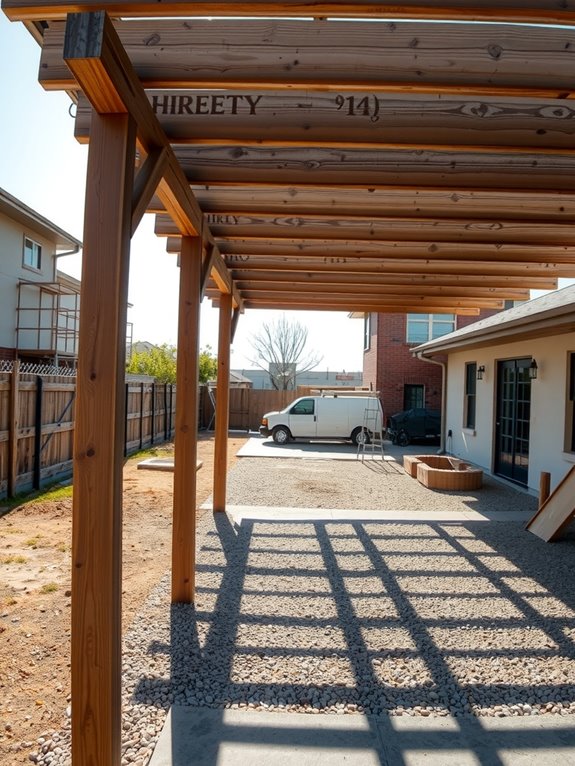
Labor costs for pergola installation depend on two main factors: hourly rates and project complexity. Hourly rates vary by location. Contractors in urban areas charge more than those in rural areas. Project complexity includes curved beams, custom latticework, and intricate designs. These features require more time and increase costs.
Site-specific tasks add to labor expenses. Ground leveling, footing installation, and removal of existing structures all require additional work. Each task extends the timeline and raises the total cost of your project.
Hourly Rates And Complexity
Labor costs depend on two main factors: regional hourly rates and pergola design complexity. Hourly rates differ across locations. Metropolitan areas charge $75 to $150 per hour. Rural areas charge $40 to $80 per hour.
Design complexity affects both installation time and total cost. Simple straight-leg designs require fewer labor hours than pergolas with custom features. Curved beams, latticework, and integrated roofs increase installation time. Site preparation also adds to labor costs. Ground leveling, footing installation, and removal of existing structures extend the project timeline.
When higher regional rates combine with complex designs and extensive site preparation, contractors charge more and the project takes longer to complete.
Site-Specific Labor Factors
Several factors beyond hourly rates influence labor costs for pergola installation. Regional location determines your base labor expenses. Metropolitan areas like New York City and San Francisco charge higher rates than rural regions do.
Site preparation adds significant labor hours to your project. Workers must level the ground, install footings, and remove any existing structures before construction begins. These tasks increase both time and cost.
Pergola size and design complexity directly affect installation labor requirements. Larger structures demand more hours to complete. Designs featuring curved beams or intricate latticework require additional skilled work compared to simple straight-beam designs.
Contractor scheduling influences your total labor expenses. Off-season work costs less because contractors face lower demand during slower periods. However, scheduling during off-season months may limit your options due to weather constraints in your area.
Anticipating these site-specific factors helps you calculate total labor expenses more accurately before work begins.
Should You DIY or Hire a Professional?
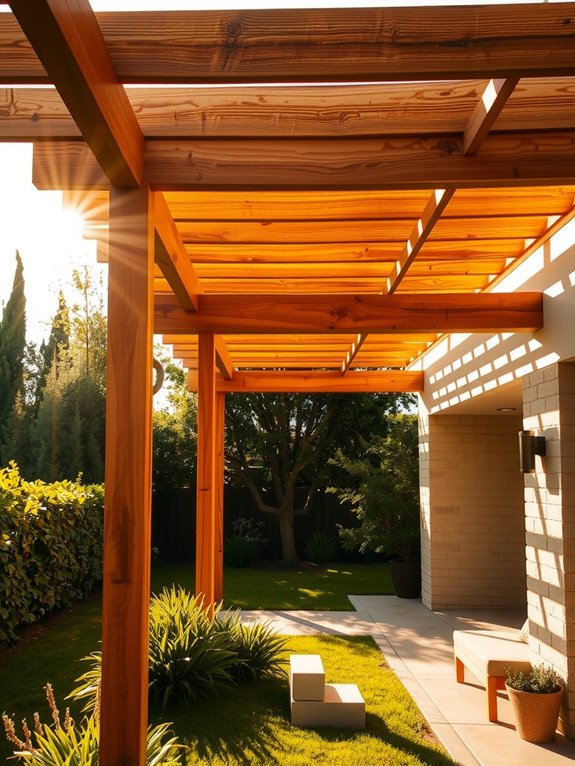
When deciding between building a pergola yourself or hiring a professional, you are choosing between cost savings and quality workmanship. DIY scratch builds start around $470. Pergola kits range from $550 to $4,000. Professional installation typically costs about $4,000.
Building the structure yourself saves $500–$2,500 in labor costs. However, mistakes during construction can increase expenses after installation and create safety problems. Larger structures require permits and utility considerations that add complexity.
Your project size and structural complexity determine which approach works best. A small, simple pergola may suit DIY construction. A large or complex structure benefits from professional expertise.
If you hire a professional, request off-season discounts during fall and winter. Contractors often charge lower rates during these months.
Before you choose, evaluate three factors. First, assess your building skills and experience. Second, consider how much time you can spend on the project. Third, determine your comfort level with permit requirements and applications.
Permits and Regulations: What You Need to Know
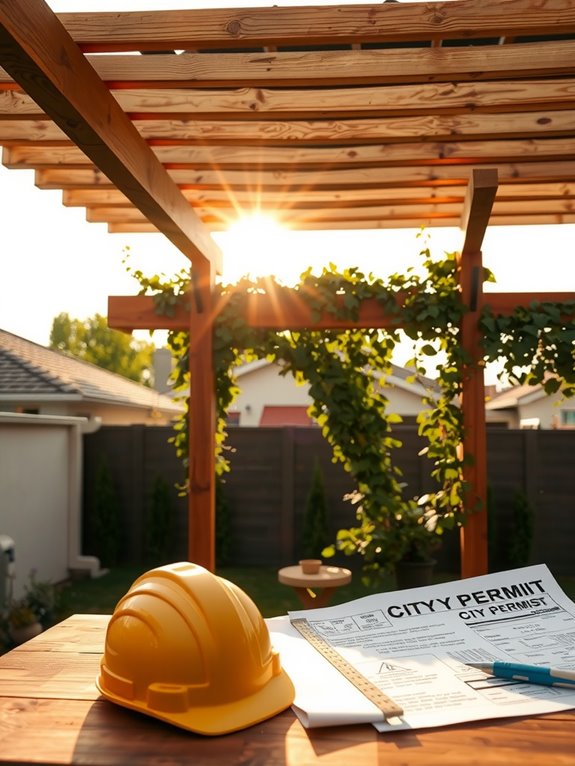
Before you build your pergola, you need to understand local permit requirements. Local ordinances determine whether you need a permit and what you will pay. Permit costs typically range from $30 to $150, depending on your location and project scope.
Your pergola may require a permit if it exceeds 12 feet in height or attaches to your home or deck. You will also need a permit if you live in a community with a homeowner association, which adds an extra approval step. Plans or drawings are often required for approval, and you should plan for any application fees in advance.
Building codes vary by location. Contact your local building department to learn the specific regulations that apply to your area. Understanding these requirements before you start construction helps you avoid delays and unexpected expenses.
Your Region’s Climate: Frost, Wind, and Heat
Your region’s climate affects both the cost and material selection for your pergola. In areas with deep frost, you must extend footings below the frost line. This addition costs $200–$500 in extra concrete expenses. Windy regions require heavier posts and hurricane-rated hardware to resist wind forces and maintain structural stability.
Humid climates need rot-resistant materials. Cedar, aluminum, and vinyl combat moisture decay effectively. Hot, sunny regions benefit from UV-resistant finishes that protect against sun damage and heat impact. Extended roof options in these areas reduce heat transfer into the space below.
Local climate influences material availability. This affects both your initial costs and your long-term maintenance needs. Understanding your region’s specific weather patterns helps you choose appropriate materials and design features that increase durability while managing your budget.
Worth the Upgrade? Motorized Roofs, Fans, and Heaters
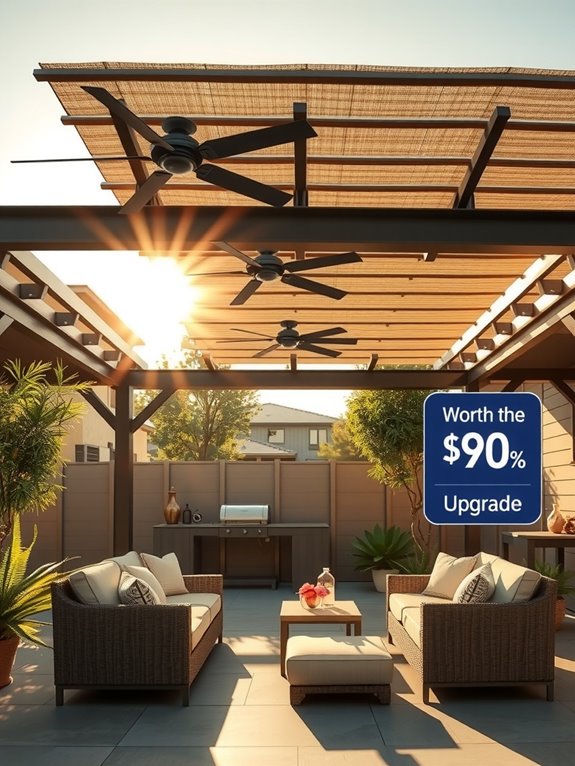
Once you’ve selected durable materials suited to your climate, you can consider adding powered features that increase comfort and convenience. Motorized roofs and retractable components significantly boost installation costs but deliver substantial lifestyle upgrades.
Motorized roofs and retractable components significantly boost installation costs but deliver substantial lifestyle upgrades.
- Motorized roof systems range from $5,000 to $25,000+, with louvers adding $25–$130 per square foot
- Electrical wiring installation typically costs $500–$2,000 for power, controls, and safety interlocks
- Smart-home integration enables remote operation and automation of fans, heaters, and shades
These upgrades change your pergola into a space you can use year-round. Motorized louvers adjust sunlight exposure automatically. Integrated fans provide cooling during warm months. Heaters extend your outdoor season during cooler weather. Retractable components protect against rain and wind without requiring manual adjustment. Smart-home connectivity allows you to control all features from your phone or tablet. While these additions increase your total cost significantly, they reduce the physical effort needed to manage your outdoor space and allow you to use your pergola in varying weather conditions.