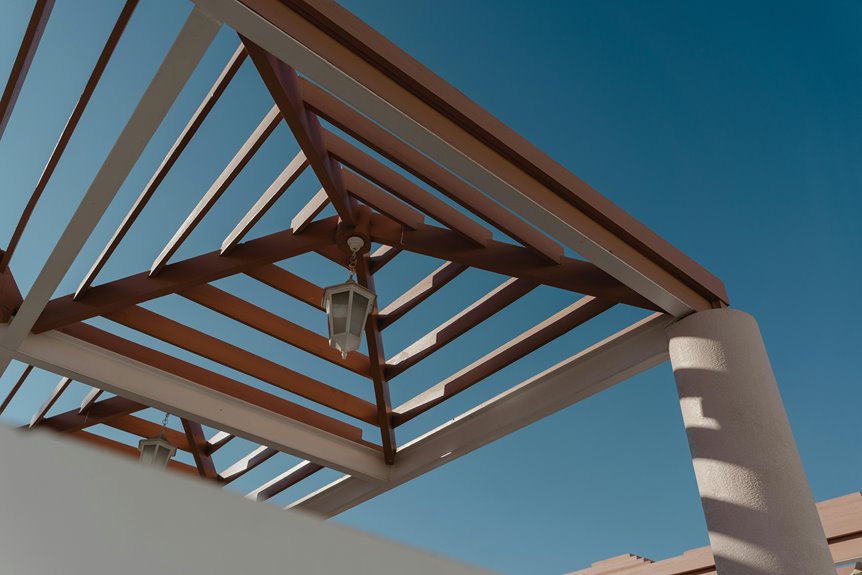
Pergolas can have roofs. Four main options exist for covering a pergola: louvered systems, solid panels, polycarbonate, and retractable fabric.
Louvered systems use adjustable aluminum slats that move between 0 and 135 degrees. These systems cost $8,000 to $25,000 and last 20 to 30 years. The adjustable slats let you control how much sunlight enters your space.
Solid panels provide complete weather protection. They cost $3,000 to $12,000. Solid roofs can withstand winds of 130 miles per hour and snow loads of 40 pounds per square foot.
Polycarbonate covers transmit light through the material. They cost $1,000 to $4,000. However, polycarbonate yellows and becomes less clear after 3 to 5 years of sun exposure.
Retractable fabric covers offer adjustable shade. They cost $2,000 to $8,000. This option is not waterproof, so it does not protect against rain.
Your choice depends on three factors: your budget, your local climate, and how much weather protection you need. Louvered systems work well if you want adjustability and durability. Solid roofs suit areas with heavy snow or rain. Polycarbonate suits spaces where light transmission matters but durability is less important. Retractable fabric suits areas with light rain and a need for flexible shading.
Can Pergolas Have Roofs?
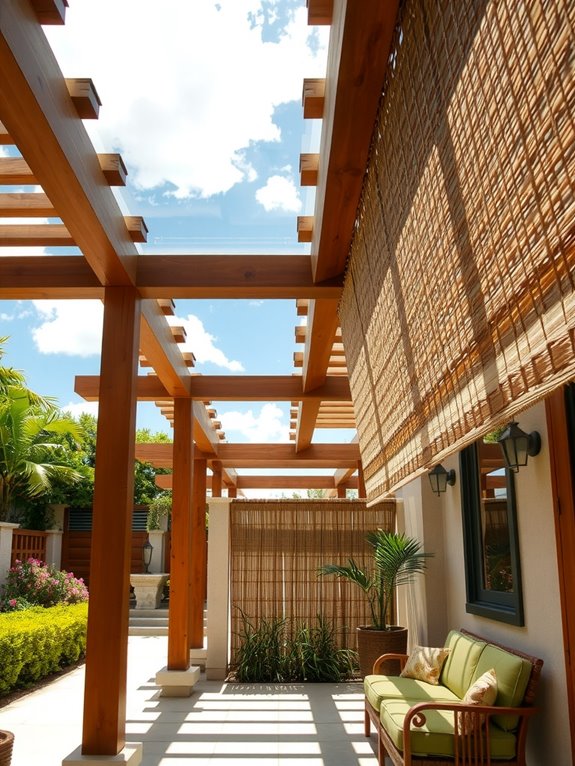
Yes, pergolas can have roofs. Several roofing options exist for pergolas, each with different features and benefits.
Pergolas can have roofs. Several roofing options exist, each offering different features and benefits for your outdoor space.
Louvered roof pergolas have adjustable slats that move between 0 and 135 degrees. This design allows you to control how much shade and light reach your outdoor space.
Solid roof pergolas use fixed panels made from aluminum or steel. These panels provide complete protection from weather and rain.
Polycarbonate panels offer a lightweight and affordable option. They protect against rain while allowing diffused light to pass through.
Retractable fabric creates a softer appearance and provides shade control. However, this material is not waterproof.
Hybrid configurations combine multiple roofing materials or systems. You can mix these options based on your specific needs.
When selecting a pergola roof, consider three main factors. First, evaluate your local climate and typical weather patterns. Second, determine your budget for materials and installation. Third, think about how you plan to use the outdoor space. These considerations will guide you toward the right weather protection solution for your pergola.
Louvered Roof Pergolas: How They Work and What Makes Them Special
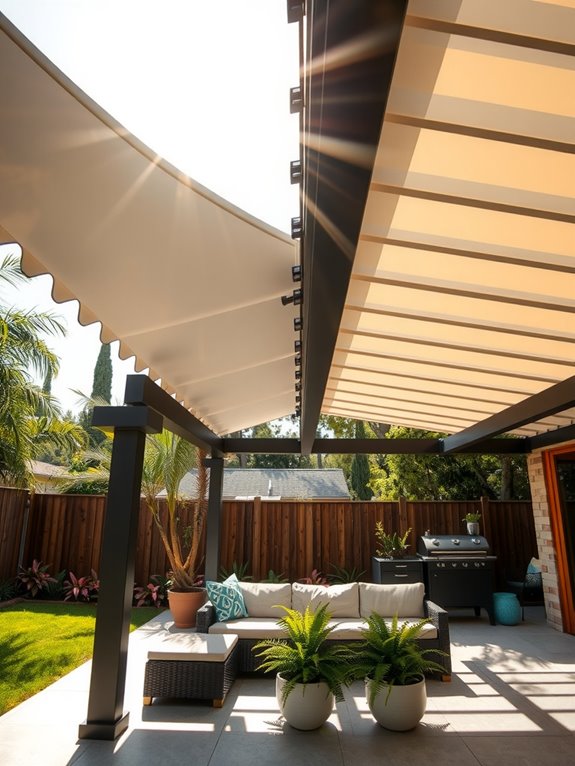
Louvered roof pergolas differ from other pergola styles in several key ways. The adjustable louvers pivot between 0 and 135 degrees, allowing you to control sunlight and airflow. When closed, the louvers create a weatherproof roof. When open, they permit sunlight and breeze into your outdoor space.
The louvers are made from aluminum and have a powder-coated finish. This coating prevents rust and fading over time. The flat-bottom louver design creates a smooth ceiling on the underside of the structure.
Many louvered pergolas include motorized systems. You can adjust the louvers using a remote control or a mobile app. Some models have rain sensors that automatically close the roof when precipitation begins. Integrated gutters direct rainwater away from your seating area.
Solid Roof Pergolas: Best for Maximum Weather Protection
Solid roof pergolas provide permanent, fixed coverage that does not move or adjust. These structures use aluminum, steel, or composite materials to block rain, sun, and snow throughout the year. They work well as attached patios, outdoor kitchens, and carports. They perform especially well in climates with heavy rainfall.
Solid roof pergolas resist wind speeds up to 130 mph and support snow loads of 40 psf. The aluminum construction needs less maintenance than fabric alternatives. Installation costs range from $3,000 to $12,000 based on size and material choice.
The main drawback is lack of flexibility. A solid roof pergola stays in one position with no adjustable panels or options. You cannot change the coverage or opening based on weather or preference. This design prioritizes durability and consistent protection instead of customization.
Polycarbonate Pergola Roofs: Budget-Friendly and Low-Maintenance
Polycarbonate panels installed on a pergola create a skylight-like effect. The translucent material diffuses sunlight and reduces glare while blocking rain. Polycarbonate roofs perform well structurally for 10–20 years. However, UV degradation causes problems within 3–5 years. The panels yellow, turn brittle, and become cloudy during this timeframe, which makes them appear dated compared to higher-end roofing materials.
Installation requires minimal skill and costs less than other options. You can retrofit existing pergolas or assemble kit options without professional help. Plan for eventual panel replacement as part of your regular maintenance schedule.
Light Diffusion and Clarity
Polycarbonate pergola roofs diffuse natural light and create a skylight effect. This design allows daylight to enter without harsh glare or direct sun exposure. You can select from various tint levels to adjust how much light passes through based on your needs. The material blocks ultraviolet rays while keeping the overhead area clear.
Polycarbonate panels lose clarity over time. After 3 to 5 years, the material typically yellows or becomes cloudy. This degradation affects both how the roof looks and how well it diffuses light. Cleaning the panels regularly prevents surface scratches and debris from building up and clouding the material further.
Polycarbonate provides practical weather protection and light control options. The material suits homeowners who want functional outdoor spaces without spending large amounts of money.
Durability and Degradation Timeline
Polycarbonate panels lose their clarity over time. Within 3–5 years, UV exposure causes yellowing and cloudiness to develop. This degradation reduces light transmission through the panels. The material also becomes more brittle and susceptible to cracking as its structural strength decreases.
Maintenance demands grow as panels age. You must monitor panels regularly for scratching and discoloration. Periodic replacement becomes necessary to maintain effective performance and appearance.
The cooling benefit of polycarbonate diminishes with degradation. Initially, the panels reduce under-roof temperatures by approximately 10–15 degrees Fahrenheit. As yellowing occurs, this cooling effect lessens. Budget planning should account for ongoing replacement costs throughout the years you own the pergola.
Installation and Retrofit Options
Polycarbonate panels are lightweight and do not require complex structural reinforcement. You can install them on new pergolas or retrofit them onto existing structures. The installation process is straightforward.
The lightweight panels attach directly to your pergola frame using simple hardware. This reduces labor costs significantly. Retrofitting works equally well on established structures because you won’t need to reinforce existing support beams. You can upgrade your pergola’s weather protection without major construction disruptions.
Plan for regular maintenance to address UV degradation and glare control issues. Clean the panels annually and inspect them for cloudiness. This maintenance extends their lifespan and keeps your covered space functional and visually appealing throughout the seasons.
Retractable Pergola Roofs: Flexibility When You Need It Most
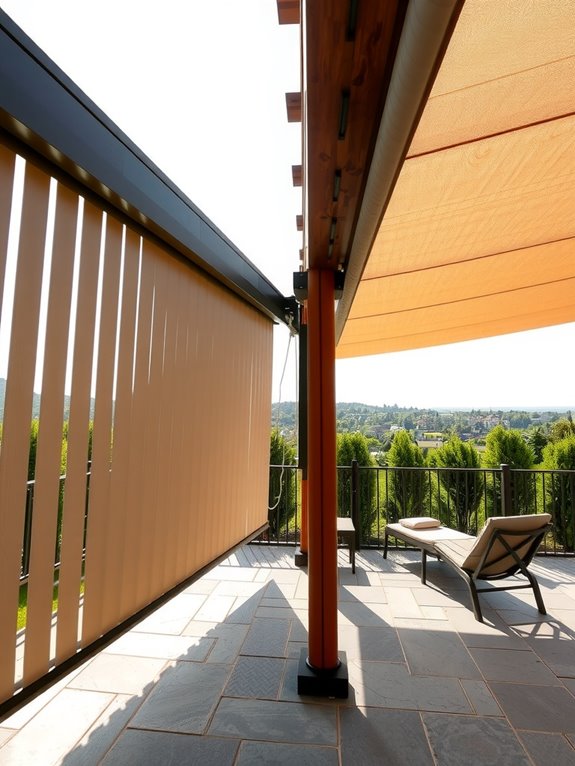
A retractable pergola roof uses a motorized or hand-crank system to extend and retract a fabric canopy. You can extend the canopy to create shade and retract it to expose the open sky. This design gives you control over light and weather conditions throughout the day.
Fabric roofs have limitations. They are not waterproof, so heavy rain causes the fabric to sag or drip. You must retract the canopy when wind speeds exceed 25–35 mph to prevent damage to both the fabric and the track system.
Maintenance requires regular attention. You need to treat mildew growth on the fabric and apply UV protection to prevent fading. Plan to replace the fabric every 5–8 years. Initial installation costs range from $2,000 to $8,000, and you should budget for ongoing upkeep expenses.
Flexibility and Operational Control
A motorized louvered retractable canopy lets you adjust shade coverage based on weather and sunlight conditions. You use a remote control to move the adjustable slats and open or close the canopy whenever you need it. The system provides rain protection during unexpected showers. When conditions improve, you can retract the fabric.
Wind presents a limitation. You must retract the canopy when winds exceed 25 to 35 miles per hour to prevent damage. Maintenance keeps the system working properly. Track lubrication and fabric cleaning prevent mildew buildup and ensure smooth operation.
This adjustable roof system adapts to your schedule and preferences. It converts your outdoor space into a flexible living area that responds to changing conditions.
Limitations and Maintenance Needs
Retractable fabric roofs have real limitations you should know before choosing one. These roofs are not waterproof during heavy rain. Wind speeds over 25–35 mph require you to retract them.
Fabric maintenance demands significant time and effort. UV light causes fading. Mildew and weakening occur over time. Most fabric canopies need replacement every 5–8 years. Solid roof alternatives last longer.
Snow presents another problem. These canopies have a 0 psf snow load rating. You must retract them before snow falls in your area.
The mechanical systems also need regular care. Motorized and hand-crank systems use tracks that require periodic lubrication. Without adjustments, components can fail. The frame itself may last longer than the fabric with proper maintenance.
Choosing a retractable fabric roof means accepting these weather limits and maintenance demands. Understanding these constraints helps you decide if this option fits your outdoor space needs.
Compare Performance: Rain, Snow, and Wind by Roof Type
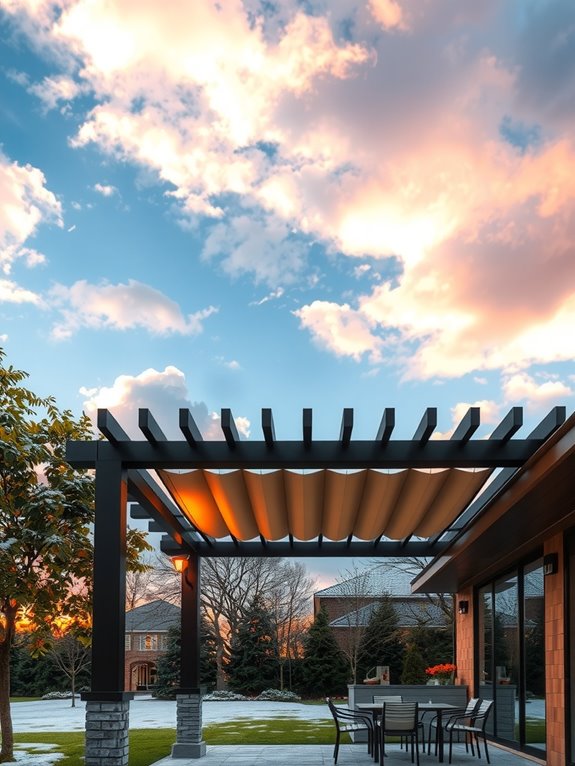
Pergola Roof Types and Weather Performance
Different pergola roof types perform differently in rain, snow, and wind. Understanding these differences helps you select the right material for your local climate.
Different pergola roof types perform differently in various weather conditions, making climate-conscious material selection essential.
Louvered and solid roofs provide the strongest protection against weather. They stop rain from entering and resist snow loads of 20–40 psf (pounds per square foot). These roofs also withstand winds up to 90–130 mph, depending on their materials.
Polycarbonate roofs offer moderate rain protection and allow light to pass through evenly. They support only 10–20 psf of snow load. These roofs handle winds between 50–80 mph. However, the material degrades from UV exposure after 3–5 years.
Retractable fabric roofs provide the least weather resistance. They protect against light rain only and must be retracted when winds reach 25–35 mph. They cannot support snow weight.
Choose your pergola roofing material based on your region’s weather patterns. This ensures comfort and protection for your outdoor space throughout the year.
Pergola Roof Costs: What to Expect for Each Option
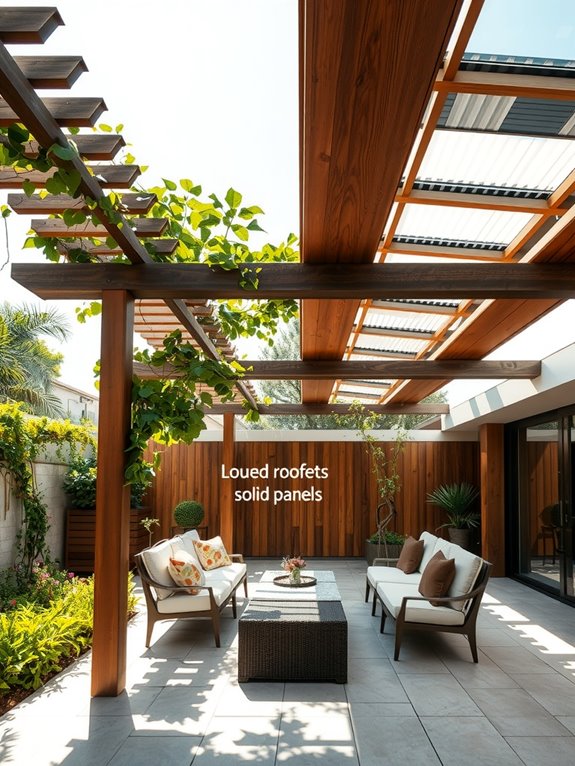
Polycarbonate pergola roofs cost between $1,000 and $4,000. They represent the most affordable option for budget-conscious buyers. However, polycarbonate may yellow or crack within 3 to 5 years.
Solid roof pergolas range from $3,000 to $12,000. Louvered systems cost $8,000 to $25,000 or more. These options last 20 to 30 years, which is significantly longer than polycarbonate roofs.
The choice between roof types involves a trade-off. Lower upfront costs mean a shorter lifespan. Higher initial spending provides extended durability.
Buying directly from manufacturers reduces total costs by 10 to 15 percent. This savings occurs because you avoid dealer and installer markups. This cost difference becomes important when comparing different roof types.
Budget-Friendly Polycarbonate Options
Polycarbonate panels serve as affordable roofing material for pergolas. Installation costs range from $1,000 to $4,000 depending on size and panel thickness. The panels weigh less than other roofing materials, which reduces the structural support needed and simplifies the installation process.
Polycarbonate offers two practical benefits. It blocks rain while allowing natural light to pass through the panels. This combination provides weather protection and maintains visibility overhead.
Several limitations exist with budget-friendly polycarbonate. UV exposure causes panels to yellow or become brittle within 3 to 5 years. Replacement becomes necessary after this period. The material cannot support snow load, meaning retractable systems must be closed during heavy snowfall. Wind ratings reach 50 to 80 mph based on installation quality.
Long-term costs may exceed initial savings. Earlier replacement needs compared to premium roofing materials result in higher expenses over time. Budget-friendly polycarbonate represents a lower upfront investment but requires consideration of ongoing maintenance and replacement cycles.
Long-Term Investment Comparison
When choosing a pergola roof, look beyond the initial price. Over 25 years, you need to compare the total cost of each option. A louvered roof costs $8,000 to $25,000 to install but averages $600 per year in maintenance. This type offers strong weather resistance and rain protection. Many louvered roofs include motorized systems that let you adjust the slats.
Polycarbonate roofs cost $1,000 to $4,000 upfront. Their yearly maintenance averages $357. However, polycarbonate degrades within 3 to 5 years, which limits its lifespan.
Retractable fabric roofs average $714 yearly in maintenance costs. These roofs require upkeep before wind speeds exceed 25 to 35 mph.
Louvered systems last longer and better maintain your property value compared to cheaper options. The higher installation cost pays off through durability and reduced long-term expenses.
Choosing Your Pergola Roof: Five Key Factors
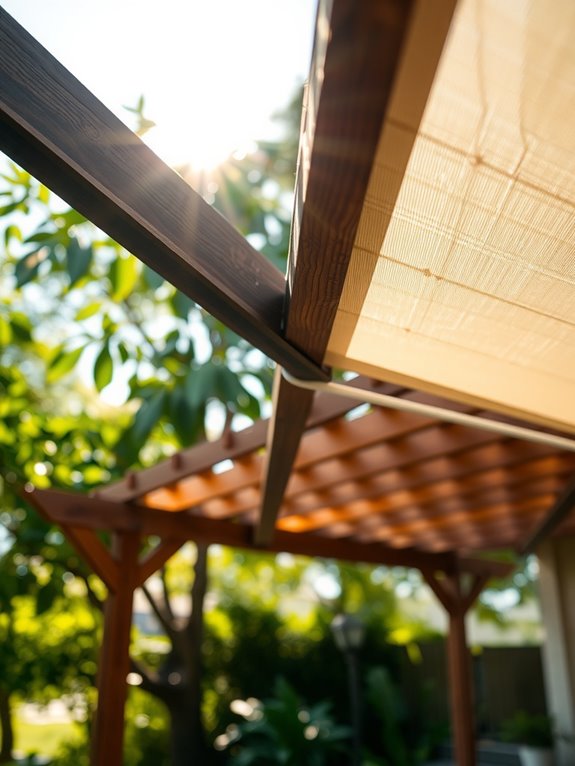
Selecting the right pergola roof depends on five important factors: weather protection, budget, maintenance needs, aesthetic preferences, and long-term durability.
- Weather protection: Solid roofs block rain completely. Louvered roofs offer adjustable sun control and shade but require closing for rain protection.
- Budget constraints: Louvered roofs cost $8,000–$25,000+. Polycarbonate and retractable fabric options range from $1,000–$8,000.
- Maintenance requirements: Solid roof materials need minimal upkeep. Polycarbonate requires replacement every 3–5 years. Retractable fabric lasts 5–8 years.
Your location’s weather patterns matter significantly. Heavy rain areas benefit from solid roofs that provide superior weatherproofing. Sun control and flexibility favor louvered systems. Evaluate each roof material’s price range against your maintenance tolerance and aesthetic goals before deciding.
Should You DIY or Hire a Pro?
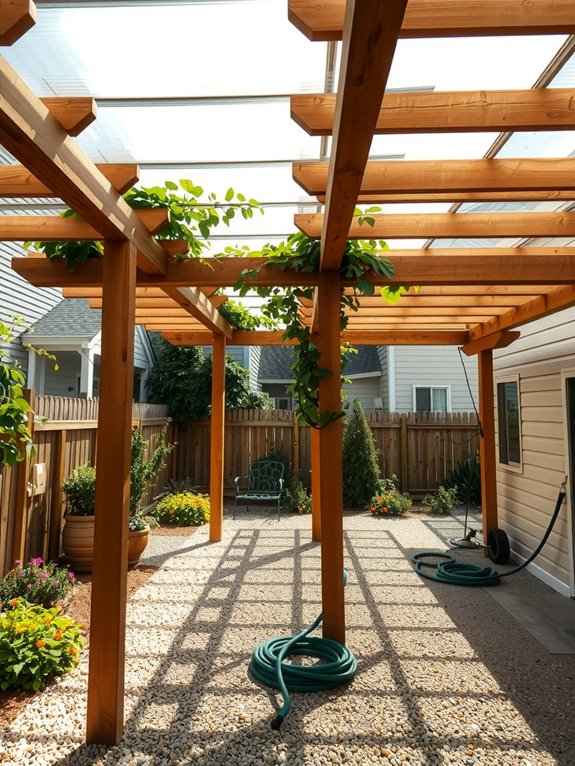
Installing a pergola roof requires you to decide between doing the work yourself or hiring professionals. Your choice depends on the roof type, the system’s complexity, and your skill level with tools and electrical connections.
Simple louvered roofs and fabric coverings work well for do-it-yourself installation if you have basic tool skills. Motorized louvers and solid roof systems need professional installation. These complex systems require proper weatherproofing and structural support that professionals can ensure.
Factory-direct kits sometimes come with self-installable configurations and online design tools. These kits can reduce your installation costs compared to hiring professionals for setup.
Before you begin any installation, check your local building codes. You must obtain the necessary permits and dealer guidance. This step protects your safety and maintains your warranty coverage.
Motorized systems and complex electrical components require expert assembly. Do not attempt to install these yourself without proper training.
Evaluate your comfort level using power tools and hand tools. Consider how much time you can dedicate to the project. Review the specific installation requirements for your pergola roof type. These factors will help you choose between a do-it-yourself approach and professional installation.
Which Pergola Roof Option Solves Your Outdoor Problem?
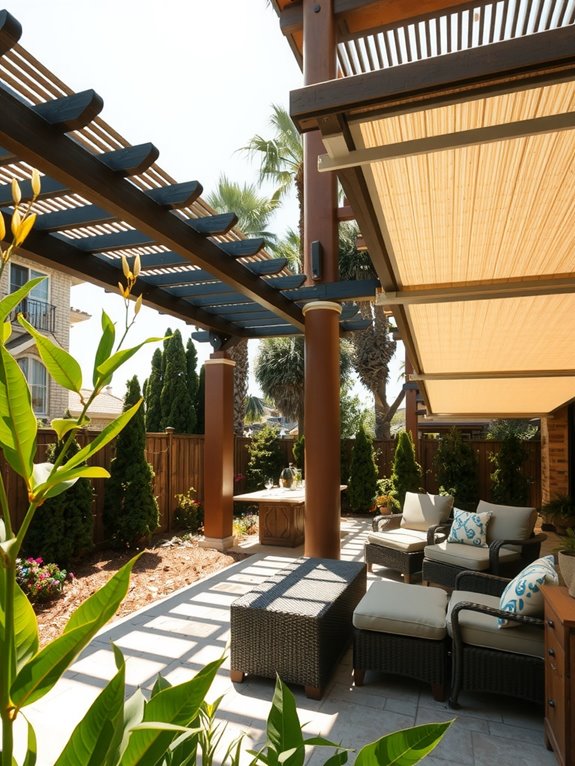
Your pergola’s purpose determines which roof option works best for your space. Four main solutions exist for covering your outdoor area.
Louvered roofs have adjustable slats that you can open or close to control sun and shade. They include built-in gutters that collect rainwater. These roofs last longer than other options and need less maintenance over time.
Solid roofs use fixed panels made from aluminum or composite materials. They block all weather and work well for outdoor kitchens or carports where you need complete protection.
Polycarbonate roofs cost the least upfront. The panels are lightweight and let some light through. However, these panels turn yellow after 3 to 5 years and do not last as long as other roof types.
Retractable fabric roofs extend when you want shade and pull back when you want an open sky. You must retract them when winds reach 25 to 35 mph, which limits when you can use them.
Louvered roofs cost more at first but offer better durability and weather protection. Polycarbonate and fabric options have lower initial costs but shorter lifespans and provide less rain protection than louvered or solid roofs.
Pergolas, Pavilions, Gazebos: What’s the Real Difference?
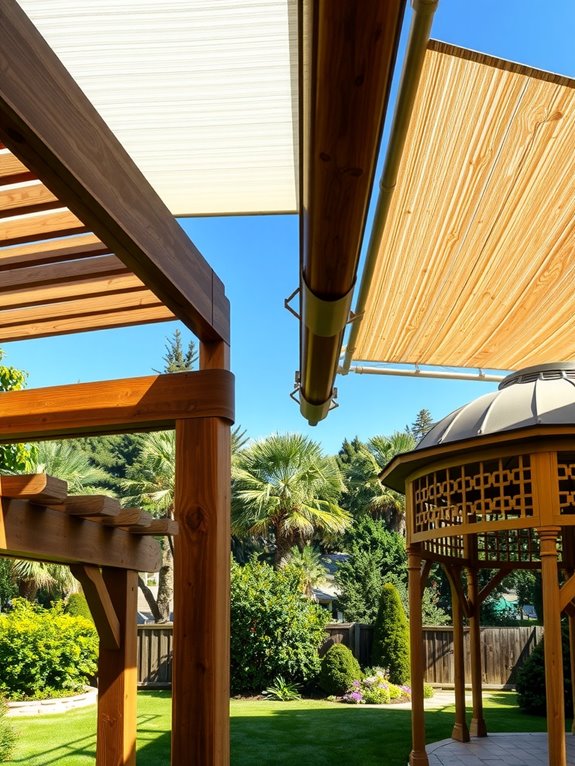
Once you’ve decided on a roof type for your outdoor structure, you’ll want to understand how pergolas compare to similar structures like pavilions and gazebos.
Pergolas have lattice slats or adjustable louvered roofs. These roofs allow sunlight to filter through while providing some shade and sun control. Pavilions feature fixed solid roof coverings that create weatherproof outdoor rooms with permanent protection from rain and weather. Gazebos are fully enclosed, free-standing structures with walls or screens that offer complete shelter on all sides.
Pergolas filter sunlight with adjustable coverage, while pavilions offer permanent weatherproof protection and gazebos provide complete enclosed shelter.
Your choice depends on how much openness you want versus how much protection you need. An open pergola lets sunlight filter through and provides limited weather protection. Louvered roofs on pergolas can close to create waterproof coverage when needed. Pavilions and gazebos offer more protection from sun and rain but have less flexibility since their roofs cannot adjust.
Consider three factors before selecting a roof type: your budget, how permanent you want the structure to be, and how much sun or shelter you need in your outdoor space.