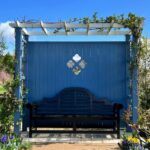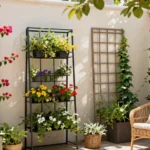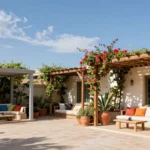
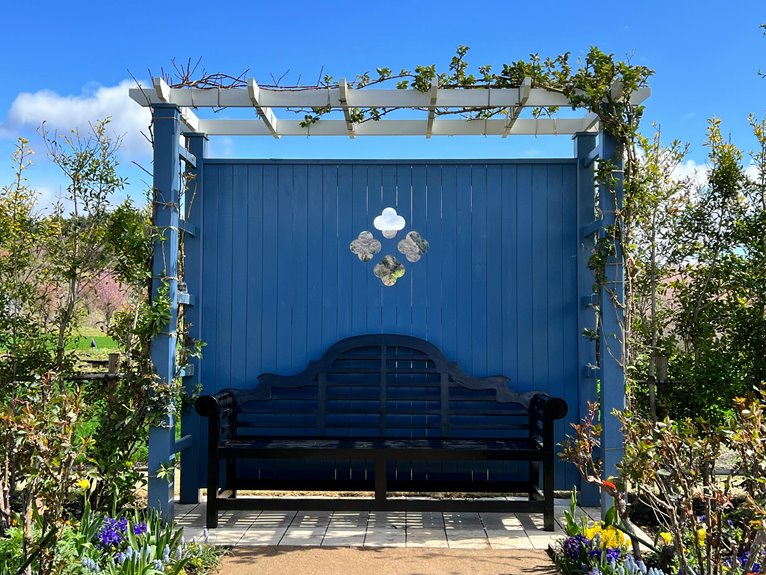
A pergola is an outdoor structure with vertical posts that support an open lattice roof. This design filters sunlight and allows air to flow through. You can attach a pergola to your home or build it as a freestanding unit anywhere in your yard. Pergolas serve several practical purposes. They define different zones in your garden, create shaded areas for sitting, and expand your usable living space outdoors.
Climbing plants can be added to a pergola for additional shade and visual interest. Clematis and trumpet vines are common choices for this purpose. These plants attach to the lattice structure as they grow.
Three main material options exist for pergola construction: wood, aluminum, and vinyl. Wood requires regular maintenance such as staining or sealing but offers a traditional appearance. Aluminum resists rust and needs minimal upkeep, though it costs more initially. Vinyl does not require painting or staining and lasts a long time without deterioration. Your choice depends on three factors: your budget, your local climate conditions, and the amount of maintenance you can manage.
What Is a Pergola? Understanding the Basics
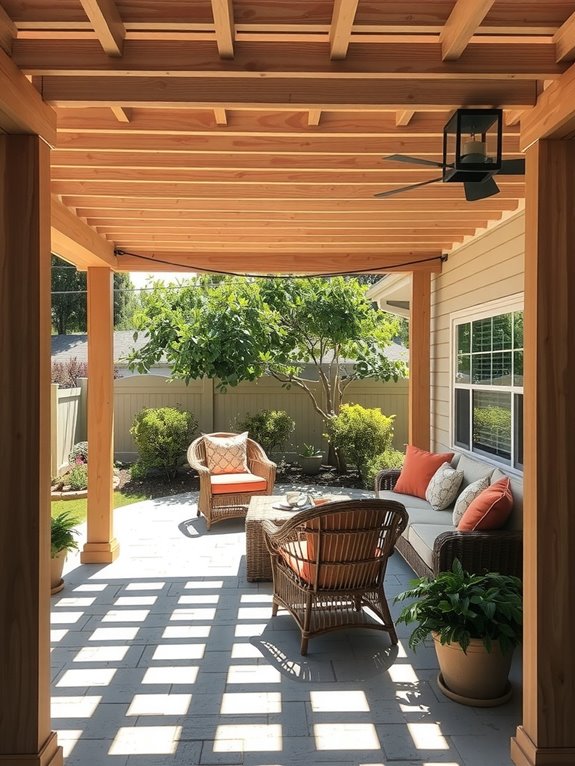
A pergola is an outdoor structure made with vertical posts or columns that support a roof-like framework of beams and rafters. This design creates a balance between shade and openness in your outdoor space.
You can build a pergola from several materials. Western Red Cedar, aluminum, and solid cellular vinyl are common choices. Each material has different durability levels and maintenance needs.
The open lattice framework allows light and air to pass through naturally. Unlike a solid roof, this design does not fully enclose your space. Instead, it defines your outdoor area while keeping an airy feel.
Pergolas can stand alone or attach directly to your home. Some modern versions include adjustable components and fabric covering options. These structures work well for seating areas, dining spaces, and growing climbing plants throughout your yard.
Why Add a Pergola to Your Outdoor Space?
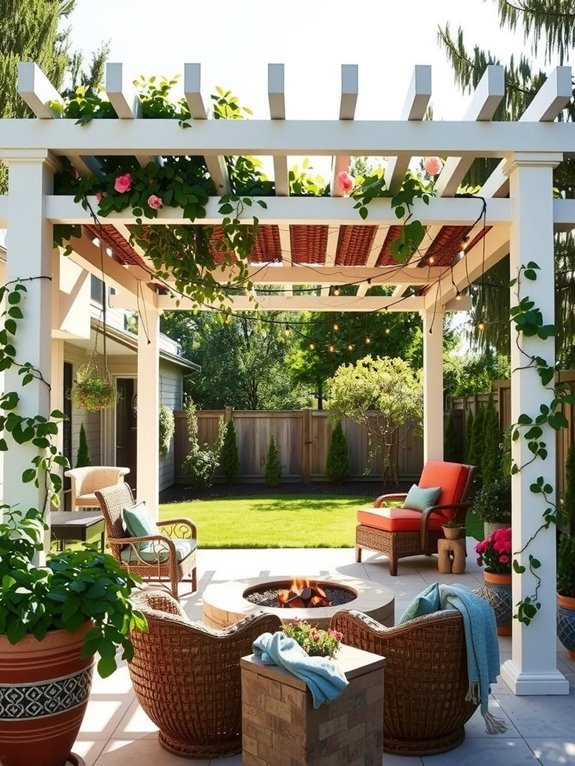
A pergola extends your outdoor living area by creating a defined zone for relaxation and entertainment. The open roof design provides shade while allowing air circulation and filtering sunlight. You can control the shade level by selecting adjustable louvers or traditional cross-beam configurations. The structure serves as a focal point that enhances your yard’s appearance and increases property value. Climbing vines such as clematis (Clematis spp.) or jasmine (Jasminum spp.) can grow on the pergola, adding visual interest through foliage and flowers. A pergola transforms underutilized outdoor space into a functional area. You can position it beside your patio, near your pool, or in your garden to create a welcoming space for your family and guests.
Pergolas vs. Gazebos: Choosing the Right Structure
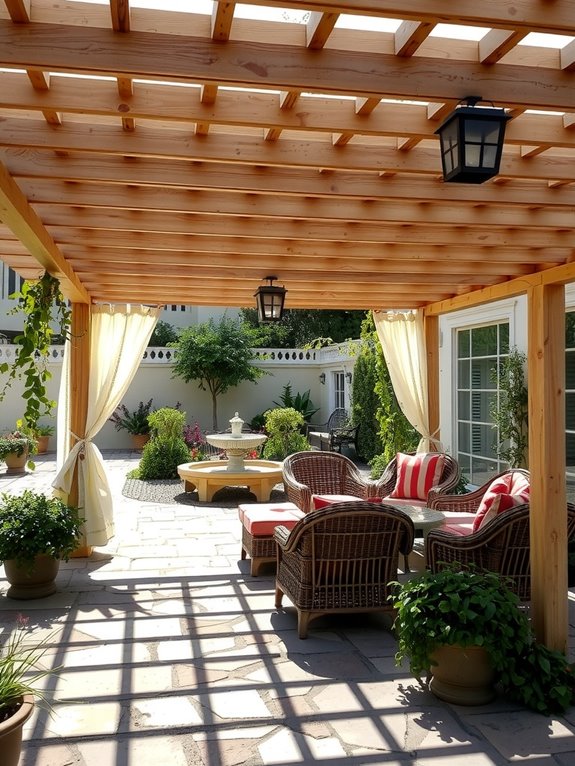
Pergolas and gazebos have different structural designs. Pergolas feature an open grid roof made of latticed beams supported by vertical posts. Gazebos have fully enclosed walls and solid roofs.
These structures provide different levels of weather protection. Pergolas allow airflow and offer partial shade through their latticed design. Gazebos provide complete coverage and shelter, making them suitable for rainy conditions.
Customization options differ between the two structures. Pergolas can be modified with adjustable louvers, retractable roofing systems, or climbing plants after installation. Gazebos typically offer fewer modification options once construction is complete.
Structural Design Differences
Roof Design and Coverage
Pergolas have open lattice or cross-beams that allow light and air to pass through. Gazebos have solid pitched roofs that provide complete shade and weather protection.
Shape and Configuration
Gazebos typically feature octagonal shapes and stand alone as independent structures. Pergolas offer flexible configurations. They can attach to your home or stand as freestanding units.
Enclosure and Airflow
Pergolas create defined outdoor areas without full enclosure. This design promotes airflow and connects spaces. Gazebos function as enclosed outdoor rooms. They shelter you from wind and rain while isolating you from the surrounding environment.
Structural Purpose and Function
Pergolas extend your living space and create transitions between indoor and outdoor areas. Gazebos serve as standalone focal points and personal retreats within your yard.
Shade and Protection Coverage
When choosing between a pergola and a gazebo, shade and weather protection matter most. Pergolas have open roofs made of beams and rafters. These structures filter light and air while providing partial shade. Gazebos have solid pitched roofs. They offer complete shade and full protection from sun and rain.
You can improve a pergola’s protection with modern upgrades. Adjustable louvers let you control the amount of light in your space. Motorized shading systems provide convenient weather control at the push of a button. Some pergolas offer 100% water-tight options when fully closed. These models combine an open-air feel with complete rain shelter.
Your choice depends on your needs. Select a pergola if you want filtered light and air movement. Choose a gazebo if you need maximum protection from the elements.
Flexibility and Customization Options
Pergolas provide more design flexibility than gazebos with fixed solid roofs. You can adjust pergola designs to fit your outdoor space and preferences.
Structural customization options include:
- Modular designs allow you to expand or reconfigure the structure when your needs change
- Freestanding installations or direct attachment to your home offer different setup choices
- Wood, aluminum, or steel materials provide varying aesthetic and durability characteristics
Light and airflow control systems include:
Modern pergolas feature motorized louvered rafters that adjust by remote control. These adjustable shading systems let you manage sun exposure and ventilation throughout the day. Manual adjustment options also exist for simpler installations.
Additional enhancement features include:
You can add climbing plants, fabric panels, or retractable screens to increase functionality. Climbing plants like clematis or ivy attach to pergola frames and provide shade over time. Fabric panels block sunlight and wind. Retractable screens create enclosed spaces for insect protection. These additions let you customize your pergola to match your specific outdoor needs and lifestyle requirements.
Attached Designs: Connecting Home to Garden
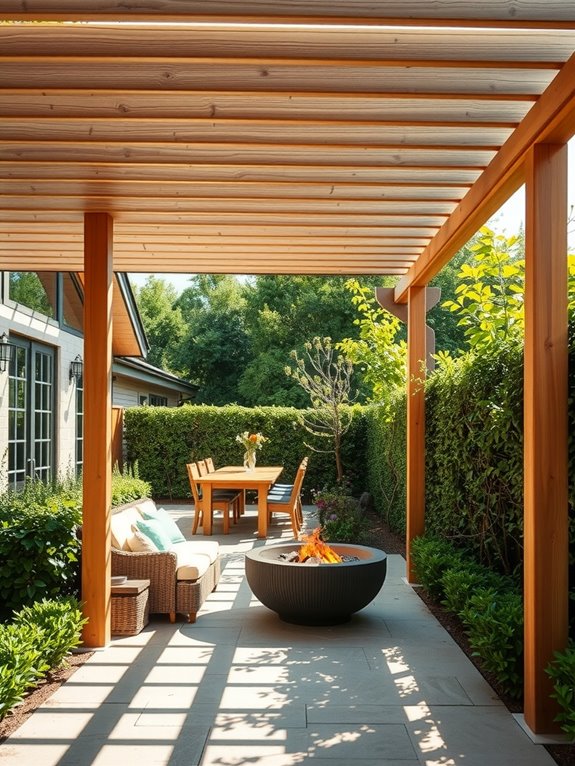
An attached pergola connects to your home’s exterior wall and extends into your yard. The structure creates a covered outdoor space that links your indoor and outdoor areas. One side fastens to your house wall. The opposite end relies on two or more vertical pillars for support. Overhead beams filter sunlight without blocking it completely.
| Feature | Benefit |
|---|---|
| Direct home connection | Easy access from indoors |
| Overhead beams | Partial sun protection |
| Two or more pillars | Structural support |
| Integrated design | Unified aesthetic |
Residential pergolas typically use two matching pillars. Longer structures need additional pillars to maintain stability and prevent sagging. Commercial dining areas frequently use attached pergolas with overhead rafters to create outdoor seating zones. This design maintains an open, outdoor feeling while providing shade coverage. The pergola functions as a transition area between your home and yard, expanding your usable living space without separating it from the house.
Freestanding Pergolas: Standalone Shade and Definition
A freestanding pergola can be placed anywhere in your yard, garden, or patio because it does not attach to your home. This independence gives you complete freedom to position the structure wherever you want. Freestanding pergolas define separate spaces within your landscape. They create distinct zones for dining areas, seating nooks, or garden focal points.
You can customize your pergola using different materials. Pressure-treated wood, aluminum, and steel are common choices. Each material has different durability levels and maintenance requirements. Pressure-treated wood costs less but requires regular sealing. Aluminum resists rust and requires minimal maintenance. Steel offers maximum strength but needs rust protection.
You can add features to enhance your pergola’s appearance and function. Climbing plants like clematis or ivy can grow on the structure. String lights provide evening illumination. Furniture placed underneath creates usable outdoor spaces. Your choices should match your style preferences and practical needs.
Versatility In Placement
Freestanding pergolas offer flexible placement options because they do not attach to your home. Consider these locations for your structure:
- Corner garden areas away from the main house
- Patio zones for outdoor dining and gatherings
- Lawn spaces that create natural focal points
- Pathways connecting different yard sections
Position your freestanding pergola in spots that receive partial sunlight. This placement captures morning shade while allowing afternoon light through the open slats. The strategy maximizes shade during hot hours without blocking air circulation.
The standalone design eliminates building attachment requirements. You can relocate the structure if your landscaping changes or your entertaining needs shift. This adaptability makes freestanding pergolas suitable for outdoor spaces that evolve over time.
Space Definition Features
Freestanding pergolas organize outdoor spaces into distinct zones without requiring permanent construction. These structures use vertical posts and overhead beams to create natural boundaries between different areas. You can position a pergola to separate your dining area from a lounge space or to mark a garden focal point.
| Feature | Function | Benefit |
|---|---|---|
| Vertical Posts | Support Structure | Stability and zone definition |
| Overhead Beams | Shade Creation | Light filtering and weather protection |
| Open Design | Space Division | Clear separation between zones |
The open lattice roof design allows you to adjust the amount of shade in your outdoor space. Freestanding pergolas work effectively in backyards, patios, and deck areas. Manufacturers construct these structures from pressure-treated wood, aluminum, or steel. These materials provide durability for defining outdoor environments while keeping sightlines open between separated zones.
Design Flexibility Options
Freestanding pergolas can be customized in multiple ways based on your needs and landscape. Since they stand alone, they are not limited by building attachments.
You have several options for adapting your pergola design:
- Material selection—wood, aluminum, and vinyl each offer different maintenance requirements and appearances
- Size and dimensions—freestanding structures range from compact 8-by-8-foot designs to larger 12-by-16-foot installations to fit your specific yard area
- Roof configuration—grid patterns vary in density to control how much light passes through and how shadows fall during different times of day
- Additional features—you can add seating, dining areas, or integrate garden elements into your outdoor space
You can position your pergola anywhere in your yard to create distinct zones. The customization options ensure your structure fits your landscape while providing the shade and entertaining space you want.
Modular Pergolas: Adjustable Shade and Sun Control
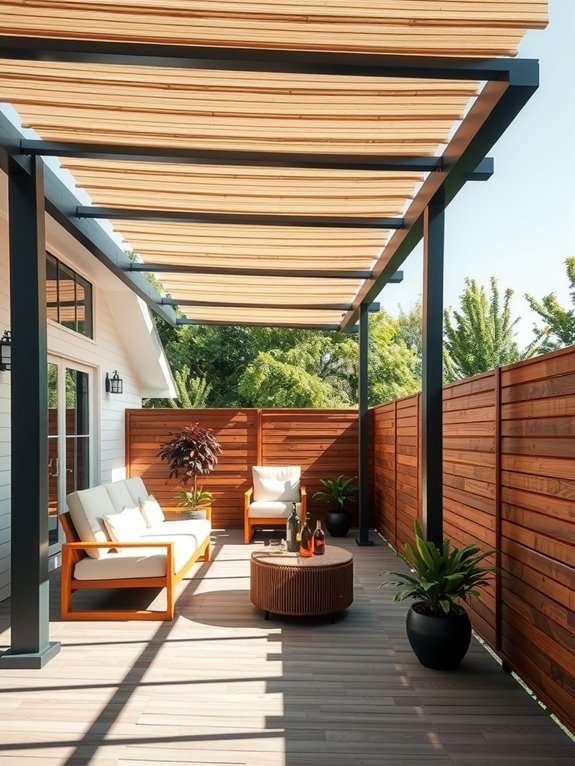
Modular pergolas provide adjustable shade through moveable rafters. You can position these rafters to match your specific needs throughout the day.
Modular pergolas feature moveable rafters that adjust throughout the day to match your specific shade and sun control needs.
Two adjustment options are available. Manual systems require hand adjustment, while automatic systems use remote controls or buttons. Some modular pergolas include motorized louvers that open and close without physical effort.
These adjustable components let you direct sunlight and shade as needed. Bright conditions work well for reading. Dimmer conditions support relaxation. You control the amount of light entering your space.
Modular pergolas fit various outdoor layouts. They adapt to different space dimensions and configurations. This flexibility makes them suitable for patios, decks, and garden areas of different sizes.
The primary benefit is optimizing your weather comfort. You manage sun exposure and airflow whenever conditions change. This control extends the usable hours of your outdoor space throughout the day and across different seasons.
Arched and Floating Pergolas: Specialty Designs
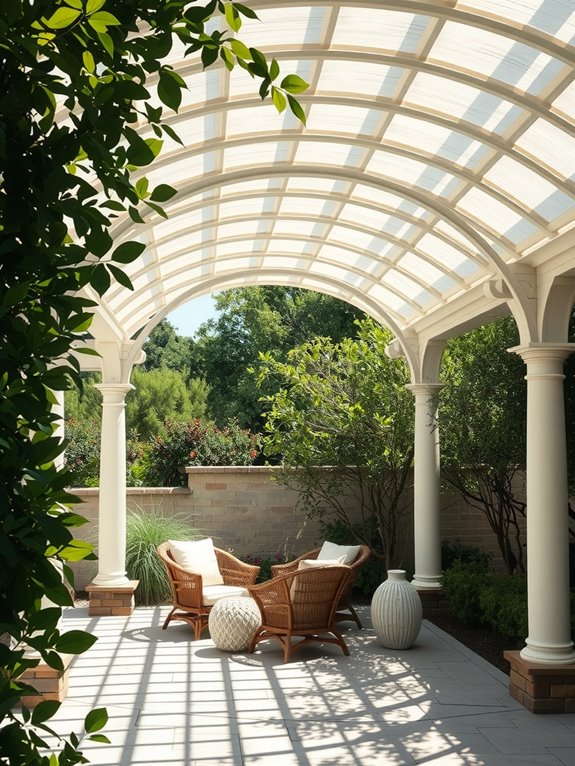
Arched pergolas differ from standard pergola designs through their curved structural elements. These structures create distinctive architectural features in outdoor spaces. Plants grow vertically along the curved frameworks, increasing visual interest across properties.
Commercial properties and nature-focused settings commonly feature arched pergolas. They span sidewalks, bridges, and pathways. Many arched designs require fewer or no support pillars.
Key features of arched pergolas include:
- Construction materials: wood, aluminum, or steel
- Side walls with multiple holes for plant weaving
- Vertical plant displays featuring flowers, vines, and foliage
- Curved designs that define pathways and establish focal points
Residential properties use arched pergolas less frequently than commercial settings. However, they work well in homes with sufficient outdoor space. The combination of plant integration and structural curves transforms outdoor areas into visually defined environments.
Pergola Materials: Wood, Aluminum, and Vinyl
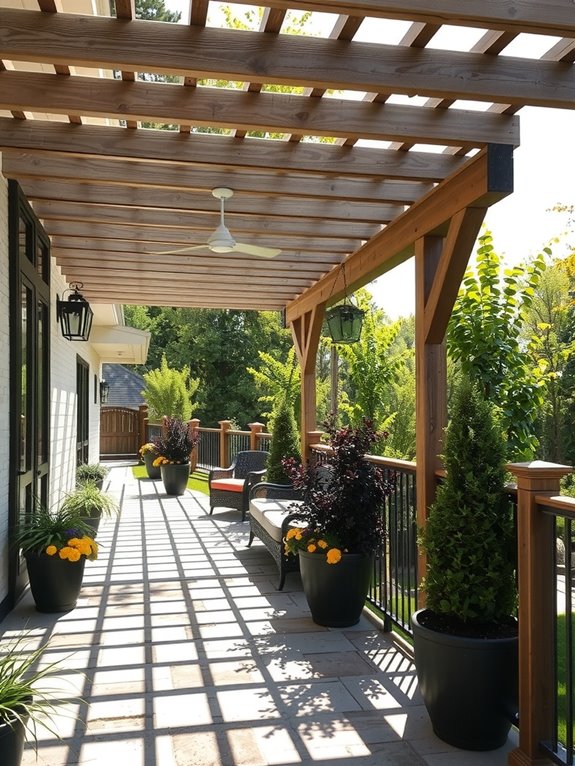
When you build a pergola, your material choice affects how long it lasts and how much maintenance it needs. Three main options exist: wood, aluminum, and vinyl. Each has different advantages.
| Material | Durability | Maintenance | Cost |
|---|---|---|---|
| Pressure-Treated Wood | 15-20 years | High | Low |
| Aluminum | 20-30 years | Low | Medium |
| Vinyl | 25-35 years | Very Low | High |
Wood provides a classic appearance. It requires regular staining and sealing to stay in good condition. Ground-contact wood resists rot when used for pillars and support posts.
Aluminum pergolas resist weather damage. They require minimal maintenance throughout their lifespan. Vinyl, made from solid cellular vinyl material, lasts 25 to 35 years with virtually no upkeep needed.
Your choice depends on three factors: your budget, your local climate, and how much time you can spend maintaining the structure. Budget-conscious builders often select wood despite higher maintenance demands. Those willing to spend more upfront choose aluminum or vinyl to reduce long-term care requirements.
How Large Should Your Pergola Be? Sizing for Your Space
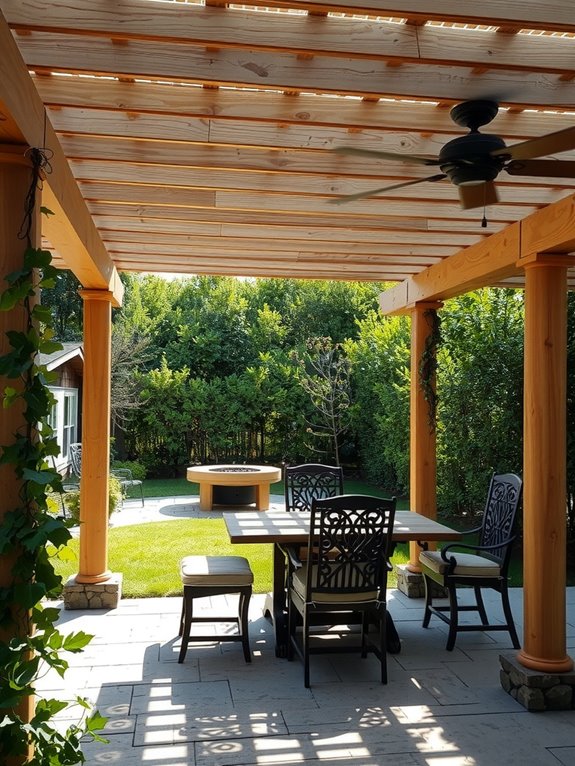
Once you’ve selected your pergola material, determining the right size becomes your next consideration. Your pergola size depends on how you’ll use the space and what fits your yard’s outdoor dimensions.
Measure your outdoor area first. This ensures your pergola doesn’t overcrowd the yard. Plan for 8 to 10 feet of width and 12 to 15 feet of length for comfortable seating areas. Account for clearance around the structure so you can walk freely, and leave room for furniture, planters, and movement within your gathering space.
A smaller pergola works well for intimate lounging spots. Larger pergolas accommodate outdoor dining or multiple seating zones. Match your pergola’s dimensions to your intended purpose and available space. This approach creates functional outdoor areas that enhance your home’s usability.
Enhancing Your Pergola With Climbing Plants and Vines
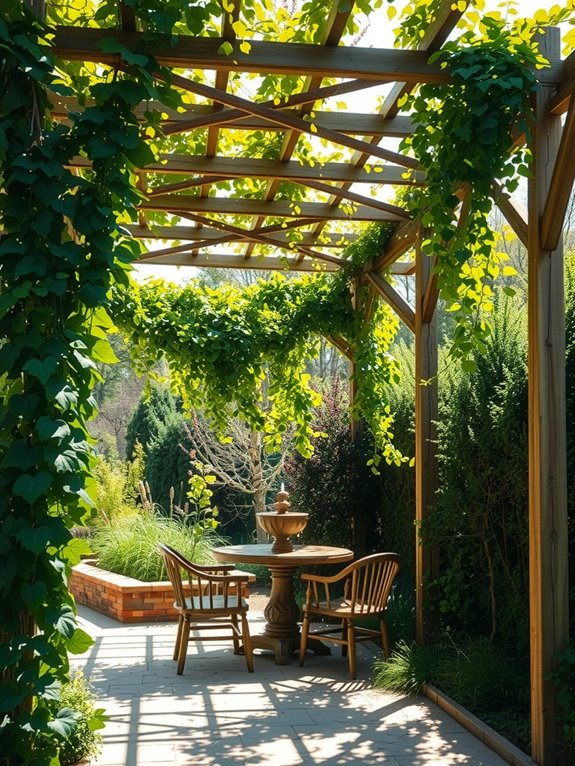
You can enhance your pergola by selecting climbing plants such as trumpet vines (Campsis) and clematis (Clematis species). These plants grow around the beams and provide shade. They also soften the hard lines of the structure.
Sturdy support systems and proper trellises are necessary for safe growth. These installations prevent damage to the pergola’s framework. Without adequate support, heavy vines can stress the wooden or metal beams.
Fast-growing vines require regular seasonal pruning and maintenance. Pruning keeps the plants under control and prevents overgrowth. Overgrowth can compromise the structural integrity of your pergola. Most climbing vines benefit from pruning in late winter or early spring before new growth begins. Some varieties may need additional pruning in summer to manage their size.
Best Climbing Plant Options
How can climbing plants convert your pergola into a shaded retreat? Vines attach to your structure and provide natural shade while adding visual interest to the space.
Several hardy options work well for pergolas. Trumpet vines grow vigorously and produce tubular flowers that attract wildlife to your yard. Clematis varieties offer seasonal blooms and climb readily along beams. Sun-loving climbers ensure year-round greenery and vigorous growth patterns.
Fragrant vines add sensory appeal while creating vertical interest. These plants climb effectively along pergola structures and contribute color and seasonal blooms to your outdoor space.
Proper planting technique matters for success. Attach vines directly to posts or rafters using trellis netting or wires. This approach controls growth and guides plants along cross-beams. Hardy, sun-loving selections weave around pergola structures effectively, enhancing architectural lines while you enjoy the shade and benefits they provide.
Installation and Support Techniques
Installation and Support Techniques
Setting up climbing plants correctly on your pergola structure ensures they will grow well and provide the shade you want. You need sturdy support systems that can handle plant growth without harming the framework.
Install trellises or wire grids along the pergola beams where vines will climb. Space horizontal supports 12 to 18 inches apart to provide plants with adequate grip points. Use soft plant ties or clips instead of wire, which can cut into stems as they grow thicker.
Mount your pergola securely to handle the weight of mature plants. Position climbing plants such as clematis or trumpet vines near their designated growing areas. Space plants 2 to 3 feet apart to allow airflow and reduce disease problems.
Seasonal Care and Maintenance
Climbing plants on a pergola require regular attention throughout the year. Proper seasonal care keeps vines healthy and prevents damage to the structure.
Follow these maintenance steps:
- Guide new growth along beams during spring and summer months
- Prune regularly to maintain airflow and prevent overcrowding of foliage
- Remove dead wood immediately to prevent pest infestations
- Inspect vines monthly and assess their health throughout the year
In winter, some climbers like clematis shed their leaves or die back completely. The plant dies back to ground level or to woody stems, depending on the variety. Monthly inspections reveal which plants survived the cold season. Replace any plants that did not recover. This routine maintenance ensures your pergola stays attractive year-round while protecting both the structure and your plant investment.
Pergola Lighting and Climate Control Features
Modern pergolas serve as functional outdoor structures during both day and night. Lighting systems and climate control features extend usability after sunset and protect against weather.
Lighting options include string lights, lanterns, and chandeliers. These fixtures attach to rooflines, columns, and walls. Solar lighting provides power without electrical connections. LED lighting supports evening entertainment and gatherings.
Climate control systems manage sun and rain exposure. Motorized adjustable louvers open and close to control shade levels. Watertight roofs block rain and intense sunlight. These features maintain the open-air design while improving comfort.
Poolside pergolas benefit from adjustable systems like Eclipse Hybrid Adjustable Pergolas. These models offer flexible shade control for different times of day. Integrated fan bars and LED lighting support entertaining activities during evening hours.
| Feature | Location | Benefit |
|---|---|---|
| String lights | Roofline | Ambient glow |
| Motorized louvers | Roof | Sun and rain control |
| LED lighting | Integrated | Evening entertainment |
| Solar options | Columns | Eco-friendly power |
What You’ll Actually Spend: Material and Feature Pricing
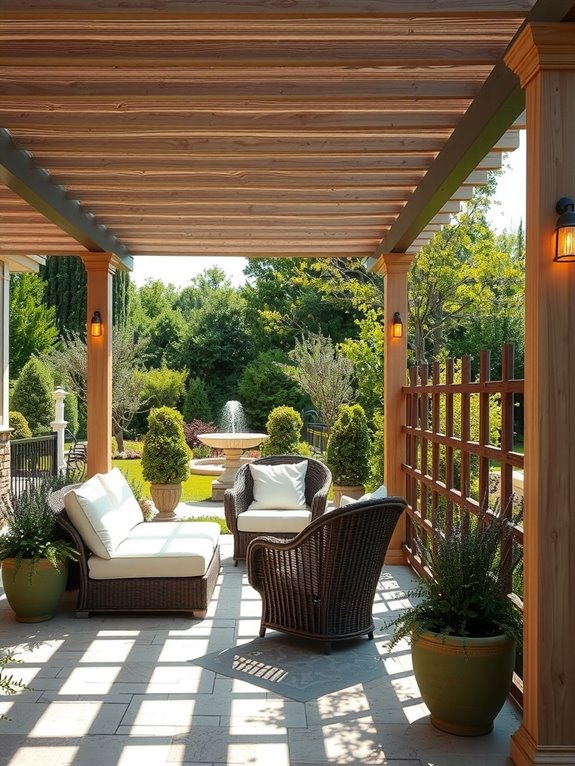
When you’re ready to buy a pergola, you’ll encounter three main pricing categories. Pre-made kits typically cost between $1,200 and $5,000. Custom builds range from $4,000 to $10,000 depending on size and added features. Material costs vary significantly based on your selection.
You can choose from solid vinyl, aluminum, or Western Red Cedar. Wood requires more maintenance than metal or vinyl alternatives. Premium features like adjustable louvers or motorized screens for sun and weather control add to the expense.
Installation method affects your total spending. DIY kit installation costs less than hiring professionals. Professional installation increases labor costs but ensures quality results.
Pre-Made Kit Pricing
How much should you expect to spend on a pergola? Pre-made pergola kits offer an affordable entry point into outdoor structure ownership. Several pricing options exist.
Basic kits range from $1,200 to $2,500. Mid-range kits cost $2,500 to $4,000. Premium kits fall between $4,000 to $5,000. Custom options exceed $5,000 and can reach up to $10,000.
Installation costs vary based on your choice. DIY installation using pre-made kits reduces expenses because you handle the labor yourself. Hiring professionals adds substantial costs to your total investment.
Material selection affects pricing. Wood costs less than aluminum or steel options. Your climate influences which materials work best. This choice impacts both price and longevity. Ground-contact wood for pillars prevents rot and extends your structure’s lifespan. Above-ground wood beams require different treatment approaches than ground-contact wood.
Custom Build Investment
Custom-built pergolas give you complete control over design and materials. The upfront cost is higher than pre-made kits. You will typically invest $4,000 to $10,000 for a custom pergola. The final price depends on size and complexity.
| Material | Cost Range | Maintenance |
|---|---|---|
| Wood | $4,000–$7,000 | High |
| Aluminum | $6,000–$9,000 | Low |
| Steel | $5,500–$10,000 | Low |
| Vinyl | $5,000–$8,500 | Low |
Your material choice affects both initial cost and long-term expenses. Wood costs less at the start but requires regular protection and sealing. Aluminum and steel cost more initially yet need minimal maintenance. Professional installation adds labor fees to your total investment. The professional work ensures quality craftsmanship.
You can request integrated lighting or motorized louvers for additional cost. These features increase your total investment. Consider upfront expenses, durability, and climate conditions when making your choice. This approach helps you select the right pergola for your outdoor space.
Material Cost Factors
Your material choice affects both the initial price and long-term expenses of your pergola. Different materials have different costs and durability levels.
Pressure-treated wood costs less at first. It needs regular maintenance to prevent rot. Aluminum and steel require less upkeep but cost more initially. Western Red Cedar resists weathering naturally but has a higher upfront price. Composite materials fall between wood and metal options in both price and durability.
Ground-contact wood stops rot in support pillars. Above-ground beams use standard wood since they stay dry. The wood in contact with soil lasts longer when treated properly.
Consider both immediate costs and future maintenance together. Aluminum removes the need for ongoing treatment and upkeep. Wood requires periodic maintenance and retreatment. Match your durability expectations to your budget and willingness to maintain the structure.
Weatherproofing, Maintenance, and Budget: Real Challenges and Solutions
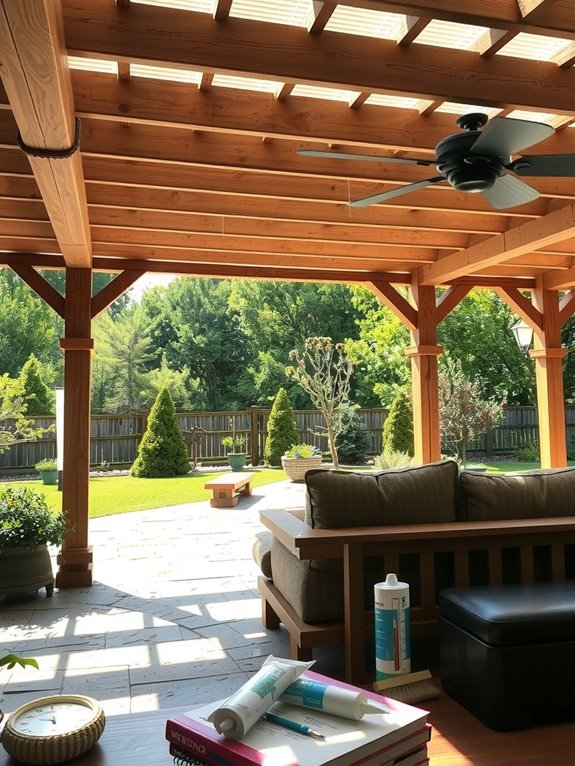
Before you install a pergola, understand the real costs and upkeep involved. Weatherproofing determines how well your outdoor space stays protected year-round.
Understanding pergola costs and weatherproofing is essential before installation to ensure year-round outdoor protection.
Open roof designs allow light and airflow. However, they provide incomplete rain or sun protection without upgrades. Modern motorized louvers and watertight roofs extend usability during different seasons. These upgrades increase your initial budget.
Material choice affects maintenance needs significantly. Wood pergolas require regular sealing or staining to resist weather damage and pests. Aluminum and vinyl options resist corrosion and rot with minimal upkeep. These materials cost more upfront than wood.
Budget planning matters when deciding your total investment. Pre-made kits range from $1,200 to $5,000. Custom builds exceed $10,000. Plan for ongoing maintenance costs in addition to the initial purchase price.
DIY or Hire a Pro? Installation Decisions
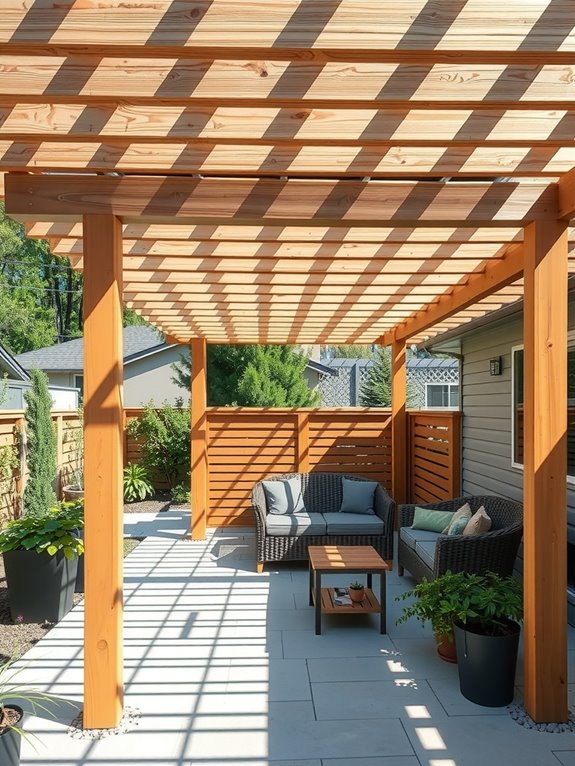
How you install your pergola depends on your skill level, available time, and budget. You have two main options.
DIY pre-made kits cost $1,200–$5,000. These kits come with materials and instructions that let you assemble the structure yourself. Custom builds range from $4,000–$10,000 or more. A custom build offers a design tailored to your specific space and preferences. Professional installation adds labor costs to your project. This option saves you time and ensures quality workmanship.
Your choice of materials affects both the difficulty level and how long the pergola will last. Wood, aluminum, steel, fiberglass, and concrete pillars are common options. Pressure-treated wood costs less money but requires more maintenance over time. Aluminum needs less upkeep than wood. Consider whether you will attach your pergola to your home or build it as a freestanding structure. Your installation decision shapes your overall project timeline and final investment.
Seasonal Maintenance by Material Type
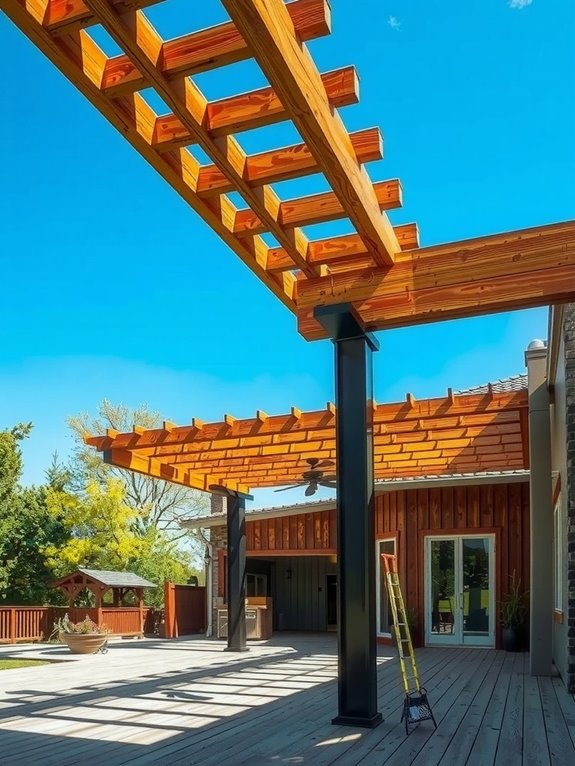
Maintenance schedules depend on your pergola’s material. Wood structures need more frequent seasonal care than aluminum or vinyl options.
Spring maintenance for wood pergolas includes three main tasks. First, inspect all fasteners to ensure they remain tight. Second, check the lumber for rot or cracks in the surface. Third, apply sealant to any exposed wood to protect it from moisture.
Summer care focuses on moisture management. Clear debris from the structure and trim nearby plants to reduce excess moisture buildup around the wood.
Autumn preparation involves two steps. Remove fallen leaves that accumulate on and around the pergola. Apply protective coatings to the wood before winter weather arrives.
Winter upkeep requires snow removal from the structure and inspection for frost damage to fasteners and wood joints.
Aluminum and vinyl pergolas require significantly less maintenance. These materials need only occasional cleaning and rust prevention measures. Unlike wood, they do not absorb moisture or develop rot.
Understanding your material’s specific maintenance needs extends your pergola’s lifespan and keeps it functioning properly year-round.