What is a trellis? At its core, a trellis is a versatile garden structure designed to support and guide the growth of climbing plants, such as vines, roses, or beans. It typically consists of an open framework made from materials like wood, metal, or plastic, allowing plants to weave through it while providing stability and aesthetic appeal. Beyond its basic utility, a trellis can transform a plain garden into a lush, vertical oasis, enhancing both the visual and functional aspects of outdoor spaces.
Defining a Trellis: Exploring its Purpose and Function
To truly understand what is a trellis, we must delve into its foundational elements and historical context. Originating from ancient agricultural practices, a trellis has evolved from simple wooden lattices used in Roman vineyards to modern, engineered designs that blend form and function seamlessly. This structure is essentially an open grid or framework that provides a physical support system for climbing plants, preventing them from sprawling on the ground and instead encouraging upward growth. The primary purpose of a trellis lies in its ability to maximize vertical space in gardens, which is especially beneficial in smaller urban settings where horizontal real estate is limited. By training plants to climb, a trellis not only promotes healthier growth through better air circulation and sunlight exposure but also creates a natural barrier or privacy screen.
Moreover, the function of a trellis extends far beyond mere plant support; it plays a crucial role in garden design and ecosystem dynamics. For instance, in permaculture systems, a trellis can facilitate companion planting, where climbing vegetables like peas or cucumbers are paired with base crops to optimize soil nutrients and pest control. This multifunctional aspect makes it an indispensable tool for gardeners aiming to create sustainable, productive environments. What is a trellis, then, but a bridge between human ingenuity and natural growth patterns? Its design allows for creative customization, whether you’re using it to frame a garden path, define property lines, or even integrate it into architectural features like pergolas. By exploring these purposes, gardeners can appreciate how a trellis not only supports plant life but also enhances the overall harmony of a landscape.


Types of Trellises: A Guide to Materials, Designs, and Applications
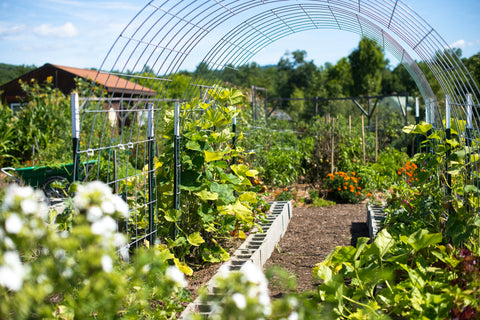
When considering the various types of trellises, it’s essential to recognize the diversity in materials that influence their durability and aesthetic appeal. Wooden trellises, crafted from cedar or redwood, offer a classic, rustic charm that blends naturally with garden settings, making them ideal for cottage-style gardens. These materials are lightweight and easy to customize but require regular treatment to resist rot and insects. In contrast, metal trellises, often made from wrought iron or aluminum, provide superior strength and longevity, perfect for withstanding harsh weather conditions in coastal or windy areas. Then there are synthetic options like vinyl or PVC, which are low-maintenance and resistant to fading, appealing to those seeking a modern, hassle-free solution. Each material not only affects the trellis’s lifespan but also its integration into different applications, such as vertical gardening in urban balconies or large-scale vineyard supports.
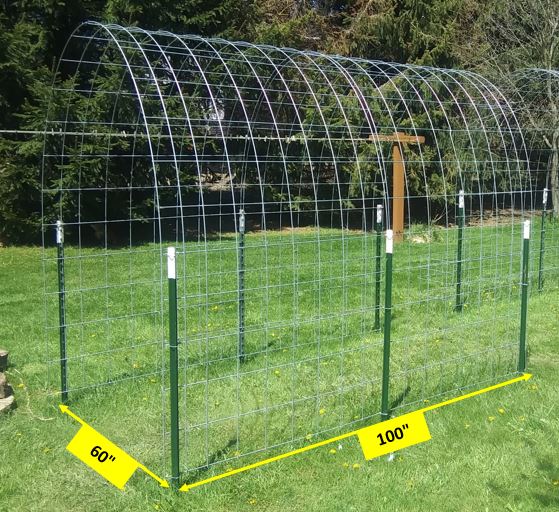
The designs of trellises can range from simple panels to elaborate arched structures, each tailored to specific gardening needs. For example, a fan-shaped trellis is excellent for showcasing flowering vines like clematis, creating a focal point in flower beds, while a lattice panel might be used for espalier training of fruit trees, promoting efficient space use. Applications extend to practical uses, such as in hydroponic systems where trellises support fast-growing vines in controlled environments, or in ornamental gardens where decorative designs enhance curb appeal. What is a trellis in this context? It’s a customizable tool that adapts to various scales, from small indoor herb gardens to expansive agricultural fields, allowing gardeners to experiment with vertical farming techniques that boost yield and biodiversity.

Benefits of Using a Trellis: Aesthetics, Functionality, and Plant Health
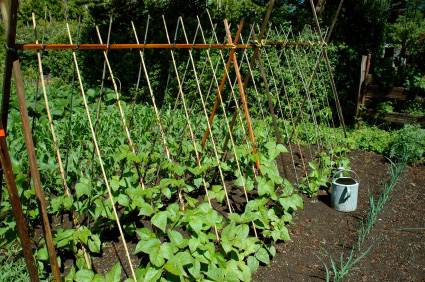
One of the most compelling benefits of using a trellis is its profound impact on a garden’s aesthetics, transforming mundane spaces into visually stunning features. A well-placed trellis can act as a living wall, covered in blooming jasmine or ivy, adding layers of texture and color that draw the eye and create a sense of depth. This not only elevates the overall design but also integrates the structure into the landscape, making it feel like an extension of the natural environment. Functionally, trellises optimize space by encouraging vertical growth, which is particularly advantageous in compact gardens or balconies, allowing for a greater variety of plants without overcrowding. Beyond aesthetics, the functionality extends to practical uses like shading patios or providing privacy, turning a simple framework into a multifunctional asset.
When it comes to plant health, a trellis offers significant advantages that go beyond surface-level benefits, fostering an environment where plants thrive. By elevating plants off the ground, trellises reduce the risk of soil-borne diseases and pests, as leaves and fruits are less likely to touch damp soil, promoting better air flow and reducing fungal issues. This structure also ensures optimal sunlight exposure, which is crucial for photosynthesis and fruit production in climbing varieties like tomatoes or grapes. What is a trellis but a guardian for plant vitality? It supports not only physical growth but also encourages stronger root systems and higher yields, making it an essential component for organic gardening practices that prioritize sustainability and health.
Choosing the Right Trellis: Factors to Consider for Your Garden
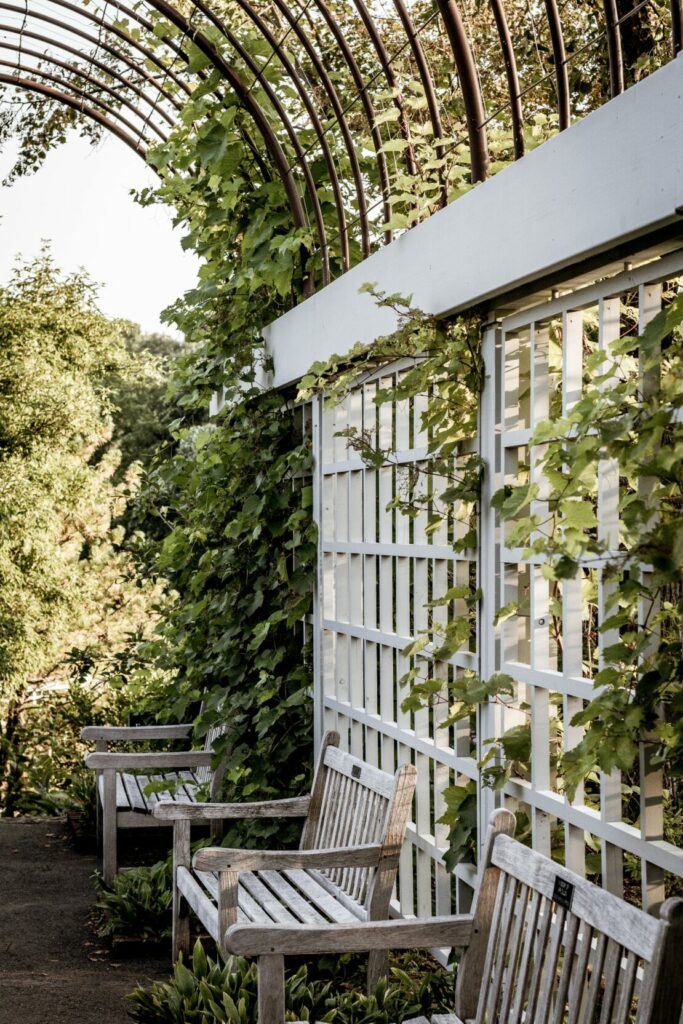
Selecting the ideal trellis involves evaluating several key factors, starting with the specific needs of your garden and the plants you intend to grow. Climate plays a pivotal role; for instance, in regions with heavy rainfall, opting for rust-resistant materials like galvanized steel ensures longevity, while in arid areas, lightweight wooden options might suffice to avoid overwhelming delicate soil structures. Consider the scale of your garden as well— a small balcony might benefit from a compact, foldable trellis for portability, whereas a large backyard could accommodate a permanent, arched design to create divisions or pathways. Plant compatibility is another crucial element; vining plants with heavy fruits, such as pumpkins, require sturdy supports, whereas lighter climbers like morning glories can thrive on more delicate frameworks. Ultimately, what is a trellis if not a personalized choice that aligns with your gardening goals, budget, and environmental conditions?
Beyond initial considerations, think about long-term maintenance and integration into your landscape. A trellis that complements your home’s architecture, such as a wrought-iron design for a Victorian-style house, not only enhances visual appeal but also increases property value. Factors like ease of installation and adjustability are vital; modular trellises allow for easy expansion as your garden evolves, while fixed ones offer stability for permanent features. Engaging with these aspects ensures that your selection promotes not just immediate functionality but also sustained enjoyment, turning the process of choosing a trellis into an opportunity for creative expression and thoughtful planning.


Installing a Trellis: Step-by-Step Instructions and Best Practices
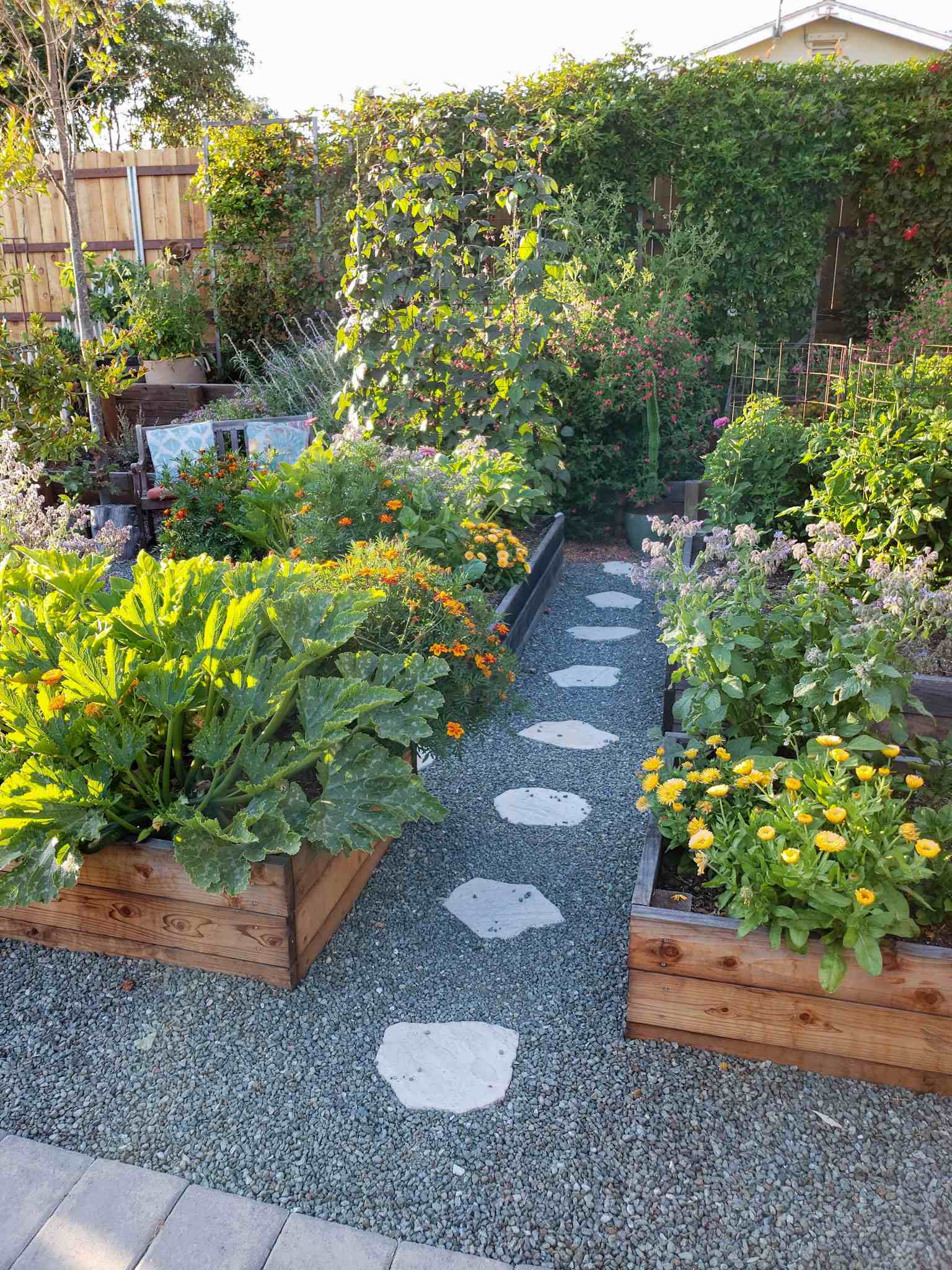
Installing a trellis begins with thorough preparation, ensuring that the site is suitable and the materials are ready for assembly. Start by selecting a location that receives adequate sunlight for your plants—typically six to eight hours a day—and check for stable ground to prevent shifting. Gather your tools, including a level, screws, and posts, and measure the area to fit your trellis design precisely. For a basic wooden panel trellis, begin by digging holes for the support posts, about two feet deep, and secure them with concrete for added stability in windy areas. Attach the lattice framework using galvanized screws to avoid rust, and use a level to ensure everything is straight. This step-by-step approach not only guarantees a secure installation but also minimizes future adjustments, making the process efficient and rewarding.
Best practices for installation go beyond the basics, incorporating techniques that enhance durability and safety. Always consider the weight of mature plants; reinforce joints with brackets if you’re dealing with heavy vines to prevent collapse. In regions prone to extreme weather, anchor the base with guy wires or stakes for extra support. What is a trellis without proper installation? It’s merely potential; by following these guidelines, you ensure it becomes a functional, long-lasting feature. Additionally, integrate eco-friendly practices, like using recycled materials or positioning the trellis to maximize natural drainage, to create a sustainable setup that benefits both your garden and the environment.
Maintaining Your Trellis: Ensuring Longevity and Optimal Performance
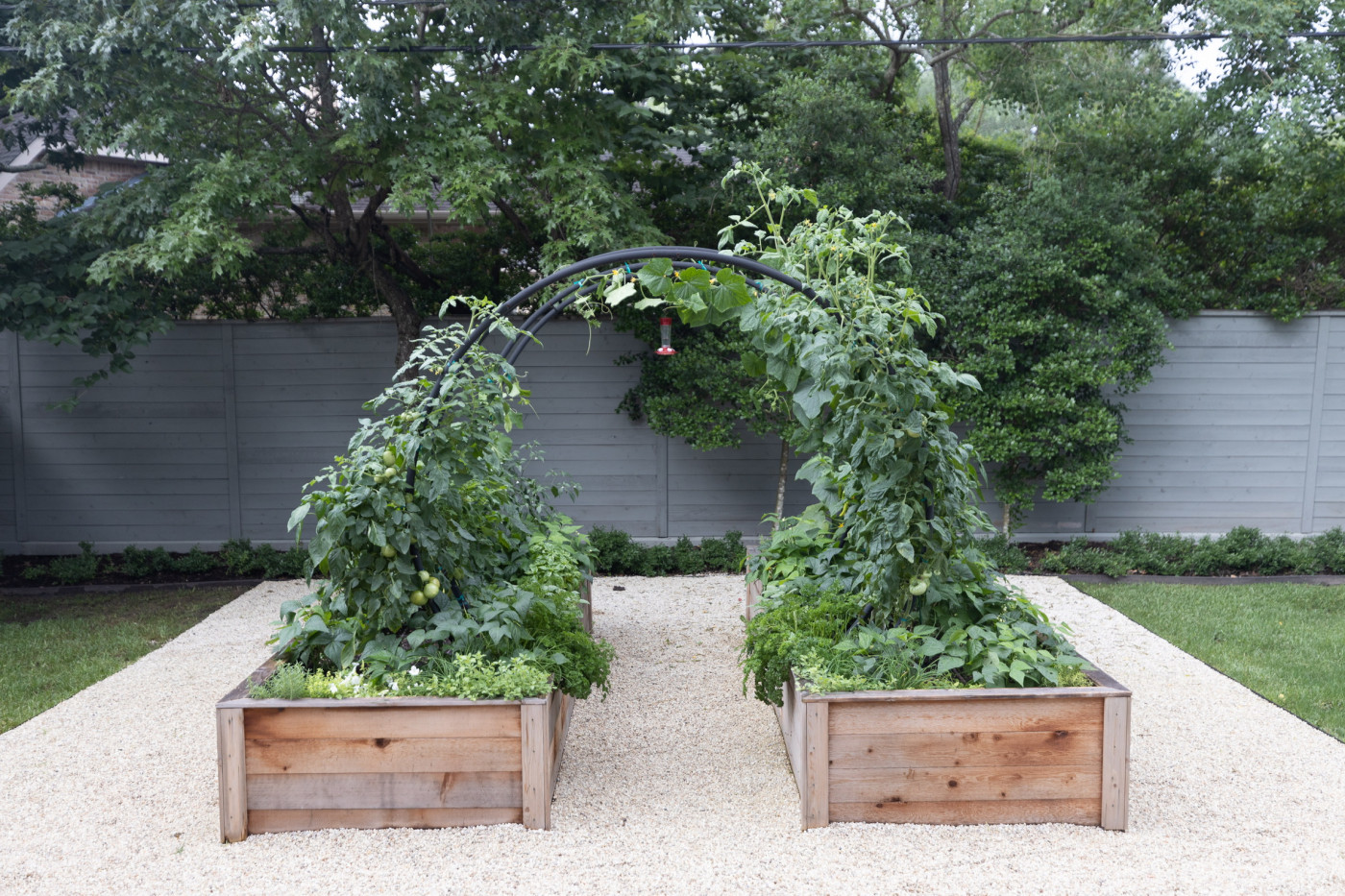
Maintaining a trellis is key to preserving its structural integrity and supporting healthy plant growth over the years. Regular inspections should be conducted at least twice a year, checking for signs of wear such as loose joints, rust, or wood rot, and addressing issues promptly to prevent escalation. For wooden trellises, apply a weatherproof sealant every one to two years to protect against moisture and UV damage, while metal versions might require a fresh coat of paint or rust inhibitor. Cleaning is another vital aspect; gently remove debris and dead plant material using a soft brush or hose to promote air circulation and reduce disease risk. By incorporating these routines, you not only extend the lifespan of your trellis but also maintain an environment where plants can flourish without hindrance.
Optimal performance maintenance involves adapting to seasonal changes and plant needs, ensuring the trellis remains a dynamic part of your garden. In winter, for example, prune back vines to lighten the load and prevent damage from snow or ice, and in spring, reinforce any weak spots before new growth begins. What is a trellis if not a commitment to ongoing care? It requires monitoring for pest infestations, as the structure can attract unwanted visitors, and applying organic treatments to keep everything balanced. Through proactive maintenance, your trellis will continue to deliver aesthetic and functional benefits, evolving with your garden and providing a reliable support system season after season.
Conclusion
In summary, what is a trellis? It is far more than a simple garden accessory; it is a multifaceted structure that enhances plant health, optimizes space, and adds beauty to any landscape. From defining its core purposes and exploring various types to understanding the benefits, selection, installation, and maintenance, a trellis serves as a vital tool for gardeners seeking both functionality and aesthetic appeal. By carefully considering factors like materials, design, and ongoing care, individuals can create sustainable, thriving gardens that reflect their personal style and environmental goals.