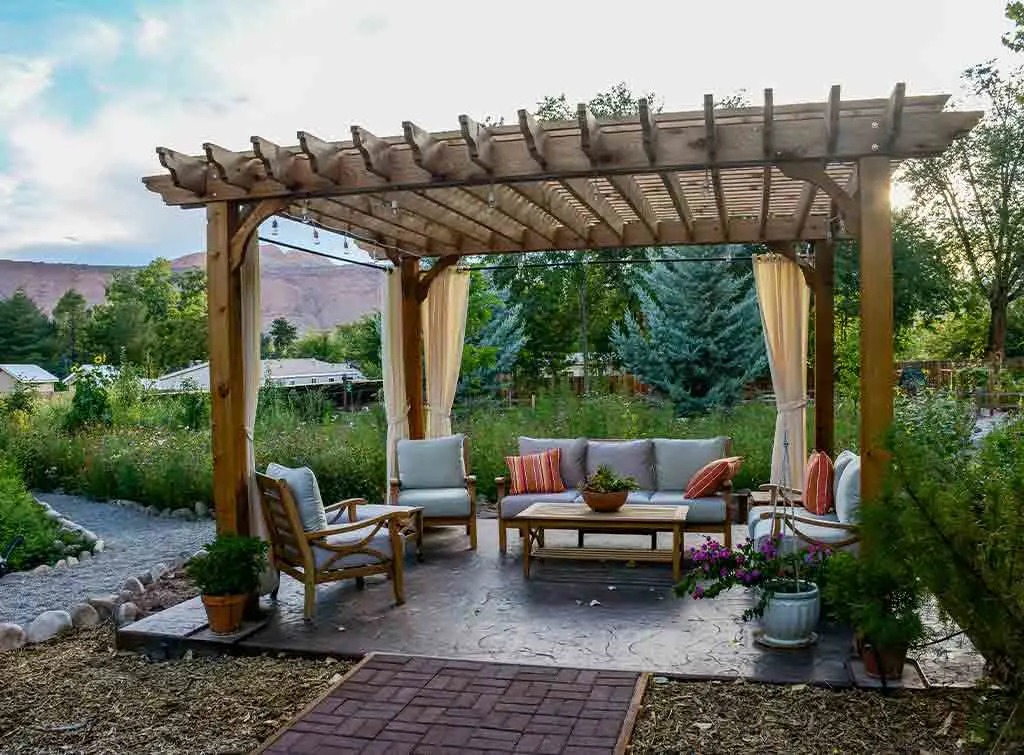
What is a pergola? At its core, a pergola is an outdoor structure that consists of vertical posts supporting a lattice or open framework of beams and rafters, creating a shaded walkway or seating area in your garden. This versatile addition to outdoor spaces not only provides partial shade and a sense of enclosure but also serves as a beautiful architectural element that blends functionality with aesthetic appeal, making it a popular choice for homeowners looking to enhance their backyards.
Defining a Pergola: Structure and Purpose
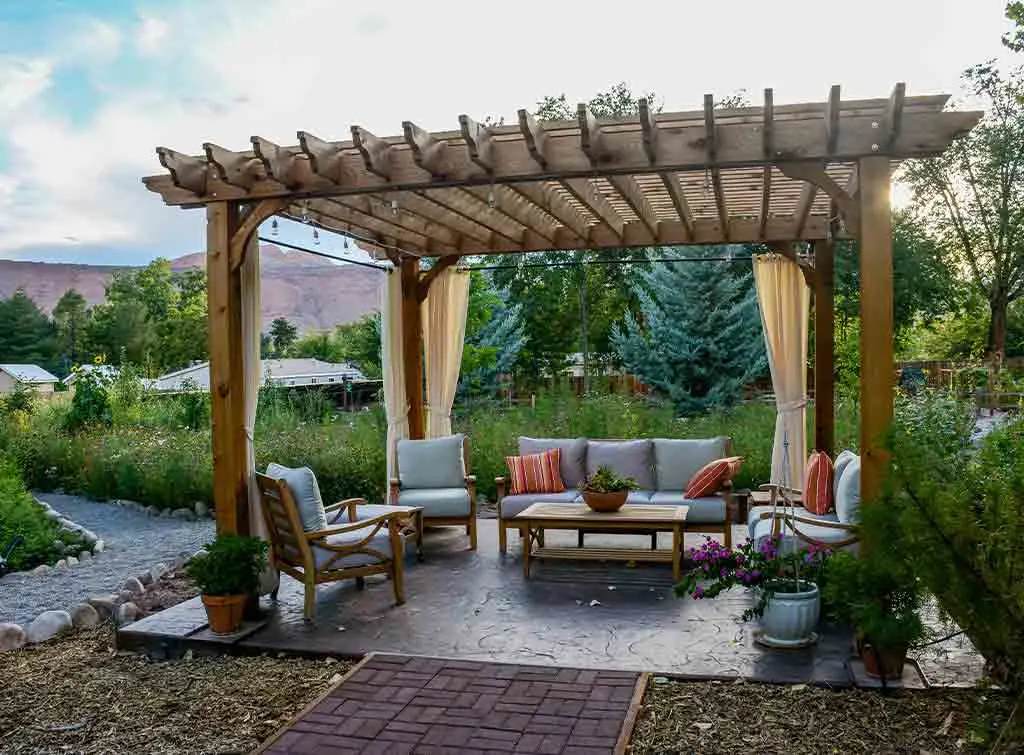
A pergola is more than just a simple garden fixture; it’s a thoughtfully designed structure that has evolved over centuries to become a staple in landscape architecture. Originating from ancient Roman and Greek designs, where it was used as a shaded walkway in gardens and villas, a pergola today typically features a series of upright posts connected by an overhead grid of crossbeams. This framework allows for the growth of climbing plants, vines, or flowers, which weave through the lattice to create a natural canopy. The primary purpose of a pergola is to offer a semi-enclosed outdoor space that protects users from the harsh sun while still allowing breezes and natural light to filter through. In modern contexts, it serves as an extension of indoor living, providing a dedicated spot for relaxation, dining, or even hosting events, all while adding a touch of elegance to the surrounding landscape.
What makes a pergola particularly appealing is its adaptability to various environments and needs. For instance, it can be freestanding in a large yard or attached to a house, acting as a transition between indoor and outdoor areas. This structure not only defines spaces but also influences how people interact with their outdoor settings, encouraging activities like reading, yoga, or social gatherings. Beyond its basic form, a pergola embodies a blend of art and utility, reflecting the user’s personal style through custom designs, and it stands as a testament to how simple elements can transform ordinary spaces into inviting retreats.



Key Features and Design Elements of Pergolas
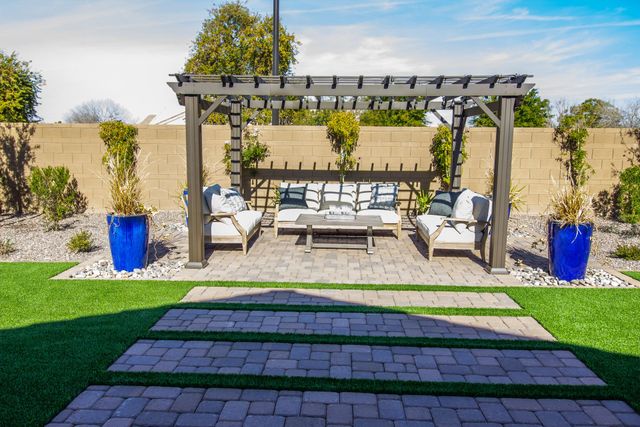
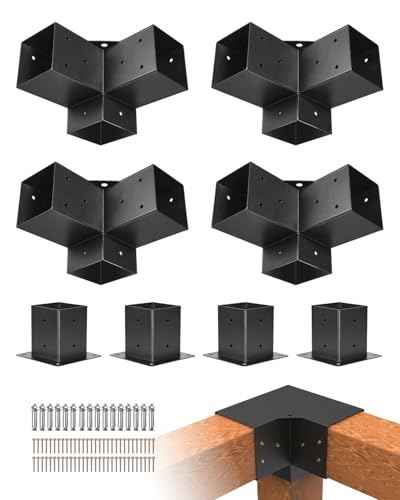
One of the standout features of a pergola is its open-roof design, which differentiates it from fully enclosed structures like gazebos. This lattice top, often made from wooden beams or metal rods, allows sunlight to dapple through, creating dynamic light patterns that change throughout the day. Key design elements include the height and spacing of the posts, which can range from 8 to 12 feet to accommodate different uses, and the angle of the rafters, which might be adjusted for optimal shade in specific climates. Additionally, many pergolas incorporate adjustable louvers or retractable canopies, enabling users to control the amount of sunlight and privacy, making it a highly customizable feature for modern homes.
Design elements extend to aesthetic choices that enhance the overall appeal, such as incorporating curved beams for a more organic feel or straight lines for a contemporary look. Pergolas can be adorned with integrated lighting, such as string lights or LED strips woven into the framework, to extend usability into the evening hours. This not only adds ambiance but also highlights the structure’s architectural beauty, turning it into a focal point in the garden. By considering factors like material finishes, color schemes, and even built-in benches or planters, homeowners can create a pergola that harmonizes with their existing outdoor decor, making it a personalized extension of their living space.


Materials Commonly Used in Pergola Construction
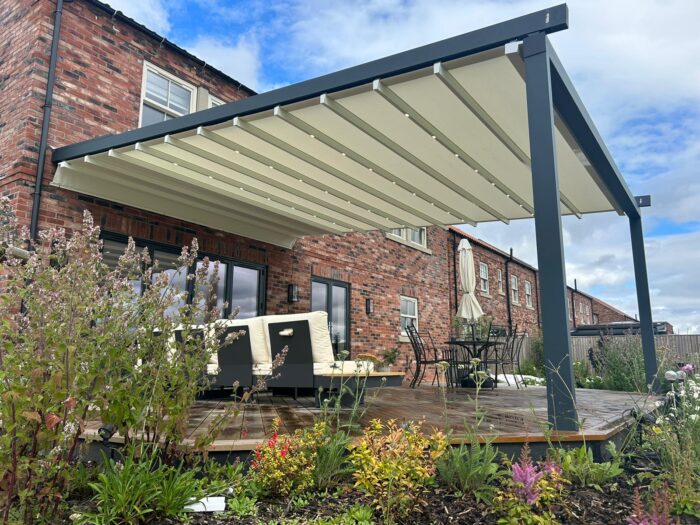
When it comes to building a pergola, the choice of materials plays a crucial role in determining its durability, maintenance needs, and visual appeal. Wood remains the most traditional and popular option, with varieties like cedar, redwood, or pressure-treated pine offering natural resistance to rot and insects, which is essential for outdoor exposure. These materials provide a warm, inviting aesthetic that ages gracefully, developing a patina over time that enhances the structure’s charm. However, for those seeking low-maintenance alternatives, vinyl or composite materials are gaining traction; they mimic the look of wood while resisting weathering, fading, and warping, making them ideal for regions with extreme weather conditions.
Metal, such as aluminum or wrought iron, is another common choice for pergola construction, prized for its strength and modern appearance. Aluminum pergolas, in particular, are lightweight yet sturdy, often coming with powder-coated finishes that prevent rust and allow for a range of color options to match any home’s exterior. On the other hand, stone or brick can be used for the base or posts to create a more rustic, integrated feel with the landscape, especially in gardens with existing hardscaping. Each material not only affects the pergola’s longevity and cost but also influences its environmental impact, with sustainable options like reclaimed wood or recycled metals appealing to eco-conscious builders, ensuring that the structure aligns with broader lifestyle values.
The Benefits of Adding a Pergola to Your Outdoor Space
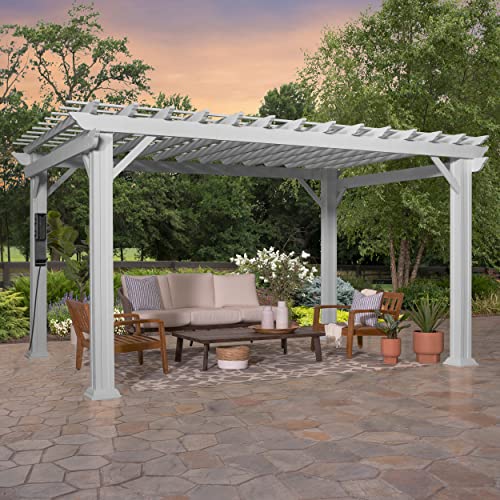
Incorporating a pergola into your outdoor area offers a multitude of benefits that go far beyond mere aesthetics, transforming an ordinary backyard into a multifunctional oasis. For starters, it provides essential shade in sunny climates, reducing UV exposure and creating a cooler microclimate underneath, which is perfect for extending the time you spend outdoors during hot summer days. This added comfort can encourage more family gatherings, outdoor meals, or even remote work setups, effectively increasing your home’s usable square footage without the need for expensive additions. Moreover, a well-designed pergola can boost property value by enhancing curb appeal and offering potential buyers a ready-made entertainment space, making it a smart investment for homeowners.
The environmental advantages of a pergola are equally compelling, as it can support the growth of climbing plants that promote biodiversity and improve air quality. By acting as a trellis for vines like wisteria or jasmine, it not only adds natural beauty and fragrance but also contributes to energy efficiency by providing shade that reduces cooling costs for nearby structures. Psychologically, spending time under a pergola can alleviate stress and foster a deeper connection with nature, as the partial enclosure creates a sense of privacy and serenity amid the outdoors. Overall, the benefits extend to year-round enjoyment, with features like heaters or screens allowing for seasonal adaptations, ensuring that your outdoor space remains a versatile retreat regardless of the weather.


Pergola vs. Gazebo vs. Arbor: Understanding the Differences
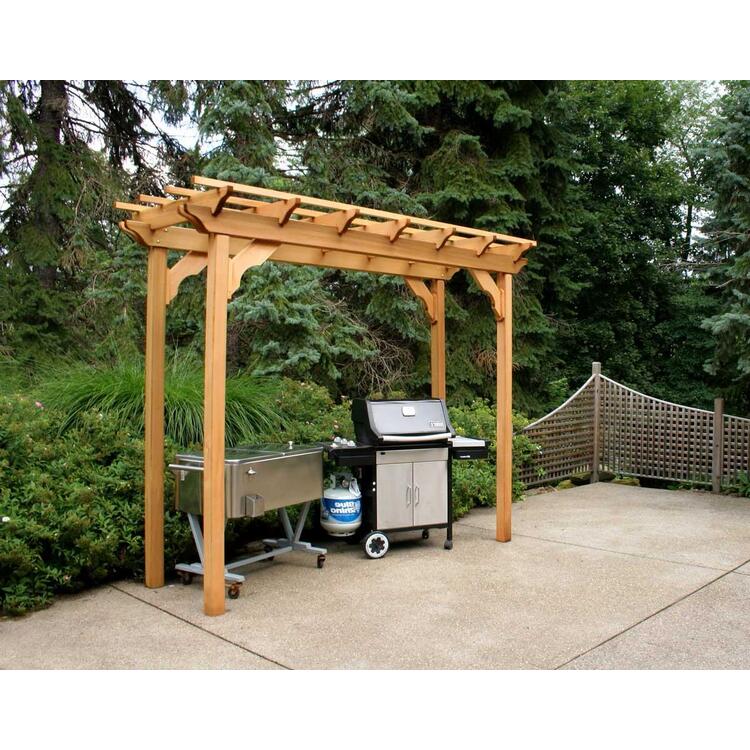
While a pergola shares similarities with other outdoor structures like gazebos and arbors, the key differences lie in their design, functionality, and intended use, making it essential to understand these nuances before deciding on one. A pergola typically features an open lattice roof and is often rectangular or square, designed to be attached to a home or placed in an open area, providing a framework for shade and plant growth without fully enclosing the space. In contrast, a gazebo is a freestanding, fully enclosed pavilion with solid walls and a roof, offering more protection from the elements and creating a distinct, pavilion-like focal point in a garden. An arbor, on the other hand, is usually smaller and more simplistic, often arched and meant for entryways or pathways, serving primarily as a decorative gateway rather than a seating area.
These differences significantly impact how each structure integrates into a landscape and meets user needs. For example, if you’re looking for a versatile addition that can be customized for dining or lounging, a pergola’s open design allows for greater flexibility, such as adding curtains or lights, whereas a gazebo provides a more sheltered environment for events in inclement weather. An arbor might be ideal for defining garden paths or framing a view, but it lacks the expansive coverage of a pergola. By weighing factors like space, budget, and purpose, homeowners can choose the right option, with a pergola standing out for its balance of openness and utility, ultimately enhancing the flow and enjoyment of outdoor living.
Planning and Installing Your Own Pergola: A Comprehensive Guide
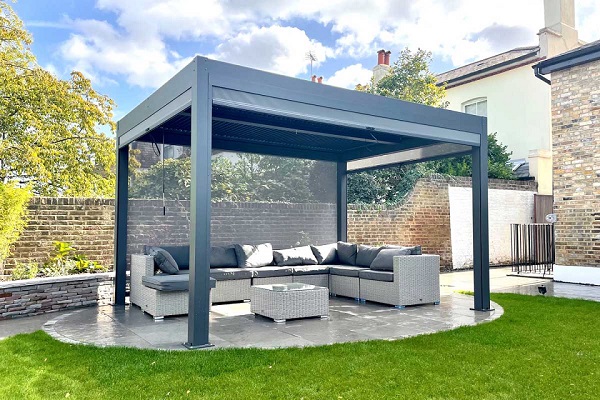
Planning a pergola project begins with a thorough assessment of your space, budget, and goals, ensuring that the final structure aligns perfectly with your vision. Start by measuring the area where you want to install it, considering factors like sunlight patterns, wind direction, and proximity to your home to optimize shade and comfort. Sketch out designs using online tools or software, incorporating elements like size, shape, and features such as built-in seating or lighting, and don’t forget to check local building codes and obtain necessary permits. Budget-wise, factor in costs for materials, professional help if needed, and any additional features, aiming for a realistic timeline that accounts for weather delays, typically spanning from a few weekends for a DIY project to several weeks for more complex installations.
The installation process itself involves several key steps to ensure stability and longevity. Begin by preparing the site with level ground and proper drainage, then secure the posts into concrete footings for a solid foundation. Assemble the beams and rafters according to your design, using high-quality hardware to prevent swaying, and add finishing touches like staining or painting for protection. If you’re not experienced, consulting a professional can mitigate risks, but for hands-on enthusiasts, following detailed guides and safety protocols is crucial. Once completed, maintaining your pergola through regular inspections and treatments will keep it looking pristine, turning your planning efforts into a rewarding, personalized outdoor haven that you’ll enjoy for years to come.
Conclusion
In summary, exploring what is a pergola reveals it as a dynamic and versatile outdoor structure that combines form, function, and beauty to enhance any living space. From its defining features and material choices to the numerous benefits it offers, such as increased shade, property value, and environmental harmony, a pergola stands out as a practical addition for modern homeowners. By understanding its differences from similar structures like gazebos and arbors, and following a thoughtful planning and installation process, you can create a customized retreat that not only meets your needs but also elevates your outdoor experience, making it a timeless investment in comfort and style.