When it comes to deciding what flowers to grow on the fence, gardeners have a wealth of options that can transform a simple barrier into a vibrant, living wall. This choice not only adds beauty and privacy to your yard but also attracts pollinators and enhances the overall ecosystem. By selecting the right flowers, you can create a personalized outdoor feature that blooms seasonally and brings joy throughout the year.
Introduction: The Allure of Flowering Fences
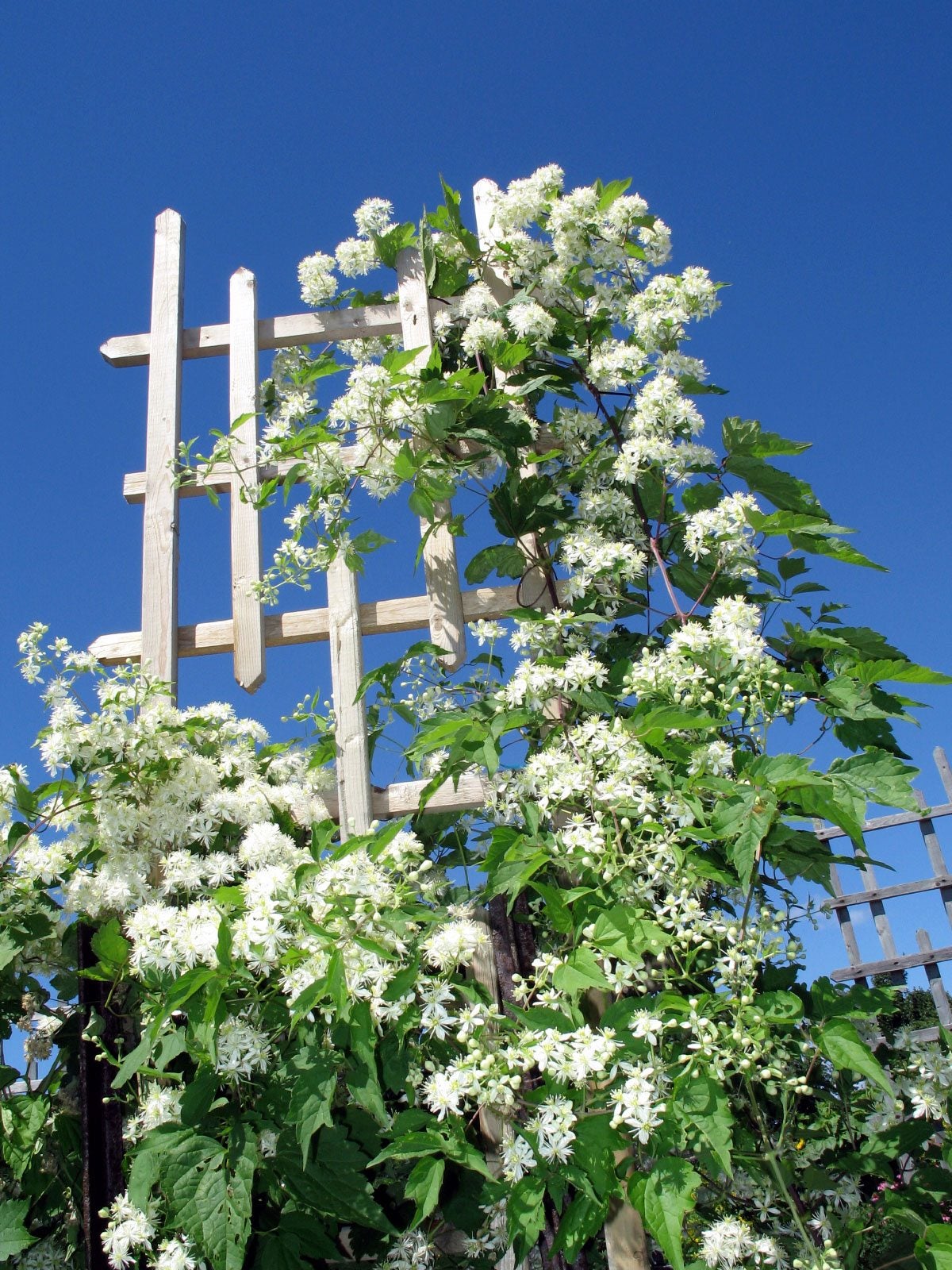
Flowering fences have a timeless charm that elevates any outdoor space, turning ordinary boundaries into breathtaking displays of color and fragrance. Imagine walking through your garden and being greeted by a cascade of blooms climbing up a wooden or metal fence, creating a natural screen that blocks unsightly views while inviting birds and butterflies. This concept isn’t just about aesthetics; it’s a practical way to maximize vertical space in smaller yards, providing habitat for wildlife and even helping to reduce noise pollution. By incorporating flowers into your fence design, you’re not only enhancing curb appeal but also contributing to a more sustainable environment, as many of these plants can improve soil health and air quality around your home.
The idea of what flowers to grow on the fence extends beyond mere decoration—it’s an opportunity for creative expression and seasonal variety. For instance, in spring, you might opt for early bloomers like wisteria that burst into life with purple hues, while summer could bring the fiery oranges of trumpet vines. This approach allows for year-round interest, with evergreens providing structure in winter and perennials returning annually to save on maintenance. Engaging with this practice means considering your local climate, soil type, and personal style, making it a rewarding project that combines art and science. Whether you’re a novice gardener or a seasoned enthusiast, flowering fences offer a canvas for innovation, potentially increasing your property’s value and fostering a deeper connection to nature.
Factors to Consider When Choosing Fence Flowers
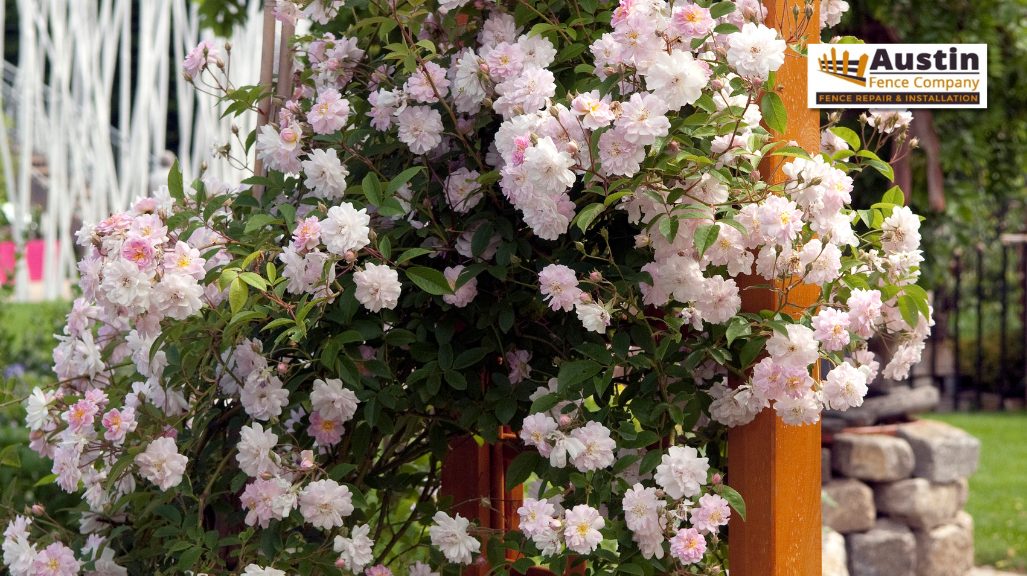
When selecting flowers for your fence, it’s essential to evaluate your local environment, as factors like sunlight exposure and soil conditions play a pivotal role in plant success. For example, a south-facing fence in a sunny region might thrive with heat-loving varieties such as clematis or morning glories, which require at least six hours of direct sunlight to flourish. However, in shaded areas, you could turn to shade-tolerant options like ivy or certain ferns that add greenery without demanding intense light, preventing issues like wilting or poor blooming. Additionally, the type of fence material—whether it’s chain-link, wood, or vinyl—matters greatly, as some flowers need support to climb, and materials like wire mesh provide better grip than smooth surfaces. Beyond these basics, consider the plant’s growth habit and potential invasiveness; choosing native species can promote biodiversity and reduce the need for chemical interventions, making your garden more eco-friendly.
Equally important is thinking about maintenance and longevity when pondering what flowers to grow on the fence. Perennials offer a low-maintenance option since they return each year, but annuals can provide quick bursts of color for those wanting variety without long-term commitment. Water requirements vary widely—drought-resistant flowers like bougainvillea are ideal for arid climates, whereas moisture-loving plants such as hydrangeas might need regular watering in drier soils. Pests and diseases are another key factor; selecting resistant varieties can save time and effort, especially in areas prone to common issues like aphids or fungal infections. By weighing these elements against your lifestyle and garden goals, you’ll ensure that your flowering fence not only looks stunning but also remains healthy and manageable over time, turning a simple decision into a thriving feature of your landscape.


Top Climbing Flowers for Fence Coverage and Beauty
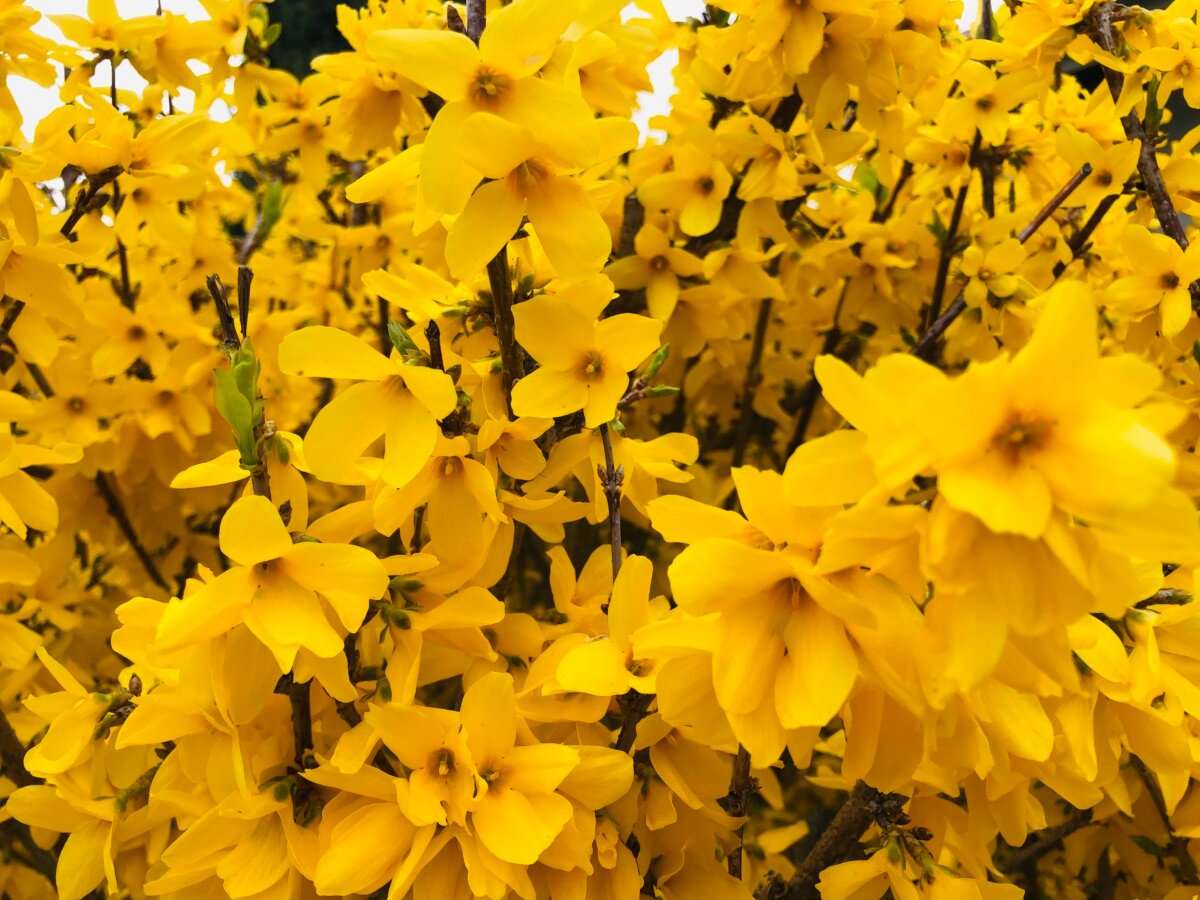
Climbing flowers are the stars of any fence garden, offering rapid coverage and a dramatic visual impact that can completely redefine your outdoor boundaries. Take jasmine, for instance, with its sweet-scented blooms that attract hummingbirds and fill the air with a intoxicating fragrance, making it perfect for fences near patios or seating areas. Other top contenders include the versatile honeysuckle, which not only climbs vigorously but also produces nectar-rich flowers in shades of pink and yellow, supporting local pollinators while adding a layer of privacy. These plants grow by twining or using tendrils, so they require minimal support structures, allowing them to envelop fences in a blanket of foliage and color within a single growing season. When considering what flowers to grow on the fence, climbing varieties like these provide not just beauty but also functional benefits, such as windbreaks and shade, enhancing the usability of your yard.
Beyond their aesthetic appeal, top climbing flowers contribute to a more dynamic garden ecosystem by offering seasonal changes and ongoing interest. For example, the classic rose—specifically climbing hybrids—can produce large, fragrant blooms that repeat throughout the summer, but they demand pruning and disease management to prevent issues like black spot. Meanwhile, passionflowers bring an exotic touch with their intricate, butterfly-attracting blooms, thriving in warmer climates and adding a tropical flair to urban fences. These options encourage biodiversity by providing food and shelter for insects and birds, but it’s crucial to select non-invasive species to avoid overwhelming your garden. Ultimately, choosing the right climbing flowers means balancing growth speed, color variety, and care needs, resulting in a fence that’s not only beautiful but also a living, breathing part of your landscape, fostering a sense of accomplishment and natural harmony.
Non-Climbing Flowers Suitable for Planting Along Fences
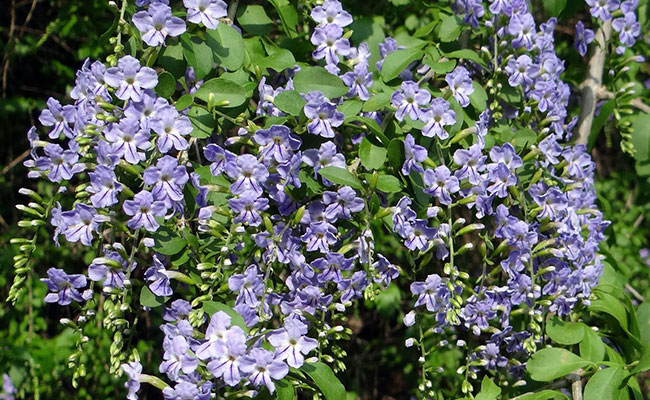
Non-climbing flowers bring a grounded charm to fence lines, creating layered borders that add depth and texture without the need for vertical support structures. Plants like sunflowers or marigolds can be planted directly at the base of a fence, their bright, cheerful blooms drawing the eye upward while filling in gaps with vibrant colors and sturdy growth. These flowers are ideal for edging, as they form neat clumps that deter weeds and provide a natural barrier, enhancing the overall neatness of your yard. For instance, lavender not only offers aromatic purple spikes that attract bees but also thrives in well-drained soil along fences, releasing a calming scent that makes outdoor spaces more enjoyable. When exploring what flowers to grow on the fence, non-climbing options like these allow for flexible arrangements, such as mixing perennials with annuals to maintain interest without overwhelming the structure, making them a great choice for beginners or those with limited vertical space.
The versatility of non-climbing flowers lies in their ability to adapt to various fence styles and garden themes, offering year-round appeal with minimal effort. Consider dahlias, which produce large, showy flowers in a rainbow of colors, perfect for creating a colorful foreground against a plain fence, though they may require staking in windy areas to keep them upright. These plants also support companion planting, where interspersing them with herbs or ground covers can naturally repel pests and improve soil health. In cooler climates, hardy options like peonies can withstand frost and return reliably each spring, their lush foliage and bold blooms adding elegance to fence borders. By selecting non-climbing flowers, you’re investing in a low-maintenance solution that enhances privacy and beauty, transforming the area into a cohesive extension of your garden while promoting sustainable practices through natural pest control and soil enrichment.
Planting and Maintenance Tips for Thriving Fence Flowers
Proper planting techniques are the foundation of a successful flowering fence, ensuring that your chosen plants establish strong roots and grow vigorously from the start. Begin by preparing the soil along the fence line, loosening it to a depth of at least 12 inches and incorporating organic matter like compost to improve drainage and nutrient levels, which is especially crucial for heavy feeders like roses or clematis. Spacing is key—most climbing flowers need at least 6 to 10 feet between plants to allow for air circulation and prevent overcrowding, reducing the risk of fungal diseases. When deciding what flowers to grow on the fence, consider the planting time; spring is ideal for many perennials, giving them the full growing season to develop, while fall planting can help establish roots before winter. Watering immediately after planting and mulching around the base will help retain moisture and suppress weeds, setting the stage for healthy growth and a more resilient garden.
Ongoing maintenance keeps your fence flowers in top condition, extending their lifespan and enhancing their beauty season after season. Regular pruning, for example, not only shapes the plants but also encourages more blooms; deadheading spent flowers on annuals like morning glories prevents seed production and promotes continuous flowering. Fertilizing with a balanced, slow-release formula every few months supports vigorous growth, but be cautious not to overdo it, as excess nutrients can lead to weak stems or pest attraction. Monitoring for signs of stress, such as yellowing leaves, allows for timely interventions like adjusting watering schedules or applying organic pest controls. By adopting these practices, you’ll create a thriving fence display that’s not only visually striking but also sustainable, turning your garden into a low-effort haven that rewards your efforts with abundant color and ecological benefits.
Troubleshooting Common Issues with Fence Flowers
Even the most carefully planned flowering fences can encounter problems, but understanding common issues allows you to address them proactively and maintain a healthy display. Overwatering, for instance, is a frequent culprit in poorly drained soils, leading to root rot in sensitive plants like jasmine, so always check soil moisture before watering and ensure good drainage by amending the soil with sand or gravel. Pests such as aphids or spider mites can quickly infest dense foliage, but introducing natural predators like ladybugs or using insecticidal soaps can mitigate damage without harsh chemicals. When reflecting on what flowers to grow on the fence, it’s wise to select disease-resistant varieties, like mildew-resistant clematis, to avoid powdery mildew in humid conditions, which manifests as a white coating on leaves and can be treated with improved air flow and fungicidal sprays. Regular inspections during the growing season help catch these problems early, ensuring your fence remains a point of pride rather than a source of frustration.
Beyond pests and diseases, environmental factors like extreme weather pose challenges that require adaptive strategies for long-term success. In regions with harsh winters, protecting tender plants with burlap wraps or mulch layers can prevent frost damage, while in hot climates, providing afternoon shade for sun-sensitive flowers like hydrangeas keeps them from scorching. Nutrient deficiencies might show as stunted growth or faded colors, which can be corrected with targeted fertilizers, such as those high in iron for chlorotic plants. By troubleshooting these issues with a combination of observation, timely action, and preventive care, you’ll foster a resilient flowering fence that withstands seasonal changes and continues to thrive, ultimately enhancing your garden’s beauty and your enjoyment of outdoor spaces.
Conclusion
In summary, transforming your fence into a blooming masterpiece involves thoughtful consideration of what flowers to grow on the fence, from selecting the right climbing and non-climbing varieties to addressing environmental factors and maintenance needs. By evaluating sunlight, soil, and personal preferences, you can create a vibrant, eco-friendly feature that enhances privacy, attracts wildlife, and adds year-round beauty to your yard. With proper planting techniques, regular care, and proactive troubleshooting, your flowering fence will not only thrive but also become a rewarding expression of your gardening passion, ultimately enriching your outdoor living experience.