

For centuries, humanity has been captivated by the idea of eternal youth, a mythical elixir or spring that promises to reverse aging and grant immortality. But is the fountain of youth real? This question has sparked endless debates, fueled scientific inquiries, and inspired countless adventures. In this article, we delve into the legend’s origins, examine modern science’s role in longevity, and explore whether the elusive fountain is more than just a fanciful tale. By blending historical anecdotes with cutting-edge research, we’ll uncover the truths behind this enduring myth and its implications for human health and society.
The Enduring Quest: Investigating the Fountain of Youth

The pursuit of the fountain of youth represents one of humanity’s most persistent obsessions, a quest that transcends cultures and epochs, driven by our innate fear of mortality and desire for perpetual vitality. This legendary spring, often depicted as a magical source of water that restores youth and health, first gained prominence in ancient myths and has evolved into a symbol of human ingenuity and desperation. Explorers like Spanish conquistador Juan Ponce de León, who ventured into Florida in the 16th century searching for this elusive elixir, embody the lengths to which people have gone to chase immortality. Their stories highlight not just individual ambition, but a collective human narrative that intertwines adventure, discovery, and the philosophical grappling with aging’s inevitability. Today, this quest manifests in modern forms, such as anti-aging clinics and wellness retreats, where people seek rejuvenation through science-backed treatments, illustrating how the legend adapts to contemporary contexts while retaining its core allure.
To truly investigate whether is the fountain of youth real, we must consider the psychological underpinnings of this pursuit, which often stem from societal pressures and personal anxieties about aging. In a world where youth is glorified in media and culture, the fountain symbolizes a rebellion against the natural progression of life, prompting questions about ethics, identity, and the human condition. Researchers in fields like gerontology and psychology have noted that this obsession can lead to both positive outcomes, such as advancements in health technology, and negative ones, like the exploitation of vulnerable populations through unproven remedies. By examining archaeological evidence and ancient texts, such as those from Greek mythology featuring the golden apples of immortality or Chinese legends of the elixir of life, we see a pattern of human innovation born from these myths. This enduring quest not only fuels scientific progress but also challenges us to reflect on what true longevity means, beyond mere physical extension.


Science Fact vs. Fiction: Debunking the Fountain of Youth Myth

While the fountain of youth has enchanted storytellers and explorers for millennia, modern science provides a stark contrast, revealing that what was once pure fiction is now being dissected through rigorous empirical methods, effectively debunking the myth while exploring plausible alternatives. The original legend, popularized in European folklore and linked to explorers like Ponce de León, portrays a literal spring with magical properties, but genetic and cellular studies today show that aging is a complex biological process influenced by DNA, telomeres, and environmental factors. Scientists at institutions like Harvard and the National Institutes of Health have conducted extensive research on aging markers, such as oxidative stress and inflammation, which contribute to cellular deterioration rather than any mystical fountain. This evidence underscores that is the fountain of youth real in a literal sense? The answer leans heavily toward no, as no credible studies have uncovered a single source granting eternal youth. Instead, the myth serves as a metaphor for ongoing efforts in biotechnology, where innovations like CRISPR gene editing aim to mitigate aging effects, offering a grounded perspective on human longevity.
Delving deeper into the fiction versus fact debate, it’s essential to address how popular media perpetuates misconceptions, often blurring the lines between scientific possibility and outright fantasy. Films, books, and even social media influencers promote ideas of rapid rejuvenation through supplements or unverified treatments, which can mislead the public and hinder genuine scientific discourse. For instance, the pseudoscience surrounding products like “youth serums” often lacks peer-reviewed backing, contrasting sharply with legitimate research on compounds like resveratrol or NAD+ boosters, which have shown promise in extending lifespan in animal models. By critically analyzing these claims, we can appreciate how the fountain myth has evolved, influencing fields from cosmetics to pharmaceuticals, yet always circling back to the core question: is the fountain of youth real? Ultimately, science debunks the instantaneous magic but validates the pursuit of incremental advancements, encouraging a more informed public to distinguish hype from evidence-based progress. This balanced view not only dispels myths but also fosters a culture of healthy skepticism and innovation.
Longevity Research: Modern Approaches to Extending Human Lifespan
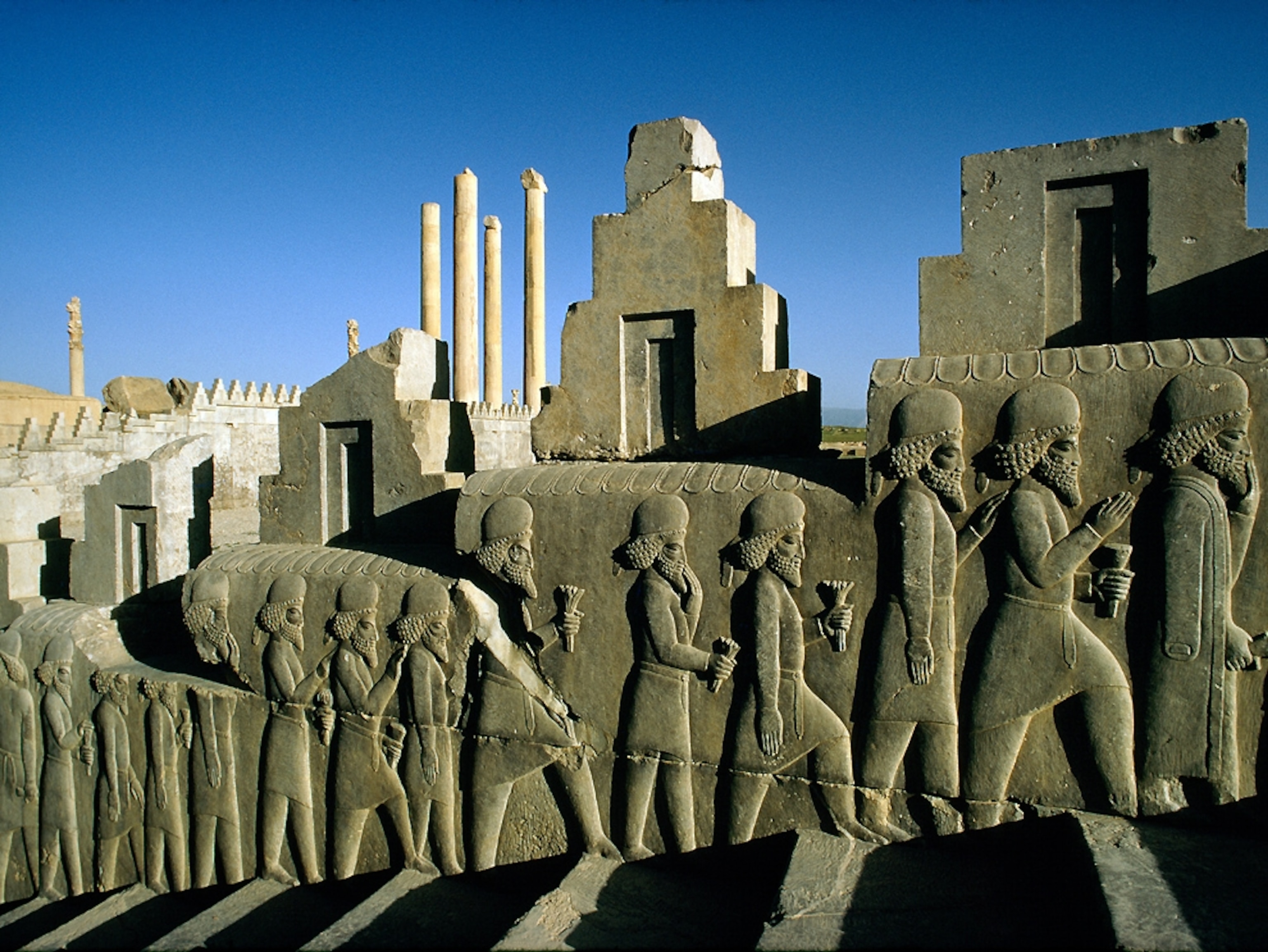
In the realm of longevity research, contemporary scientists are employing cutting-edge technologies and interdisciplinary approaches to extend human lifespan, building on the age-old intrigue of the fountain of youth by transforming mythical aspirations into tangible medical breakthroughs. Initiatives like the Human Longevity Project and advancements in AI-driven genomics are mapping the human genome to identify genes associated with exceptional longevity, such as those found in centenarians from regions like Okinawa or Sardinia. These studies reveal that factors like caloric restriction, microbiome health, and epigenetic modifications play crucial roles in slowing aging, offering a scientific parallel to the fountain’s promise without relying on legend. Moreover, therapies involving stem cell regeneration and senolytic drugs, which target senescent cells, are in clinical trials, demonstrating how modern medicine is inching closer to reversing age-related decline. This research not only answers whether is the fountain of youth real in a metaphorical sense but also highlights the ethical dilemmas, such as equitable access to these treatments, that accompany such progress.
Expanding on these approaches, it’s fascinating to see how global collaborations, including those from the World Health Organization’s aging initiatives, are integrating lifestyle interventions with pharmacological solutions to promote healthy aging. For example, the Blue Zones research identifies dietary patterns and social structures that contribute to longer lives, suggesting that community and purpose are as vital as any medical intervention. This holistic view challenges the reductionist idea of a single fountain, proposing instead a multifaceted strategy that includes exercise, mental health support, and preventive medicine. As we ponder is the fountain of youth real, current developments in nanotechnology, such as nanoparticles delivering anti-aging compounds directly to cells, exemplify how science is crafting personalized longevity plans. These innovations, while not guaranteeing immortality, underscore the potential for humans to significantly enhance quality of life, urging society to invest in research that prioritizes not just longevity, but vitality and well-being.
Historical Perspectives: Exploring the Origins of the Fountain of Youth Legend
Tracing the origins of the fountain of youth legend takes us through a rich tapestry of historical narratives, where ancient civilizations wove tales of eternal youth to explain the mysteries of life and death, influencing cultural beliefs that persist to this day. In ancient Greece, stories of the Hesperides’ golden apples or the nectar of the gods served as early prototypes, symbolizing divine interventions in human aging, while in ancient China, the quest for the elixir of immortality by emperors like Qin Shi Huang involved alchemical experiments with herbs and metals. These myths often reflected societal values, such as the pursuit of harmony with nature or the quest for enlightenment, and migrated across continents through trade routes, evolving into the European tales that inspired explorers. By examining artifacts like medieval manuscripts or Egyptian hieroglyphs depicting rejuvenation rituals, we gain insight into how these legends were not mere fantasies but responses to real human experiences with aging and mortality. This historical lens helps us interrogate is the fountain of youth real by revealing the legend’s roots in observable phenomena, such as natural hot springs believed to have healing properties.
Furthermore, the legend’s transmission through history highlights how it adapted to different eras, from the Age of Exploration’s literal searches to the Enlightenment’s rational inquiries, ultimately shaping modern perceptions of aging. Ponce de León’s expedition, though often romanticized, was influenced by earlier accounts from indigenous peoples who spoke of restorative waters, illustrating a cultural exchange that blended folklore with exploration. Historians argue that these stories served as metaphors for colonial ambitions and the desire for dominion over nature, raising questions about exploitation and cultural appropriation. As we reflect on is the fountain of youth real, understanding these perspectives encourages a critical examination of how myths influence scientific endeavors, prompting us to appreciate the legend’s role in driving innovation while cautioning against blind faith in unverified claims. This historical exploration not only enriches our knowledge but also bridges past aspirations with present-day pursuits in longevity.
The Reality of Aging: Biological Processes and Potential Interventions

The reality of aging is a multifaceted biological phenomenon, involving intricate processes at the cellular level that gradually erode vitality, yet advancements in medicine offer promising interventions that echo the mythical fountain of youth without promising outright immortality. At its core, aging encompasses telomere shortening, mitochondrial dysfunction, and the accumulation of molecular damage, as elucidated by theories like the free radical hypothesis and inflammaging, which explain how oxidative stress accelerates decline. Researchers at institutions such as the Buck Institute for Research on Aging are delving into these mechanisms, using model organisms like yeast and mice to test interventions that could mitigate these effects, such as antioxidants and caloric restriction mimetics. This scientific scrutiny directly addresses is the fountain of youth real by demystifying aging as a manageable process rather than an inevitable curse, paving the way for therapies that enhance healthspan—the period of life free from disease. While no single intervention replicates the legend, emerging fields like regenerative medicine, with techniques such as organoid growth, hold potential for repairing age-related damage, offering a grounded hope for extended, healthier lives.
Beyond basic biology, potential interventions in aging must consider the interplay of genetics, environment, and lifestyle, presenting a holistic approach that challenges the oversimplified notion of a magical fountain. For instance, personalized medicine leverages genomic sequencing to tailor anti-aging strategies, such as hormone therapies or lifestyle modifications, to individual profiles, acknowledging that aging varies widely among populations. Ethical considerations arise here, as interventions like gene editing raise concerns about unintended consequences and social inequalities, echoing historical warnings from the fountain myths. By evaluating is the fountain of youth real through this lens, we recognize that while true reversal of aging remains elusive, interventions like senolytics and lifestyle programs can significantly improve quality of life. This balanced perspective encourages proactive health measures, transforming the legend into a catalyst for real-world applications that promote aging gracefully rather than defying it entirely.
Beyond Immortality: Understanding the Pursuit of Healthy Aging

The pursuit of healthy aging extends far beyond the allure of immortality, focusing instead on enhancing the quality of later life stages, a shift that reinterprets the fountain of youth legend as a call for balanced, sustainable living rather than eternal youth. In societies facing demographic shifts, such as aging populations in Japan and Europe, experts emphasize the importance of cognitive health, physical mobility, and emotional resilience, drawing from studies that link social engagement and nutrition to successful aging. This modern paradigm views the fountain not as a literal entity but as a metaphor for interventions that prevent chronic diseases, like diabetes and Alzheimer’s, through proactive measures such as community-based exercise programs and mental health initiatives. By questioning is the fountain of youth real, we uncover that the true quest lies in fostering environments where people can age vibrantly, challenging outdated notions of decline and promoting inclusivity across generations. Initiatives like the WHO’s Decade of Healthy Ageing underscore this, advocating for policies that integrate technology, such as wearable health monitors, with traditional wisdom.
Moreover, understanding the pursuit of healthy aging requires acknowledging the psychological and cultural dimensions, where the fountain myth reflects deeper human desires for meaning and legacy rather than mere physical longevity. Philosophers and sociologists argue that this pursuit often stems from fears of obsolescence in a fast-paced world, leading to movements that prioritize mindfulness, legacy building, and intergenerational knowledge transfer. As we ponder is the fountain of youth real, contemporary examples like blue zone diets or digital detoxes illustrate how everyday choices can emulate the legend’s spirit, fostering well-being without relying on myth. This holistic understanding not only enriches personal lives but also informs public health strategies, ensuring that the legacy of the fountain evolves into a force for positive change, emphasizing fulfillment over fantasy.
Conclusion
In exploring whether is the fountain of youth real, this article has traversed the historical myths, scientific debunking, and modern research that collectively reveal the legend as a powerful symbol rather than a literal truth. From the enduring quests of ancient explorers to today’s longevity studies and interventions in aging, we see that while no magical spring exists, humanity’s drive for extended, healthy lives has led to remarkable advancements in genetics, lifestyle medicine, and ethical considerations. Ultimately, the pursuit underscores the importance of balancing ambition with realism, encouraging a future where healthy aging is accessible and celebrated, transforming an age-old myth into a blueprint for meaningful longevity.