
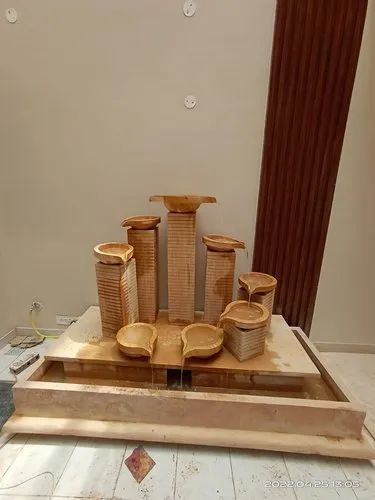
Before the advent of electricity, fountains were marvels of human ingenuity, relying on natural forces to create breathtaking displays of water. Have you ever pondered how did fountains work before electricity? These ancient waterworks, found in civilizations like the Romans and Persians, harnessed gravity, topography, and hydraulic principles to propel water upward and maintain flow, turning simple water sources into symbols of power, beauty, and engineering prowess without any modern pumps or motors.
Ancient Fountain Systems: An Introduction to Pre-Electrical Waterworks
The history of fountains stretches back thousands of years, long before electricity illuminated the world, showcasing how ancient societies mastered how did fountains work before electricity through clever manipulation of natural resources. In places like ancient Rome, the iconic fountains of the Villa Adriana or the grand aqueduct-fed displays in public squares demonstrated a profound understanding of water dynamics. Engineers relied on gravity-fed systems, where water from elevated sources flowed downhill via channels and pipes, creating pressure that allowed water to spout elegantly. This wasn’t mere decoration; fountains served practical purposes, such as providing drinking water, cooling urban spaces, and even symbolizing the wealth of empires. By examining artifacts like the Pergamon Altar’s hydraulic features, we see how these systems integrated art and science, blending marble sculptures with flowing water to captivate audiences and reflect cultural values.
Beyond their aesthetic appeal, these pre-electrical fountains represented a leap in technological innovation that influenced modern hydraulics. For instance, the Hanging Gardens of Babylon, often described in ancient texts, likely employed terraced systems where water was lifted through a series of channels and reservoirs, all powered by manual or gravity-assisted methods. This approach required meticulous planning, as engineers had to account for evaporation, seasonal water availability, and structural integrity without the luxury of electric monitoring. The result was a sustainable ecosystem of water management that sustained cities and inspired awe, proving that how did fountains work before electricity was as much about environmental harmony as it was about spectacle. Today, these ancient designs continue to inform eco-friendly fountain projects, highlighting the timeless relevance of early hydraulic engineering.
Gravity’s Role: Exploiting Elevation and Topography for Early Fountains

Gravity played a pivotal role in determining how did fountains work before electricity, acting as the unseen force that drove water from higher elevations to lower points, creating the necessary pressure for jets and cascades. In ancient Greek designs, such as those at the Sanctuary of Asclepius, builders selected sites on hillsides where natural slopes could channel water downward through stone conduits, allowing it to emerge with forceful sprays. This method wasn’t just about physics; it involved a deep understanding of local topography, where engineers surveyed landscapes to maximize elevation differences, sometimes constructing artificial mounds or aqueducts to enhance the flow. By doing so, they transformed ordinary streams into elaborate fountain displays that could reach heights of several meters, all without mechanical aids, demonstrating the elegance of passive energy use in pre-industrial societies.
The exploitation of gravity extended beyond mere functionality, influencing the cultural and social aspects of fountain design in ways that shaped urban life. For example, in medieval Islamic gardens like those in Alhambra, Spain, gravity-fed qanats—underground channels—directed water from mountain sources into ornate pools and fountains, creating a soothing ambiance that symbolized paradise. This technique required precise calculations to ensure consistent water pressure, as any disruption in the slope could lead to weak flows or overflows. Moreover, how did fountains work before electricity often incorporated elements of surprise, such as hidden reservoirs that released water in bursts, achieved by carefully balancing gravitational pull with the weight of accumulated water. These innovations not only provided refreshment in arid regions but also fostered community gatherings, turning fountains into social hubs that reflected the ingenuity of harnessing nature’s forces for human delight.


Aqueducts and Water Collection: The Foundation of Pre-Electrical Fountain Supply
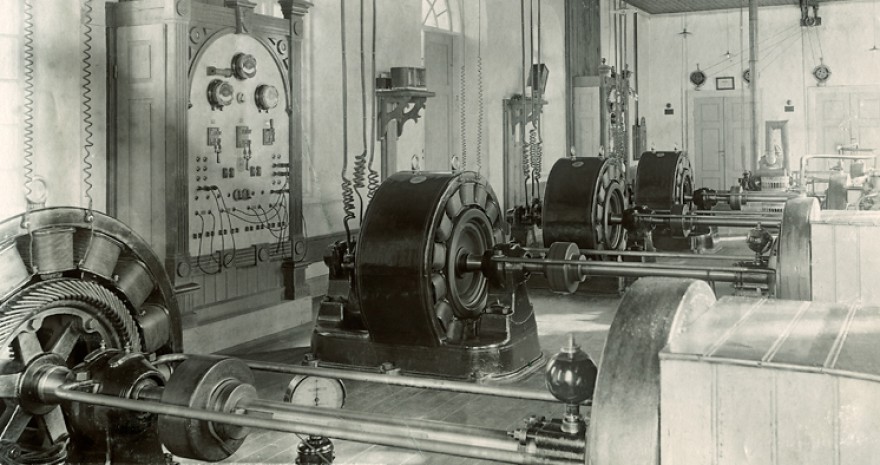
Aqueducts formed the backbone of how did fountains work before electricity, serving as elaborate networks that collected and transported water from distant sources to urban centers, ensuring a steady supply for these hydraulic wonders. The Romans perfected this with structures like the Aqua Appia, a 16-kilometer channel that brought fresh water from the hills into Rome, where it fed public fountains and baths. These aqueducts relied on gentle gradients, often spanning valleys and mountains via arches, to maintain a gravitational flow that prevented stagnation and maintained purity. Without pumps, engineers had to innovate with materials like stone and lead, designing self-cleaning channels and sedimentation basins to filter debris, making the system both efficient and durable for centuries of use.
The art of water collection went beyond construction, embedding how did fountains work before electricity into the fabric of daily life and governance. In ancient China, imperial gardens utilized bamboo pipes and reservoir systems to channel rainwater and river water into decorative fountains, reflecting a philosophy of harmony with nature. This involved seasonal maintenance, such as clearing intakes during monsoons, to sustain flow rates that could support multiple fountain outlets. By integrating aqueducts with local water cycles, societies ensured resilience against droughts, with some systems even incorporating overflow mechanisms to irrigate fields. This holistic approach not only sustained fountains but also promoted public health and agriculture, illustrating how early civilizations viewed water management as a cornerstone of civilization, long before electrical innovations made it commonplace.
Hydraulic Principles in Action: Understanding How Pressure and Flow Were Managed
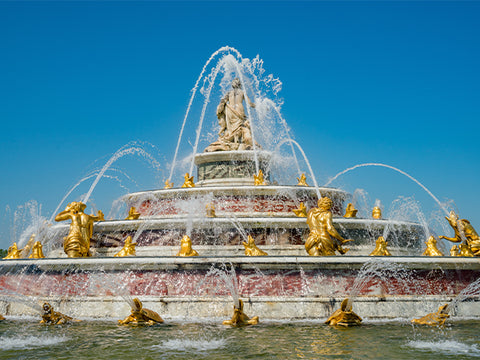
Hydraulic principles were central to how did fountains work before electricity, with ancient inventors applying concepts like siphons and Bernoulli’s principle to control water pressure and flow without modern tools. In the Roman Empire, the fountains of Pompeii used inverted siphons—tubes that drew water upward before releasing it downhill—to create pressurized jets, relying on the difference in water levels to generate force. This required precise calibration of pipe diameters and angles, as even minor miscalculations could result in erratic sprays or complete failures. By experimenting with these principles, engineers achieved dynamic effects, such as multi-tiered cascades, that mimicked natural waterfalls and added a theatrical element to public spaces.
Managing flow involved not just physics but also creativity, as seen in how how did fountains work before electricity adapted to various environments. For instance, in Persian gardens at Pasargadae, hydraulic engineers designed stepped basins that slowed water velocity, allowing for controlled overflows and gentle trickles, which conserved water in arid climates. These systems often incorporated valves made from natural materials like cork or wood, adjusted manually to regulate pressure based on seasonal changes. The result was a blend of art and science that enhanced the sensory experience, with the sound of flowing water providing a meditative backdrop. This mastery of hydraulics paved the way for later developments, proving that pre-electrical fountains were feats of intellectual achievement that balanced efficiency with aesthetic innovation.
Materials and Construction Techniques: Building Durable Fountains Without Modern Technology

The choice of materials was crucial in how did fountains work before electricity, as builders had to select durable, locally available resources that could withstand water’s corrosive effects over time. Ancient Romans favored lead and terracotta pipes for their flexibility and resistance to leaks, embedding them in concrete foundations that provided stability for large-scale fountains like the Trevi Fountain’s precursors. Construction techniques involved layering stones with mortar and incorporating expansion joints to handle thermal changes, ensuring that the structures remained intact despite constant water flow. This hands-on approach required skilled artisans who carved intricate nozzles from bronze, allowing for precise water dispersion and preventing erosion that could disrupt the fountain’s operation.
Beyond basic construction, how did fountains work before electricity highlighted innovative techniques that merged functionality with artistry. In medieval Europe, builders used hydraulic rams—devices that utilized water hammer effects to lift water—crafted from iron and wood, to feed fountains in elevated locations like castle courtyards. These methods demanded iterative testing, as craftsmen refined joint seals and pipe alignments to minimize losses. The durability of these fountains was enhanced by aesthetic choices, such as cladding with marble to protect against weathering, which also turned them into enduring monuments. This blend of practicality and beauty underscores how early engineers overcame technological limitations, creating legacies that still inspire contemporary designs with their resilience and elegance.
Maintenance and Operation: Ensuring the Longevity of Pre-Electrical Fountain Systems

Maintaining operational integrity was essential for how did fountains work before electricity, as these systems demanded regular upkeep to combat issues like sediment buildup and structural wear without the aid of automated tools. In ancient Athens, workers routinely inspected aqueducts and cleared blockages using simple tools like hooks and sieves, ensuring that water reached fountains at consistent pressures. This preventive care extended the lifespan of components, such as stone basins that were resurfaced to prevent leaks, allowing fountains to function reliably for generations. Operators often drew on communal knowledge, passing down techniques for balancing water inflow and outflow, which kept these hydraulic marvels as vibrant centerpieces of city life.
The operation of these fountains also involved adaptive strategies that addressed environmental challenges, reflecting the ingenuity behind how did fountains work before electricity. For example, in the arid regions of North Africa, Berber communities maintained their fountain systems by integrating seasonal water storage in cisterns, which were manually refilled during rare rains to sustain flows during dry periods. This required coordinated efforts, including monitoring evaporation rates and repairing cracks with natural sealants like pitch. By fostering a culture of stewardship, societies ensured that fountains not only endured but also evolved, incorporating minor modifications based on experience. This commitment to longevity highlights how pre-electrical fountains were more than static features—they were dynamic systems that thrived through human diligence and innovation.
Conclusion
In summary, the exploration of how did fountains work before electricity reveals a rich tapestry of ancient ingenuity, from the gravitational feats of Roman aqueducts to the meticulous maintenance of Persian gardens. Gravity’s role in exploiting topography, combined with advanced hydraulic principles and durable construction techniques, allowed these waterworks to flourish as symbols of cultural and technological prowess. Aqueducts provided the essential water supply, while ongoing operation and maintenance ensured their enduring legacy, demonstrating how early civilizations mastered natural forces long before modern electricity. This historical perspective not only highlights the foundational innovations that paved the way for contemporary fountains but also underscores the timeless harmony between human creativity and the environment.