Have you ever pondered what is the purpose of a gazebo? At its core, a gazebo is more than just a decorative fixture in your backyard; it’s a versatile outdoor structure designed to enhance leisure, provide protection from the elements, and serve as a focal point for social interactions. Originating from ancient architectural influences, gazebos have evolved into multifunctional spaces that blend functionality with aesthetic appeal, making them indispensable in modern landscapes. This article delves deeper into the various roles and benefits of gazebos, exploring their design, uses, and enduring popularity.
Defining the Gazebo: A Structural Overview
A gazebo, at its most fundamental level, is an open-sided pavilion structure typically featuring a roof and often supported by columns or posts, creating an inviting enclosure in outdoor environments. Historically, gazebos trace their roots back to ancient civilizations like the Greeks and Romans, where similar structures were used as gathering spots or observation points in gardens and public spaces. Over time, they have become synonymous with leisurely outdoor living, evolving from simple shelters to elaborate designs that incorporate elements like lattice work, railings, and even built-in seating. What makes a gazebo truly unique is its freestanding nature, allowing it to be placed anywhere from a sprawling estate to a compact urban garden, thereby serving as a bridge between nature and human activity.
Beyond their basic form, gazebos offer a wealth of customization options that cater to diverse needs and preferences. For instance, materials such as wood, metal, or vinyl can dramatically alter their durability and style, with wooden gazebos evoking a rustic charm while metal ones provide a more modern, weather-resistant appeal. These structures aren’t just about aesthetics; they incorporate practical features like screened sides for insect protection or integrated lighting for evening use, ensuring they adapt to various climates and lifestyles. By understanding the structural overview of a gazebo, one begins to appreciate how it transforms ordinary outdoor spaces into personalized retreats, highlighting what is the purpose of a gazebo as more than mere decoration—it’s about creating a harmonious blend of form and function that enriches daily life.
Primary Purposes: Shelter and Shade in Outdoor Spaces
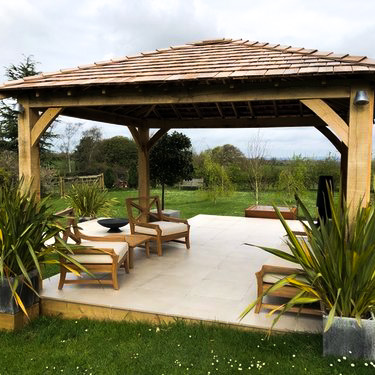
One of the foremost roles of a gazebo is to provide essential shelter and shade, protecting users from the harsh realities of outdoor weather while encouraging year-round enjoyment of natural surroundings. Whether it’s shielding picnickers from the scorching sun on a summer afternoon or offering a dry haven during light rain, gazebos act as a reliable barrier that extends the usability of outdoor areas. This purpose stems from their elevated design, with overhanging roofs that deflect sunlight and precipitation, making them ideal for parks, backyards, or resorts. In regions with intense climates, such as tropical areas prone to sudden showers, gazebos become indispensable, allowing activities like reading, meditating, or simply relaxing without the need for constant indoor confinement, thus underscoring their value in promoting outdoor wellness.
Expanding on this, the sheltering aspect of gazebos goes hand-in-hand with their ability to enhance the overall outdoor experience by creating micro-environments that feel intimate and secure. For homeowners, installing a gazebo can mean transforming a plain lawn into a versatile entertainment zone, complete with shading elements like retractable canopies or pergola-style roofs that allow for adjustable light exposure. This not only addresses what is the purpose of a gazebo in practical terms but also contributes to health benefits, such as reducing UV exposure and fostering a connection with nature. In public settings, like botanical gardens or community parks, gazebos serve as communal shelters that encourage social interaction, proving their adaptability in both private and shared spaces.


Gazebos as Focal Points: Enhancing Aesthetic Appeal
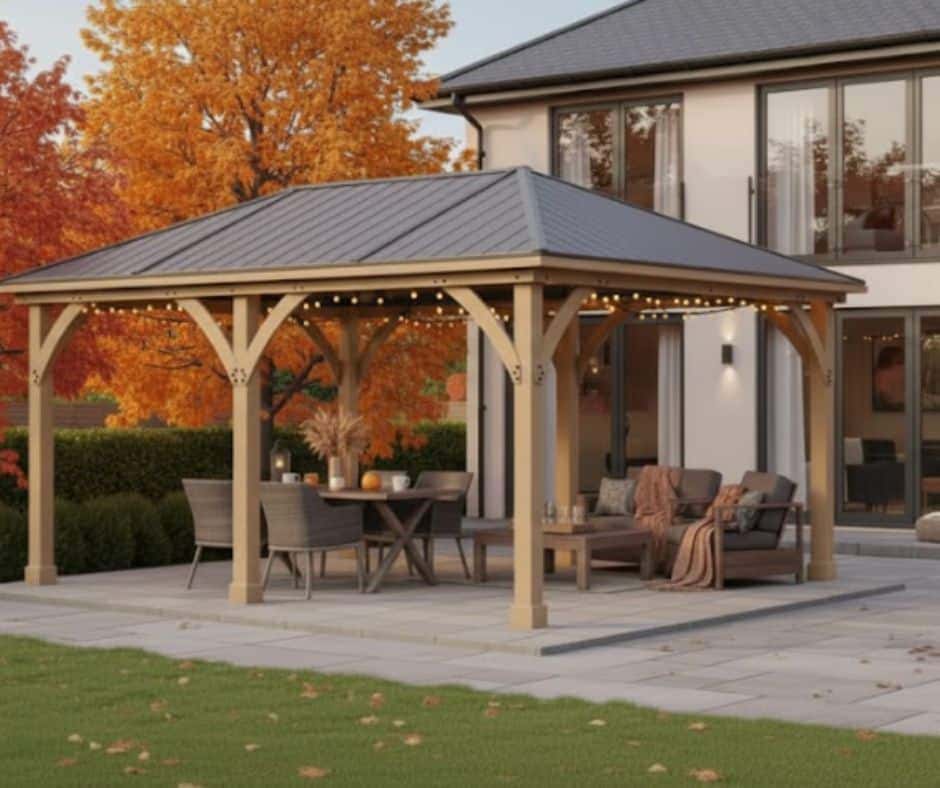
Gazebos often serve as striking focal points in landscapes, elevating the visual appeal of gardens, estates, and public areas through their architectural elegance and thoughtful integration. Their symmetrical designs, with ornate details like arched entrances or decorative finials, draw the eye and add a layer of sophistication that can complement any style, from Victorian to contemporary. This aesthetic role transforms mundane outdoor spaces into picturesque scenes, where a well-placed gazebo becomes the centerpiece of landscaping efforts, perhaps surrounded by flowering plants or water features. By doing so, gazebos not only beautify the environment but also increase property values, making them a smart investment for homeowners seeking to enhance curb appeal.
Delving deeper, the aesthetic enhancement provided by gazebos extends to their ability to evoke emotions and memories, turning everyday vistas into storybook settings. For example, a gazebo nestled in a wooded area might inspire a sense of tranquility and romance, ideal for weddings or proposals, while one in an urban park could symbolize community and accessibility. This versatility highlights what is the purpose of a gazebo as a tool for artistic expression, allowing designers and owners to play with colors, materials, and lighting to create moods that resonate personally. In essence, gazebos are more than structures; they are canvases that reflect cultural and individual tastes, fostering a deeper appreciation for outdoor beauty.


Social Gathering and Relaxation: Gazebos as Entertainment Hubs
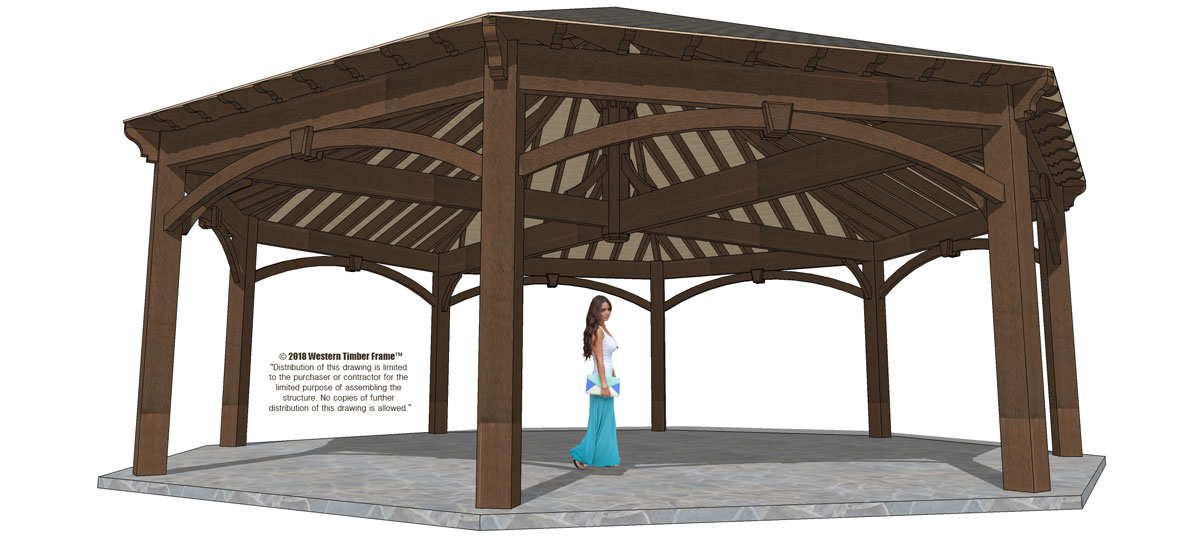
At the heart of a gazebo’s purpose lies its function as a hub for social gatherings and relaxation, where friends and family can congregate in a comfortable, open-air setting that promotes conversation and downtime. These structures facilitate informal events like barbecues or casual meetups, with their spacious layouts encouraging mingling without the confines of walls, which can make interactions feel more natural and freeing. In a fast-paced world, gazebos offer a dedicated space for unwinding, perhaps with cushioned seating or ambient music, allowing individuals to recharge amid nature’s calming influence.
Further enriching this role, gazebos adapt to various entertainment needs, from hosting lively parties to providing serene spots for solitary reflection. They can be equipped with features like built-in grills or sound systems, transforming them into dynamic entertainment centers that cater to both day and night activities. This multifaceted utility underscores what is the purpose of a gazebo in building community bonds, as seen in neighborhood events or family reunions, where the structure becomes a focal point for shared experiences. Ultimately, gazebos promote mental health by blending social interaction with the therapeutic benefits of outdoor exposure.
Functional Applications: Gazebos for Dining and Events
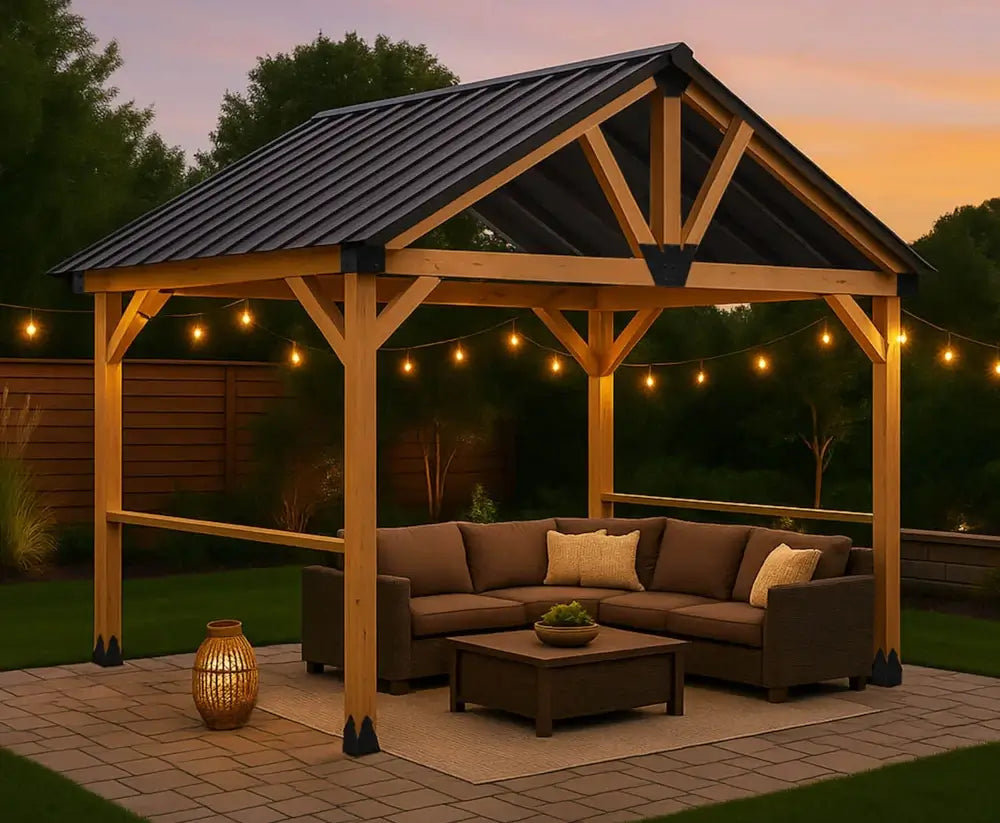
Gazebos excel in functional applications, particularly as venues for outdoor dining and special events, where they combine practicality with ambiance to create memorable occasions. For dining, their elevated platforms and protective roofs make them perfect for al fresco meals, shielding food from elements while allowing diners to enjoy fresh air and scenic views. This setup is especially popular in homes with patios, where gazebos can house tables, chairs, and even kitchens, turning everyday meals into extraordinary experiences that foster family bonding.
Beyond dining, gazebos are highly adaptable for events such as weddings, corporate gatherings, or festivals, offering a blank slate for customization with decorations, lighting, and staging. Their open design ensures good airflow and accessibility, making them inclusive spaces that accommodate large groups without feeling overcrowded. This versatility reveals what is the purpose of a gazebo in extending indoor comforts to the outdoors, as evidenced by their use in resorts or public venues for yoga sessions, concerts, or art exhibitions. In these contexts, gazebos not only facilitate events but also elevate them, adding a touch of elegance and functionality.
Gazebo Design and Placement: Optimizing Purpose and Utility

The design and placement of a gazebo are crucial in optimizing its purpose, ensuring it aligns with the surrounding environment and intended uses for maximum utility. Factors like size, shape, and orientation play key roles; for instance, a hexagonal gazebo might suit a formal garden for aesthetic harmony, while a rectangular one could be ideal for a backyard focused on functionality. Proper placement, such as positioning it to capture prevailing winds or sunlight, enhances its role as a comfortable retreat, making everyday interactions more enjoyable.
To further optimize, designers consider elements like integration with existing landscapes, accessibility, and maintenance needs, which can include eco-friendly materials or modular designs for easy relocation. This thoughtful approach maximizes what is the purpose of a gazebo, turning it into a highly efficient structure that adapts to lifestyle changes, whether for seasonal use or permanent installation. In essence, strategic design and placement ensure gazebos deliver on their promises of shelter, beauty, and utility.


Conclusion
In summary, gazebos serve a multifaceted purpose that extends far beyond simple outdoor structures, encompassing shelter and shade, aesthetic enhancement, social hubs for relaxation, functional applications in dining and events, and optimized design for everyday utility. Through their historical evolution and modern adaptations, they enrich outdoor spaces by promoting wellness, community, and creativity, as explored in the various aspects of this article. Ultimately, understanding what is the purpose of a gazebo reveals its profound impact on enhancing both personal and shared experiences in the natural world.