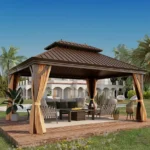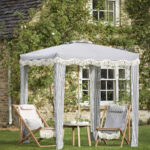
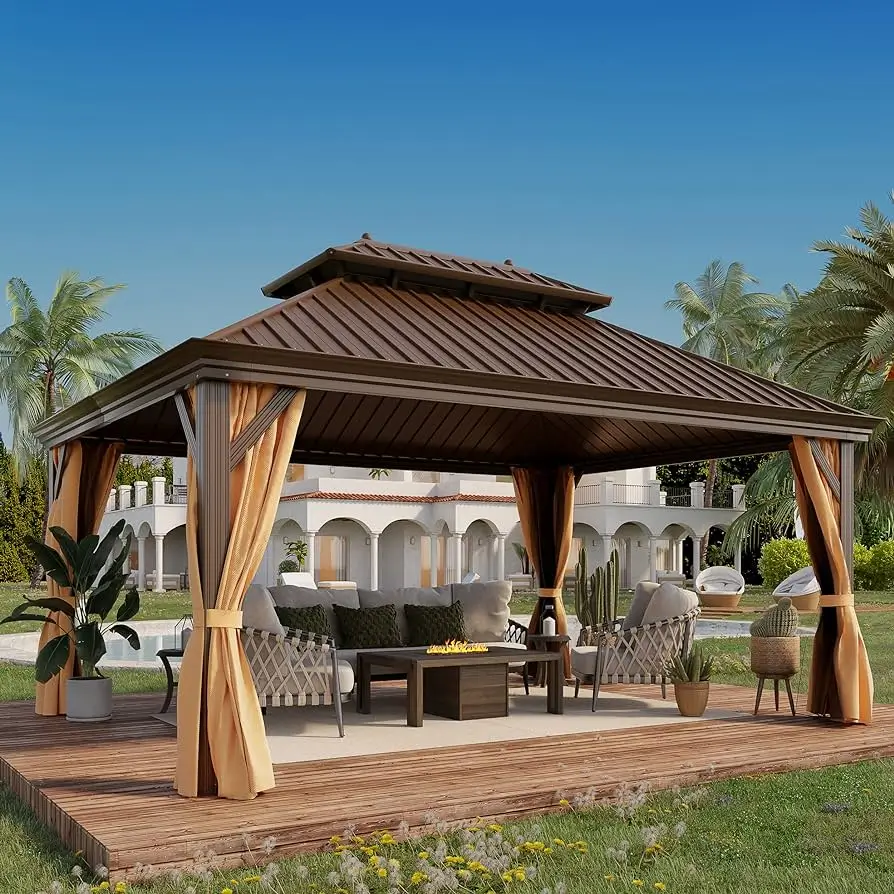
What does a gazebo look like? At its core, a gazebo is an enchanting outdoor structure that serves as a focal point in gardens, parks, and backyards, blending functionality with aesthetic appeal. Typically, it features an open-sided design with a solid roof, supported by posts or columns, and can vary widely in size, shape, and style. From classic wooden octagons nestled in a floral paradise to modern metal variants overlooking a serene lake, gazebos embody a timeless elegance that invites relaxation and social gatherings. In this article, we delve deeper into the elements that define what does a gazebo look like, exploring its architecture, materials, and design nuances to help you visualize and appreciate these structures.
Understanding Gazebo Architecture: An Overview of Common Styles
Gazebos come in a myriad of architectural styles that reflect both historical influences and contemporary trends, making them adaptable to various landscapes and personal tastes. For instance, the Victorian style often boasts intricate details like ornate gingerbread trim, pointed arches, and multi-faceted roofs, evoking a sense of grandeur from the 19th-century era. These designs not only enhance the visual appeal but also tell a story of craftsmanship, with elements drawn from Gothic Revival architecture. On the other hand, modern gazebos might feature sleek lines, minimalist frames, and integrated lighting, appealing to those who prefer a clean, unobtrusive presence in their outdoor spaces. Understanding these styles helps in appreciating how a gazebo can transform an ordinary yard into a personalized retreat, where what does a gazebo look like becomes a canvas for creativity and cultural expression.
Beyond the basics, the architecture of gazebos often incorporates regional adaptations that make them feel uniquely suited to their environment. In tropical areas, for example, gazebos might include wide eaves and ventilation features to combat heat and humidity, while in colder climates, they could have enclosed panels or heaters for year-round use. This versatility ensures that whether you’re picturing a rustic log cabin-inspired gazebo in the mountains or a chic, geometric one in an urban garden, the structure aligns with its surroundings. Architects and designers frequently draw from global influences, such as the pagoda-style gazebos from Asia with their tiered roofs and upward-curving edges, adding an exotic flair. By exploring these common styles, we gain insight into what does a gazebo look like as more than just a shelter—it’s a dynamic architectural element that evolves with societal tastes and technological advancements.
Materials Used in Gazebo Construction: Durability and Aesthetic Considerations
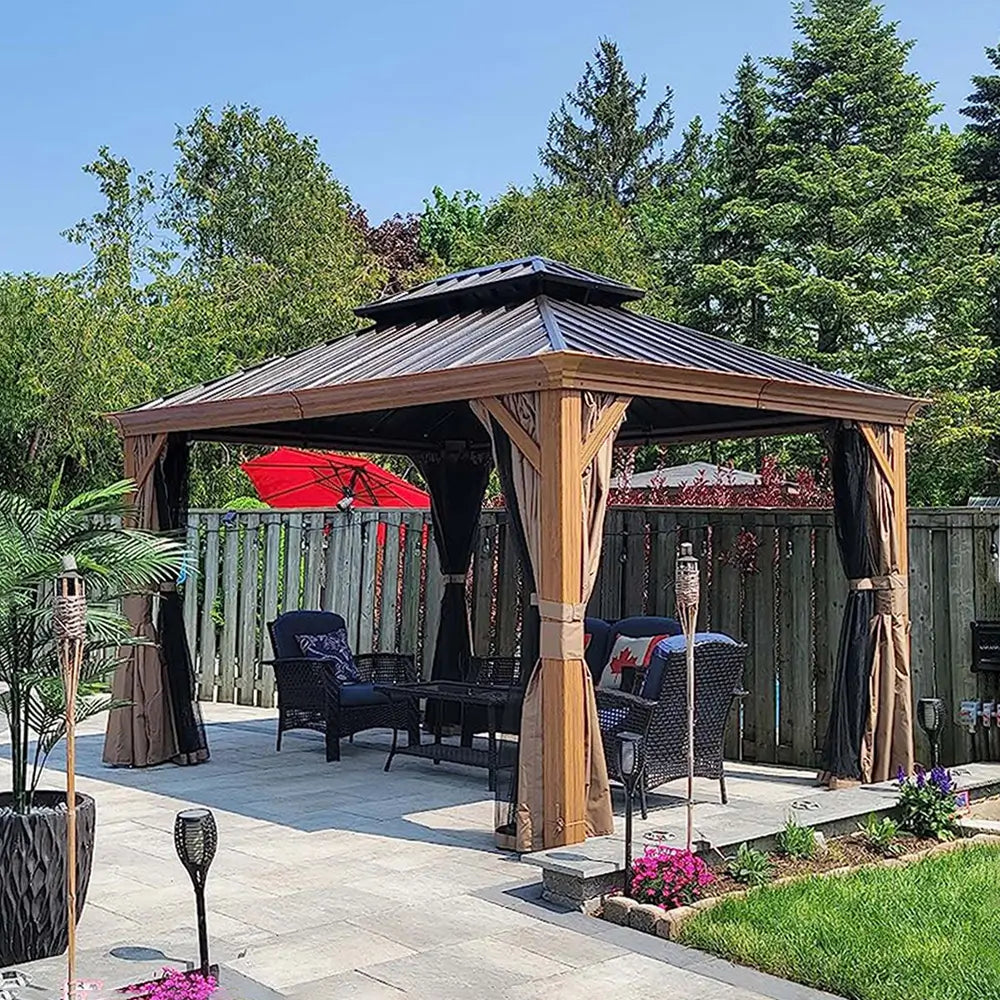
When considering what does a gazebo look like, the choice of materials plays a pivotal role in defining its appearance and longevity, with options ranging from natural wood to synthetic composites. Traditional wooden gazebos, crafted from cedar or redwood, offer a warm, inviting aesthetic that blends seamlessly with natural landscapes, their grains and textures adding a rustic charm. However, these materials require regular maintenance to withstand weather elements like rain and UV exposure, which can lead to warping or fading over time. In contrast, metal gazebos made from aluminum or wrought iron provide a sleek, modern look with superior durability, resisting rust and pests while allowing for intricate designs that elevate the overall structure. Vinyl and PVC alternatives have gained popularity for their low-maintenance appeal, mimicking wood’s appearance without the upkeep, making them ideal for busy homeowners who want a gazebo that looks timeless yet practical.
Delving deeper, the aesthetic considerations of materials extend to how they interact with light, color, and the environment, ultimately shaping what does a gazebo look like in everyday use. For example, a cedar gazebo might feature a natural stain that highlights its earthy tones, creating a harmonious backdrop for outdoor events, while powder-coated metal options can be customized in bold colors to make a statement in a minimalist garden. Sustainability is another key factor; materials like recycled plastic or bamboo are increasingly used for eco-friendly gazebos, offering a contemporary edge with their lightweight and weather-resistant properties. These choices not only affect the visual harmony but also influence the gazebo’s integration into larger landscapes, such as pairing a stone-based foundation with wooden elements for a cohesive, natural flow. By weighing durability against aesthetics, one can envision a gazebo that not only looks beautiful but also stands the test of time.


Gazebo Roof Designs: Exploring Options from Gable to Dome
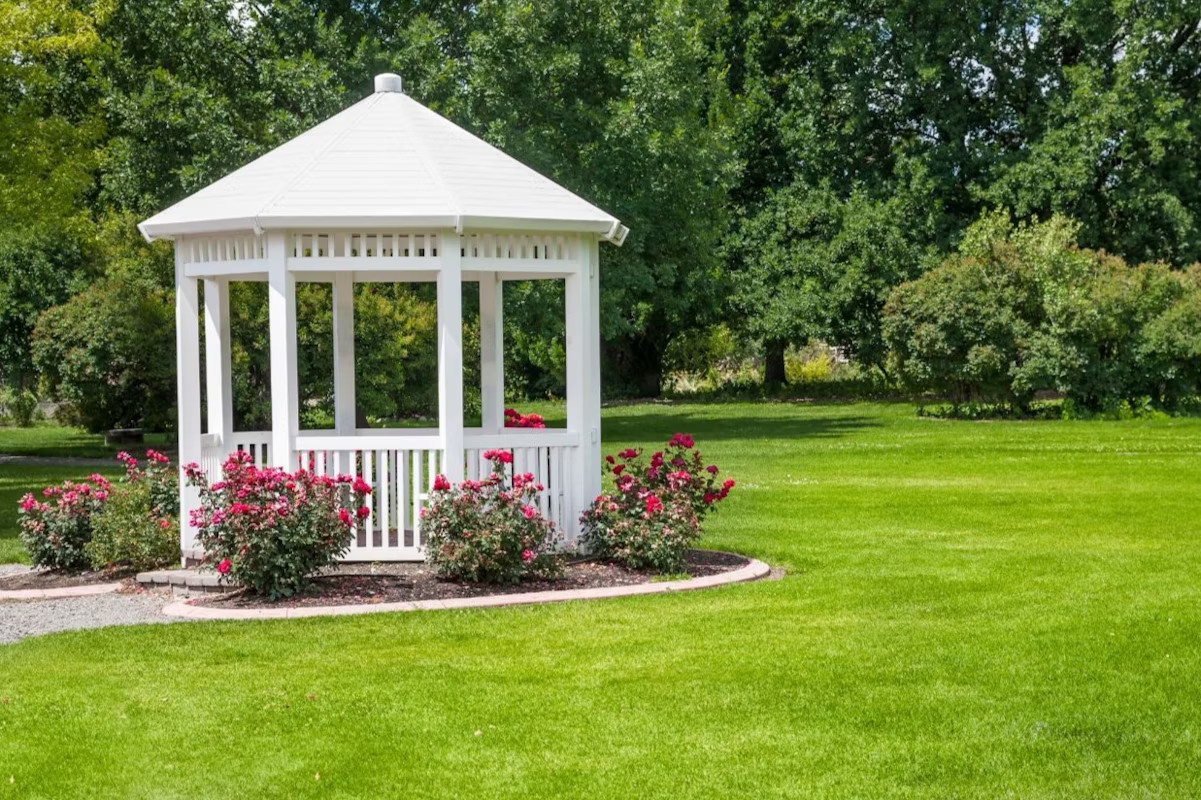
The roof design is a defining feature when pondering what does a gazebo look like, as it dictates the structure’s silhouette and functional capabilities, from providing shade to enhancing airflow. A gable roof, characterized by its triangular shape and pitched sides, is one of the most common choices, offering excellent water runoff and a classic, farmhouse-inspired look that complements traditional gardens. This design allows for ample headroom and can be adorned with decorative finials or vents, making it versatile for various settings. In contrast, a hip roof, with slopes on all four sides, presents a more stable and wind-resistant option, often seen in regions prone to storms, and its symmetrical appearance adds a sense of balance and elegance. Then there’s the dome roof, which imparts a whimsical, almost ethereal quality, curving gracefully to create a focal point that stands out in modern landscapes.
Expanding on these options, the roof design not only influences what does a gazebo look like aesthetically but also impacts its practicality and integration with the environment. For instance, a pavilion-style flat roof might be chosen for large, open-air gazebos where unobstructed views are prized, such as in waterfront properties, but it requires careful sealing to prevent leaks. Ventilated roofs, incorporating screens or louvers, enhance comfort by promoting air circulation, which is essential in warmer climates, while also allowing natural light to filter through. Innovative materials like polycarbonate panels can be integrated into these designs for a translucent effect, turning the roof into a dynamic element that changes with the seasons. Ultimately, selecting a roof design is about balancing form and function, ensuring the gazebo not only looks captivating but also serves as a reliable outdoor haven.
Common Gazebo Features: Railings, Flooring, and Entryways
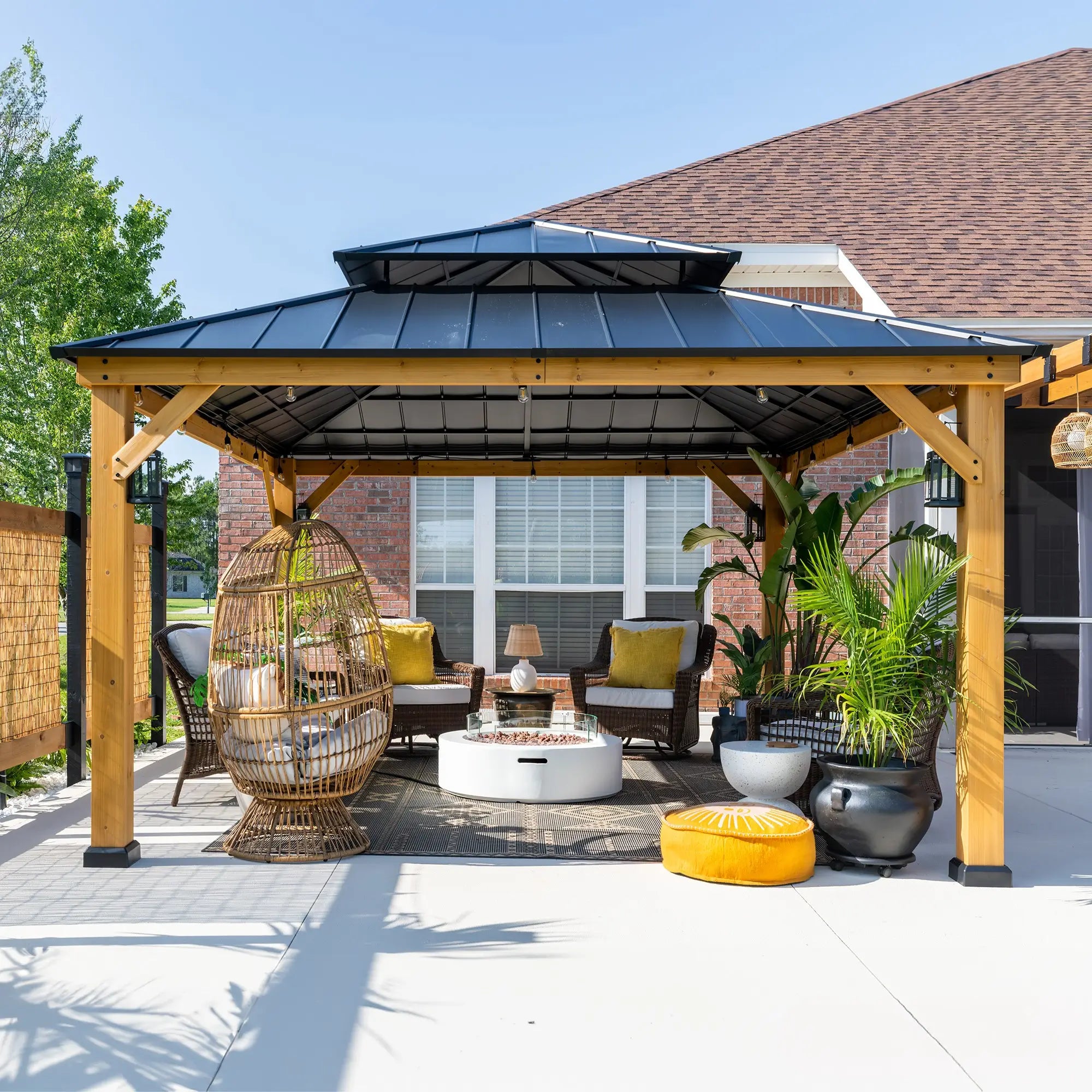
Visualizing what does a gazebo look like involves examining its key features, starting with railings that provide both safety and stylistic flair, framing the structure with elegance. Ornate wrought-iron railings can evoke a Victorian romance, complete with scrolls and patterns that add intricate details, while simple wooden balusters offer a clean, rustic appeal suitable for cottage-style gardens. These elements not only define the gazebo’s boundaries but also influence its overall accessibility, with options like ADA-compliant designs ensuring inclusivity. Flooring, another crucial aspect, ranges from durable composite decking that mimics wood’s warmth without the maintenance to elegant tile or stone surfaces that introduce a touch of luxury, making the space inviting for barefoot strolls or seated gatherings.
Further, entryways serve as the welcoming gateway that shapes what does a gazebo look like from the first glance, often featuring arched doorways or wide openings to enhance the flow between indoor and outdoor spaces. A grand staircase leading up to a double-door entry can transform a basic gazebo into a statement piece, especially when paired with landscaping elements like flowering vines. Meanwhile, minimalist entryways with sliding screens provide privacy and versatility, allowing users to adapt the space for events or solitude. These features, when combined thoughtfully, create a cohesive design that prioritizes both aesthetics and usability, turning the gazebo into a multifunctional extension of the home.
Visual Guide to Gazebo Aesthetics: Size, Shape, and Placement
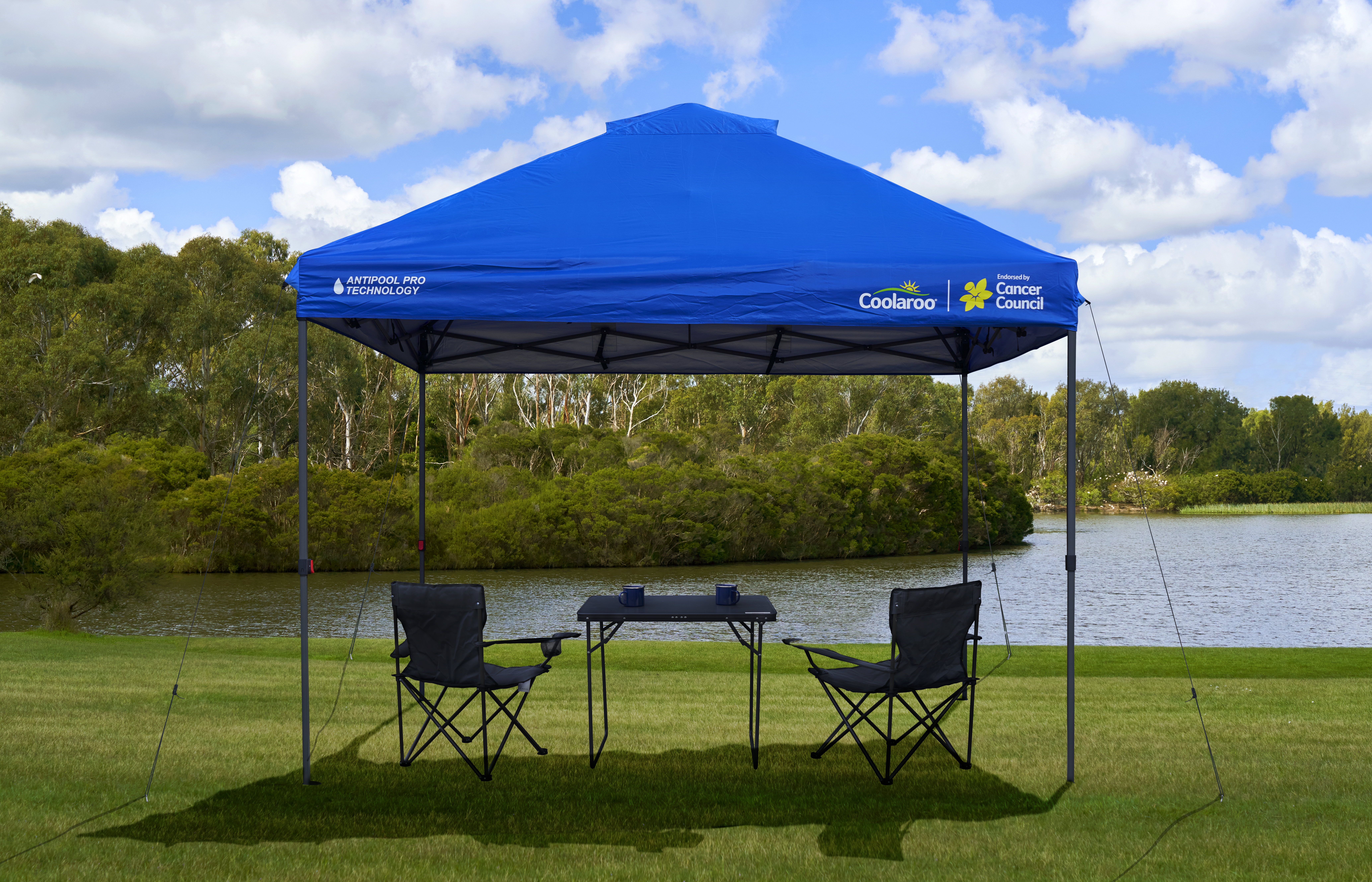
When exploring what does a gazebo look like, size emerges as a fundamental aesthetic element, influencing how the structure interacts with its surroundings and the scale of activities it can accommodate. A compact 8-foot octagonal gazebo might suit a small urban balcony, offering intimate seating without overwhelming the space, while a sprawling 20-foot hexagonal design could dominate a large estate, providing room for parties or yoga sessions. The shape itself adds variety; circular gazebos exude a sense of unity and flow, perfect for meditative spots, whereas rectangular ones lend a more formal, architectural presence, aligning with straight-lined gardens. Placement is equally vital, with options like centering it in a lawn for symmetry or tucking it into a wooded area for seclusion, each choice enhancing the visual harmony of the landscape.
Beyond the basics, the aesthetics of size, shape, and placement involve nuanced decisions that define what does a gazebo look like in a holistic way. For example, scaling a gazebo to match nearby elements, such as aligning its height with surrounding trees, creates a balanced composition that feels organic and integrated. Shapes can be customized with facets or curves to reflect personal style, like a polygonal design that incorporates local motifs for a cultural touch. Placement strategies, such as positioning near water features for reflection or on a hill for panoramic views, add layers of visual interest, transforming the gazebo into a dynamic focal point. This guide encourages envisioning gazebos not just as static structures but as evolving elements that enhance the beauty and functionality of outdoor environments.
Gazebo Design Elements: A Detailed Examination of Structure and Appearance
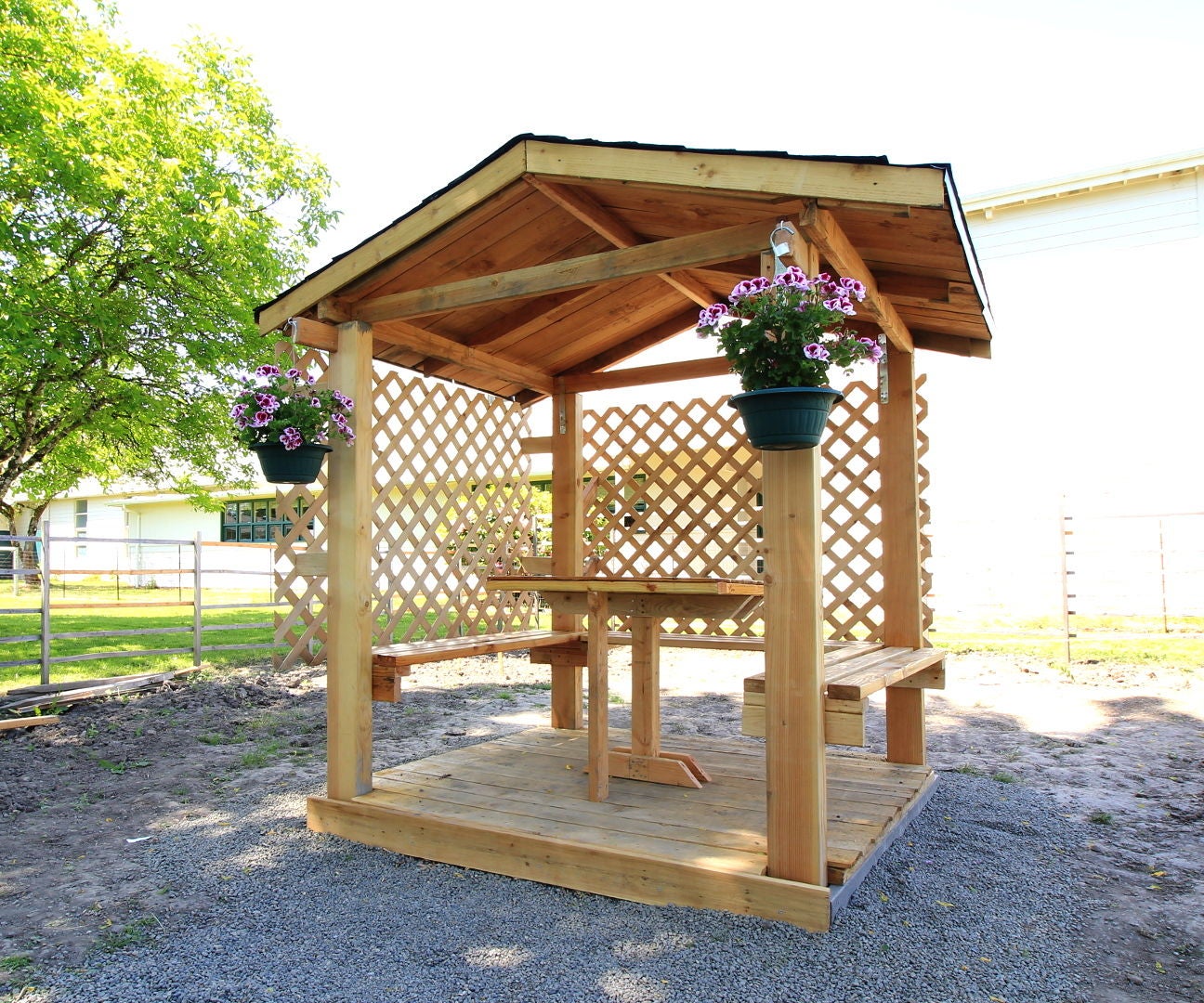
Delving into what does a gazebo look like requires a close look at its structural design elements, such as the foundational posts and beams that form the skeleton of the structure. These components, often made from pressure-treated lumber or sturdy steel, provide the necessary support while allowing for creative expression through finishes like carved details or painted accents. The appearance of these elements can vary dramatically; for instance, fluted columns might lend a classical Greek influence, evoking temple-like grandeur, whereas exposed beams in a contemporary design highlight industrial chic. This interplay of structure and style ensures the gazebo not only stands firm against the elements but also captivates visually.
In greater detail, the design elements extend to finer aspects like latticework and finials, which add personality and refine what does a gazebo look like overall. Lattice panels, for example, can introduce privacy while permitting breezes and views, their geometric patterns creating a play of light and shadow that evolves throughout the day. Finials atop the roof serve as crowning touches, from simple spheres to elaborate spires, symbolizing the pinnacle of design intent. By examining these elements, we appreciate how gazebos are crafted as comprehensive works of art, where every structural choice contributes to a cohesive and enchanting appearance.

Conclusion
In summary, exploring what does a gazebo look like reveals a world of architectural diversity, from classic styles and durable materials to innovative roof designs and essential features. We’ve examined how common elements like railings, flooring, and entryways enhance functionality and aesthetics, while size, shape, placement, and detailed design choices allow for endless customization. Ultimately, gazebos stand as versatile outdoor sanctuaries that blend practicality with beauty, inviting all to create spaces that reflect personal visions and environmental harmony.