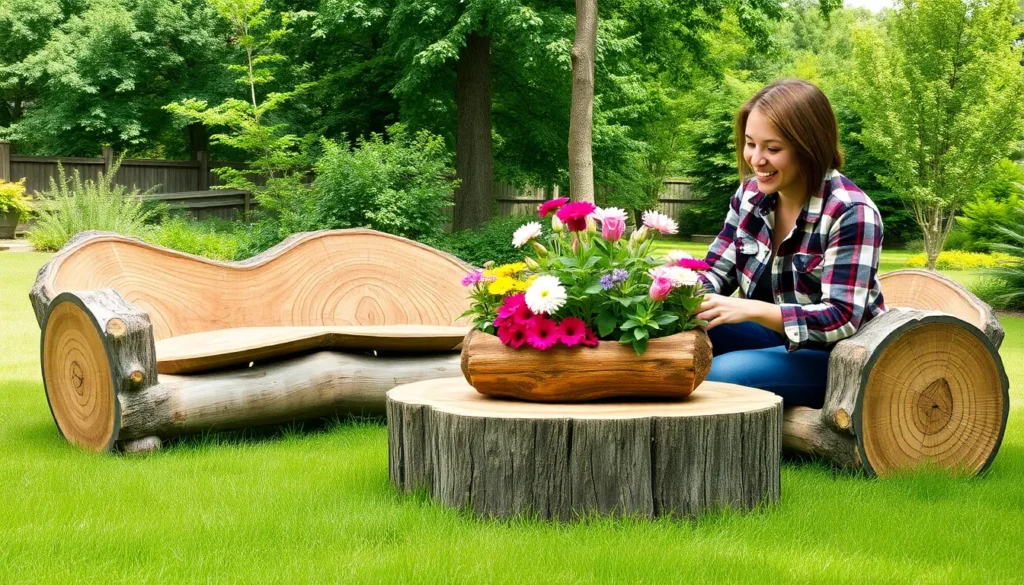
We’ve all walked past fallen trees and wondered what possibilities lie hidden in those weathered logs. Those seemingly ordinary pieces of wood hold incredible potential for transforming our outdoor spaces into something truly extraordinary.
Whether you’re dealing with storm damage cleanup or simply want to add rustic charm to your backyard, repurposing tree logs opens up a industry of creative opportunities. From functional furniture pieces to stunning garden features, these natural materials can become the centerpiece of your outdoor design without very costly.
The best part? You don’t need advanced woodworking skills to create impressive results. With the right inspiration and basic tools, we’ll show you how to turn those logs into conversation starters that’ll have your neighbors asking for your secret. Let’s explore the endless possibilities waiting in your own backyard.
Transform Your Yard With Creative Tree Log Garden Borders
Log borders offer one of the most versatile ways to define outdoor spaces while maintaining that natural aesthetic we’ve been exploring. These rustic boundaries create structure without overwhelming your industry design.
Natural Edging for Flower Beds
Split logs work beautifully as natural flower bed edging that complements any garden style. We position half logs cut side down to create clean lines that keep mulch contained and grass from encroaching. The curved surface faces outward, providing an organic border that follows your bed’s natural contours.
Smaller diameter logs create subtle borders perfect for herb gardens and annual flower displays. We recommend logs between 6-8 inches in diameter for easy handling and proportional aesthetics. These borders require minimal ground preparation and can be adjusted seasonally as your garden evolves.
Stacked log borders add height and visual interest to perennial beds and shrub plantings. We stack 2-3 logs of varying sizes to create terraced effects that work especially well on sloped terrain. This technique also provides excellent drainage while creating microclimates for different plant varieties.
Raised Garden Box Construction
Corner notching transforms logs into sturdy raised bed walls that last for years. We cut matching notches at log ends to create interlocking corners that require no additional hardware. This traditional technique works best with logs 8-12 inches in diameter for vegetable gardens and deeper rooted plants.
Rebar anchoring secures log garden boxes on level ground or gentle slopes. We drive 24-inch rebar stakes through pre-drilled holes to anchor each log layer. This method prevents shifting during freeze-thaw cycles and maintains structural integrity through multiple growing seasons.
Layered construction allows for customizable garden box heights based on your crops and accessibility needs. We typically build 12-18 inch high boxes for most vegetables, while deeper boxes accommodate root vegetables like carrots and potatoes. Each layer adds approximately 6-8 inches of growing depth.
Pathway Delineation Techniques
Partially buried logs create defined walkways that guide foot traffic naturally through your outdoor space. We bury logs one-third deep to ensure stability while maintaining visibility. This technique works particularly well for winding garden paths and nature trail markers.
Log rounds serve as stepping stones that complement longer log borders perfectly. We space 18-inch diameter rounds 24 inches apart for comfortable walking pace. These natural pavers handle weather exposure well and develop attractive patina over time.
Alternating log sizes create ever-changing pathway borders that add visual rhythm to long stretches. We alternate between 10-inch and 6-inch diameter logs to break up monotony while maintaining consistent height. This pattern technique draws the eye forward and creates natural stopping points for garden viewing.
Build Functional Outdoor Furniture From Tree Logs
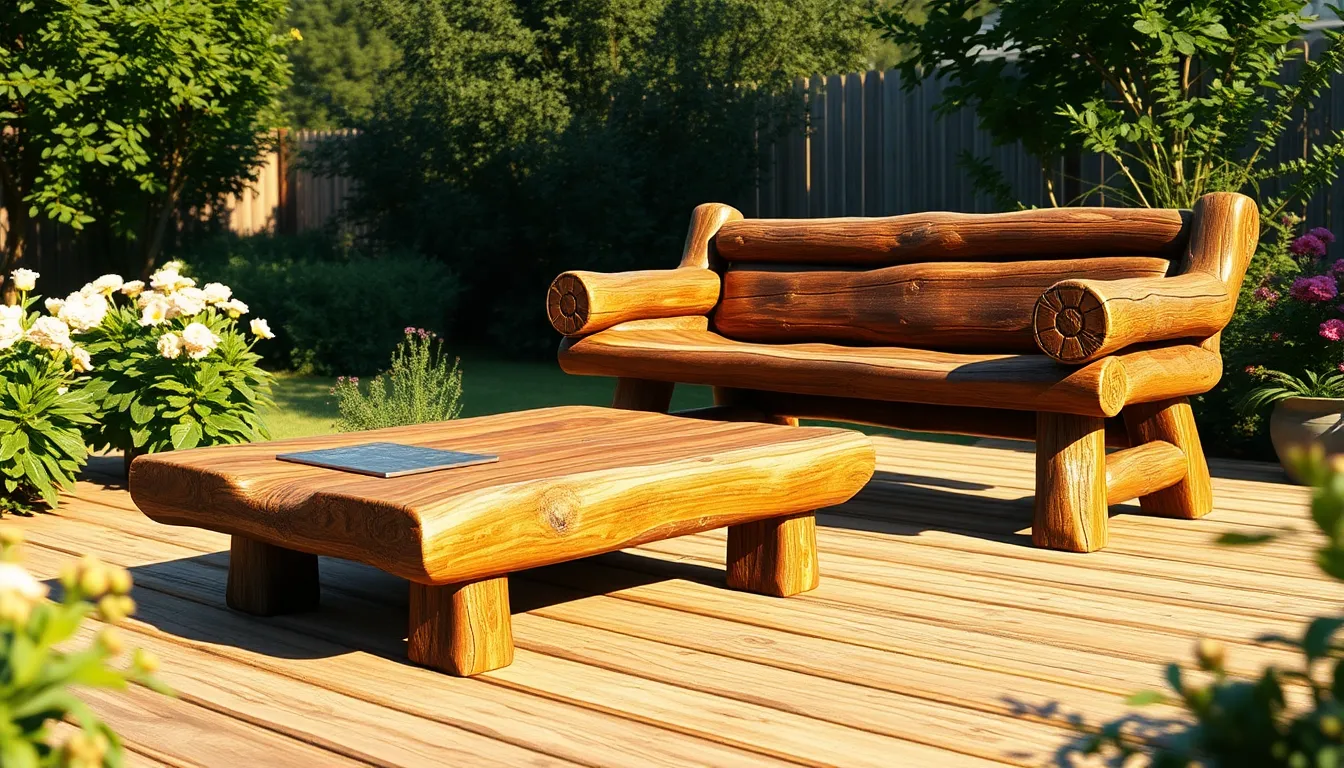
Transforming tree logs into outdoor furniture creates durable pieces that naturally withstand weather while adding rustic charm to our outdoor spaces. We’ll explore three essential furniture categories that showcase the versatility of log construction.
Rustic Log Benches and Seating
Simple log benches form the foundation of rustic outdoor seating, utilizing basic slab construction mounted on sturdy log supports. Advanced designs include Adirondack style chairs featuring angled backs and comfortable armrests that invite relaxation. Safety becomes our priority when crafting these pieces, requiring thorough sanding of rough edges and ensuring stable, solid joints throughout construction.
Multiple joining methods provide flexibility in our bench construction, including dowels, tenons, lag bolts, and screws for secure assembly. Comfort considerations guide our design choices, with proper seat height and back angle measurements ensuring ergonomic seating. Weather protection extends the life of our creations through outdoor varnish or sealant applications that guard against moisture damage.
Coffee Tables and Side Tables
Thick log slabs create stunning tabletops when mounted on sturdy log legs or tree stumps, offering natural conversation pieces for patios and porches. Creative assembly techniques allow us to combine multiple logs into unique shapes and configurations that serve as functional art. Side tables complement our seating arrangements while providing convenient surfaces for beverages and outdoor accessories.
Professional finishing techniques enhance both appearance and durability, starting with comprehensive sanding and followed by quality sealing applications. Wood preservation becomes essential for outdoor use, protecting our investments against sun damage and moisture penetration. Design flexibility allows us to customize table heights and dimensions to match our exact outdoor furniture needs.
Outdoor Dining Sets
Large log tables paired with matching benches or chairs create impressive dining sets that accommodate family gatherings and outdoor entertaining. Ergonomic planning ensures comfortable dining experiences through proper table height coordination with seating dimensions. Space customization allows us to tailor log sizes and overall designs to fit our available outdoor areas perfectly.
Durable materials like cedar or pressure treated pine combined with corrosion resistant hardware guarantee long lasting performance in outdoor conditions. Construction planning becomes crucial for achieving professional results, whether we follow detailed plans from resources like the Lumberjack Tools 20 Log Furniture Plans Booklet or create our own custom designs. Weather resistance features protect our dining sets through seasons of outdoor use while maintaining their natural beauty.


Last update on 2026-03-02 / Affiliate links / Images from Amazon Product Advertising API
Create Stunning Tree Log Planters for Your Garden
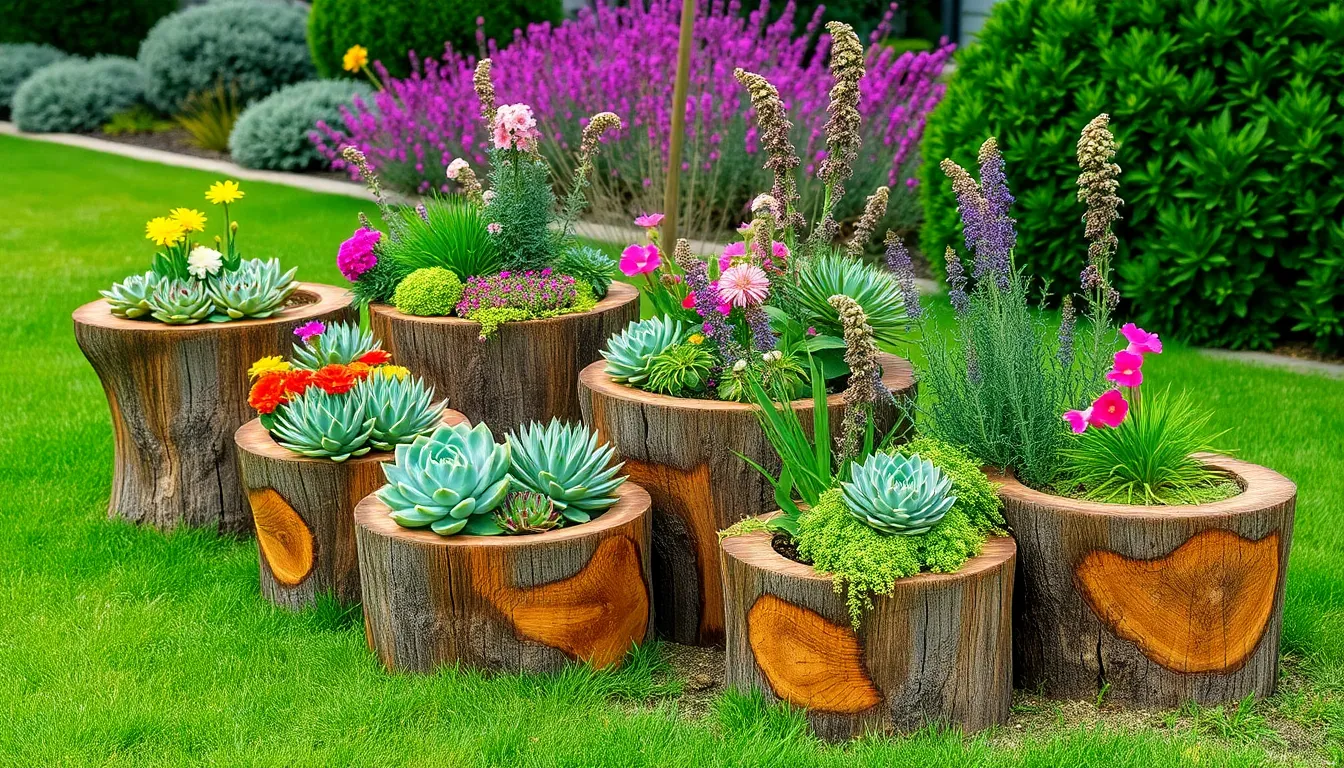
Transform fallen logs into beautiful natural containers that add rustic elegance to your outdoor space. These eco-friendly planters blend seamlessly with garden landscapes while providing excellent growing conditions for various plants.
Hollow Log Planter Boxes
Hollow log planter boxes offer the perfect foundation for creating natural garden containers. We start by cutting logs to our desired length and carefully hollowing out the center without cutting completely through to maintain structural integrity. Basic tools like saws, drills, and routers make this project accessible for beginner woodworkers.
Creating proper drainage prevents waterlogging and ensures plant health. We drill several holes in the bottom of the hollowed section to allow excess water to escape. Stripping bark partially can enhance the aesthetic appeal while maintaining the log’s natural character.
These versatile containers work exceptionally well for succulents, colorful flowers, and small shrubs. Their natural appearance integrates effortlessly into existing industry designs, creating focal points that feel organic rather than manufactured.
Multi-Level Planting Arrangements
Multi-level arrangements maximize growing space while creating visually striking garden features. We achieve ever-changing displays by using logs of different sizes or implementing strategic stacking techniques. Horizontal and vertical positioning options allow for creative configurations that suit various outdoor spaces.
Tiered arrangements enable us to mix diverse plant types within the same display area. Flowers can cascade from upper levels while herbs occupy middle sections and succulents fill lower containers. This layered approach enhances both visual interest and garden productivity by accommodating plants with different light and water requirements.
Stacking multiple logs creates eye-catching garden centerpieces that draw attention and conversation. We secure stacked arrangements properly to ensure stability and safety while maintaining the natural aesthetic that makes log planters so appealing.
Herb Garden Log Containers
Log containers provide ideal growing environments for herb gardens with their natural insulation properties. Wood material helps maintain consistent soil moisture levels, reducing watering frequency while protecting delicate herb roots from temperature fluctuations. Smaller hollowed sections accommodate individual herb varieties, while larger logs can house multiple plants together.
Positioning these herb containers on patios, garden beds, or balconies ensures convenient access for cooking and harvesting. We can group different log sizes to create organized herb collections that remain easily accessible throughout the growing season. The rustic appearance adds charm to outdoor cooking areas while providing fresh ingredients within arm’s reach.
Multiple log arrangements allow us to separate herbs by growth requirements or culinary uses. Fast-growing herbs like basil occupy one container while slower perennials like rosemary thrive in another, ensuring optimal growing conditions for each variety.



Last update on 2026-02-27 / Affiliate links / Images from Amazon Product Advertising API
Design Eye-Catching Tree Log Fire Features
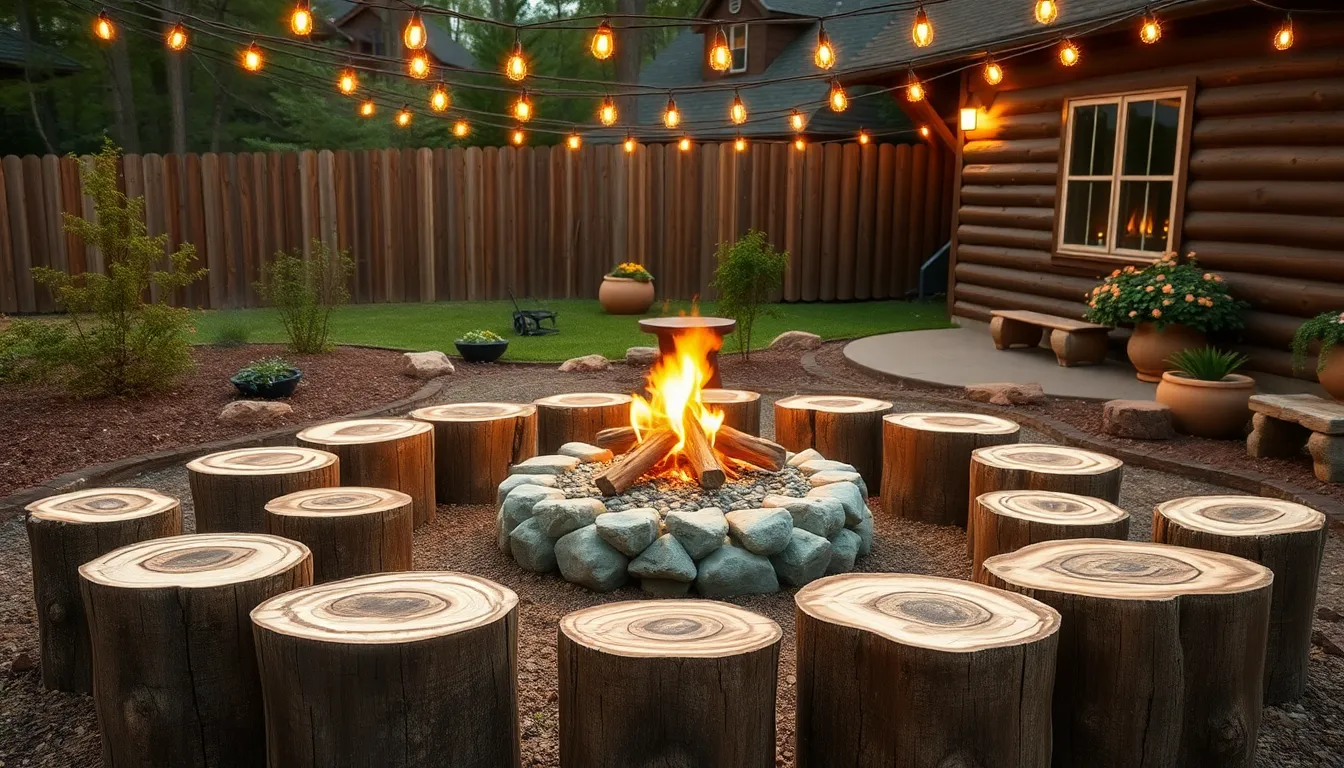
Fire features transform any outdoor space into a captivating gathering spot, and tree logs offer the perfect natural foundation for creating memorable designs. We’ll explore practical ways to incorporate logs into your fire pit setup while maximizing both function and visual appeal.
DIY Log Fire Pit Surrounds
Cutting tree trunks into stool-height sections creates an inviting circular seating arrangement around your fire pit. We recommend arranging these log sections around a stone-lined fire pit for optimal safety and comfort.
Building a circular fire pit with cut sandstone or rocks provides excellent stability when properly backfilled. This design works particularly well in large outdoor spaces where you need ample seating for gatherings.
Integrating logs with gravel or pavers creates a minimalistic fire pit area that balances openness with cozy warmth. This approach combines rustic textures with clean lines for a modern outdoor aesthetic.
Decorative Fire Ring Accents
Metal fire rings with log seating combine safety features with natural styling elements. We find that these rings provide essential protection while maintaining the rustic charm that makes log fire features so appealing.
Adding twinkling string lights overhead and colorful furnishings helps define your fire pit space effectively. Logs provide a grounded, earthy foundation that anchors these brighter design elements.
Mixing logs with stone, metal, or concrete materials creates striking contrast in your fire feature design. This combination delivers both rustic appeal and sophisticated clean lines that work in various outdoor settings.
Wood Storage Answers
Stacking firewood on log racks next to your fire pit blends utility with thoughtful design. We recommend keeping wood storage close to maintain easy access while preserving the natural aesthetic.
Vertical log stacks and log compartments can be creatively integrated into your industry design. These storage answers complement your fire feature’s natural theme while maintaining a tidy appearance.
Incorporating firewood storage directly into log bench bases serves dual purposes efficiently. This approach keeps wood dry and accessible while providing additional seating around your fire pit area.
| # | Preview | Product | Price | |
|---|---|---|---|---|
| 1 |

|
The Last Day Of World War I | Buy on Amazon | |
| 2 |

|
Tangerine - Crushed Fire Glass for Indoor and Outdoor Fire Pits or Fireplaces | 10 Pounds | 1/2 Inch... | Buy on Amazon |
Last update on 2026-02-27 / Affiliate links / Images from Amazon Product Advertising API
Construct Tree Log Play Areas for Children
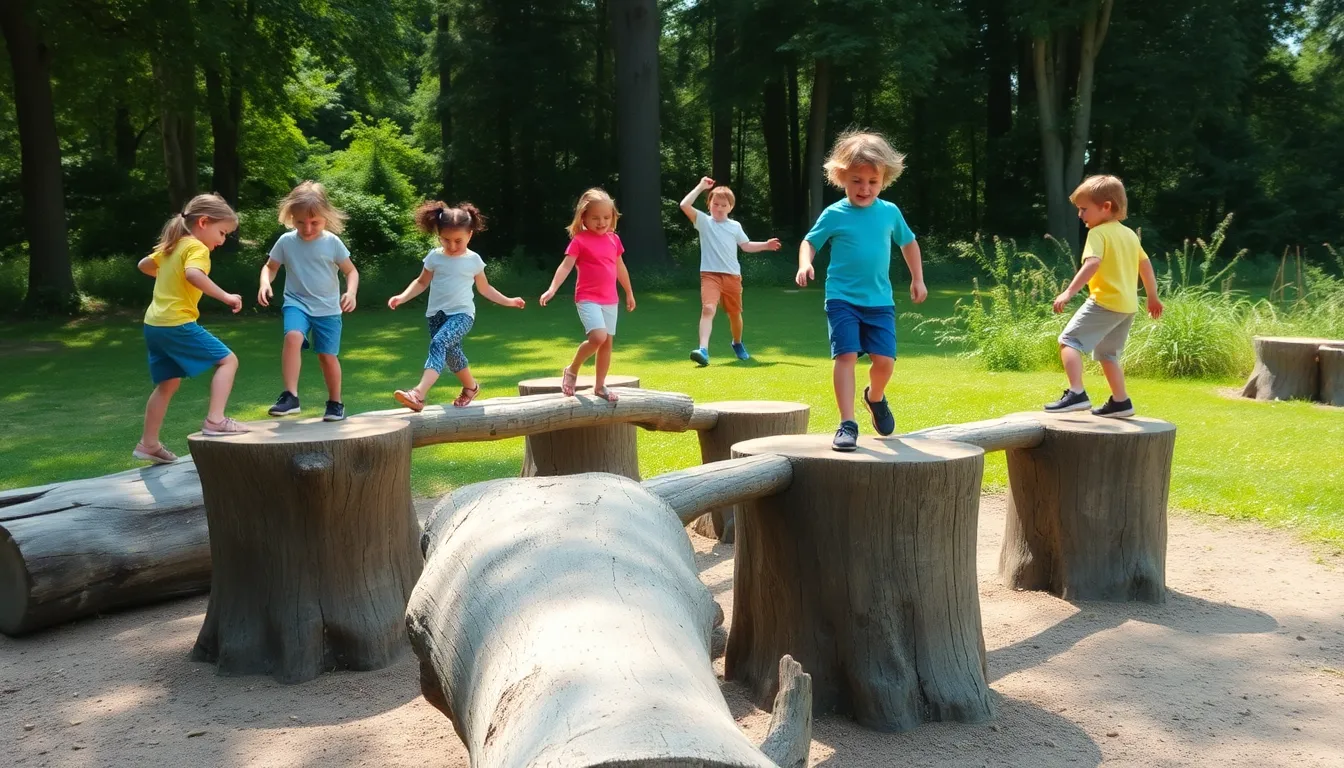
Large tree logs and stumps positioned strategically in our outdoor spaces create natural climbing and jumping platforms that develop children’s gross motor skills. We can transform these versatile elements into stages for imaginative play, musical instruments, or tabletops for creative activities.
Natural Playground Equipment
Boulders, rocks, tree stumps, and hollow logs furnish inviting and versatile play areas that encourage open-ended exploration. We embed logs and stumps directly into the industry for climbing, balancing, or sitting, creating seamless integration with the natural environment.
Smaller wooden slabs serve as interactive features like geoboards where children use nails and rubber bands to create patterns. These elements enhance both fine motor skills and creativity while maintaining the organic aesthetic we’re building throughout our outdoor space.
Various natural elements work together to create multifunctional zones that adapt to different play styles and age groups. We arrange these components to encourage decision-making and spatial awareness as children navigate their natural playground environment.
Balance Beams and Climbing Logs
Long, sturdy logs laid horizontally serve as natural balance beams that challenge children’s balance and spatial awareness skills. We position these logs at ground level for beginners or slightly elevated for more advanced users.
Climbing structures emerge when we arrange logs at different heights and angles, building strength, coordination, and confidence in young adventurers. Multiple log configurations create varied difficulty levels that grow with children’s abilities.
Smooth and safe log surfaces ensure manageable risk levels while allowing children to assess their own capabilities during physical activity. We sand rough edges and check for splinters regularly to maintain safe play conditions without eliminating natural challenges.
Sandbox Borders and Seating
Tree logs make excellent rustic borders for sandboxes, containing sand effectively while adding organic aesthetic appeal to our play areas. We position these borders at appropriate heights for easy access and comfortable play.
Larger diameter logs repurpose beautifully as seating around sandbox areas, providing rest spots and gathering places for social interaction. These natural seats offer supervision points for adults while maintaining the cohesive design theme.
Strategic placement of log seating creates conversation areas where children can plan their next adventures or simply enjoy quiet moments together. We space these elements to encourage both active play and peaceful reflection within our natural playground environment.



Last update on 2026-02-27 / Affiliate links / Images from Amazon Product Advertising API
Install Tree Log Water Features in Your Landscape

Tree logs transform ordinary outdoor spaces into captivating aquatic environments that blend functionality with natural beauty. We’ll explore how these versatile wood elements create stunning water features while supporting your industry’s ecological health.
Fountain Base Constructions
Sturdy log bases support garden fountains while maintaining an earthy aesthetic. We recommend using thick, stable logs that can handle the weight of water pumps and plumbing systems without compromising their natural appearance. Hollowed tree stumps work exceptionally well as fountain bodies where water circulates continuously, creating those soothing sounds we all love in our outdoor spaces.
Strategic carving and hollowing direct water flow effectively through log structures. We’ve found that combining logs with copper pipes or hidden reservoirs ensures quiet water circulation while preserving the rustic charm. Large logs can serve as dramatic focal points with water flowing over their surfaces or dripping gently from attached spouts, perfectly mimicking natural springs in your backyard.
Weatherproofing extends the life of log fountain bases significantly. We apply marine grade sealants to protect against moisture damage while allowing the wood to breathe naturally. This treatment prevents rot and splitting while maintaining the log’s organic texture and appearance.
Pond Edge Treatments
Log placement around pond edges creates natural transitions between water and land areas. We position logs partially submerged to establish visual continuity while providing functional benefits like soil stabilization and erosion prevention. These organic borders soften harsh pond margins and integrate seamlessly with surrounding plantings.
Biodiversity increases dramatically when logs provide shelter for wildlife. We’ve observed that strategically placed logs become habitat features for amphibians, insects, and small aquatic creatures. This natural shelter system supports network health while adding authentic woodland character to your water feature.
Various log sizes accommodate different pond scales and design preferences. We use whole logs for larger ponds and smaller branches for intimate water gardens. The key involves matching log proportions to your pond’s dimensions while maintaining visual balance throughout the industry.
Rain Garden Accents
Decorative log edging guides stormwater movement while providing natural seating options. We arrange logs to direct runoff toward planted areas where absorption occurs naturally. Their porous surfaces slow water flow and increase infiltration rates, supporting the rain garden’s primary function of managing stormwater effectively.
Structural interest develops when logs complement moisture loving plants like ferns and azaleas. We scatter logs throughout rain gardens to create focal points that enhance both ecological and aesthetic value. This combination of organic materials with specialized plantings creates ever-changing visual layers throughout the growing season.
Functional benefits multiply when logs serve multiple purposes in rain garden design. We use logs as pathway markers, plant supports, and natural barriers that define different zones within the garden. This multifunctional approach maximizes space efficiency while maintaining the naturalistic appearance that makes rain gardens so appealing.



Last update on 2026-03-02 / Affiliate links / Images from Amazon Product Advertising API
Add Tree Log Lighting Elements to Your Outdoor Space
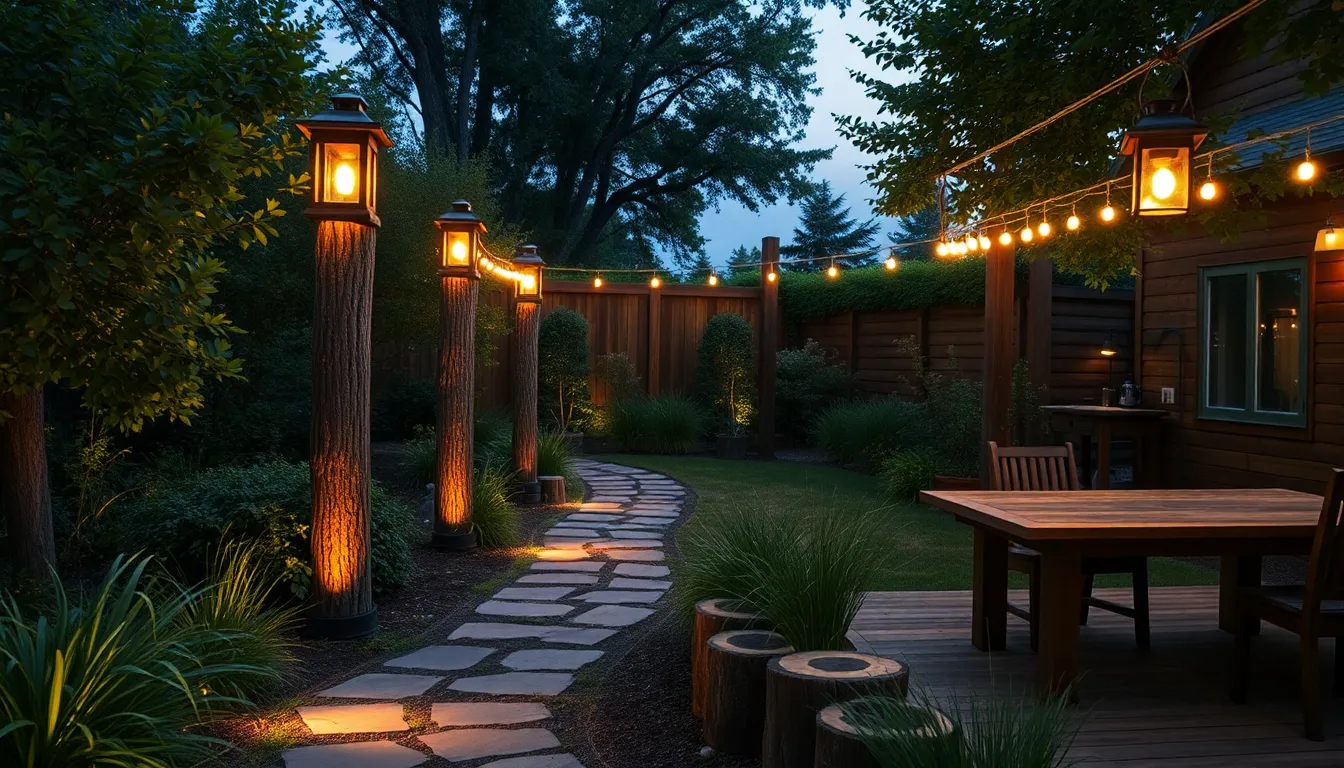
Transform your repurposed tree logs into stunning illuminated features that extend the usability of your outdoor space well into the evening hours.
Solar Light Integration
Solar-powered fixtures embedded directly into tree logs create an eco-friendly lighting solution that requires zero wiring or electrical work. We recommend positioning solar spike lights at adjustable angles to highlight the natural bark textures while providing functional pathway illumination. These fixtures charge automatically during daylight hours and activate at dusk, making them perfect for accent lighting around seating areas or garden borders.
Cut tree stumps work exceptionally well as bases for solar light installations since their flat surfaces accommodate various fixture sizes. Drilling small pilot holes allows us to secure solar lights directly into the wood, creating permanent fixtures that blend seamlessly with the natural industry. The combination of sustainable lighting technology with repurposed wood materials maximizes both environmental benefits and cost effectiveness.
Lantern Post Creations
Hollowed tree logs transform into charming rustic lantern posts that add vintage character to any outdoor setting. We can carve or drill cavities into standing log sections to accommodate battery-powered or solar lanterns, creating focal points that cast warm ambient light throughout garden spaces. Metal brackets attached to the log exteriors provide secure mounting points for hanging lanterns while preserving the wood’s natural appearance.
Combining logs with glass or metal lantern housings enhances both durability and visual appeal, especially when we position these fixtures near patios or entertainment areas. Taller log sections work best for lantern posts since they elevate the light source above surrounding vegetation and furniture. Weather-resistant finishes applied to the wood ensure these custom lantern posts withstand seasonal changes while maintaining their rustic charm.
Pathway Illumination Ideas
Short log sections cut from larger trees create perfect bases for pathway lighting systems that guide visitors safely through outdoor spaces. We position these log rounds at regular intervals along walkways, topping each with small solar-powered fixtures that provide consistent illumination without overwhelming the natural industry. Strategic placement ensures adequate visibility while maintaining harmony with existing garden elements.
String lights or bistro bulbs suspended between taller log posts create magical overhead pathway illumination that transforms ordinary walkways into enchanting outdoor corridors. Uplights positioned at ground level near pathway logs cast dramatic shadows while highlighting the natural wood grain patterns. This indirect lighting approach illuminates paths effectively while creating visual interest through interplay between light and shadow on textured bark surfaces.
Build Tree Log Storage Solutions for Your Yard
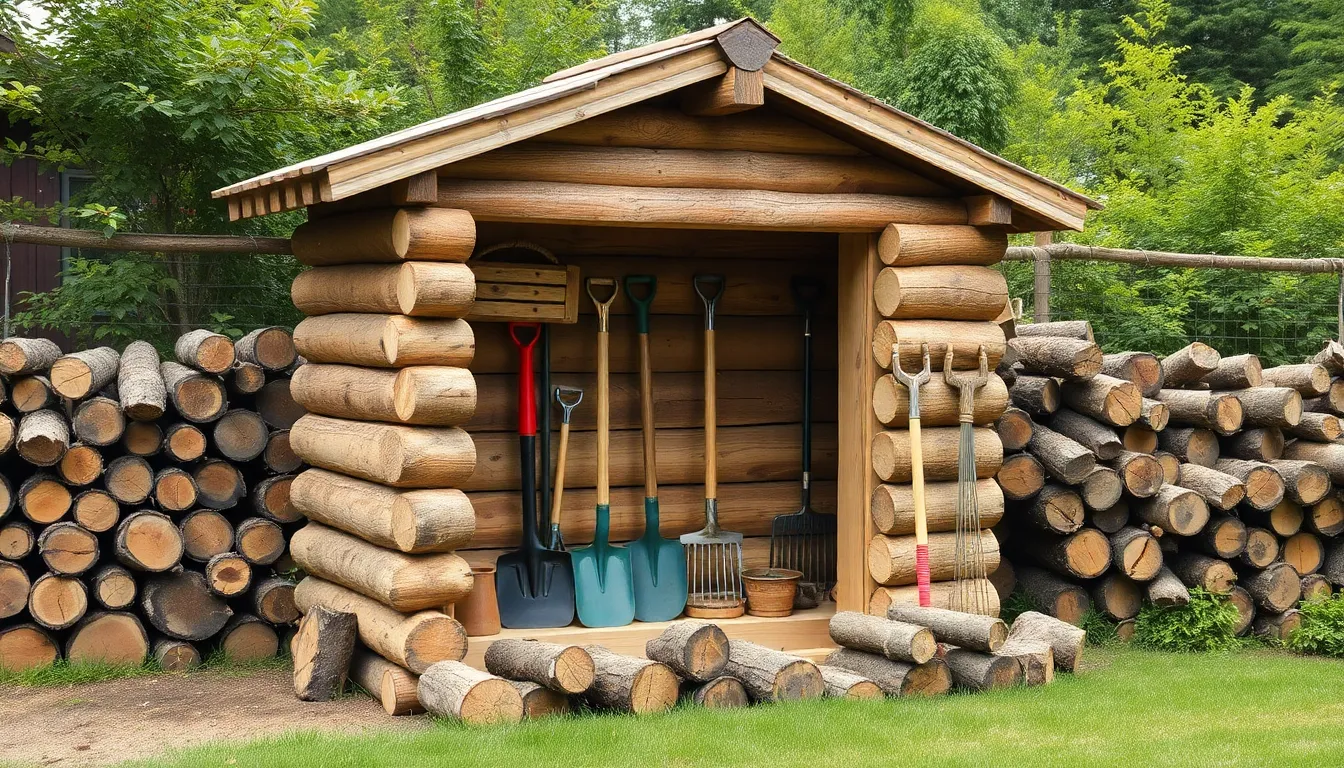
Fallen logs can transform ordinary storage needs into functional outdoor organization systems. We’ll explore practical ways to repurpose tree logs for yard storage while maintaining that natural aesthetic we’ve been building throughout our outdoor space.
Tool Shed Accents
Tree logs serve as stunning accent pieces that add rustic charm to tool sheds while providing practical storage functions. We can incorporate logs as structural support beams or decorative elements that enhance the shed’s natural appearance. Segmented logs create excellent compartments for organizing garden tools, with each section dedicated to exact equipment like shovels, rakes, or pruning shears.
Stacked log arrangements work perfectly for creating custom shelving systems inside tool sheds. The natural weight and stability of logs make them ideal for supporting heavier items like bags of fertilizer or mulch. Combining logs with corrugated roofing panels or concrete blocks enhances protection from elements while maintaining durability for long term use.
Firewood Storage Racks
Outdoor wooden firewood racks offer straightforward and practical answers for organizing your firewood supply. We recommend using rot resistant wood with adequate slat spacing to promote proper air circulation, keeping wood dry and ready for burning. Weather resistant coatings applied strategically enhance both durability and visual appeal of these storage systems.
DIY covered firewood racks can include roofing to keep wood completely dry while securing multiple stacks to prevent logs from rolling or falling. Simple modular designs assembled from concrete blocks and wood prove both effective and customizable for easy access. Modern firewood racks integrate metal elements like black steel pipes or fabricated metal bars, providing sleek and sturdy storage options perfect for covered porches.
Circular compartmentalized firewood racks optimize space while creating visually interesting focal points in your yard. These designs allow easy sorting of different wood types or sizes, with mobility added through casters for maximum flexibility. Firewood racks that double as outdoor furniture combine storage function with social use, featuring table top surfaces with shelves underneath for backyard gatherings.
Garden Supply Organization
Logs can be stacked or arranged to compartmentalize garden supplies like pots, soil bags, or specialized tools for improved accessibility and visual organization. We’ve found that combining logs with other materials creates enhanced protection from weather elements while maintaining the natural aesthetic. These arrangements maximize outdoor space efficiency without compromising the rustic charm we’re cultivating.
Creative log arrangements work exceptionally well for organizing smaller garden supplies in accessible sections. Partially buried logs create defined zones for different types of materials, from potting soil to fertilizers. The natural compartmentalization that logs provide keeps supplies sorted while blending seamlessly with the surrounding industry design we’ve established throughout our outdoor transformation project.
Conclusion
We’ve explored the incredible versatility of fallen tree logs and their potential to transform any outdoor space. From functional furniture and raised garden beds to creative play areas and stunning water features these natural resources offer endless possibilities for improving our landscapes.
The beauty of working with tree logs lies in their accessibility and sustainability. We don’t need advanced woodworking skills or expensive materials to create impressive outdoor improvements that add both function and rustic charm to our properties.
Whether we’re building a simple log bench or designing an elaborate fire pit area these projects allow us to work with nature rather than against it. Our outdoor spaces become more inviting functional and environmentally conscious through thoughtful log repurposing.
Start with one small project and let your creativity guide the next steps. The fallen logs in your yard aren’t just debris – they’re the foundation for your next outdoor masterpiece.
Frequently Asked Questions
What can I do with fallen tree logs in my yard?
Fallen tree logs can be transformed into functional outdoor furniture, garden borders, raised beds, planters, fire features, children’s play areas, water features, lighting elements, and storage solutions. These versatile materials add rustic charm to your outdoor space while being cost-effective and environmentally friendly.
Do I need advanced woodworking skills to work with tree logs?
No, advanced woodworking skills are not necessary. Basic tools and creativity can produce impressive results. Simple projects like log benches, garden borders, or planters require minimal expertise and can be completed by beginners with proper safety precautions.
How do I create garden borders using tree logs?
Split logs in half lengthwise and place them cut-side down along garden beds for natural edging. For raised borders, stack whole logs and secure them with rebar or corner notching techniques. This creates defined spaces while maintaining a natural aesthetic.
What’s the best way to make furniture from tree logs?
Start with simple benches using thick logs as bases and flat slabs as seats. Secure joints with wood screws or traditional notching techniques. Apply weather-resistant finish to protect against outdoor elements and ensure longevity of your log furniture.
How do I create planters from hollow logs?
Cut logs to desired length, hollow out the center leaving 2-3 inches of wall thickness, and drill drainage holes in the bottom. Line with landscape fabric if needed and fill with appropriate soil for your chosen plants.
Can tree logs be used for children’s play areas safely?
Yes, logs make excellent natural playground equipment. Use large logs for climbing and jumping platforms, and smaller logs for balance beams. Ensure all edges are smooth, check stability regularly, and maintain proper spacing for safe play.
How do I incorporate logs into fire pit designs?
Create circular seating arrangements with cut log sections around your fire pit. You can also integrate logs with gravel or pavers for a modern look, or use them as decorative borders while maintaining proper safety distances from flames.
What lighting options work well with tree logs?
Solar-powered lights can be embedded into logs for eco-friendly illumination. Create rustic lantern posts from hollowed logs or use short log sections with string lights for pathway lighting that blends naturally with your landscape.
How long do log projects last outdoors?
With proper treatment and maintenance, log projects can last 5-15 years or more. Apply weather-resistant sealants annually, ensure proper drainage, and choose naturally rot-resistant wood species like cedar or redwood for maximum durability.
What tools do I need for basic log projects?
Essential tools include a chainsaw or hand saw, drill with various bits, measuring tape, level, sandpaper, and safety equipment. For advanced projects, you may need chisels, wood glue, galvanized screws, and finishing materials like stain or sealant.