Embarking on do it yourself gazebo plans can turn your ordinary backyard into a stunning retreat, offering a perfect blend of functionality and aesthetic appeal. Whether you’re a seasoned DIY enthusiast or a beginner eager to learn, these plans provide a structured pathway to create a custom gazebo that enhances your outdoor living space. With the right guidance, you’ll not only save money but also gain a sense of accomplishment from building something beautiful with your own hands.
Introduction to DIY Gazebo Construction: Planning and Preparation
Before diving into the world of do it yourself gazebo plans, it’s essential to understand the foundational steps that set the stage for success. Planning involves assessing your backyard’s layout, considering factors like soil type, sunlight exposure, and local weather conditions. For instance, if you live in a windy area, opting for a sturdier design with reinforced framing will prevent future headaches. Beyond the basics, preparation means gathering inspiration from online resources, books, or even visiting local parks to observe existing gazebos. This phase is your opportunity to dream big—envisioning a space for family gatherings, romantic evenings, or quiet reading sessions. Remember, effective planning can save time and resources, turning a potential chore into an enjoyable project.
Moreover, preparation extends to budgeting and timelines, which are often overlooked in do it yourself gazebo plans. Start by estimating costs for materials and tools, factoring in a buffer for unexpected expenses like permits or soil amendments. Engage your family or friends early to divide tasks and ensure everyone is on board, as building a gazebo can foster community and shared memories. Go beyond mere logistics by researching sustainable options, such as using reclaimed wood or eco-friendly stains, to make your gazebo environmentally responsible. This holistic approach not only prepares you practically but also builds excitement, making the construction process a rewarding journey from start to finish.
Choosing the Right DIY Gazebo Plans: Factors to Consider
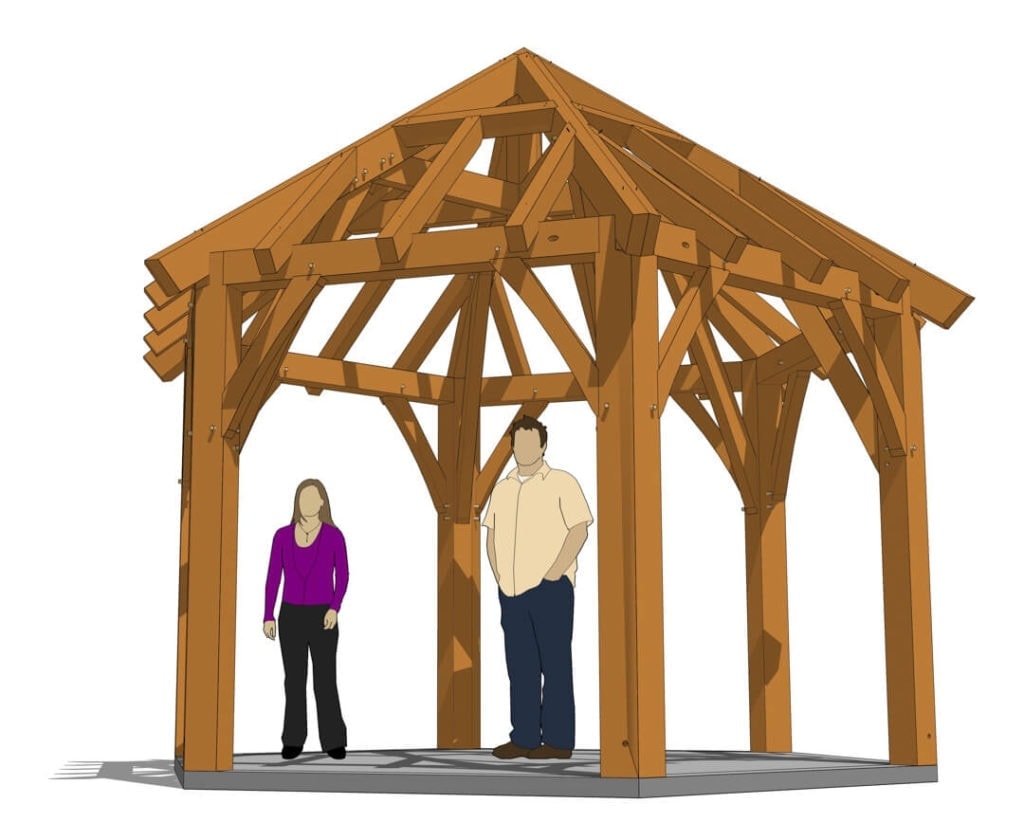
When selecting do it yourself gazebo plans, the key is to match the design with your personal needs and skill level, ensuring a harmonious fit for your lifestyle. Begin by evaluating the size and shape— a small, octagonal gazebo might suit a cozy urban backyard, while a larger rectangular one could accommodate bigger families in suburban settings. Consider architectural styles, from Victorian elegance to modern minimalism, and think about how the gazebo will integrate with your home’s existing aesthetic. Factors like ease of access, proximity to utilities, and even zoning laws play a crucial role, as they can influence everything from material choices to the overall footprint. To make informed decisions, explore free online plan repositories or purchase detailed blueprints from reputable sources, always prioritizing those with clear diagrams and material lists.
Delving deeper into do it yourself gazebo plans, it’s vital to weigh the pros and cons of different complexity levels to avoid overwhelming yourself. For beginners, simple plans with straightforward assembly might use basic lumber and fewer cuts, allowing you to build confidence without advanced tools. Advanced builders, however, could opt for plans that incorporate intricate features like built-in benches or latticework, adding unique character but requiring precise measurements and joinery techniques. Don’t forget to factor in future adaptability—plans that allow for expansions, such as adding screens or roofs, ensure your gazebo evolves with your needs. By considering these elements, you’ll select plans that not only align with your capabilities but also elevate your outdoor space into a personalized haven.


Essential Tools and Materials for Building Your Own Gazebo
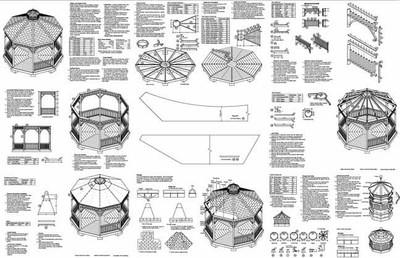
Gathering the right tools and materials is a cornerstone of successful do it yourself gazebo plans, transforming abstract ideas into tangible structures. Start with essentials like a reliable tape measure, level, and circular saw for accurate cutting and alignment, while power tools such as a drill and hammer drill can expedite the process for larger projects. Materials-wise, pressure-treated lumber offers durability against weather elements, and options like cedar or redwood provide natural resistance and aesthetic appeal. Beyond the basics, consider fasteners such as galvanized screws to prevent rust, and protective gear like gloves and safety goggles to ensure a safe building environment. Sourcing these from local hardware stores or online suppliers can yield cost savings, especially if you buy in bulk or look for eco-friendly alternatives.
In the realm of do it yourself gazebo plans, going beyond standard tools and materials can enhance both efficiency and quality. For instance, investing in a compound miter saw allows for precise angle cuts, which are crucial for polygonal gazebo designs, while a post hole digger simplifies foundation work in various soil types. Materials selection should also include thoughtful choices like composite decking for low-maintenance floors or polycarbonate roofing for UV protection, adding longevity and style. Engage with community forums or DIY experts to learn about innovative substitutions, such as using metal connectors for added stability in high-wind areas. This comprehensive approach not only equips you for the build but also empowers you to create a gazebo that’s robust, beautiful, and tailored to your vision.


Step-by-Step Guide: Executing Your DIY Gazebo Plans

Executing do it yourself gazebo plans requires a methodical step-by-step approach to ensure everything from the foundation to the roof comes together seamlessly. Begin with site preparation: clear the area, mark the gazebo’s footprint using stakes and string, and dig post holes to the appropriate depth based on your local frost line. Once the base is set, install the support posts, ensuring they are plumb and secured with concrete for stability. Framing follows, where you assemble the beams and rafters according to your plans, using brackets for reinforcement. This phase is where precision pays off, as even minor misalignments can affect the structure’s integrity, so double-check measurements at every turn.
As you progress with do it yourself gazebo plans, adding the finishing structural elements brings your project to life. After the frame is up, attach the roof panels or shingles, incorporating ventilation to prevent moisture buildup. Install railings and flooring next, sanding edges for safety and applying a weather-resistant sealant. Throughout, incorporate tips like using temporary braces for stability during assembly or consulting digital simulations for complex joins. This guide isn’t just about following steps; it’s about adapting to challenges, such as adjusting for uneven ground, to achieve a professional result. By breaking it down, you’ll find the process manageable and deeply satisfying, resulting in a gazebo that’s not only functional but a testament to your skills.
Customization and Finishing Touches: Personalizing Your Gazebo
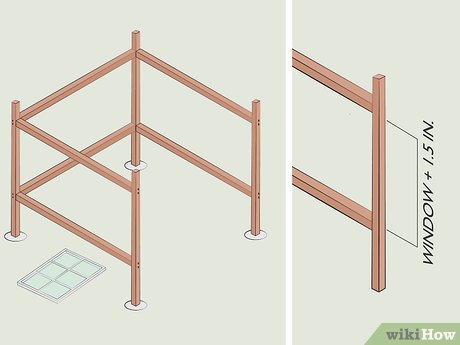
Personalizing do it yourself gazebo plans through customization and finishing touches allows you to infuse your unique style, making the structure more than just a build—it’s a reflection of your personality. Start with color choices, selecting paints or stains that complement your home’s exterior, and experiment with patterns like stenciled designs on the posts. Adding functional elements, such as built-in seating with cushions or integrated lighting for evening use, can transform the space into a multifunctional oasis. Consider seasonal adaptations, like installing mosquito netting for summer or heaters for cooler months, to maximize year-round enjoyment. These touches go beyond aesthetics, creating an inviting atmosphere that encourages relaxation and social gatherings.
When enhancing do it yourself gazebo plans, explore advanced customizations that elevate the design without overwhelming the project. For example, incorporating smart features like solar-powered lights or automated shades adds modern convenience, while decorative accents such as carved woodwork or climbing vines bring a natural, bespoke feel. Don’t overlook accessibility options, like ramps for mobility or child-safe railings, to make your gazebo inclusive. By drawing from inspiration sources like Pinterest or local artisan workshops, you can innovate with materials—perhaps using recycled glass for tabletops or metal accents for a rustic-industrial vibe. This level of personalization ensures your gazebo becomes a cherished focal point, blending creativity with practicality in a way that’s uniquely yours.
Troubleshooting and Maintenance: Ensuring the Longevity of Your DIY Gazebo
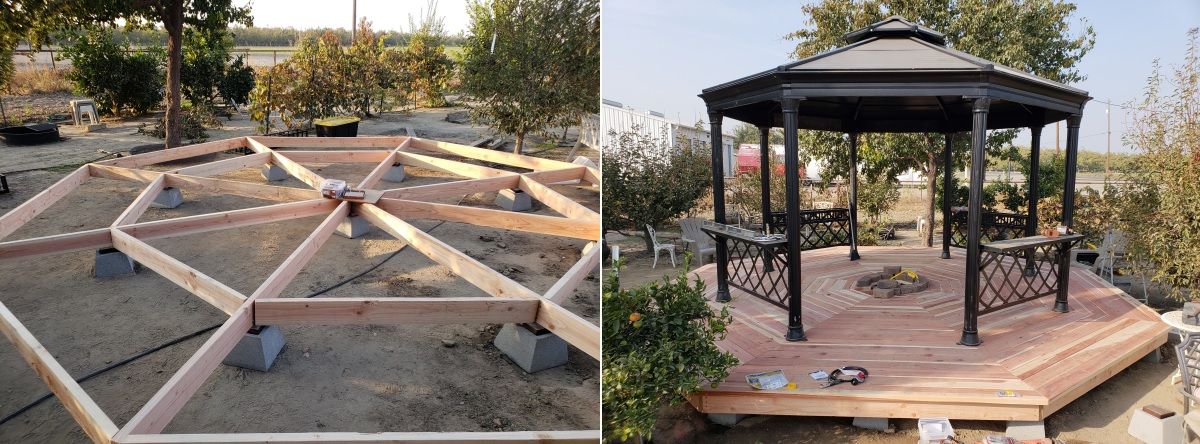
To safeguard the longevity of your do it yourself gazebo plans, troubleshooting common issues early is key to maintaining its beauty and functionality over time. Start by inspecting for structural problems, such as loose joints or rotting wood, which can arise from improper sealing or exposure to elements. If you notice warping, apply a fresh coat of preservative and reinforce weak areas with additional brackets. Weather-related challenges, like storm damage, can be mitigated by regular checks and seasonal reinforcements, ensuring your gazebo withstands various conditions. Beyond fixes, preventive measures like elevating the floor to avoid water pooling play a crucial role in extending its lifespan.
Maintenance for do it yourself gazebo plans involves a proactive routine that keeps the structure in top condition, fostering enjoyment for years. Establish a schedule for tasks such as cleaning debris, checking fasteners, and reapplying finishes to protect against UV rays and insects. Address potential pests by using natural repellents or barriers, and monitor for mold in humid climates by improving airflow. If issues persist, consult professional resources or online tutorials for specialized advice, turning potential setbacks into learning opportunities. This comprehensive strategy not only resolves problems efficiently but also enhances your connection to the gazebo, ensuring it remains a durable, welcoming space in your backyard.


Conclusion
In summary, embracing do it yourself gazebo plans offers a fulfilling path to creating a personalized outdoor haven, from meticulous planning and material selection to customization and ongoing maintenance. By considering factors like site suitability, essential tools, and step-by-step execution, you can build a structure that not only enhances your backyard but also reflects your creativity and dedication. Ultimately, the process fosters skills, savings, and lasting memories, making your DIY gazebo a timeless addition to your home.