
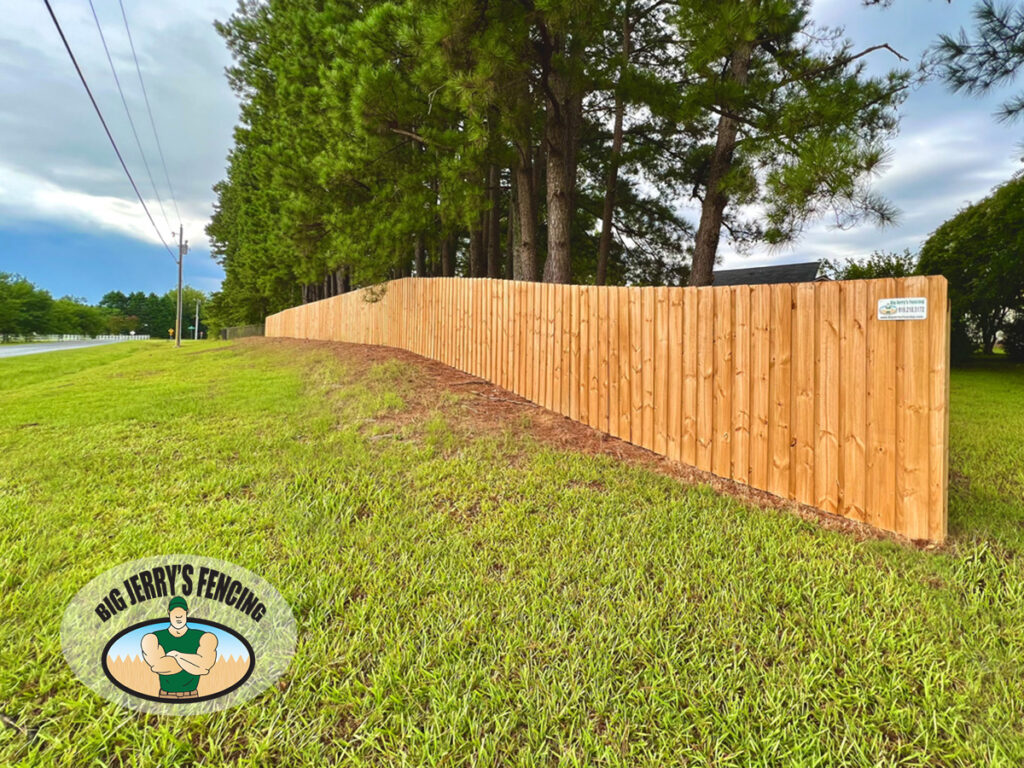
Determining how much does a fence cost can be a complex yet essential part of any home improvement project, as it varies widely based on numerous factors like material, size, and location. This article delves into the intricacies of fence installation expenses, providing homeowners with a comprehensive guide to budgeting effectively and making informed decisions. From national averages to hidden fees, we’ll explore everything you need to know to avoid surprises and ensure your fencing project enhances your property without breaking the bank.
National Average Fence Installation Costs: An Overview
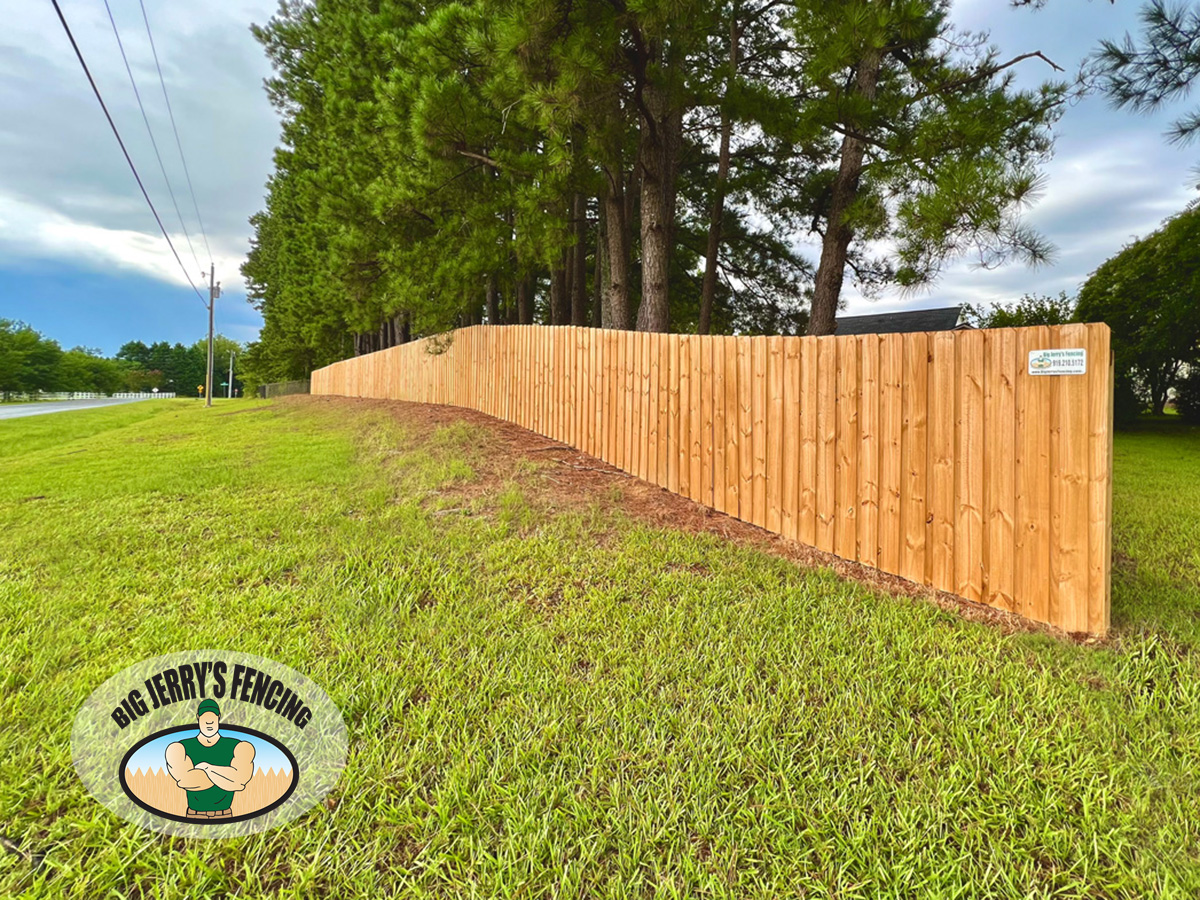
When considering the national average for fence installation, it’s important to recognize that costs can fluctuate significantly based on regional differences, property specifics, and the type of fence chosen. According to recent industry data from sources like HomeAdvisor and Angi, the average cost for installing a fence in the United States ranges from $2,000 to $8,000 for a typical residential setup, which includes about 150 linear feet. This broad range accounts for variations in material costs, labor, and additional features such as gates or custom designs. For instance, a basic chain-link fence might start at around $1,500, while a high-end wrought iron option could exceed $10,000. These figures highlight why understanding how much does a fence cost requires a personalized approach, as urban areas with higher labor rates, like New York or Los Angeles, often see premiums of 20-30% compared to rural regions. Factors such as local material availability and economic conditions further influence these averages, making it crucial for homeowners to obtain multiple quotes.
Beyond the initial numbers, the long-term value of your fence investment plays a pivotal role in overall satisfaction. A well-installed fence not only boosts property privacy and security but can also increase home resale value by up to 5%, according to the National Association of Realtors. However, to get an accurate estimate, consider consulting tools like online calculators from reputable sites, which factor in variables like fence height and topography. Engaging with local contractors early can reveal insights into seasonal pricing fluctuations, such as lower costs during off-peak months in milder climates. This overview underscores that while national averages provide a solid baseline for how much does a fence cost, tailoring your budget to specific needs ensures a more realistic and manageable project plan.
Factors Influencing Fence Pricing: What Drives Up the Cost?

Several key elements drive up the cost of fence installation, turning what might seem like a straightforward expense into a multifaceted financial decision. Primarily, the length and height of the fence are major contributors; for example, a 6-foot privacy fence spanning 200 feet will cost more than a 4-foot boundary marker due to the increased materials and labor required. Terrain plays a significant role as well—installing on uneven or sloped land can add 15-25% to the total price because of the extra effort needed for grading and stabilization. Additionally, local regulations and zoning laws often impose restrictions that necessitate custom adjustments, such as reinforced posts in windy areas, further inflating costs. These factors collectively illustrate why how much does a fence cost isn’t just about the basics; it’s about how environmental and regulatory contexts amplify expenses.
Digging deeper, economic influences like inflation and supply chain disruptions have recently pushed material prices upward, with wood and metal seeing increases of 10-20% over the past few years. Labor shortages in certain regions mean that skilled installers command higher wages, potentially adding $50-$100 per hour to your bill. Moreover, aesthetic enhancements, such as decorative caps or integrated lighting, can escalate costs by introducing premium materials and specialized installation techniques. Homeowners should also factor in the time of year; projects undertaken during peak seasons might incur rush fees. By understanding these drivers, you can better anticipate and mitigate the variables that affect how much does a fence cost, ultimately leading to a more strategic budgeting process that aligns with your financial goals.


Fence Material Cost Comparison: Wood, Vinyl, Chain Link, and More
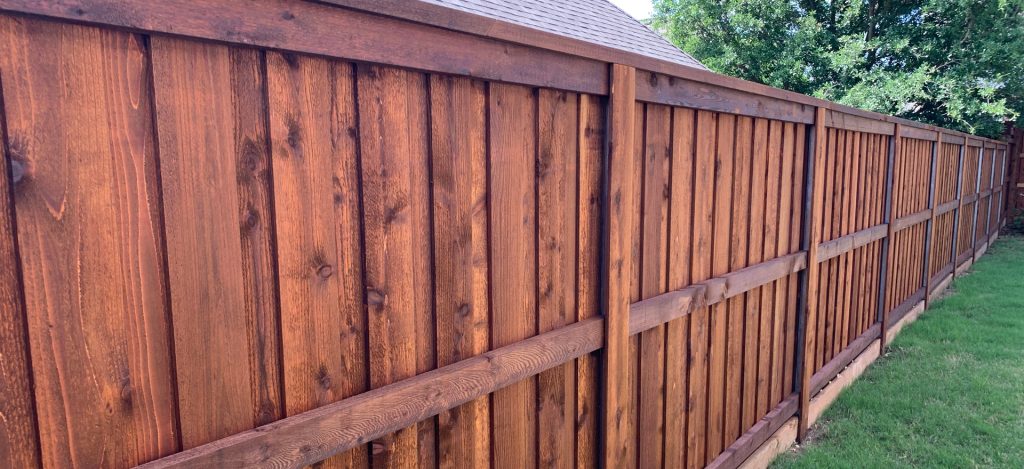
Comparing fence material costs reveals a spectrum of options, each with unique pricing structures that cater to different budgets and preferences. Wood fences, a popular choice for their natural look, typically range from $15 to $30 per linear foot, depending on the type of wood—cedar or pressure-treated pine being more affordable than redwood. Vinyl fences, known for their low maintenance and durability, cost between $20 and $40 per linear foot, offering resistance to weather elements that can save money on upkeep over time. Chain link fences remain the most budget-friendly at $10 to $25 per linear foot, ideal for large properties where security is prioritized over aesthetics. However, materials like wrought iron or aluminum can soar to $30 to $100 per linear foot due to their strength and ornate designs, making how much does a fence cost heavily dependent on the material’s longevity and visual appeal.
Beyond initial costs, the long-term implications of each material add layers to the decision-making process. For instance, while wood might require staining or repairs every few years, potentially adding $500-$1,000 in maintenance over a decade, vinyl’s fade-resistant properties minimize such expenses. Chain link, though inexpensive upfront, may not provide the privacy some homeowners seek, leading to add-ons like privacy slats that increase the overall investment. Emerging options, such as composite materials blending wood and plastic, range from $25 to $50 per linear foot and boast eco-friendly attributes, but their higher initial cost reflects advanced manufacturing. This comparison not only helps in grasping how much does a fence cost but also empowers choices based on factors like climate resilience and personal style, ensuring your fence is both functional and cost-effective in the long run.


Labor Costs for Fence Installation: Hiring Contractors vs. DIY
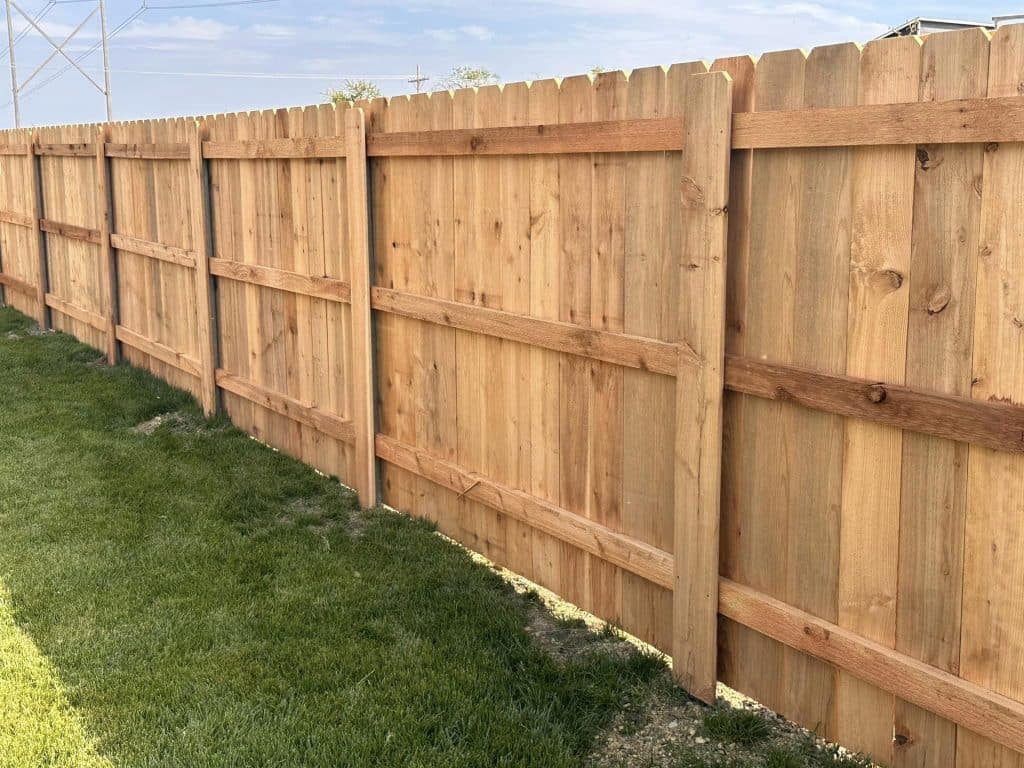
Labor costs form a substantial part of fence installation expenses, with professional contractors typically charging $30 to $75 per hour, depending on experience and location, which can add up to $1,000 or more for a standard project. Hiring experts ensures quality and compliance with local codes, as they bring tools and expertise that streamline the process, potentially saving time and avoiding costly mistakes. For a 150-foot fence, labor alone might account for 40-60% of the total budget, influenced by factors like access to the site and the complexity of the design. In contrast, opting for a DIY approach can cut these costs dramatically, with expenses limited to tools and materials you might already own, but it demands significant time investment—potentially 20-40 hours for beginners. Understanding how much does a fence cost in terms of labor involves weighing these options against your skills and available resources.
However, the DIY route isn’t without its pitfalls, as improper installation could lead to structural failures or the need for professional corrections later, effectively negating any savings. Professionals often provide warranties and handle unexpected issues, like underground utilities, which a novice might overlook, resulting in additional fees from utility companies. For those considering DIY, resources like online tutorials or local workshops can build confidence, but always factor in the opportunity cost of your time. Ultimately, hiring contractors might elevate the total price by 20-30%, yet it offers peace of mind and a polished finish that enhances property value. This analysis of labor costs emphasizes that how much does a fence cost is as much about expertise as it is about expenditure, guiding homeowners toward the most suitable path.
Hidden Fence Costs: Permitting, Land Surveying, and Removal
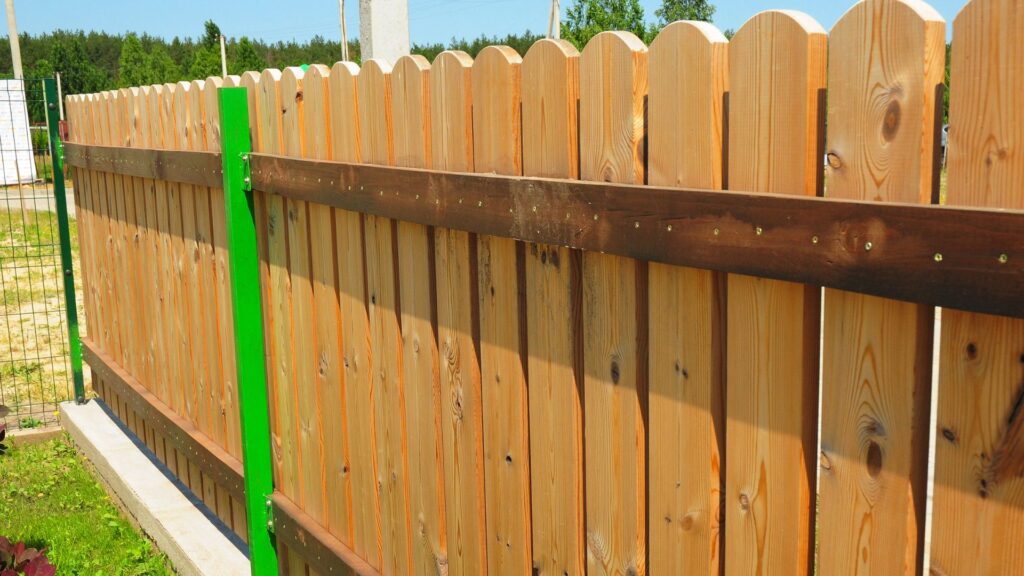
Hidden costs in fence installation often catch homeowners off guard, with permitting fees alone ranging from $20 to $400 depending on your locality, as these are mandatory for ensuring compliance with property lines and safety standards. Land surveying, which might be required to confirm boundaries, can add $300 to $1,000 to your budget, especially if disputes arise or the property has irregular shapes. Additionally, removing an existing fence introduces further expenses, typically $3 to $8 per linear foot, due to labor and disposal fees that accumulate quickly for larger projects. These overlooked elements make how much does a fence cost more than just the visible materials and installation; they encompass preparatory and regulatory necessities that protect your investment.
Delving deeper, factors like soil testing for stability in areas prone to erosion could tack on another $200-$500, while unexpected discoveries, such as buried cables or roots, might necessitate professional intervention, inflating costs by 10-15%. Homeowners in historic districts or environmentally sensitive zones face extra hurdles, including specialized permits that demand architectural reviews, potentially doubling administrative expenses. To mitigate these, conducting thorough pre-project research and consulting with local authorities can uncover potential fees early. Understanding these hidden costs ensures that how much does a fence cost is fully accounted for, allowing for a smoother installation process and avoiding budgetary overruns that could strain finances.
Ways to Save Money on Fence Installation: Budgeting and Smart Choices
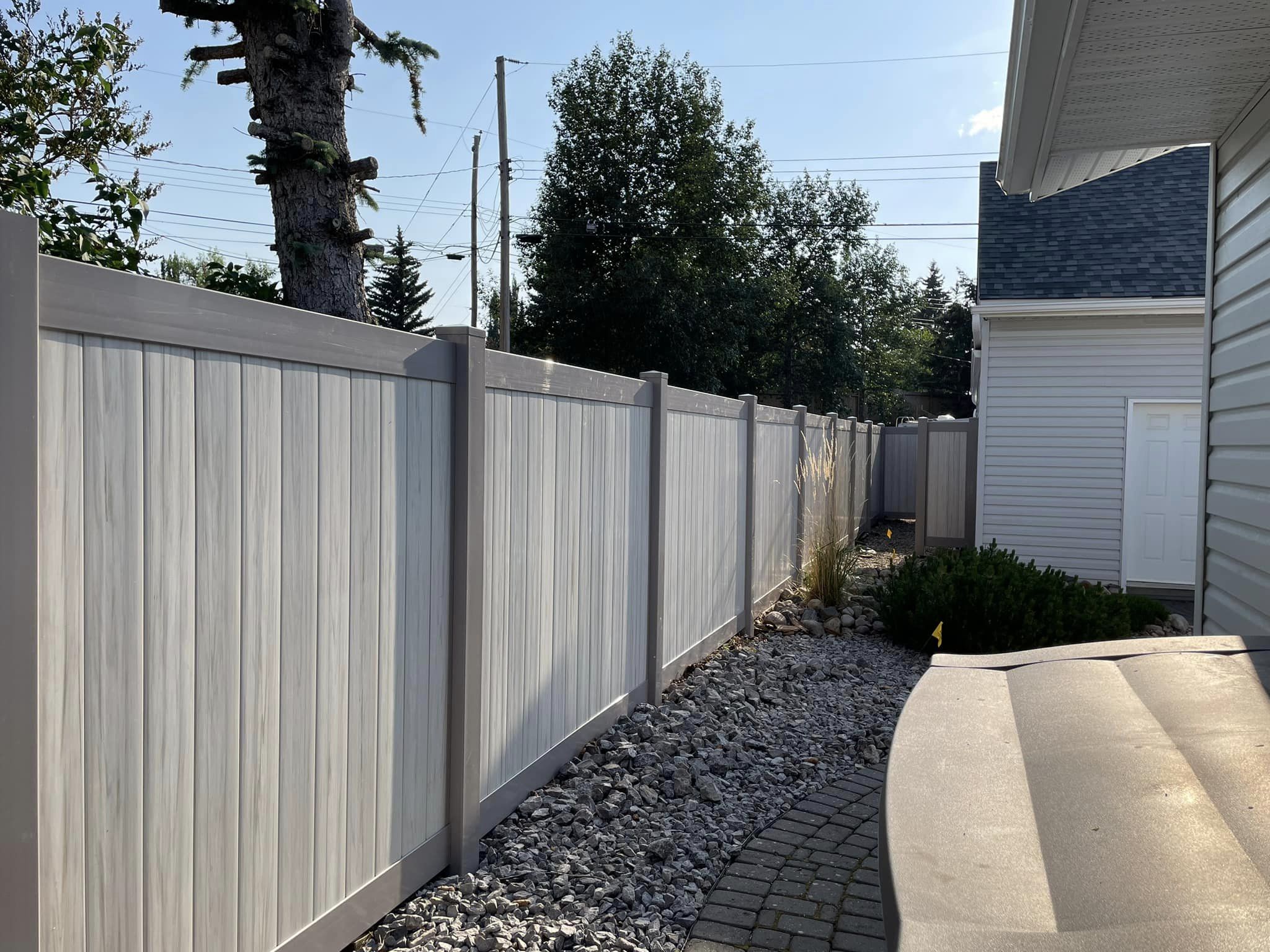
Implementing smart strategies can significantly reduce fence installation costs, starting with obtaining multiple quotes from licensed contractors to leverage competitive pricing, potentially shaving 10-20% off the total. Opting for mid-range materials like vinyl over premium options maintains quality while keeping expenses between $2,000 and $4,000 for a standard fence, and buying in bulk from suppliers can yield discounts of 5-15%. Budgeting tools, such as apps that track material costs and labor estimates, help homeowners prioritize essentials like gates over decorative elements, ensuring funds are allocated efficiently. These approaches demonstrate that how much does a fence cost can be managed through informed decisions and proactive planning.
Furthermore, timing your project for off-season periods, like winter in milder climates, often results in lower labor rates and material deals, while incorporating DIY elements for simpler tasks, such as painting, can cut professional fees without compromising results. Exploring government rebates for eco-friendly materials or community programs might offset costs by hundreds of dollars, and reusing parts from an old fence can minimize waste. By focusing on long-term savings, such as choosing low-maintenance materials that reduce upkeep, homeowners can extend the fence’s lifespan and enhance overall value. This section on saving money reinforces that understanding how much does a fence cost empowers strategic choices that align with both budget constraints and personal needs.
Conclusion
In summary, exploring how much does a fence cost reveals a landscape shaped by national averages, material choices, labor decisions, hidden fees, and savvy budgeting tactics. From the overview of typical installation costs to the factors that influence pricing and comparisons of various materials, homeowners can navigate these expenses with greater confidence. By weighing the pros and cons of hiring professionals versus DIY approaches and accounting for often-overlooked elements like permits and removals, it’s possible to make cost-effective decisions. Ultimately, implementing ways to save money ensures that your fence project not only meets your needs but also fits within your financial framework, leading to a successful and satisfying outcome.