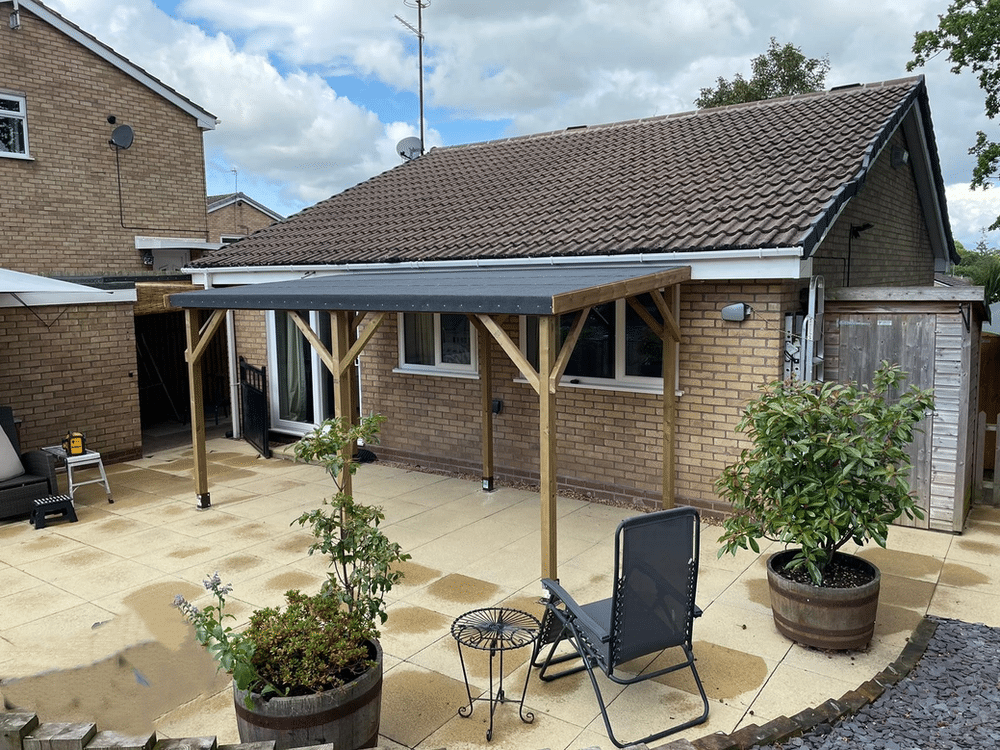
When considering home improvements, many homeowners wonder, do gazebos add value to home? The answer isn’t straightforward, as it depends on various factors like design, location, and market trends. A well-integrated gazebo can enhance both the aesthetic appeal and functional use of outdoor spaces, potentially increasing property value by creating an inviting area for relaxation and entertainment. This article delves into the financial and emotional returns of adding a gazebo, examining how it might influence your home’s overall worth in the real estate market.
The ROI of a Gazebo: Does It Increase Home Value?
Investing in a gazebo is more than just a whimsical addition to your backyard; it’s a strategic move that can significantly impact your property’s marketability. Homeowners often grapple with the question of whether such structures provide a solid return on investment (ROI). Studies from real estate experts, including data from the National Association of Realtors, suggest that outdoor living enhancements like gazebos can yield returns ranging from 50% to 80% of their initial cost, depending on the region’s housing market. For instance, in suburban areas where outdoor entertaining is prized, a gazebo might transform a mundane yard into a luxurious retreat, attracting buyers willing to pay a premium. This isn’t merely about aesthetics; it’s about creating perceived value that aligns with modern lifestyles, where people seek homes that offer seamless indoor-outdoor living.
Beyond the numbers, the emotional appeal of a gazebo plays a crucial role in boosting home value. Imagine hosting family gatherings under the shade of a custom-built gazebo, complete with integrated lighting and seating—it’s an experience that can make your property stand out in listings. Real estate appraisers often note that features enhancing usability, such as weather-resistant materials or eco-friendly designs, contribute to long-term value appreciation. However, do gazebos add value to home truly hinges on maintenance and integration; a neglected structure could detract from your property’s appeal. By focusing on high-quality materials and professional installation, homeowners can ensure their gazebo becomes a focal point that not only elevates the home’s charm but also supports a higher selling price during appraisals.


Gazebos and Appraisal: Factors Influencing Value Enhancement
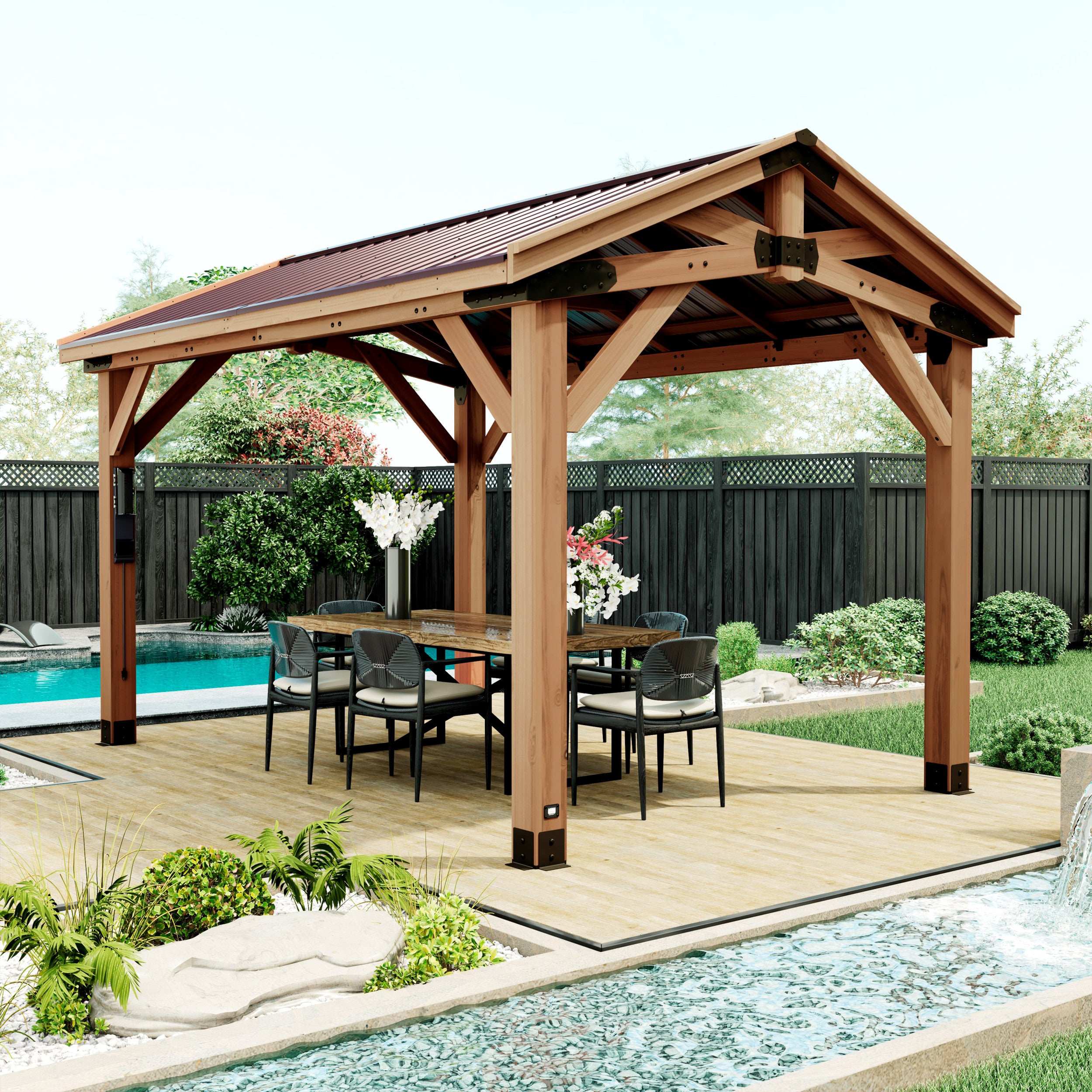
Appraisals are a critical step in determining if do gazebos add value to home, as they objectively assess how outdoor features affect the overall property worth. Real estate appraisers consider elements like size, condition, and functionality when evaluating a gazebo. For example, a 12×12 foot gazebo with premium wood construction might add 1-5% to the home’s appraised value, according to insights from appraisal organizations like the Appraisal Institute. Factors such as local zoning laws and neighborhood trends also play a part; in areas with high demand for outdoor amenities, gazebos can tip the scales in favor of a higher valuation. It’s essential to view these structures not as mere additions but as enhancements that align with the home’s architecture, potentially increasing its desirability in a competitive market.
Delving deeper, the integration of smart features in gazebos—such as automated lighting, heating elements, or even solar panels—can further influence appraisals by demonstrating energy efficiency and modern upgrades. Homeowners should also consider the cost of materials; cedar or vinyl gazebos tend to hold up better against weather, preserving their value over time. While some critics argue that gazebos are seasonal luxuries, evidence from case studies in regions like the Pacific Northwest shows that they can enhance year-round usability, thereby justifying a bump in property assessments. Ultimately, understanding these factors helps homeowners make informed decisions about whether do gazebos add value to home in their specific context, turning a backyard feature into a wise investment.


Beyond Aesthetics: How Gazebos Contribute to Perceived Home Value
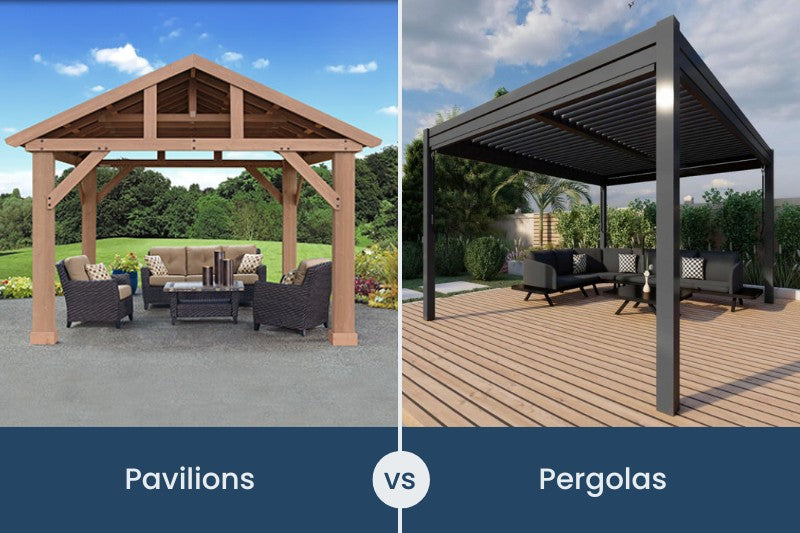
The allure of gazebos extends far beyond their visual charm, directly tying into how potential buyers perceive a home’s overall value. When do gazebos add value to home, it’s often through the lens of lifestyle enhancement; these structures symbolize tranquility and leisure, making properties feel more complete and desirable. In a survey by Houzz, 70% of respondents indicated that outdoor structures like gazebos influenced their purchasing decisions, highlighting how they evoke a sense of escape without leaving the property. This perceived value isn’t just superficial—it’s rooted in the emotional connections people form with spaces that facilitate relaxation, such as reading nooks or al fresco dining areas, thereby positioning the home as a premium offering.
Moreover, gazebos can foster a deeper connection to nature, which is increasingly valued in today’s fast-paced world. By incorporating elements like climbing vines or water features, homeowners can create a personalized oasis that elevates the property’s narrative in real estate listings. For instance, in urban settings, a gazebo might represent a rare private retreat, adding intangible benefits that translate to tangible value during sales. Critics might downplay this by pointing to maintenance costs, but when properly cared for, these additions can enhance the home’s story, making buyers more willing to pay a premium. Thus, exploring do gazebos add value to home reveals that their true worth lies in transforming ordinary backyards into extraordinary assets that resonate on an emotional level.


Quantifying the Impact: Gazebo Features That Boost Property Worth
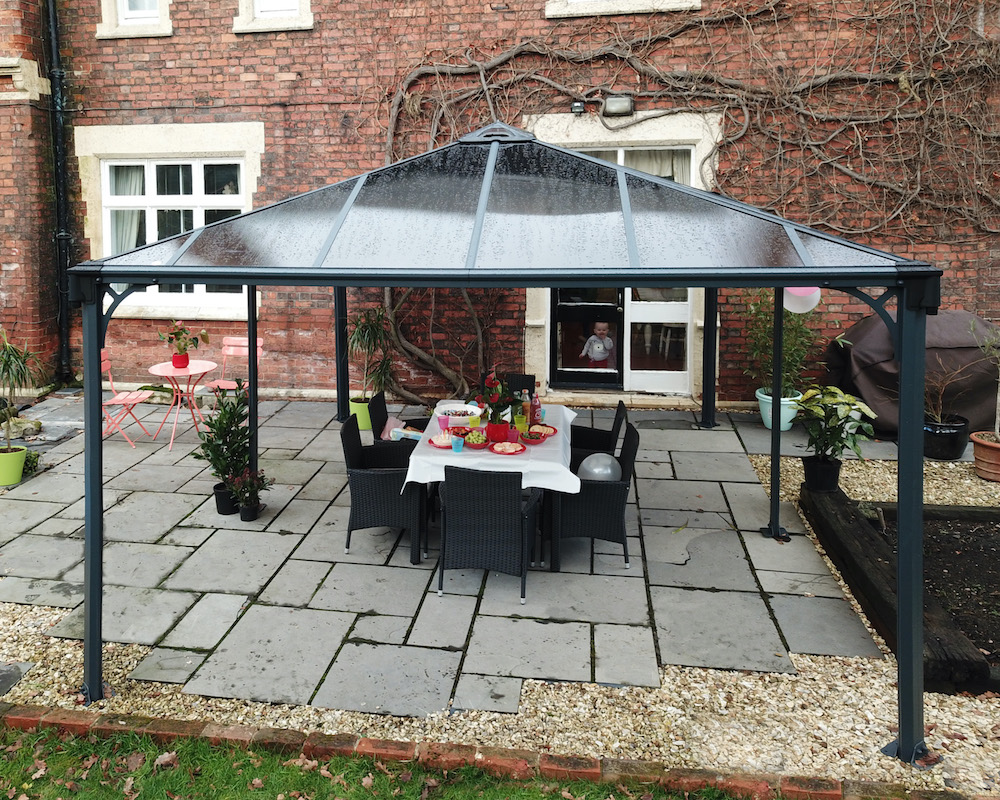
To truly answer do gazebos add value to home, it’s vital to quantify the specific features that drive up property worth. High-end gazebos with features like built-in bars, retractable roofs, or integrated sound systems can increase a home’s value by as much as $10,000 to $50,000, based on data from Zillow’s home trend reports. These enhancements aren’t arbitrary; they’re calculated to appeal to buyers seeking multifunctional spaces. For example, a gazebo equipped with durable, weatherproof materials might withstand harsh climates, ensuring longevity and thus a stronger ROI. Homeowners should prioritize customizable options, such as adjustable shading or seating, which align with current market demands for versatile outdoor areas.
Further, the role of eco-friendly features in gazebos cannot be overstated when quantifying impact. Incorporate solar-powered lights or rainwater harvesting systems, and you could see an additional 2-3% increase in appraised value, as per green building certifications like LEED. This isn’t just about trends; it’s about sustainability becoming a core component of home value. Real estate analytics from sources like Redfin show that properties with such upgrades sell faster and at higher prices. By focusing on these quantifiable aspects, homeowners can confidently assert that do gazebos add value to home through strategic feature selection, turning a simple structure into a high-value asset.
Location, Location, Gazebo: Optimizing Placement for Maximum Value
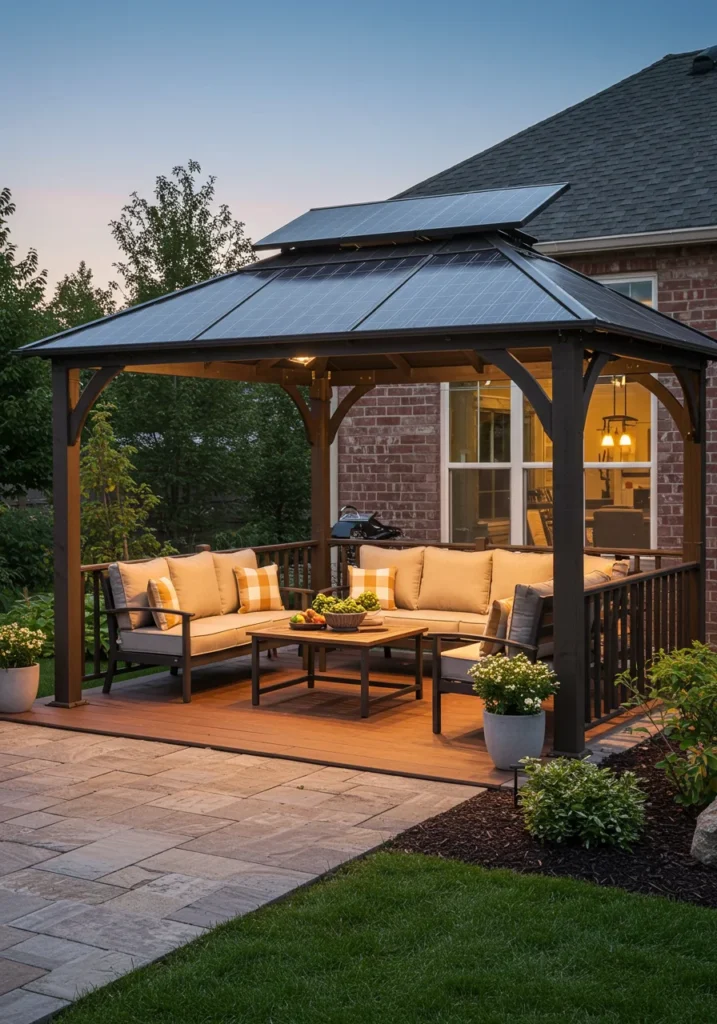
The mantra of real estate—location, location, location—applies directly to gazebos and their potential to add value. When pondering do gazebos add value to home, placement is paramount; positioning a gazebo near a garden or pool can enhance privacy and views, potentially increasing property appeal by 5-10% in desirable neighborhoods. In coastal areas, for instance, a gazebo overlooking the ocean might command a higher premium due to its scenic integration, as evidenced by sales data from coastal real estate markets. Homeowners must consider factors like sunlight exposure and wind patterns to optimize placement, ensuring the structure complements the home’s layout without obstructing key views.
Optimizing gazebo placement also involves aligning with local aesthetics and regulations, which can significantly influence perceived value. In historic districts, a gazebo designed to match architectural styles might blend seamlessly, adding to the property’s charm and marketability. Conversely, poor placement in a high-traffic area could diminish its appeal. Experts from the American Society of Landscape Architects recommend using tools like 3D modeling to visualize options, ensuring the gazebo enhances the entire property. By mastering this aspect, homeowners can affirm that do gazebos add value to home through thoughtful positioning, making it a cornerstone of effective outdoor design.
Comparing Gazebo Investments: Weighing Cost Against Potential Returns
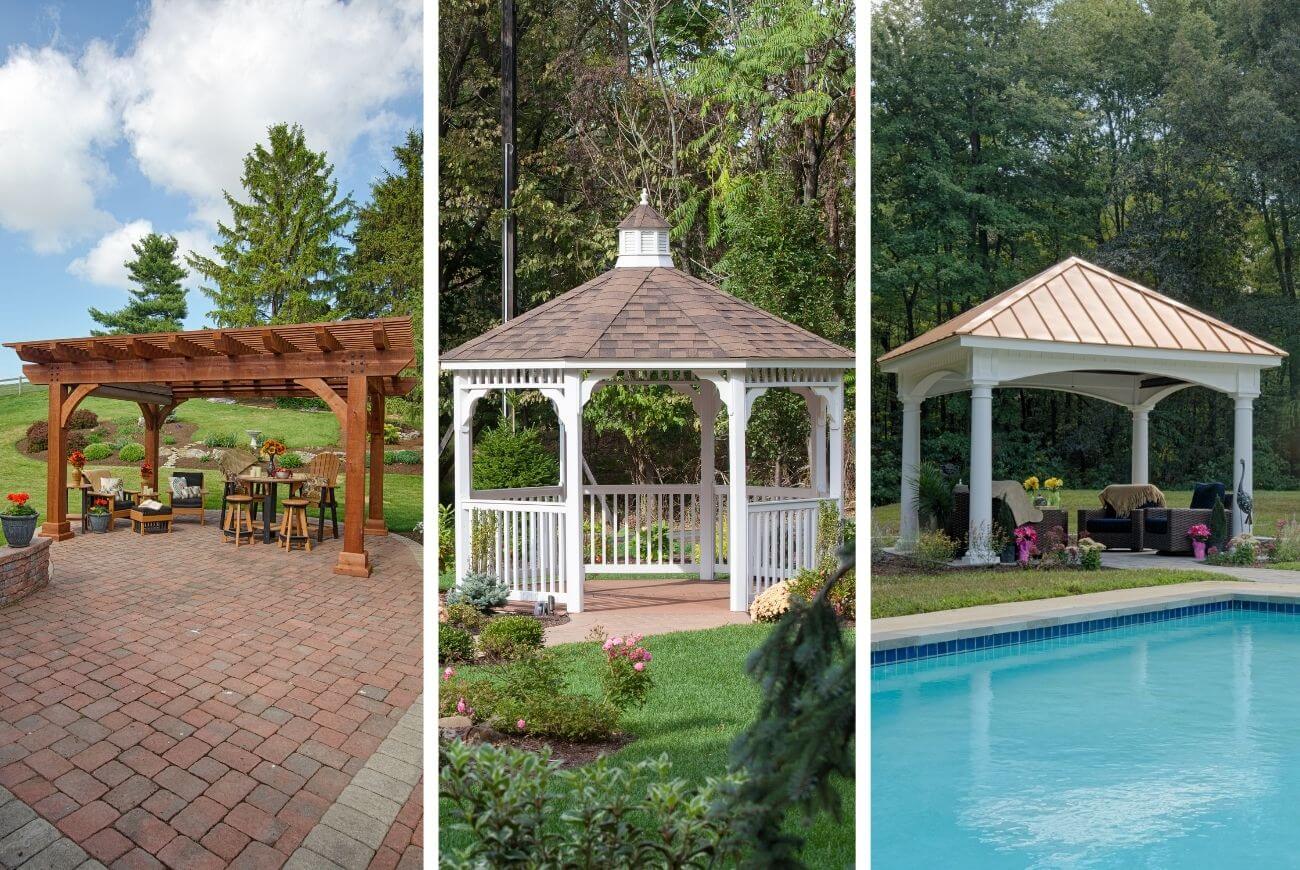
When evaluating do gazebos add value to home, a comparative analysis of costs versus returns is essential for informed decision-making. Entry-level gazebos might cost between $2,000 and $5,000, offering basic returns through simple aesthetic improvements, while custom designs can range from $10,000 to $20,000, potentially yielding up to 70% ROI in upscale markets. According to financial analyses from sources like Bankrate, factors such as material costs (e.g., metal vs. wood) and installation fees play a crucial role in this equation. Homeowners should weigh these against potential tax benefits or increased equity, ensuring the investment aligns with their financial goals.
In comparison, alternative investments like kitchen remodels often provide higher immediate returns, but gazebos offer unique long-term advantages in properties with large lots. For example, in rural settings, a gazebo might enhance land use for events, boosting resale value more than expected. However, risks like market fluctuations must be considered; a downturn could lessen the impact. Ultimately, by carefully comparing these elements, homeowners can determine if do gazebos add value to home in a way that justifies the expenditure, positioning it as a balanced and rewarding choice.
Conclusion
In summary, do gazebos add value to home depends on a multitude of factors, including ROI potential, appraisal influences, aesthetic contributions, quantifiable features, optimal placement, and cost comparisons. By integrating high-quality designs and strategic planning, homeowners can enhance both the functional and emotional appeal of their properties, potentially leading to increased market value and faster sales. Ultimately, a well-executed gazebo investment not only beautifies the outdoor space but also serves as a smart financial decision in the evolving real estate landscape.