
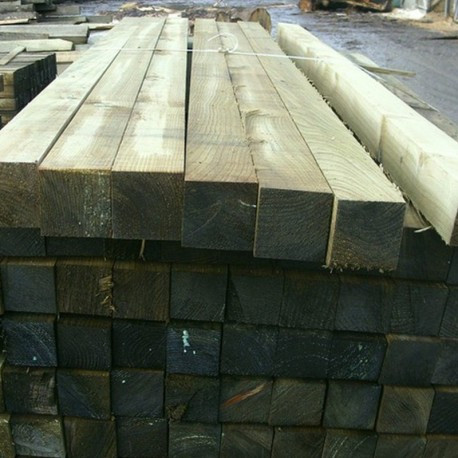
When considering how deep should a fence post be, it’s essential to understand that this decision directly impacts the stability, longevity, and overall effectiveness of your fence. Whether you’re installing a boundary for your garden, securing livestock, or enhancing privacy, getting the depth right can prevent costly repairs and ensure safety. This article explores the key factors, guidelines, and practical advice to help you make informed choices for various fencing projects.
Determining Optimal Fence Post Depth: An Overview
The concept of how deep should a fence post be is more than just a simple measurement; it’s a foundational element that ensures your fence withstands environmental pressures like wind, soil movement, and moisture. In essence, the optimal depth refers to the portion of the post buried underground, which provides the necessary anchorage to keep the structure upright and secure over time. Factors such as the type of soil, local climate, and the fence’s intended purpose all play critical roles in this determination. By delving into these aspects, you can avoid common pitfalls and create a fence that not only looks professional but also endures for years.
Beyond the basics, achieving the right depth involves a blend of science and practical experience. How deep should a fence post be depends on engineering principles that distribute weight and resist lateral forces, much like the roots of a tree anchoring it against storms. For instance, in areas prone to high winds, posts might need to be sunk deeper to counteract potential tipping, while in stable, clay-rich soils, a shallower depth could suffice if reinforced properly. This overview sets the stage for a deeper exploration, emphasizing that proper depth isn’t a one-size-fits-all solution but a tailored approach based on specific site conditions and fence design.
Factors Influencing Fence Post Depth Requirements
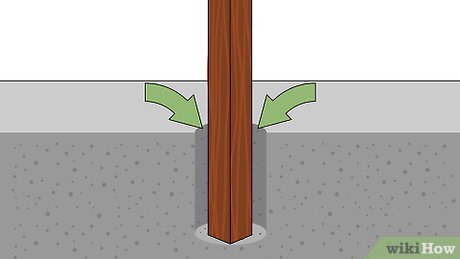
Soil composition is one of the primary factors that dictate how deep should a fence post be, as different soils offer varying levels of support and stability. Sandy soils, for example, drain water quickly but can shift easily, necessitating deeper posts to prevent erosion and movement, whereas clay soils hold posts more firmly due to their density, though they expand and contract with moisture changes, which could lead to cracking if not accounted for. Additionally, the presence of rocks or roots underground can complicate digging, requiring adjustments to the depth to ensure the post is securely placed without compromising its integrity. Weather patterns also influence this, with regions experiencing frequent frost needing extra depth to avoid heave, where freezing water expands and lifts the post.
The height and weight of the fence itself are equally crucial in determining post depth requirements, as taller or heavier structures exert more force on the posts. For a standard residential fence, a deeper embedment might be required for panels that are 6 feet high compared to those that are 4 feet, to handle the increased wind load and prevent leaning. Local building codes and regulations often mandate minimum depths based on these factors, ensuring compliance and safety in areas with high seismic activity or strong winds. By considering these elements holistically, homeowners and contractors can design fences that are not only functional but also resilient to the unique challenges of their environment, turning a potential headache into a seamless installation process.


Recommended Depth Guidelines for Various Fence Types
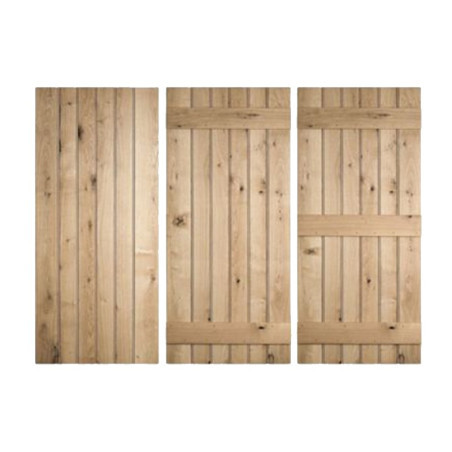
For wooden fences, which are popular for their aesthetic appeal and affordability, experts generally recommend that posts be buried to a depth of at least one-third to one-half of the total post height above ground. In practical terms, for a 6-foot wooden fence post, this means sinking it 2 to 3 feet into the ground to provide ample support against everyday stresses like wind and animal pressure. How deep should a fence post be in this context often varies by region; in windy coastal areas, you might go as deep as 4 feet to ensure stability, while in calmer, inland settings, 2 feet could be sufficient if the soil is compact and the fence isn’t overly tall.
Chain-link fences, known for their durability and low maintenance, require different guidelines, typically recommending a depth of 2 to 3 feet depending on the gauge of the wire and the post diameter. For instance, a heavier gauge chain-link might need posts buried to 3 feet to handle the tension of the fencing material without sagging. In contrast, decorative metal or vinyl fences might only require 18 to 24 inches of depth if they’re lighter and designed for aesthetic purposes, but always check local codes. These guidelines highlight the importance of matching depth to the fence’s material and purpose, ensuring that whether you’re enclosing a garden or a playground, your fence remains upright and effective for years.
Calculating Minimum Post Depth: A Practical Approach
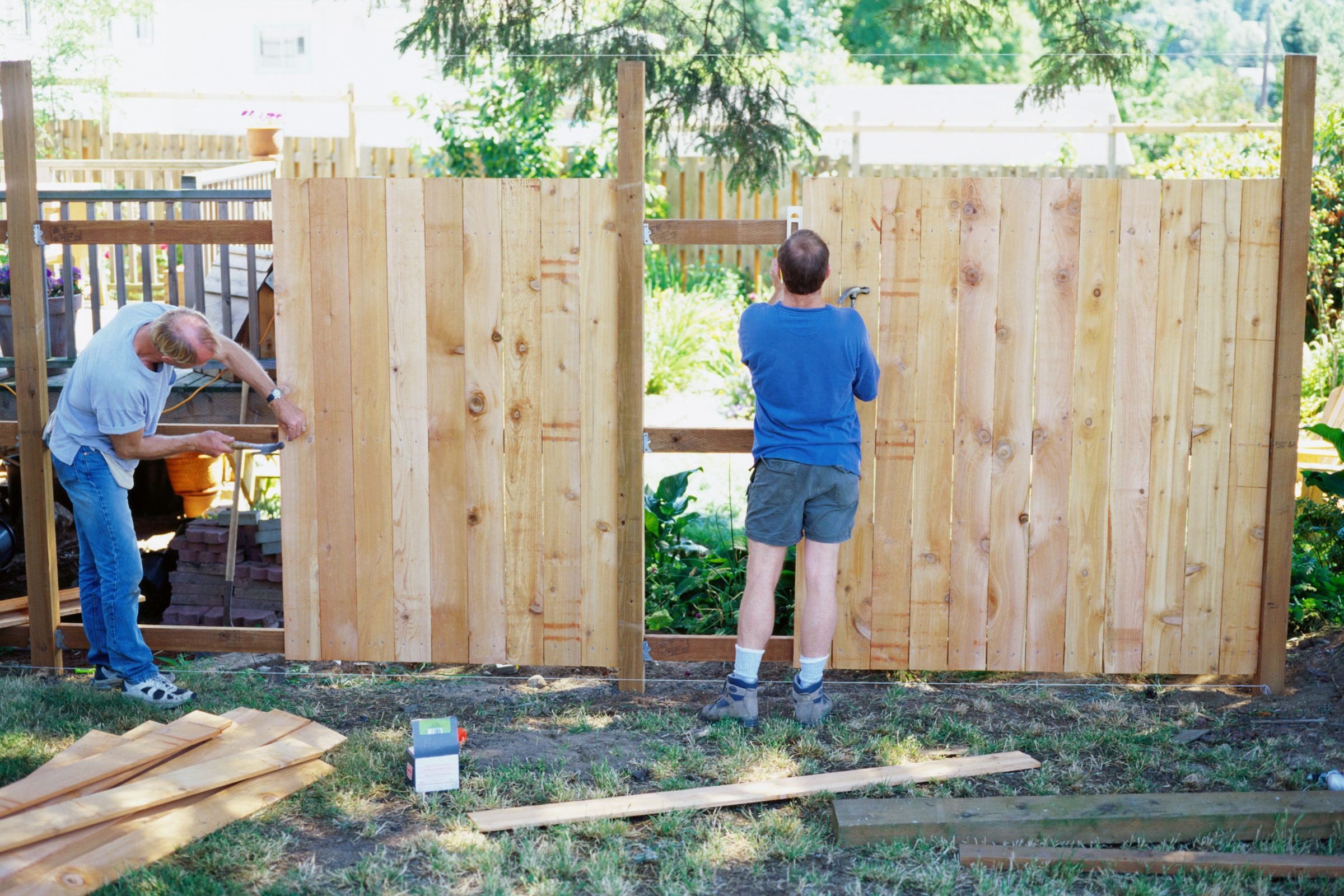
To calculate the minimum post depth, start by assessing the fence height and adding a buffer for stability, using the rule of thumb that the buried portion should be at least one-third of the total height. For example, if your fence is 8 feet tall, aim for a minimum depth of about 2.5 to 3 feet, factoring in soil type and wind exposure. This approach involves simple measurements and basic math: measure the post length, subtract the desired above-ground height, and adjust based on environmental factors like frost lines, which can be found on local building code maps. Tools like a post hole digger and a level become essential here, ensuring that how deep should a fence post be is determined with precision to avoid underestimation.
Beyond basic calculations, a more advanced practical approach includes using formulas from engineering standards, such as those from the American Wood Protection Association, which factor in lateral load and soil bearing capacity. For instance, you might calculate depth by dividing the fence’s wind load by the soil’s resistance value, resulting in a customized depth for your specific setup. This method not only prevents over-digging, which can waste time and resources, but also ensures the post is optimally placed, turning what could be a guesswork task into a scientifically backed decision that enhances the fence’s longevity and safety.
Installation Techniques for Ensuring Adequate Post Support
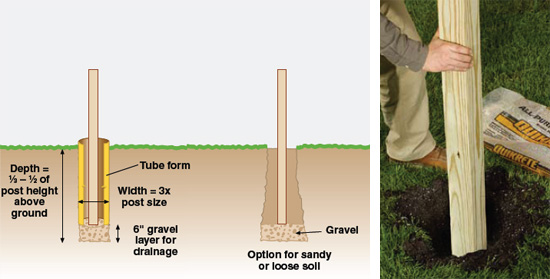
Proper installation begins with selecting the right tools and techniques to achieve the correct depth, such as using a power auger for efficient digging in hard soils or a manual post hole digger for precise control in smaller projects. Once the hole is dug to the determined depth—say, 3 feet for a standard fence—it’s crucial to add gravel or crushed stone at the base for drainage, preventing water accumulation that could rot wooden posts or corrode metal ones. How deep should a fence post be is reinforced during this stage by compacting the soil around the post in layers, ensuring each one is firmly packed to distribute weight evenly and minimize settling over time.
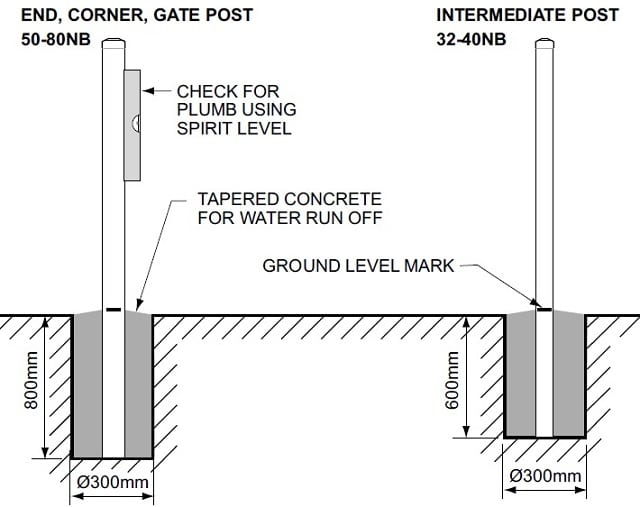
Advanced techniques, like using concrete for additional support, can elevate the installation process, especially in unstable soils. Pouring concrete around the post after it’s placed at the proper depth creates a solid base that resists movement, but remember to allow for expansion joints to accommodate temperature fluctuations. For non-concrete methods, backfilling with native soil mixed with sand can provide sufficient hold, as long as the post is plumb and braced during the initial setting period. These methods not only secure the fence but also extend its lifespan, making your investment in proper depth worthwhile through enhanced durability and reduced maintenance needs.
Addressing Common Issues Related to Insufficient Post Depth
One of the most prevalent issues with insufficient post depth is fence leaning or collapsing, which often occurs in high-wind areas if how deep should a fence post be is underestimated, leading to structural failure and safety hazards. For example, a post buried only 1 foot in loose soil might initially seem stable but could shift during storms, causing the entire fence line to warp and potentially damage adjacent property. This problem is compounded in regions with freeze-thaw cycles, where shallow posts can be lifted by expanding ice, resulting in uneven fencing that requires immediate correction.
To address these issues, start by inspecting existing fences for signs of movement and reinforcing them with deeper reburial or additional bracing. Solutions include excavating around the post to the proper depth and repacking with concrete or stabilized soil, which can prevent future problems and restore stability. Regular maintenance, such as checking for soil erosion around the base, is key to avoiding these pitfalls, ensuring that your fence remains a reliable barrier rather than a recurring headache. By learning from common mistakes, you can implement preventive measures that make how deep should a fence post be a non-issue in your projects.
Conclusion
In summary, determining how deep a fence post should be involves careful consideration of factors like soil type, fence height, and local conditions to ensure lasting stability and safety. From the recommended guidelines for various fence types to practical calculation methods and installation techniques, addressing potential issues proactively can prevent common problems and extend the life of your fence. By following these expert tips, you’ll achieve a secure and effective fencing solution that meets both functional and aesthetic needs.