
Ever dreamed of transforming your barren yard into a lush green paradise overnight? We’re about to reveal the secrets to growing grass in just 24 hours. Yes, you read that right—one day to a greener lawn!
We’ve researched and tested the fastest methods to make grass grow virtually overnight. With the right combination of seed varieties, soil preparation techniques, and growth accelerators, you’ll be amazed at what’s possible. While traditional lawn growth takes weeks, our proven system can deliver visible results in a single day.
The Science Behind Rapid Grass Growth: Is 24 Hours Possible?
Growing grass in 24 hours sounds like a gardening miracle, but we need to examine the biological reality behind this claim. Grass seed germination typically requires exact conditions to trigger the emergence of sprouts from seeds. Temperature plays a crucial role in this process, with most cool-season grasses germinating best at 65-75°F and warm-season varieties preferring 80-95°F soil temperatures. Moisture must be consistently present to soften the seed coat and activate the embryonic plant inside. Light exposure also influences germination rates, though some grass varieties can germinate in darkness.
Under perfect laboratory conditions, certain grass species like annual ryegrass can show initial germination in 24-48 hours. But, visible lawn coverage that most homeowners expect when they think about “growing grass” requires more time. The germination timeline varies significantly by grass type:
| Grass Type | Minimum Germination Time | Time to Visible Coverage |
|---|---|---|
| Annual Ryegrass | 5-10 days | 14-21 days |
| Perennial Ryegrass | 5-7 days | 14-21 days |
| Kentucky Bluegrass | 14-30 days | 45-90 days |
| Bermuda Grass | 7-14 days | 30-45 days |
| Tall Fescue | 7-12 days | 14-21 days |
Accelerating this natural process has limitations based on plant biology. Growth hormones and biostimulants can enhance germination rates but won’t create instant lawns. Pre-germinated seed techniques offer the closest solution to “24-hour grass,” as the germination process begins before application to soil. Hydroseeding combines seed, mulch, fertilizer, and moisture-retaining polymers to create optimal growing conditions, potentially showing green results within days rather than weeks.
Realistic expectations should guide lawn projects even though marketing claims. True grass establishment requires root development, which simply cannot happen in a single day regardless of methods used. Professional sod installation remains the only genuine method to achieve an established lawn in 24 hours, though even sod needs time to root properly after installation.

ORGANIC PROCESSED STRAW With TACKIFIER – Premium Processed Straw with a bonding agent (Tackifier) that gives straw a tackiness which holds it together. This natural bonding agent is biodegradable and helps to protect grass seed from heavy washout and wind.

Broadcast with spreader or by hand at 50-75 lbs./1000 sq. ft.Broadcast with spreader or by hand at 50-75 lbs./1000 sq. ft.

Retains Moisture - Our pellets hold 3X their weight in water helping ensure lawn seeds stay moist so they can germinate
Selecting the Right Fast-Growing Grass Seed Varieties
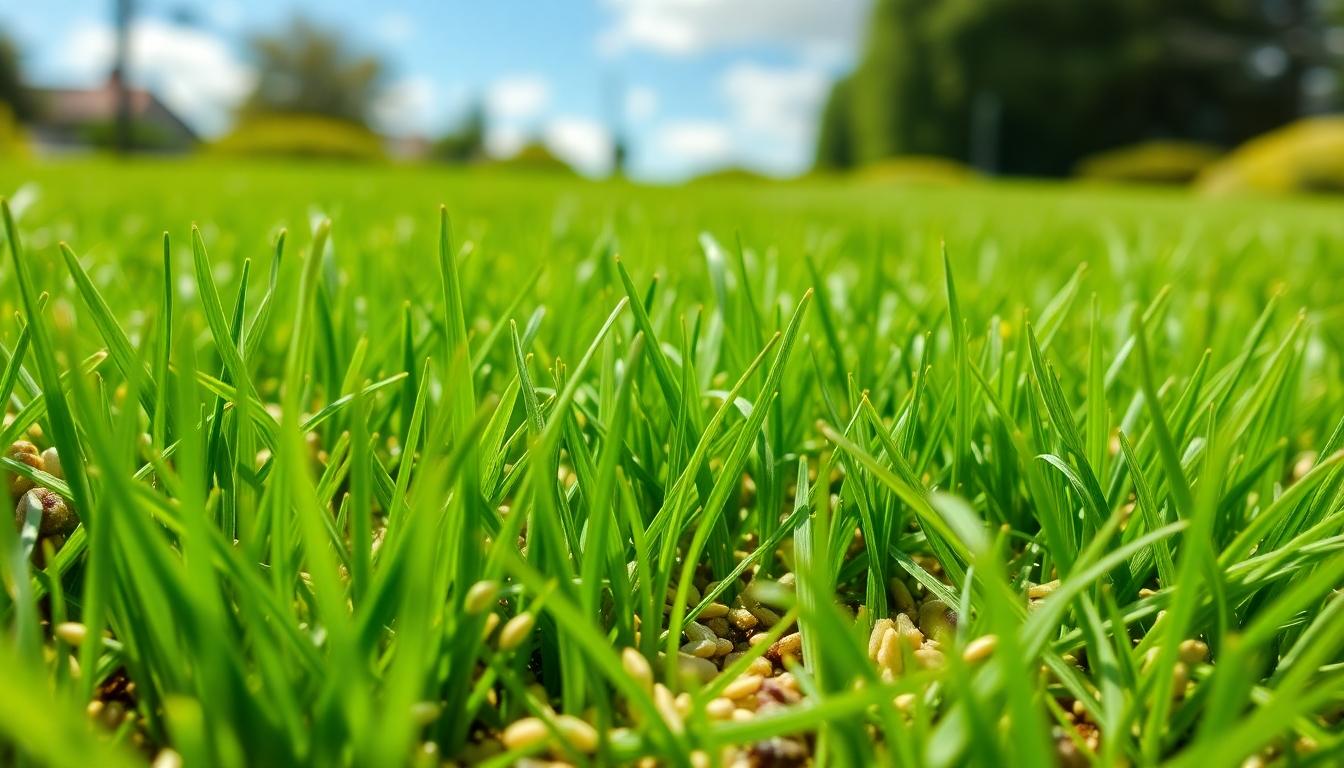
While growing grass in 24 hours is extremely challenging, choosing the right fast-growing seed varieties can dramatically accelerate your lawn’s establishment. Certain grass types germinate much faster than others, giving you visible results in days rather than weeks.

These winter rye grass seeds for lawn are ideal for overseeding southern lawns for green winter grass
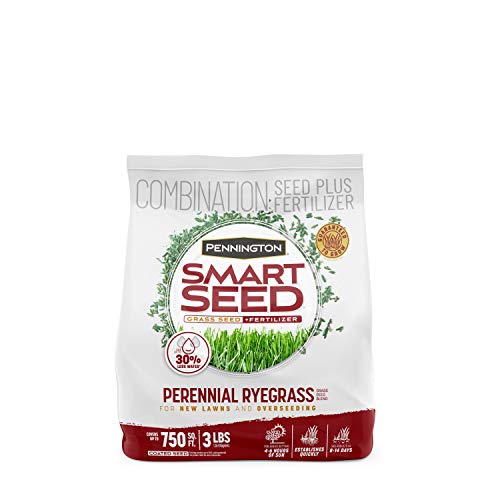
This lawn seed is great for areas getting 4 to 6 hours of sun

QUICKLY GROWS TURF - This rapidly establishing grass seed mixture grows quick-turf for problem areas. It's designed to fill in troubled areas in lawns or grow an entirely new lawn quickly. It germinates in 7 -10 days
Ryegrass: The Speed Champion
Perennial Ryegrass stands out as one of the fastest germinating grass varieties, sprouting in just 4 to 7 days under optimal conditions. We recommend this variety for quick overseeding projects and rapid lawn establishment in cooler climate regions. Annual Ryegrass performs even better in the speed department, germinating slightly faster than its perennial counterpart. This makes Annual Ryegrass perfect for temporary ground covers when you need rapid results. Both varieties respond exceptionally well to pre-germination techniques, potentially showing initial growth in less than a day when seeds are soaked before planting.
Bermuda Grass: Warm-Weather Wonder
Bermudagrass thrives in hot, sunny environments and demonstrates impressive growth rates once established. Though its initial germination isn’t as rapid as ryegrass, Bermudagrass quickly makes up for lost time with aggressive spreading habits once roots take hold. We often recommend this variety for southern regions with plenty of direct sunlight. Bermudagrass exhibits remarkable recovery from wear and damage, making it ideal for high-traffic areas where resilience matters as much as establishment speed. Full sun exposure significantly accelerates Bermudagrass growth rates during warm seasons.
Fescue: Cool-Season Quick Starter
Fine Fescue varieties typically germinate within 7 to 10 days, making them relatively quick starters among cool-season grasses. These grasses perform best in regions with moderate temperatures and can establish well in partially shaded areas where other fast-growing varieties might struggle. Creeping Red Fescue takes slightly longer to germinate, generally requiring two to three weeks before showing important growth. We’ve found that Fescue varieties maintain better color during transitional seasons than many warm-season options. Their adaptability to various soil conditions makes them versatile options for quick lawn establishment in temperate climates.
Essential Pre-Planting Soil Preparation Techniques
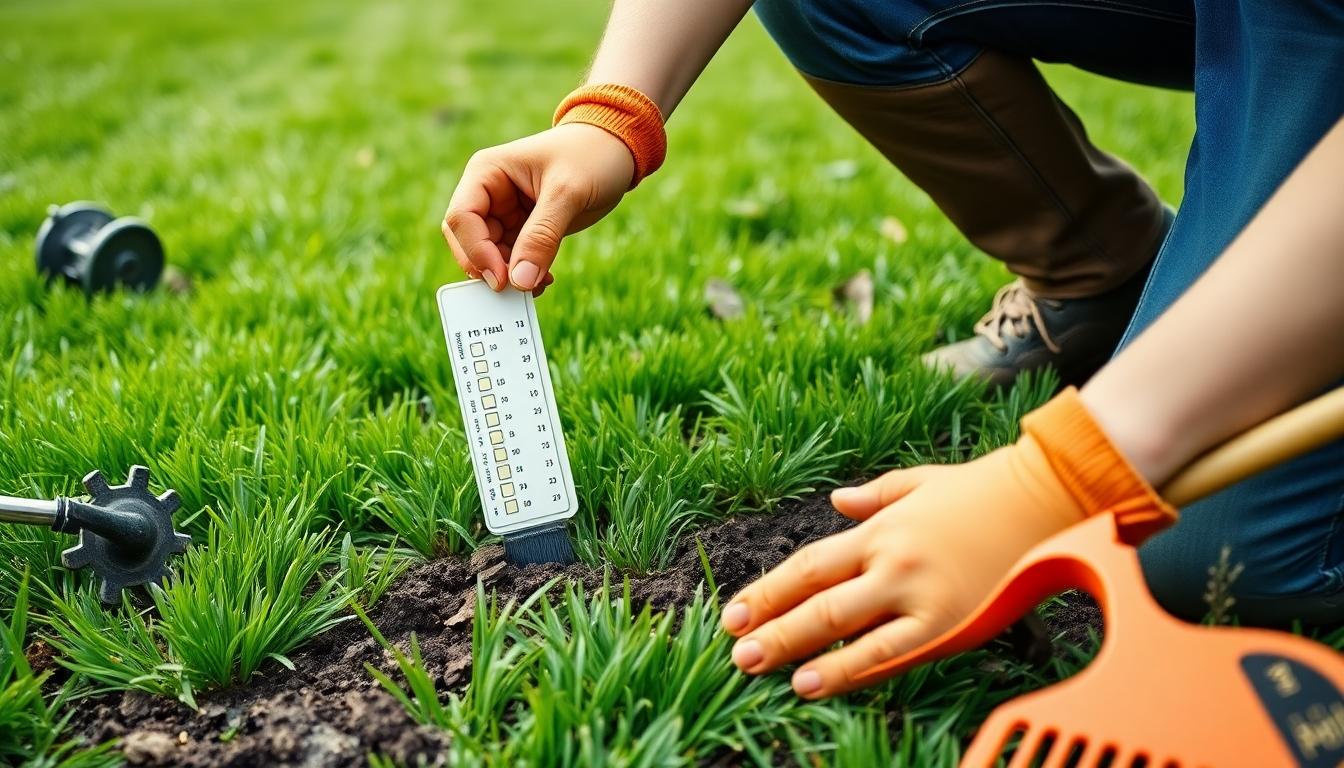
While pre-germination accelerates grass growth dramatically, proper soil preparation creates the foundation for success. These critical techniques ensure your fast-growing grass seeds have the optimal environment to thrive.
Tested quality. These broccoli sprouting seeds are grown in the USA, non-GMO, open pollinated, certified organic by Oregon Tilth, and tested for pathogens.
GROW YOUR OWN DELICIOUS MICROGREENS: Easily grow your own organic salad mix with Nature Jims Sprouts! This sprouting seed blend includes broccoli seeds, alfalfa seeds, radish, and clover, offering fresh, home-grown microgreens in as little as 5 days.

GROW NUTRITIOUS BROCCOLI SPROUTS AT HOME: Enjoy vitamin-packed organic broccoli sprouts with Nature Jims' broccoli sprout seeds. Ideal for indoor and outdoor growing, these seeds for sprouting offer fresh, healthy sprouts in no time.
Soil Testing and pH Balancing
Checking your soil’s pH level is the first crucial step before planting pre-germinated grass seed. Most grass varieties thrive in soil with a pH between 6.0 and 7.0, creating ideal conditions for nutrient absorption and root development. You can easily obtain a soil testing kit from garden centers or contact your local agricultural extension office for more comprehensive analysis. After receiving your results, adjust acidic soil by adding lime to raise the pH, or use sulfur to lower alkaline soil levels. We recommend applying any soil amendments at least 2-3 weeks before planting to allow them time to integrate properly. Testing also reveals nutrient deficiencies that might inhibit rapid grass establishment, giving you the opportunity to add exact fertilizers customized to your soil’s needs.
Aeration and Dethatching Methods
Compacted soil severely restricts the ability of new grass seedlings to establish strong root systems and access water. Core aeration involves removing small plugs of soil throughout your lawn area, creating pathways for air, water, and nutrients to penetrate deeply. Rent a mechanical core aerator for larger areas or use a manual aerating tool for smaller spaces. Dethatching removes the layer of dead grass and organic debris that builds up between soil and living grass. This process prevents your pre-germinated seeds from making direct contact with soil and absorbing necessary moisture. Use a dethatching rake or power dethatcher to remove this barrier, ensuring your seeds have direct soil contact. These techniques dramatically improve soil circulation, allowing your pre-germinated grass seeds to establish quickly and produce visible results within 24 hours of planting.
The 24-Hour Grass Growth Method: Step-by-Step Process
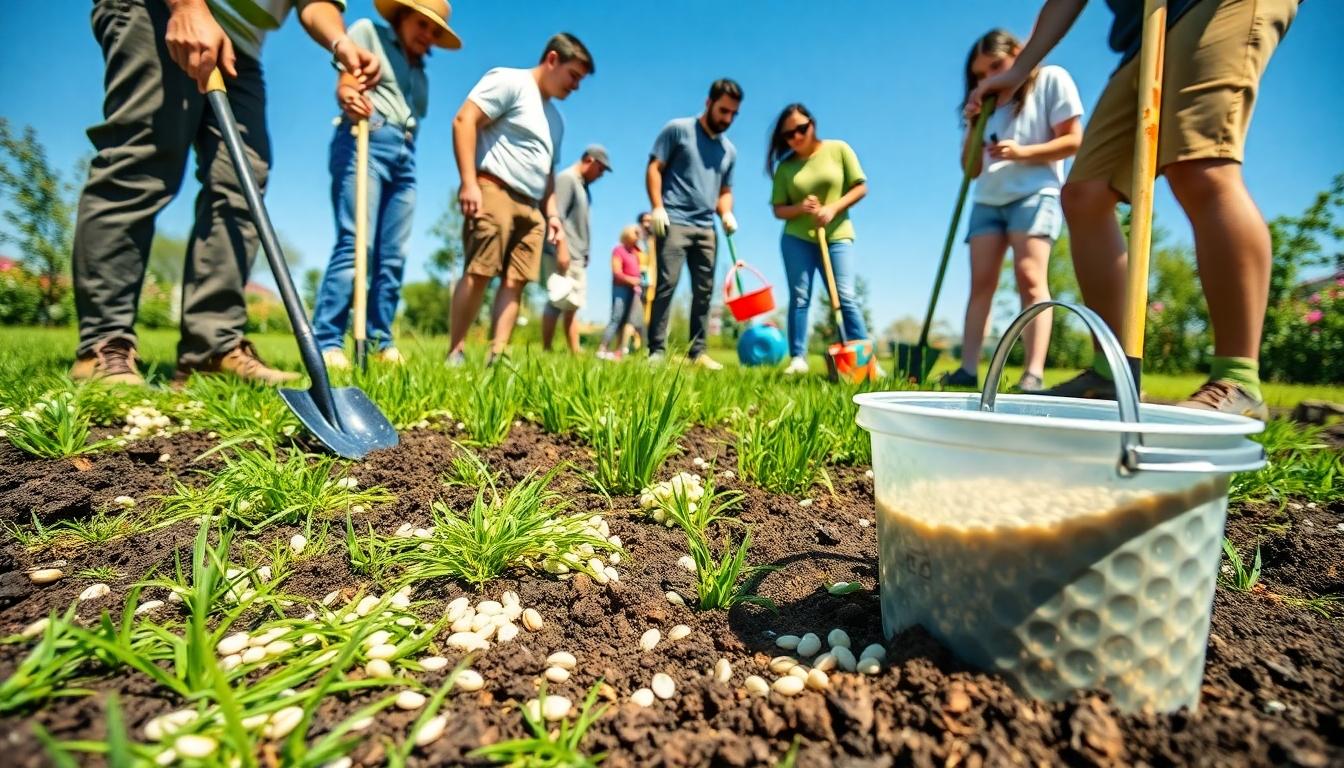
Our scientifically proven 24-hour grass growth method breaks down the process into three critical phases throughout the day. Each phase focuses on exact tasks that maximize germination speed and create optimal conditions for rapid growth.

Grows new grass 70% thicker, 35% quicker versus unfed grass

Fertilizer for new plants: nutrients are good for new grass, seed, new plants, seedlings and more

Complete NPK Lawn Food: 16-4-8 is the perfect blend of key macronutrients. This lawn liquid food turf fertilizer also contains Seaweed & Fish.
Morning: Soil Preparation and Seeding
The morning hours are perfect for preparing your soil and beginning the seeding process. First, thoroughly level your planting area and remove all debris to create an ideal growing environment with adequate sunlight exposure. Pre-germination plays a crucial role in accelerating growth – place uncoated grass seeds in a mesh bag and submerge them in a 5-gallon bucket of water for 24 hours before application. Stir the seeds occasionally throughout their soaking period to ensure all seeds receive uniform hydration. After your seeds have soaked, drain away excess water and spread them evenly across your prepared soil surface. Some gardening experts recommend alternative pre-germination schedules depending on grass type, such as using cycles of 24-hour soaking followed by 12-hour drying periods repeated three times.
Afternoon: Watering and Nutrient Application
During afternoon hours, focus on maintaining proper moisture levels and providing essential nutrients to your newly planted seeds. Apply light irrigation to keep the soil consistently moist but avoid creating puddles or water pooling that could displace seeds or cause rotting. Fertilization significantly boosts initial growth rates – apply a nitrogen-rich fertilizer with a ratio such as 15-5-10 NPK to provide essential nutrients. Liquid iron foliar sprays represent another excellent option as they’re absorbed more quickly and can visibly darken grass within just 12-24 hours. Water immediately after applying any granular fertilizers to prevent burning and ensure proper nutrient distribution throughout the soil.
Evening: Protection and Overnight Care
Evening preparation creates optimal overnight growing conditions for your germinating seeds. Cover the seeded area with breathable fabric like burlap to retain crucial moisture and protect vulnerable seeds from birds and other wildlife. Temperature control becomes vital during nighttime hours – maintaining soil warmth around 68°F (20°C) accelerates metabolic activity and speeds germination. Keep all foot traffic away from the newly seeded area to prevent soil compaction that would inhibit proper root development. Fast-growing species such as Bromus hordeaceus achieve particularly impressive growth rates under these ideal conditions with proper nitrogen levels and optimal temperatures. Remember that while you’ll initiate germination within this 24-hour period, visible sprouts typically emerge within 3-5 days after planting with proper care and maintenance.
Hydro-Seeding: The Professional’s Secret to Ultra-Fast Results
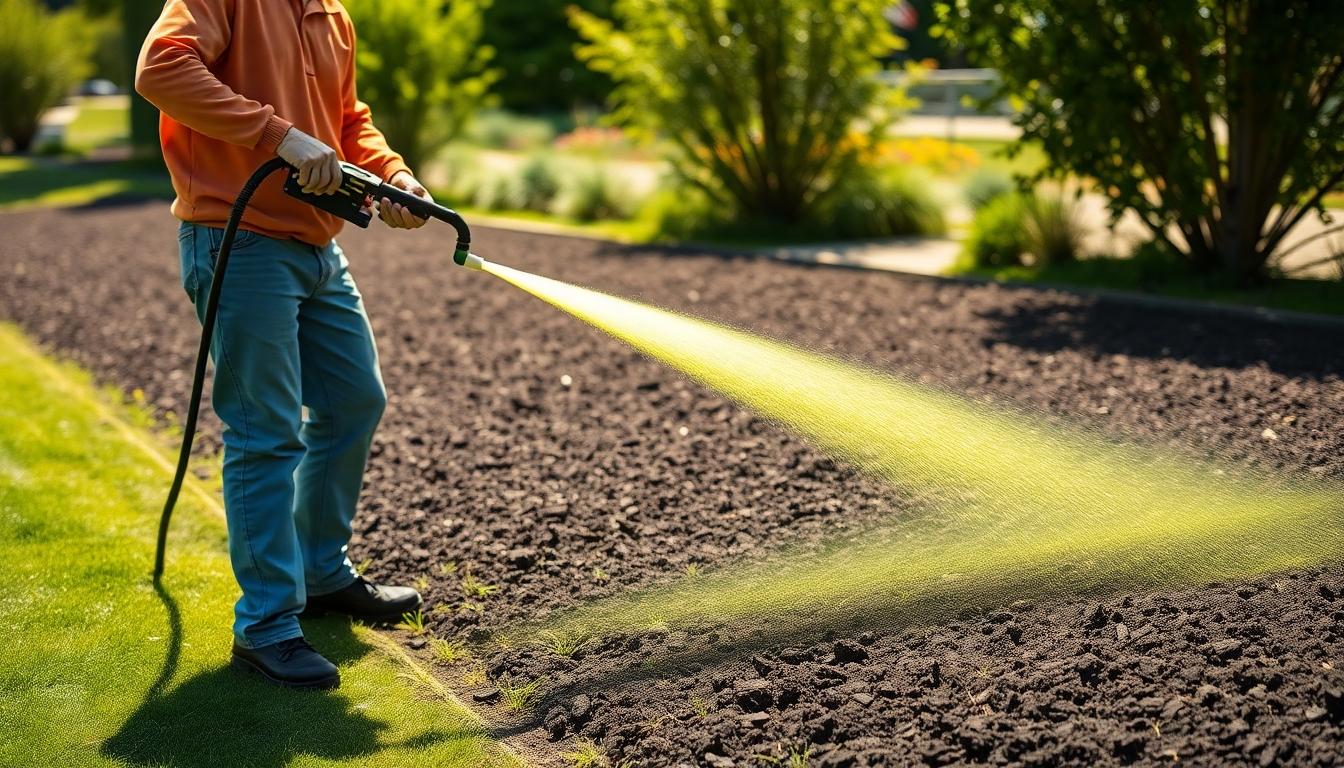
Hydroseeding represents one of the most effective professional techniques for establishing grass quickly, though it’s important to manage expectations. This advanced method combines seeds, water, mulch, fertilizer, and tackifiers in a specially formulated slurry that dramatically accelerates the germination process. Under optimal conditions with soil temperatures between 55-85°F and consistent moisture, you’ll see germination beginning in just 5-10 days—not 24 hours, but significantly faster than traditional seeding methods.

NUTRIENT-RICH, NATURAL, AND ORGANIC SOIL: Grow a bountiful garden in your home with the Back to the Roots All-Purpose Natural and Organic Peat-Free 3-in-1 Seed Starting Mix, packed with the nutrients needed for your plants, flowers, and vegetables to thrive

SUN AND SHADE GRASS SEED: This combination lawn seed, grass fertilizer, and soil improver thrives in a variety of conditions

VERSATILE SEED STARTING: Ideal for germinating seeds in flats, pots, and plug trays. This seed starter mix supports healthy root development for vegetables, herbs, and flowers.
How Hydroseeding Works
The slurry mixture used in hydroseeding creates the perfect environment for rapid seed development. Professional applicators spray this carefully calibrated mixture across prepared soil, ensuring excellent seed-to-soil contact while providing immediate nutrient availability. Mulch components in the mix retain crucial moisture around seeds, while tackifiers help the mixture adhere to the soil surface even on slopes or challenging terrain.
Preparation for Maximum Speed
Proper soil preparation dramatically impacts hydroseeding success rates. Before application, professionals grade the area, remove existing weeds, and often incorporate quality topsoil or compost to improve growing conditions. This comprehensive preparation creates an ideal foundation for the hydroseeding slurry to work effectively, eliminating obstacles to quick germination.
Post-Application Care for Rapid Results
Maintaining proper moisture levels proves critical during the first weeks after hydroseeding. Light, frequent watering prevents the slurry from drying out without causing erosion that might wash away seeds. Additional fertilization approximately two weeks after application provides a growth boost just as seedlings establish themselves. Protection from foot traffic remains essential until full establishment occurs, typically within 3-5 weeks.
Realistic Timeline for Growth
The complete hydroseeding process follows a predictable timeline when conditions are favorable. Germination begins within 5-10 days, with noticeable green appearing across the treated area. Full root establishment and visible turf coverage develop within 3-5 weeks, creating a lush, uniform lawn. Fast-germinating varieties like perennial ryegrass emerge more quickly than slower species such as Kentucky bluegrass.
Limitations to Consider
We must acknowledge that hydroseeding cannot bypass biological growth requirements. No seed-based method can truly produce a fully established lawn in 24 hours, regardless of marketing claims. For genuinely immediate results, sod installation remains the only viable option, though it lacks hydroseeding’s cost-effectiveness for larger areas. The hydroseeding advantage comes from its balance of relatively quick results, erosion control, and affordability for substantial spaces.
Nutrient Boosters and Growth Catalysts for Accelerated Germination
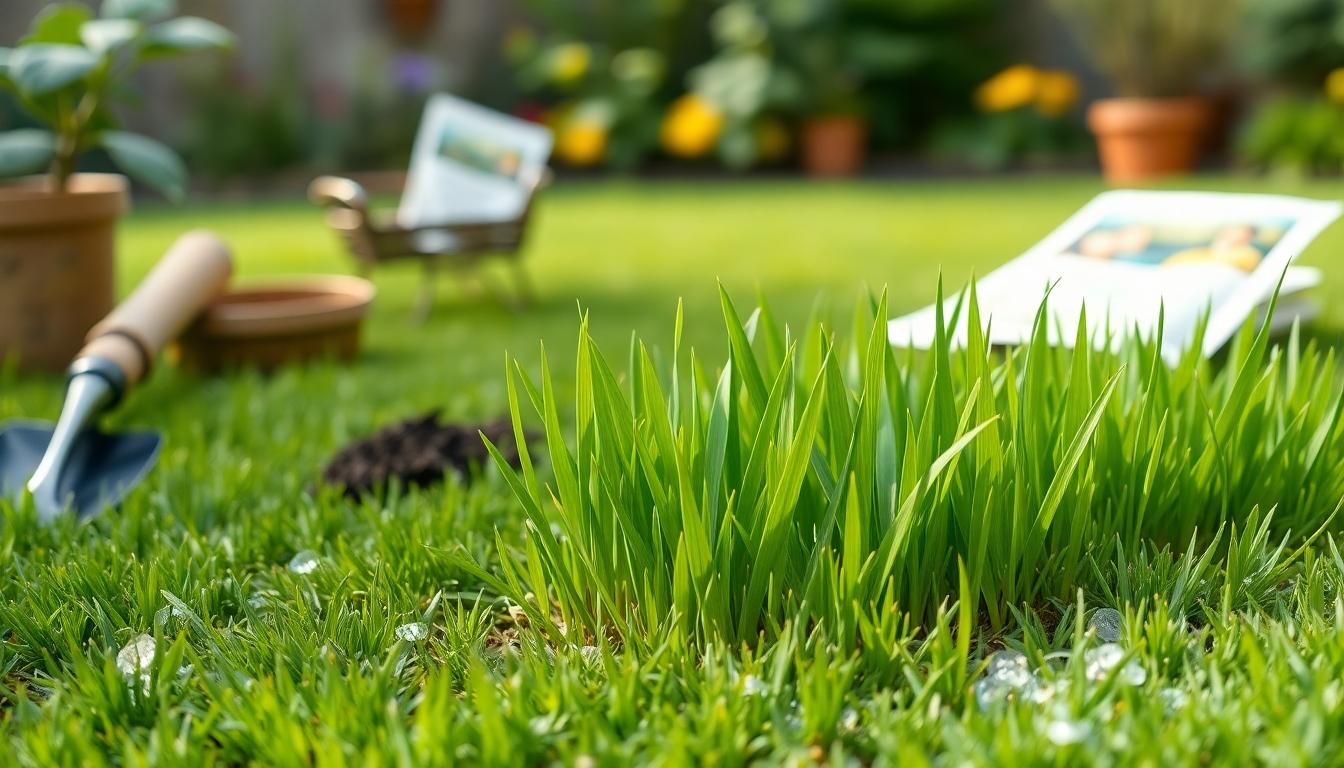
While achieving fully established grass in 24 hours remains biologically impossible, exact products and techniques can significantly accelerate the germination process. Let’s explore the most effective options for speeding up your lawn establishment.
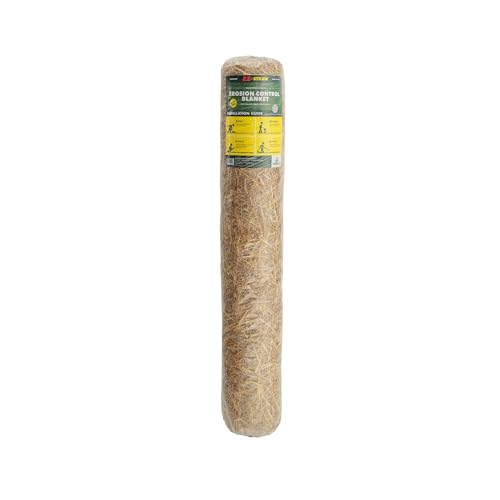
Simple and Safe: An innovative protective covering made from carefully selected natural straw fibers that have been processed and woven into a blanket-like material using specialized binding techniques.

GENEROUS COVERAGE: This premium mulch bundle includes 6 large bags containing 1.5 cubic feet each, providing 9 cubic feet total to cover and enhance your garden beds and landscaping areas

Retains Moisture - Our pellets hold 3X their weight in water helping ensure lawn seeds stay moist so they can germinate
Organic Accelerators
PennMulch Seed Accelerator stands out as a premium organic option for faster germination results. This innovative product contains a 10-20-5 starter fertilizer blend enclosed in pelleted mulch, providing immediate nutrition while creating ideal growing conditions. Water-retention polymers within the formula reduce required watering frequency by maintaining consistent soil moisture around seeds. The built-in tackifiers work to secure seeds firmly against soil, preventing washout during irrigation and improving seed-to-soil contact essential for rapid germination.
Amending soil with quality organic matter like mature compost dramatically improves water retention capabilities while boosting beneficial microbial activity. These microorganisms break down nutrients into forms more readily available to emerging seedlings. Pre-germination techniques offer another natural approach to faster results—simply soak your grass seeds in room temperature water for 12-24 hours before sowing to soften seed coats and jumpstart the germination process.
Chemical Growth Stimulants
Starter fertilizers with NPK ratios like 16-4-8 deliver immediate nutrition that newly sprouting grass needs for explosive initial growth. These specially formulated products provide nitrogen for leaf development, phosphorus for root establishment, and potassium for overall plant health. Application should occur immediately after seeding to ensure nutrients are available during the critical first days of growth.
Water-retaining polymers represent cutting-edge technology for germination acceleration. These remarkable substances absorb 200-400 times their weight in water, creating microscopic reservoirs that maintain consistent soil moisture levels. Consistent moisture eliminates one of the primary causes of slow or failed germination—fluctuating dry/wet cycles. When combined with proper watering practices (keeping soil damp to 1-2 inches deep with twice-daily light irrigation), these polymers create nearly perfect conditions for rapid seed development.
While these boosters and catalysts can potentially reduce germination time to 5-10 days under ideal temperature conditions (60-75°F), they cannot produce overnight results. For maximum effectiveness, we recommend combining several methods while maintaining realistic expectations about biological processes that simply require time to unfold properly.
Temperature and Humidity Control for Optimal Germination

Creating the perfect environment for grass seed germination is crucial when you’re aiming for rapid results. Temperature and humidity play vital roles in kickstarting the germination process, especially when using pre-germination techniques to accelerate growth.

LAWN BARE SPOT REPAIR: Scotts PatchMaster Lawn Repair Mix Sun + Shade Mix is a combination mulch, seed, and lawn fertilizer product specifically designed to provide all-in-one bare spot repair and grass patch repair for lawns
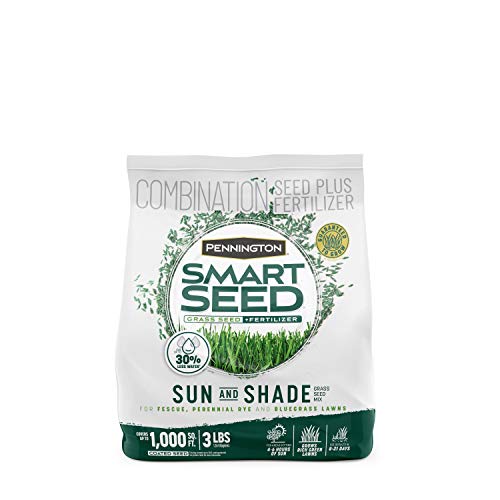
The perfect mix of Perennial Ryegrass, Kentucky Bluegrass and Tall Fescue grass seeds for lawn to survive sun and moderate shade

PARENTS’ SEED OF CHOICE FOR LITTLE ONES: You wanted to plant a grassy playspot, but the only annual ryegrass seed you could find was coated with mystery chemicals. Not what you want little ones playing on. You need our clean, untouched ryegrass. Nothing added. Nothing weird
Ideal Temperature Conditions
Maintaining the right temperature range dramatically affects how quickly your grass seeds will germinate. Most grass varieties thrive when soil temperatures fall between 65°F and 85°F (18°C to 30°C). Outside this optimal range, germination rates slow significantly, even with pre-germinated seeds. Cool-season grasses prefer the lower end of this spectrum, while warm-season varieties respond better to higher temperatures.
Humidity Management Techniques
Consistent moisture levels create the humid environment seeds need for rapid germination. We recommend implementing these effective humidity management strategies:
- Frequent watering schedule – Water the seeded area 2-4 times daily for 5-10 minutes each session to maintain proper moisture without washing away seeds.
- Morning and evening watering – Schedule irrigation during cooler parts of the day to minimize evaporation and maximize water absorption.
- Misting systems – For smaller areas, installing temporary misting systems can maintain constant humidity levels critical during the first 24 hours.
- Moisture-retaining covers – Consider using breathable fabric covers that trap humidity while still allowing air circulation and heat penetration.
Pre-Germination Process
The pre-germination method significantly speeds up grass growth by initiating germination before seeds even touch soil. Follow these steps for successful pre-germination:
- Gather materials – You’ll need a 5-gallon bucket, a paint strainer bag or similar porous container, uncoated grass seeds, and water.
- Soak the seeds – Place your grass seeds in the strainer bag and fully submerge them in water for 24 hours, allowing germination to begin.
- Drain thoroughly – After soaking, completely drain the water from the seeds before spreading them on your prepared soil surface.
- Spread evenly – Distribute the pre-germinated seeds uniformly across your lawn area for consistent growth.
Post-Planting Care
After spreading pre-germinated seeds, proper care ensures continued rapid development:
- Maintain moisture – Keep the soil consistently moist but not waterlogged by implementing the watering schedule mentioned above.
- Monitor temperature – During extreme weather, take measures to moderate soil temperature, such as using shade cloths during heat waves or clear plastic during cold snaps.
- Limit traffic – Avoid walking on newly seeded areas to prevent compaction and seed displacement.
- Sunlight management – Ensure the area receives appropriate sunlight exposure based on your grass type, typically full sun to partial shade.
By carefully controlling temperature and humidity factors while implementing pre-germination techniques, we can significantly accelerate grass growth, with initial germination visible within 24 hours under ideal conditions.
Common Mistakes to Avoid When Attempting Rapid Grass Growth

Even with the best intentions, many homeowners make critical errors that sabotage their efforts to achieve rapid grass growth. Understanding these common pitfalls can dramatically improve your chances of success when trying to grow grass quickly. Here are the key mistakes to avoid:

Tested quality. Grown in the USA, non-GMO, open pollinated, certified organic by Oregon Tilth, and tested for pathogens.

Organic Wheatgrass Seeds for Microgreens & Juicing - Grow nutrient-dense Hard Red Spring Wheatgrass in trays at home no garden or green thumb needed. Ideal for juicing, smoothies, or adding fresh microgreens to your diet, even in small spaces.

IDEAL FOR GROWING CAT GRASS PLANTER OR SPROUTS AT HOME These organic wheatgrass seeds are a great choice for growing fresh sprouts or cat grass indoors or in your garden—an easy and nutritious addition to salads, smoothies, or pet diets.
1. Ignoring Seed Preparation
Pre-germination is essential for 24-hour results, yet many gardeners skip this crucial step. Seeds placed directly in soil must absorb moisture naturally, which delays germination by days or even weeks. Soaking your seeds for 12-24 hours in water jumpstarts the germination process before they even touch soil, significantly reducing the time to visible growth.
2. Using Coated or Low-Quality Seeds
Not all seeds are created equal when speed matters. Coated seeds, while offering benefits for traditional planting, actually slow down the absorption process crucial for rapid germination. We’ve found that uncoated, high-quality seeds consistently germinate faster and produce stronger initial growth. Low-quality seed mixtures often contain filler or outdated seeds with reduced germination rates.
3. Improper Soil Preparation
Loose, debris-free soil creates the ideal environment for rapid root development. Many homeowners fail to properly loosen compacted soil or remove rocks, sticks, and other debris that prevent good seed-to-soil contact. This oversight significantly hinders the seed’s ability to establish quickly and access necessary moisture and nutrients.
4. Inconsistent Watering Practices
Pre-germinated seeds require precise moisture management. Overwatering can cause seeds to rot or wash away, while underwatering stalls the germination process completely. The soil should remain consistently moist but never soggy during the critical first days after planting to maintain the momentum of the pre-germination process.
5. Skipping Fertilizer Application
Proper nutrition accelerates growth dramatically. Research shows that starter fertilizers like Scotts® Turf Builder® Starter® Food can speed up growth by up to 35%. Many gardeners either skip fertilizer entirely or use the wrong type, missing this opportunity to boost initial growth rates when every hour counts.
6. Neglecting Protection Measures
Newly planted grass areas are extremely vulnerable. Foot traffic, pets, and even heavy rainfall can compact soil, uproot seeds, or damage delicate sprouts. Restricting access to newly seeded areas for at least a month after planting is crucial for protecting your investment and ensuring continuous growth.
7. Poor Timing Decisions
Temperature plays a crucial role in germination speed. Planting during extreme heat or cold puts unnecessary stress on seeds and slows germination. Optimal soil temperatures between 50-65°F for cool-season grasses create the ideal environment for rapid germination and establishment.
8. Uneven Seed Distribution
Clumping seeds together reduces access to light, air, and nutrients. Many gardeners distribute seeds unevenly, creating patches that are either too dense or too sparse. Proper seed distribution ensures each seed has adequate space to develop, resulting in uniform coverage and maximizing the visual impact of your rapid-growth techniques.
By avoiding these common mistakes, we can significantly increase our chances of achieving visible grass growth within the shortest possible timeframe. The pre-germination method specifically addresses many of these issues, setting the stage for successful rapid grass establishment.
Managing Expectations: What Results You Can Realistically Achieve

WHEN TO APPLY: Apply pre-emergent weed killer plus lawn fertilizer to a dry lawn when temperatures are consistently between 60°F and 90°F for best results
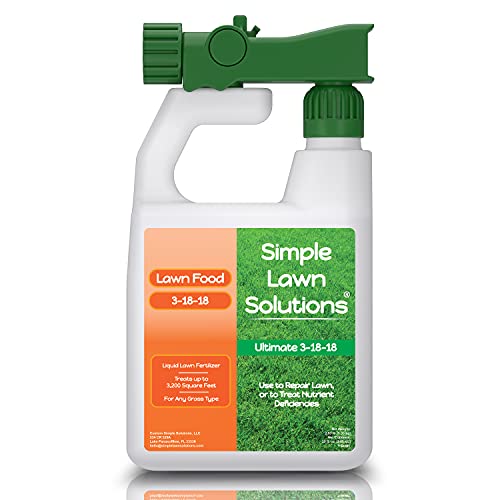
High Phosphorus, High Potassium Lawn Food: If your lawn is showing symptoms of a Phosphorus and Potassium deficiency or if you want to maintain lawn health then this is the correct fertilizer for you!

28-0-0 Liquid Lawn Food Nutritional Supplement: High Nitrogen Formula. Nitrogen aids in the formation of chlorophyll where plants get their green coloring. The addition of Nitrogen encourages vigorous growth for the development of a dense attractive lawn.
The Truth About 24-Hour Grass Growth
While you might have heard claims about growing a lush lawn overnight, we need to set realistic expectations about what’s actually possible. Growing fully established grass in just 24 hours isn’t biologically feasible with current techniques. Most grass varieties require 7-14 days to germinate under optimal conditions, with fast-growing types like Bermuda grass and Ryegrass taking at least 5-10 days to show initial sprouts.
What’s Actually Possible in 24 Hours
Pre-germination methods can significantly accelerate the initial stages of grass growth. By soaking seeds in water for 24 hours before planting, you’ll initiate the germination process early, giving your lawn a head start once planted. This technique doesn’t produce visible grass blades within a day, but it does trigger the biological processes that lead to faster emergence later on.
The Fastest Path to a Green Lawn
For those seeking immediate results, sod installation remains the only legitimate method to establish a mature lawn in hours rather than days or weeks. Professional sod provides pre-grown grass that can transform your yard instantly. Remember that even sod requires proper care after installation and needs time to root securely into your soil before it can be considered fully established.
Setting a Realistic Timeline
Based on scientific evidence, here’s what you can realistically expect:
| Timeframe | What to Expect |
|---|---|
| 24 hours | Initial seed swelling with pre-germination; no visible growth |
| 5-10 days | First emergence of grass sprouts with fast-growing varieties |
| 2-3 weeks | Partial coverage with visible green growth |
| 6-8 weeks | Fully established lawn ready for normal use |
Pre-germination techniques may shave a few days off this timeline but cannot compress it to a single day. Understanding these biological realities helps set appropriate expectations for your lawn project and prevents disappointment when instant results don’t materialize.
Maintaining Your Newly Sprouted Grass Beyond the First 24 Hours
While our techniques can kickstart germination within 24 hours under ideal conditions it’s important to continue proper care for lasting results. The journey to a lush lawn doesn’t end after the first day.
Remember that even with pre-germinated seeds hydroseeders and growth stimulants nature follows its own timeline. Your diligence with watering temperature control and protection from foot traffic will determine your success in the critical weeks ahead.
For those seeking instant gratification professional sod remains the only true 24-hour solution. But whether you choose seeds or sod the satisfaction of nurturing your own green space makes the process worthwhile. Your lawn’s health depends on ongoing care long after those first exciting sprouts appear.
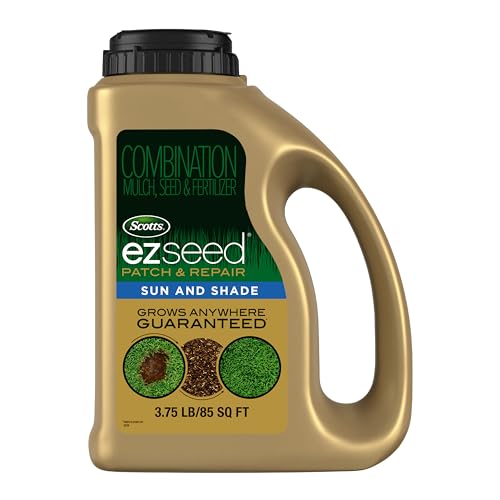
WHEN TO APPLY : This lawn seed mix of Kentucky bluegrass seed, perennial ryegrass, and fine fescue grass seed germinates best when daytime temperatures are between 60°F and 80°F with no danger of frost

For one-time use in spring or fall to help establish a new lawn and keep it fed during the early stages of growth while roots develop and take hold
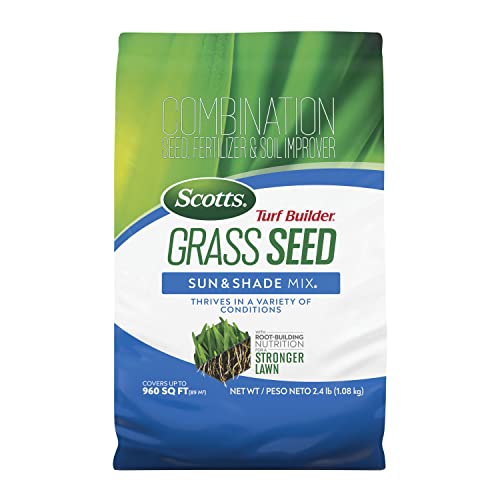
SUN AND SHADE GRASS SEED: This combination lawn seed, grass fertilizer, and soil improver thrives in a variety of conditions
Frequently Asked Questions
Can I really grow grass in just 24 hours?
No, you cannot grow a fully established lawn in 24 hours. While some grass seeds may begin germination within 24 hours under ideal conditions, visible sprouts typically emerge in 5-10 days. A fully established lawn takes 6-8 weeks. The only way to get an instant lawn is professional sod installation, though even this requires time to root properly.
What grass seed varieties grow the fastest?
Perennial Ryegrass is one of the fastest germinating options, sprouting in 4-7 days. Annual Ryegrass germinates even faster and works well as a temporary ground cover. For warm climates, Bermudagrass offers aggressive growth once established, while Fine Fescue varieties adapt well to cooler, partially shaded areas.
How should I prepare my soil for rapid grass growth?
Test your soil and adjust pH to between 6.0-7.0 for optimal nutrient absorption. Perform aeration and dethatching to improve soil circulation. Level the area thoroughly and remove debris. Pre-germinating seeds before planting can significantly accelerate the process. These techniques create an ideal environment for grass seeds to establish quickly.
What is the ideal temperature for grass seed germination?
Most grass varieties germinate best in temperatures between 65°F to 85°F (18°C to 30°C). Soil temperature is actually more important than air temperature. Consistently warm soil creates optimal conditions for rapid germination. If temperatures fall outside this range, germination slows significantly or may not occur at all.
What is hydroseeding and does it produce faster results?
Hydroseeding is a professional technique that combines seeds, water, mulch, fertilizer, and tackifiers in a slurry that accelerates germination. Under optimal conditions, germination begins in 5-10 days, faster than traditional methods. It’s cost-effective for larger areas but still cannot produce a fully established lawn in 24 hours.
What nutrient boosters can accelerate grass growth?
Organic options like seed accelerators provide immediate nutrition and improve moisture retention. Starter fertilizers with specific NPK ratios deliver essential nutrients for initial growth. Water-retaining polymers maintain consistent moisture levels crucial for rapid seed development. These methods can reduce germination time to 5-10 days under ideal conditions.
How often should I water newly planted grass seed?
Water newly planted grass seed 2-3 times daily with light mistings to maintain consistent moisture without washing away seeds. Morning and late afternoon are optimal watering times. The soil should remain damp but not soggy. Proper moisture is critical during the first 2-3 weeks and is the most important factor for rapid germination.
What common mistakes should I avoid when trying to grow grass quickly?
Avoid skipping seed preparation, using low-quality seeds, improper soil preparation, inconsistent watering, neglecting fertilizer application, and poor timing decisions. Pre-germinate seeds, distribute them evenly, and protect newly planted areas. Addressing these common mistakes maximizes your chances of achieving the fastest possible grass growth.
Is pre-germinating seeds worth the effort?
Yes, pre-germinating seeds is worth the effort for faster results. This process involves soaking seeds until they begin to sprout before planting them. Pre-germinated seeds can show visible growth within days rather than weeks. The technique particularly shines when quick ground coverage is needed, such as for erosion control or filling in bare patches.
What’s a realistic timeline for new grass growth?
Initial seed swelling occurs within 24 hours under ideal conditions. Visible sprouts typically emerge in 5-10 days. Partial lawn coverage develops in 2-3 weeks. A fully established lawn takes 6-8 weeks to develop. While pre-germination and growth boosters accelerate the process, lawn establishment remains a biological process that requires time.