
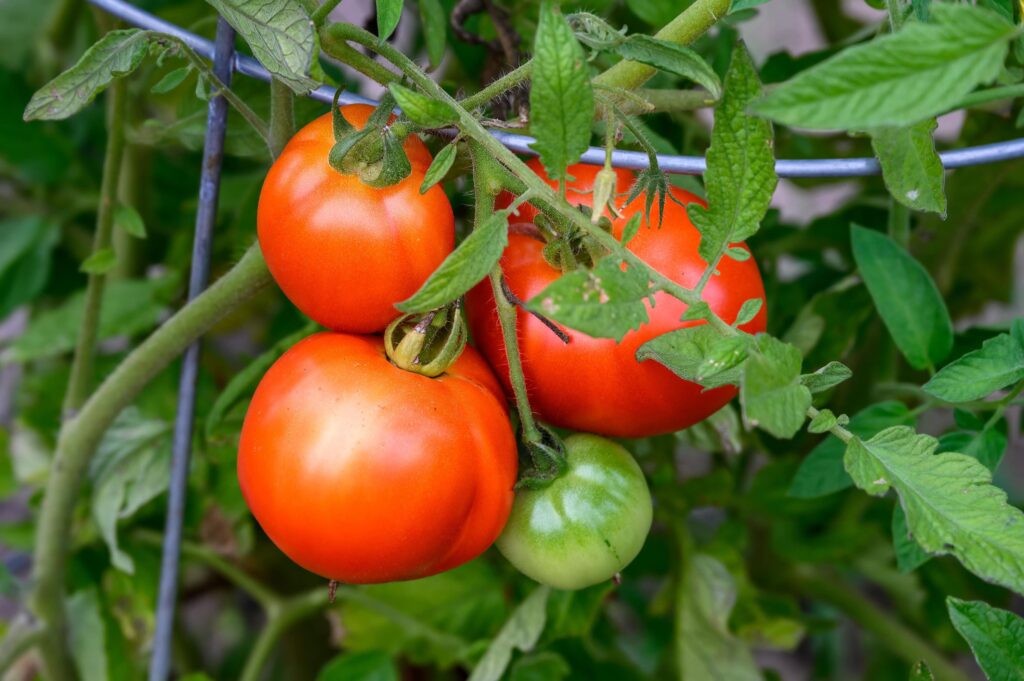
Many gardeners often ponder the question, “do tomatoes need a trellis,” especially when they’re planning their vegetable patches for the season. This support structure can play a crucial role in managing tomato plants, helping them grow upright, access more sunlight, and avoid ground-level pests and diseases. Understanding whether trellising is necessary depends on factors like the tomato variety, your garden space, and environmental conditions, making it a key consideration for both novice and experienced growers.
The Importance of Trellising Tomatoes: An Overview
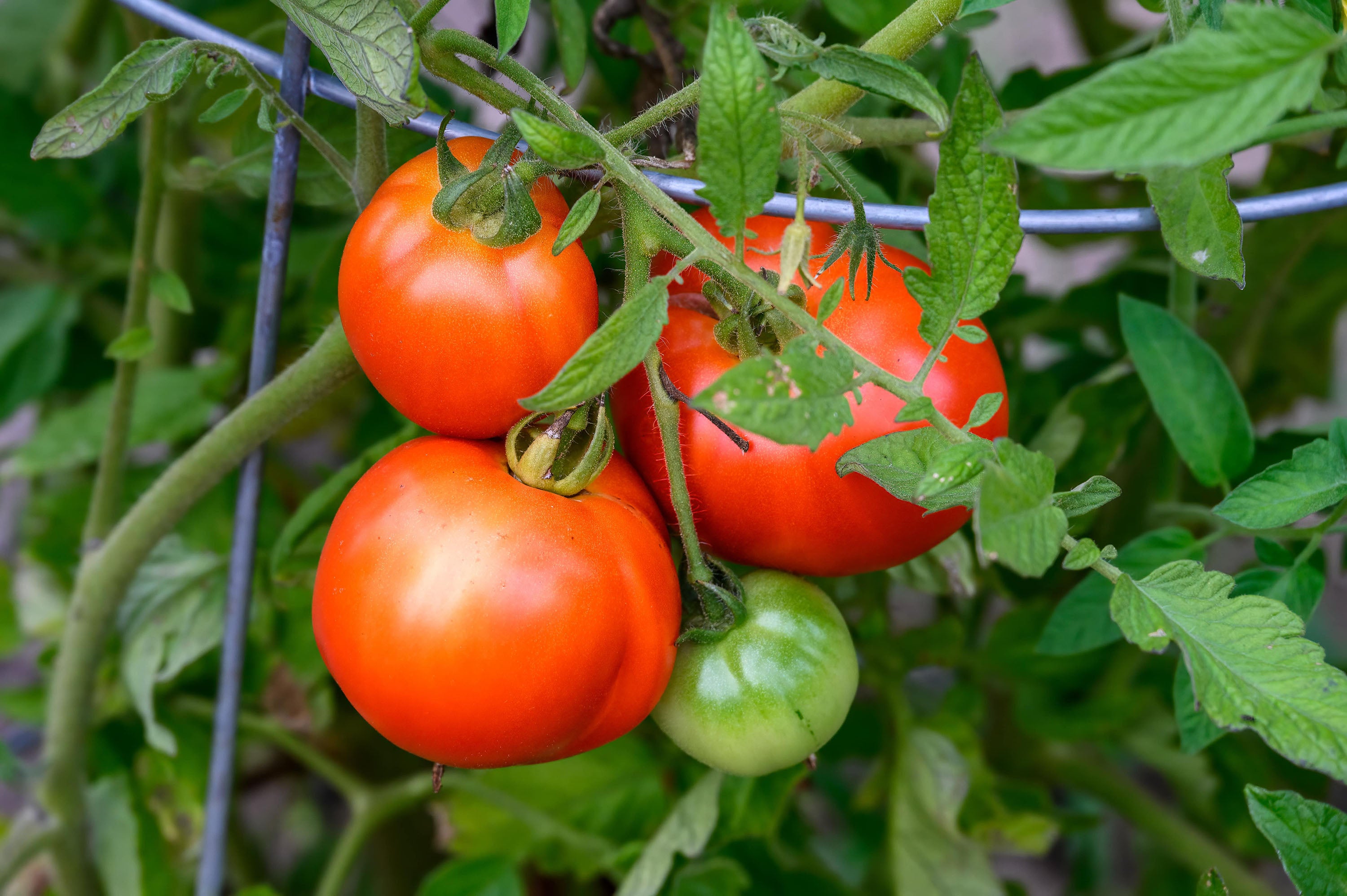
Trellising tomatoes isn’t just about aesthetics; it’s a fundamental gardening technique that can transform how your plants develop and produce fruit. By providing a vertical support system, such as stakes or cages, you encourage the vines to climb rather than sprawl, which conserves space in smaller gardens and makes harvesting easier. This method also promotes better air circulation around the leaves and fruits, reducing the risk of fungal issues like blight that thrive in damp, crowded conditions.
Beyond these practical benefits, trellising can enhance the overall health of your tomato plants by exposing more foliage to sunlight, which is essential for photosynthesis and nutrient uptake. For instance, indeterminate tomato varieties, which continue growing throughout the season, often require sturdy trellises to prevent them from becoming unwieldy and breaking under their own weight. This approach not only boosts yields but also allows you to monitor for pests more effectively, as the plants are elevated off the soil. In essence, while not every gardener will need to trellis their tomatoes, understanding this practice can lead to more efficient and productive gardening endeavors.
Do All Tomato Varieties Need a Trellis? Understanding Growth Habits
Not every tomato plant behaves the same way, which is why the question “do tomatoes need a trellis” varies based on the specific variety you’re growing. Determinate tomatoes, for example, are compact and bushy, typically reaching a set height before stopping growth, so they might thrive without extensive support if planted in a well-mulched bed. In contrast, indeterminate types like Beefsteak or Cherry tomatoes keep growing and producing until frost hits, often requiring a trellis to manage their vigorous, vine-like habits and prevent them from toppling over in windy conditions.
When delving deeper into growth habits, it’s fascinating to note how environmental factors influence this decision. In regions with heavy rainfall or high humidity, even determinate varieties could benefit from light trellising to keep foliage dry and reduce disease risks. Gardeners in urban settings with limited space might find that trellising all varieties allows for vertical gardening, turning a small balcony into a productive oasis. By observing your plants’ early growth—such as how quickly they vine out—you can make informed choices, potentially combining trellises with other supports like tomato cages for hybrid approaches that accommodate diverse growth patterns.


Benefits of Trellising: Improved Yields, Airflow, and Disease Prevention
One of the primary advantages of trellising is its direct impact on yields, as properly supported tomato plants can channel more energy into fruit production rather than struggling to stay upright. When vines are guided along a trellis, they receive optimal sunlight exposure, leading to larger, juicier tomatoes and potentially increasing your harvest by up to 20-30% compared to unsupported plants. This method also facilitates easier pruning and maintenance, allowing you to remove suckers and focus growth on the main stem, which enhances overall plant vigor.
Equally important is the role of trellising in improving airflow and preventing diseases, a concern that echoes back to the core query of “do tomatoes need a trellis.” By elevating plants off the ground, trellises reduce humidity around the leaves, minimizing the chances of issues like powdery mildew or bacterial spot. In practice, this can mean healthier plants season after season, as better ventilation helps foliage dry quickly after rain or watering. Gardeners who trellis their tomatoes often report fewer losses to rot or pests, making it a worthwhile investment for long-term garden sustainability and enjoyment.
Choosing the Right Trellising Method for Your Tomato Garden
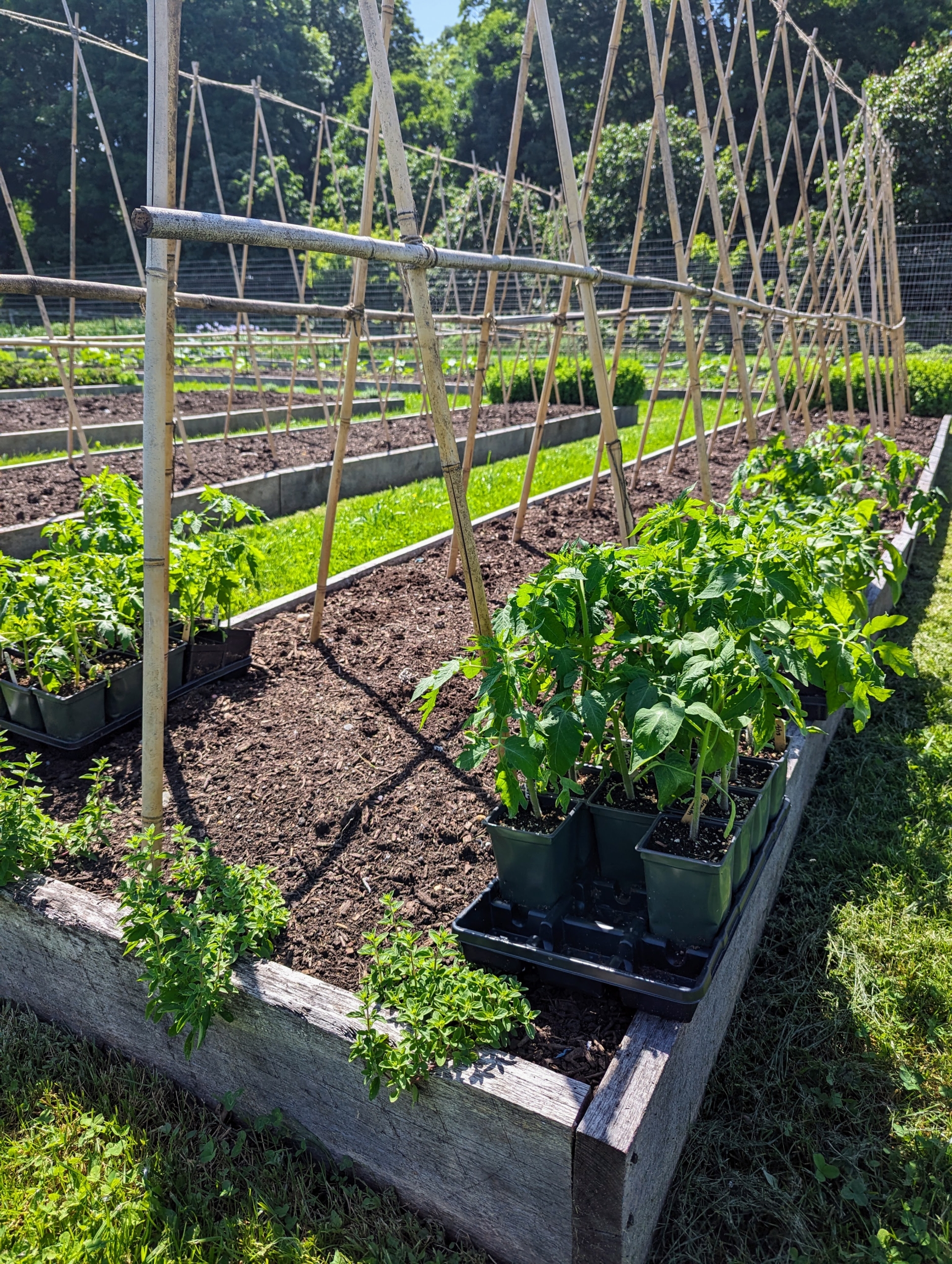
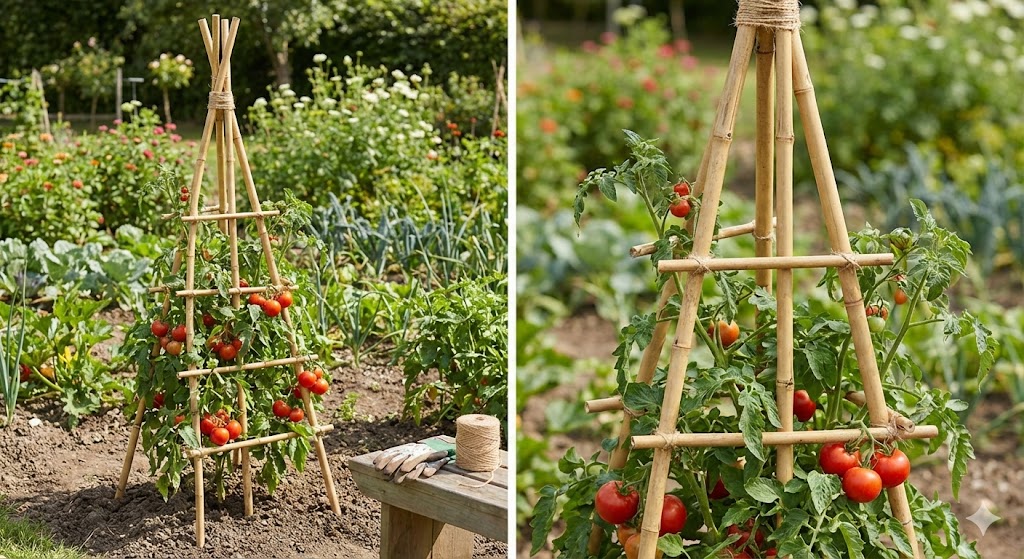
Selecting the ideal trellising method involves assessing your garden’s unique needs, from soil type to available space, and directly ties into whether you’re asking “do tomatoes need a trellis” in the first place. Options range from simple wooden stakes for smaller plots to more elaborate string systems for larger operations, each offering different levels of support and flexibility. For beginners, a basic A-frame trellis made from bamboo poles might suffice, providing stability without overwhelming complexity, while advanced gardeners could opt for Florida weave systems that weave twine between plants for a cost-effective, scalable solution.
Beyond materials, consider the aesthetic and functional integration of your trellis into the garden landscape. In permaculture designs, trellises can double as decorative elements, perhaps painted or combined with companion plants like basil to create a visually appealing and ecologically balanced space. Factors such as wind resistance and weight-bearing capacity are crucial; for instance, in coastal areas, metal or reinforced plastic trellises might be preferable to withstand harsh weather. By weighing these elements, you ensure that your chosen method not only supports your tomatoes effectively but also aligns with your gardening philosophy and long-term goals.
Step-by-Step Guide to Trellising Tomatoes: Practical Tips and Techniques
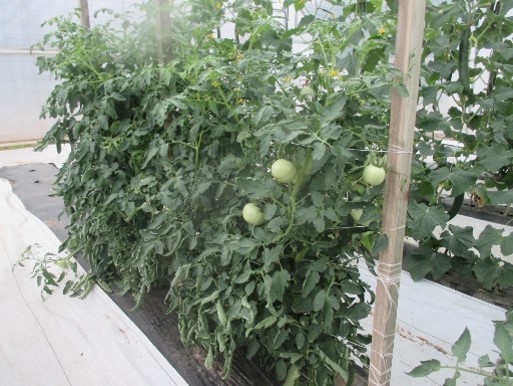
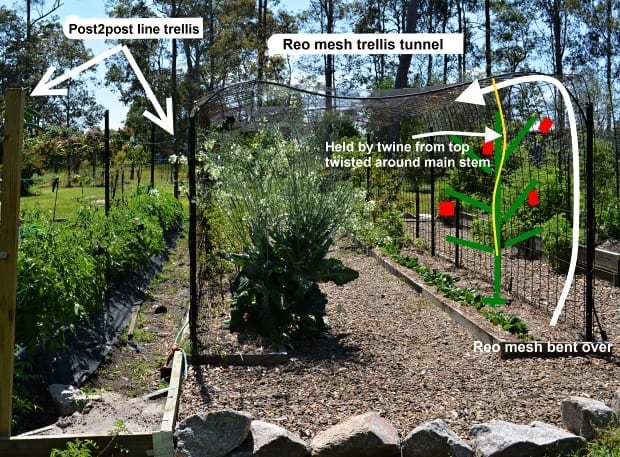
To begin trellising, start by selecting your materials and preparing the site, as this step addresses the fundamental question of “do tomatoes need a trellis” through hands-on application. Choose a sunny spot with well-drained soil, then install your trellis posts about 2-3 feet into the ground for stability, spacing them every 4-6 feet along the row of plants. Once set, attach horizontal strings or netting at intervals of 12-18 inches, ensuring they’re taut to guide the tomato vines as they grow. Early in the season, gently tie the main stem to the trellis using soft ties or twine, checking weekly to avoid constriction as the plant expands.
As the season progresses, incorporate pruning techniques to maximize the trellis’s effectiveness; remove lower leaves that touch the soil to prevent disease and train side shoots upward for better fruit exposure. For indeterminate varieties, continue adding supports as needed, perhaps using clips or hooks to secure heavier branches. This guide isn’t just about installation—it’s about ongoing care, like monitoring for nutrient deficiencies that could affect growth. By following these steps, you’ll not only answer “do tomatoes need a trellis” affirmatively but also cultivate a thriving garden that yields impressive results with minimal effort.
Troubleshooting Common Trellising Issues and Maximizing Tomato Production
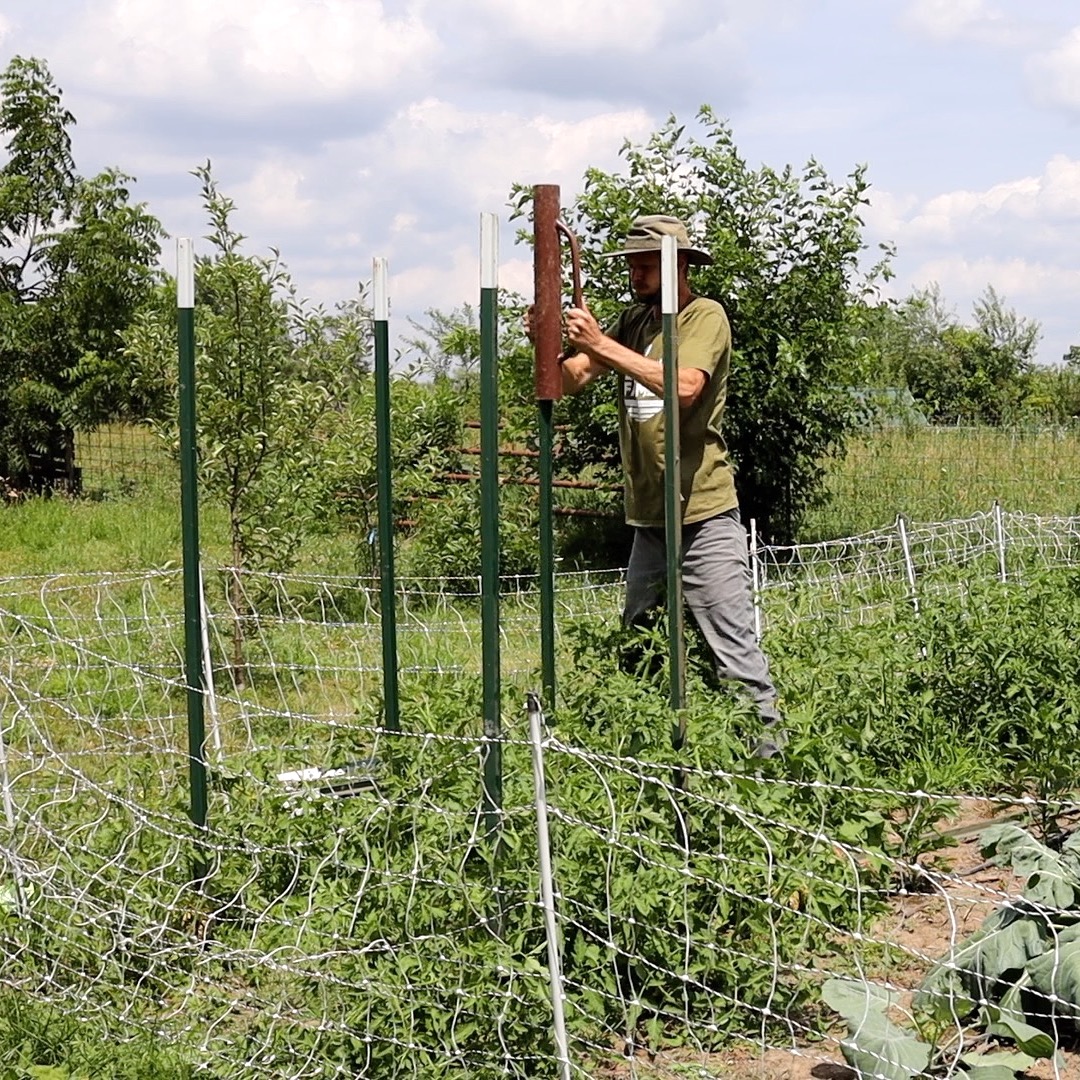
Even with the best plans, trellising can present challenges, such as vines that refuse to climb or trellises that buckle under weight, reminding us that “do tomatoes need a trellis” isn’t always straightforward. If your plants are flopping over, it might be due to inadequate anchoring, so reinforce posts with additional stakes or braces to distribute the load evenly. Pests like aphids can also exploit trellised plants, so integrate natural repellents like garlic sprays or beneficial insects to maintain a balanced ecosystem. Another common issue is over-tying, which can damage stems; always use loose, adjustable ties and inspect them regularly to promote healthy growth.
To maximize production despite these hurdles, focus on complementary practices like proper watering and fertilization. For example, mulching around the base of trellised plants helps retain moisture and suppress weeds, indirectly boosting yields by reducing competition. In cases of disease outbreaks, such as early blight, promptly remove affected leaves and adjust your trellis for better air flow. By addressing these problems proactively, you’ll not only resolve immediate concerns but also enhance your garden’s resilience, turning potential setbacks into opportunities for learning and greater tomato abundance.
Conclusion
In summary, while the question “do tomatoes need a trellis” depends on various factors like variety and garden conditions, incorporating trellising can significantly enhance plant health, improve yields, and prevent diseases through better airflow and support. From understanding growth habits to selecting the right method and troubleshooting issues, this practice offers practical benefits that go beyond basic gardening, ultimately leading to a more productive and enjoyable experience for any tomato enthusiast.