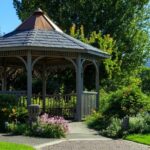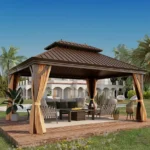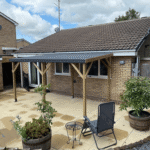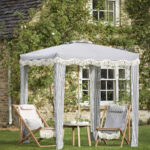
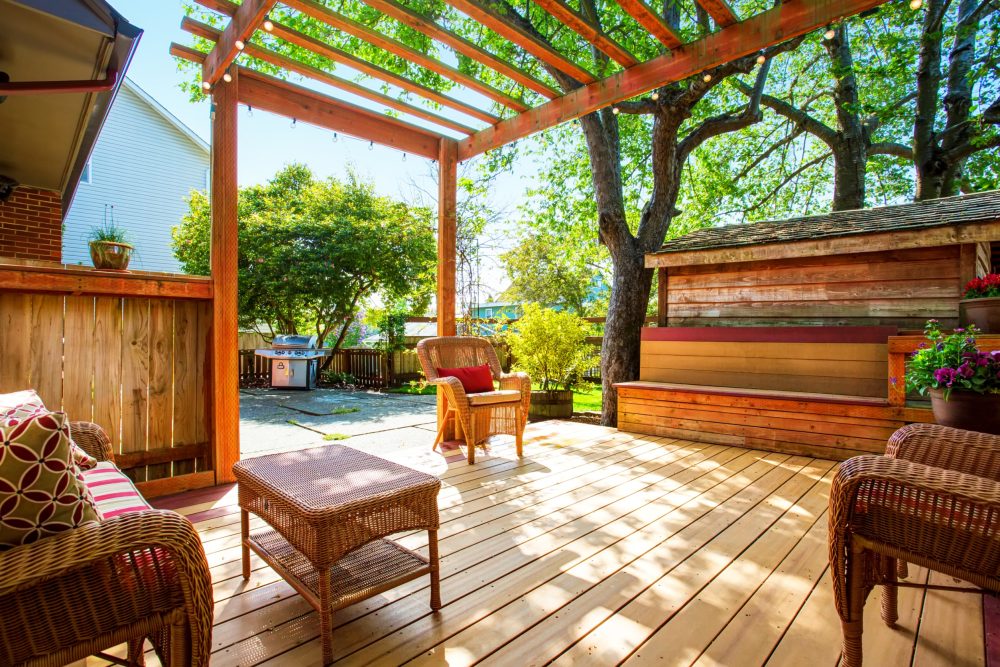
Many homeowners often ponder the essential question: do pergolas provide shade? This inquiry goes beyond mere curiosity, as it directly influences the functionality and appeal of outdoor living spaces. Pergolas, with their open lattice designs, offer a blend of sunlight and shadow, but their effectiveness in blocking harsh rays depends on various factors. In this article, we’ll explore whether pergolas live up to their reputation as shade providers and delve into practical considerations for maximizing their benefits.
The Fundamental Question: Do Pergolas Actually Provide Shade?
Pergolas have long been a staple in landscape architecture, serving as elegant frameworks that enhance patios, gardens, and decks. At their core, these structures consist of vertical posts supporting a series of horizontal beams and rafters, often left open to the elements. The question of whether pergolas provide shade arises from their semi-open design, which allows sunlight to filter through rather than blocking it entirely. In practice, a standard pergola can offer partial shade, creating dappled light that reduces direct exposure to the sun’s rays by 30-50% on average, depending on the spacing of the beams. This makes them ideal for activities like outdoor dining or relaxation, where complete darkness isn’t desired but relief from intense heat is necessary. For instance, in regions with mild climates, such as the Mediterranean, pergolas have been used for centuries to provide a comfortable respite without enclosing spaces, promoting a connection with nature.
However, the effectiveness of pergolas in providing shade isn’t always straightforward and can vary based on environmental conditions and user expectations. While they do create shaded areas, especially during peak hours when the sun is high, their open tops mean that shade levels fluctuate throughout the day as the sun moves across the sky. This dynamic quality can be both a advantage and a drawback—beneficial for vitamin D exposure or plant growth underneath, but insufficient for those seeking full protection from UV rays. Studies from organizations like the American Society of Landscape Architects indicate that pergolas reduce UV exposure by only about 40% without additional coverings, compared to 90% for solid roofs. Therefore, if your primary goal is reliable shade similar to that of a pavilion, a basic pergola might fall short. Yet, for those who appreciate a balance of light and shadow, pergolas do provide shade in a way that enhances aesthetic appeal and encourages outdoor living, making them a versatile choice worth considering.



Analyzing Pergola Design Variables Impacting Shade Effectiveness
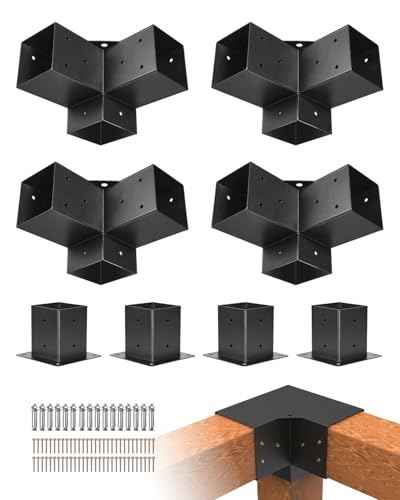
When evaluating how well a pergola performs as a shade structure, the design elements play a pivotal role in determining its overall efficacy. Key variables include the material used for construction, the spacing and orientation of the beams, and the inclusion of any additional features like louvers or retractable elements. For example, wooden pergolas made from dense materials such as cedar or redwood naturally absorb and diffuse sunlight more effectively than lighter metals, creating deeper shadows beneath. The beam spacing is particularly crucial; narrower gaps between rafters can block more light, potentially increasing shade coverage to 60-70%, whereas wider spacing might only offer 20-30% reduction. Designers often experiment with these variables to tailor pergolas to specific needs, such as incorporating angled beams that align with the sun’s path for enhanced shading during summer months. This level of customization ensures that pergolas aren’t just static structures but adaptive solutions that respond to real-world shading requirements.
Beyond the basics, other design factors like height, width, and integration with surrounding landscapes significantly influence shade effectiveness. A taller pergola might cast longer shadows, extending shade into adjacent areas, while a wider span can cover larger gatherings. Environmental experts emphasize that the color and finish of the materials also matter—darker stains absorb more heat and light, potentially making the shaded area cooler, whereas lighter finishes reflect sunlight, which could reduce the perceived shade benefit. In regions with high solar intensity, such as the southwestern United States, architects recommend incorporating design variables like curved beams or integrated planters to maximize shade without compromising airflow. By carefully analyzing these elements, homeowners can optimize their pergola’s performance, ensuring that it does provide shade in a meaningful way that aligns with daily lifestyles and seasonal changes, transforming a simple structure into a highly functional outdoor feature.
Beyond the Structure: Shade Solutions Integrated with Pergola Systems
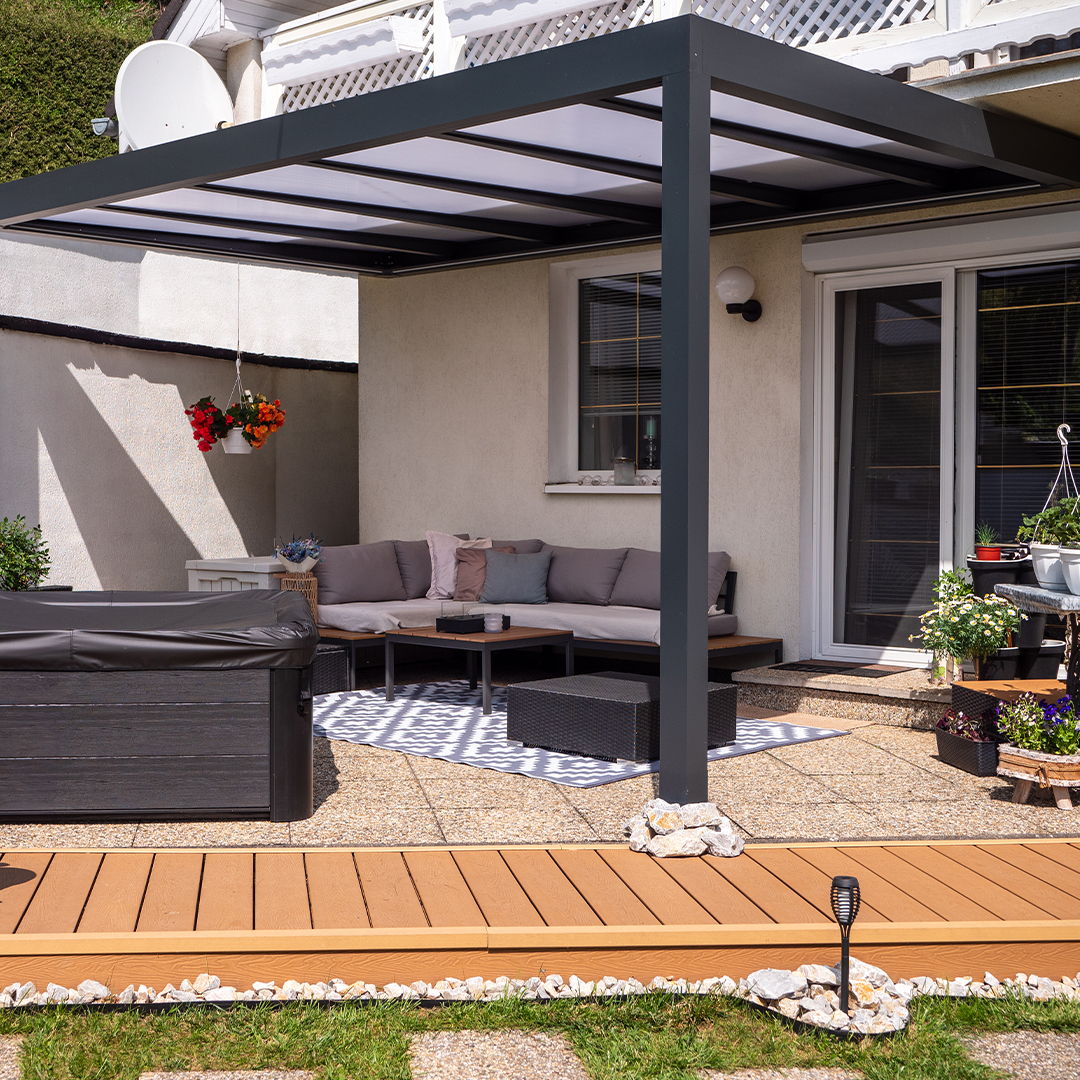
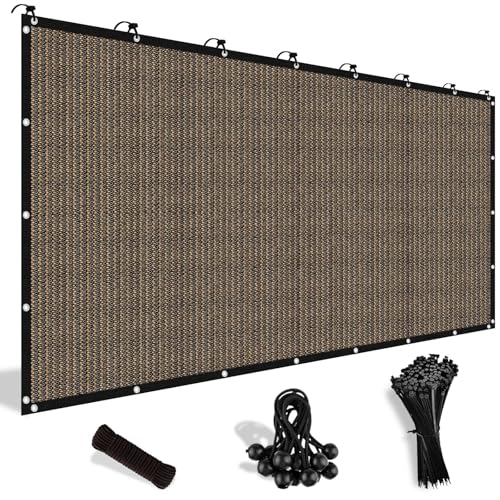
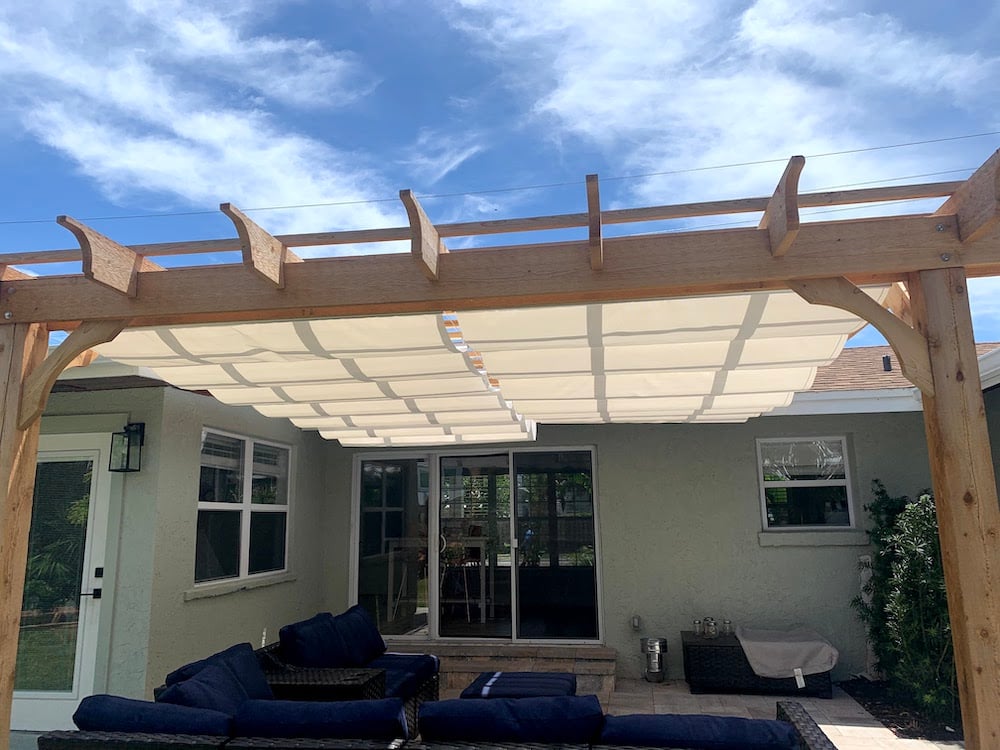
While a basic pergola provides inherent shade through its framework, integrating additional solutions can elevate its performance to meet diverse shading needs. One popular enhancement is the addition of climbing plants or vines, such as wisteria or grapevines, which grow over the lattice and create a natural canopy that filters sunlight more densely. This bio-integrated approach not only increases shade coverage—potentially up to 80% when fully matured—but also adds environmental benefits like improved air quality and habitat for local wildlife. Retractable canopies or fabric shades are another modern integration, allowing users to adjust coverage based on weather conditions, effectively turning a semi-shaded pergola into a fully enclosed retreat at the pull of a cord. These solutions address the limitations of traditional designs by offering flexibility, making pergolas adaptable for events ranging from sunny barbecues to rainy evenings.
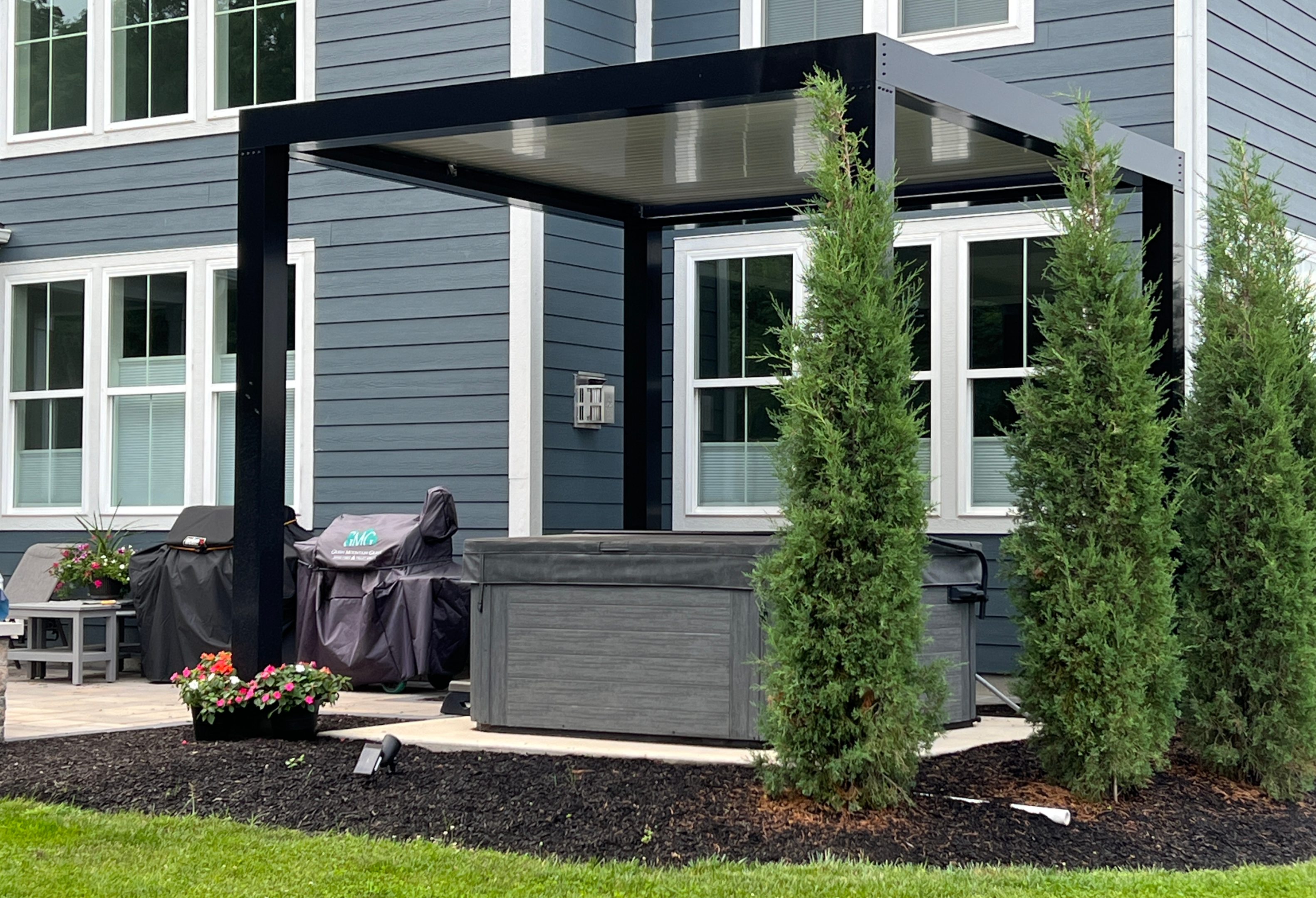
The true value of these integrated shade systems lies in their ability to combine aesthetics with practicality, ensuring that pergolas remain versatile in various settings. For instance, motorized louvered roofs can automatically adjust based on sun angle or temperature, providing optimal shade while maintaining ventilation to prevent the space from feeling stuffy. This innovation is particularly appealing in urban environments where space is limited, as it allows for multi-functional use without permanent alterations. Experts from the International Pergola Association highlight that such integrations can extend the usability of outdoor areas by several months each year, especially in temperate climates. By going beyond the basic structure, homeowners can ensure that their pergola does provide shade effectively, blending technology and nature to create personalized oases that enhance both comfort and property value, ultimately redefining the pergola as a dynamic shade provider.


Comparative Analysis: Pergola Shade Versus Traditional Roofing Structures
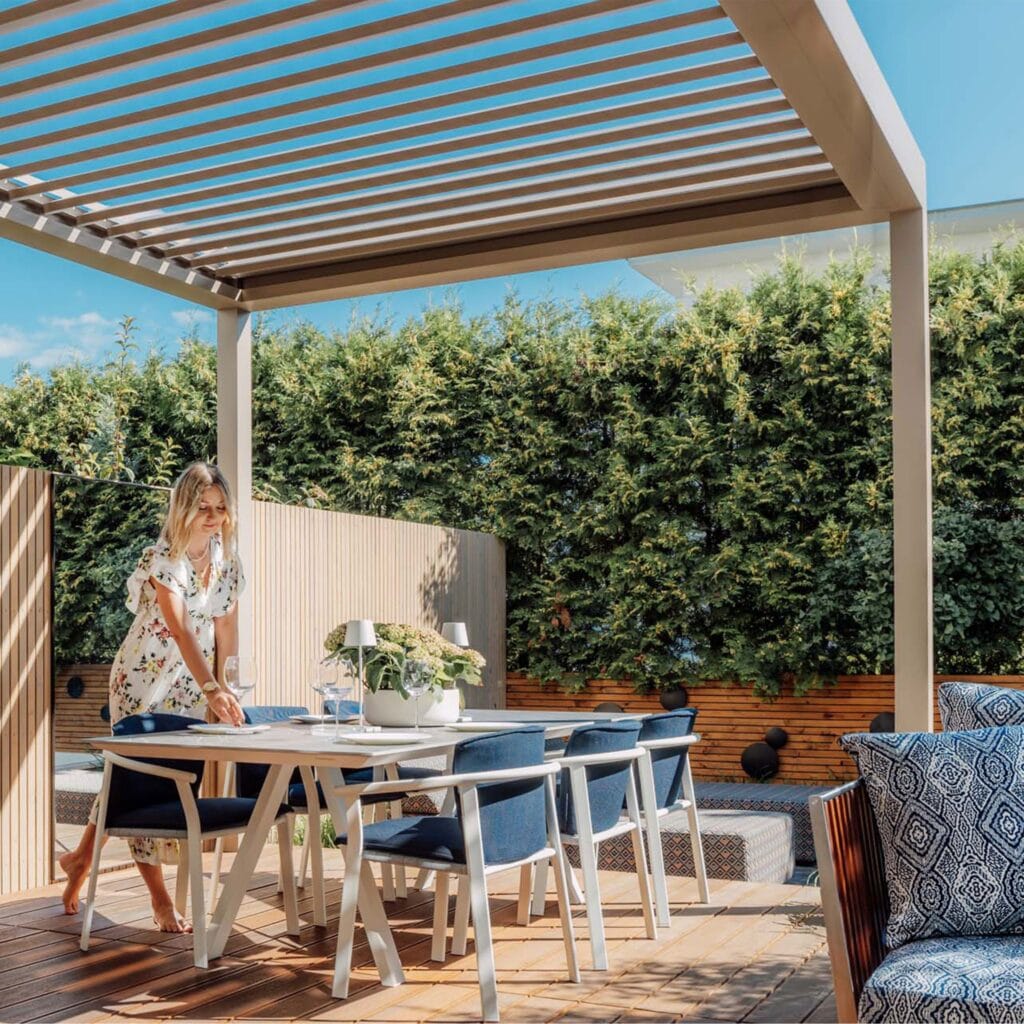
When comparing pergola shade to that offered by traditional roofing structures, such as gazebos or solid awnings, the differences highlight both the strengths and limitations of each option. Pergolas typically deliver a lighter, more diffused shade that promotes a sense of openness and integration with the outdoors, whereas gazebos with solid roofs provide complete blockage of sunlight, often exceeding 95% UV protection. This makes traditional structures better suited for prolonged exposure in harsh environments, like beachside locations, but they can feel more confining and less breathable. In contrast, a well-designed pergola offers partial shade that allows for gentle breezes and natural light, making it preferable for casual settings where a full enclosure might detract from the ambiance. Cost-wise, pergolas are generally more affordable to install and maintain, with prices starting at a few hundred dollars, compared to gazebos that can exceed thousands due to their enclosed nature.
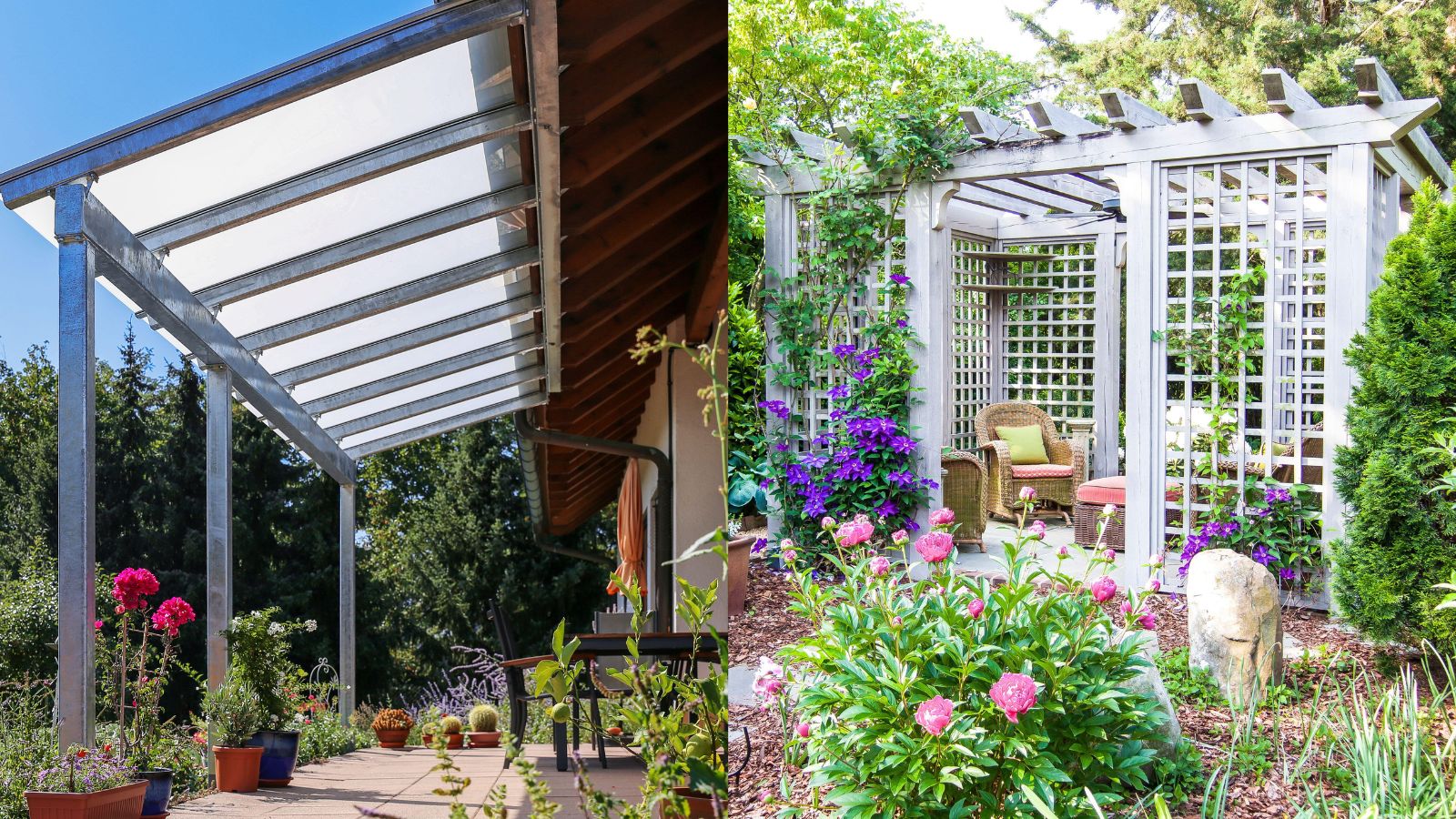
The comparative analysis extends to aesthetic and functional longevity, where pergolas often outperform traditional roofs in versatility and customization. For example, while a fixed awning provides reliable shade similar to a pergola’s but with less adjustability, it lacks the architectural elegance that pergolas bring to landscapes. Pergolas can be easily modified or expanded, allowing for seasonal adaptations, whereas traditional structures might require significant rebuilding for changes. Environmental impacts are another factor; pergolas, with their open designs, facilitate better rainwater drainage and solar energy capture, potentially reducing energy costs in eco-friendly homes. However, in terms of pure shade efficiency, structures like pergolas might not match the consistent coverage of a thatched roof, which can block nearly all direct light. Ultimately, this comparison reveals that pergolas do provide shade effectively for those prioritizing style and flexibility, positioning them as a middle ground between fully shaded sanctuaries and open-air designs in the broader spectrum of outdoor architecture.


Optimizing Solar Exposure: Strategic Placement and Orientation for Maximum Pergola Shade
To maximize the shade that a pergola provides, strategic placement and orientation are essential factors that can dramatically enhance its performance. The key is to align the structure with the sun’s daily and seasonal paths, ensuring that it casts shadows where they’re needed most. In the Northern Hemisphere, for instance, positioning a pergola on the south side of a home allows it to block the intense midday sun while permitting morning and evening light to filter through, creating a balanced environment. Experts recommend using tools like sun path diagrams or apps to determine optimal angles, suggesting that a slight eastward tilt can extend shade into the late afternoon during summer. This approach not only improves shade effectiveness—potentially increasing coverage by 20-30%—but also integrates the pergola with existing landscapes, such as near pools or seating areas, to enhance usability without overshadowing gardens.
Further optimization involves considering micro-climates and surrounding elements, such as trees or buildings, to amplify a pergola’s shading capabilities. Placing it in a spot shielded by taller structures can extend shade duration, while avoiding low-lying areas that might trap heat. Orientation towards prevailing winds ensures ventilation, preventing the shaded space from becoming uncomfortably warm. For maximum results, incorporating adjustable features like rotating panels allows users to adapt to changing solar exposure throughout the year. In regions with variable weather, such as the Pacific Northwest, this strategy can make a pergola a year-round asset. By focusing on these placement tactics, homeowners can confirm that their pergola does provide shade in the most efficient manner, turning a simple installation into a sophisticated tool for managing solar exposure and elevating outdoor experiences to new levels of comfort and enjoyment.
Conclusion: Assessing the Value Proposition of Pergolas as Dedicated Shade Structures
In summary, while pergolas may not offer the complete shade of fully enclosed structures, their ability to provide effective, adaptable shade makes them a compelling choice for many outdoor enthusiasts. Through exploring the fundamental question of whether pergolas deliver sufficient coverage, analyzing design variables, integrating additional solutions, comparing them to traditional options, and optimizing their placement, it’s clear that they excel in creating balanced environments that blend light and shadow. Ultimately, the value of pergolas lies in their versatility, aesthetic appeal, and potential for customization, making them more than just shade providers but essential elements of modern outdoor living.