
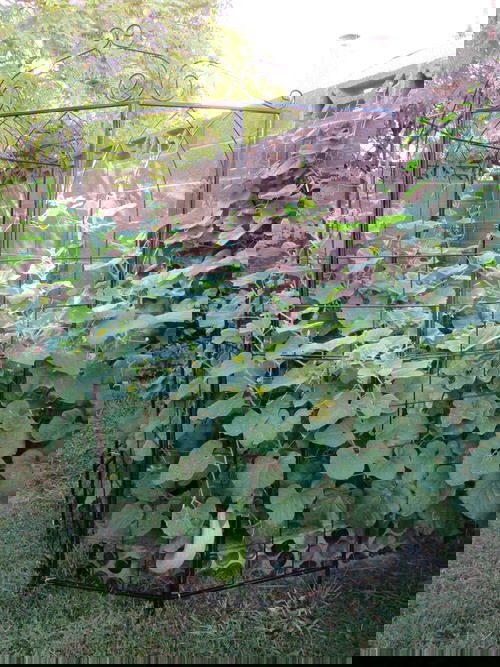
Many gardeners often ponder the question: do cucumbers need a trellis? This essential gardening query revolves around optimizing plant growth, preventing disease, and maximizing yields in both home and commercial settings. By exploring the role of trellises, we can uncover how supporting cucumber vines not only addresses space constraints but also enhances overall plant health, making it a worthwhile consideration for any enthusiast.
Introduction: The Case for Trellising Cucumbers
Trellising cucumbers is more than just a structural support system; it’s a strategic gardening technique that can transform how your plants thrive in various environments. For those asking, do cucumbers need a trellis, the answer often leans toward yes, especially for vine-heavy varieties that sprawl across the ground and risk pest infestations or soil-borne diseases. This method elevates the plants, allowing better air circulation and sunlight exposure, which are crucial for robust growth and fruit development.
Beyond the basics, trellising encourages a more organized garden layout, reducing the chaos of untamed vines that can overtake pathways or compete with neighboring plants. Imagine a garden where cucumbers dangle neatly like ornaments, making harvesting easier and more enjoyable. This approach not only saves space in smaller plots but also promotes sustainability by minimizing the use of chemical treatments for diseases that thrive in damp, ground-level foliage. By integrating trellises, gardeners can foster a healthier ecosystem, potentially leading to higher-quality produce and a more rewarding hobby.
Understanding Cucumber Growth Habits: Vine vs. Bush Varieties
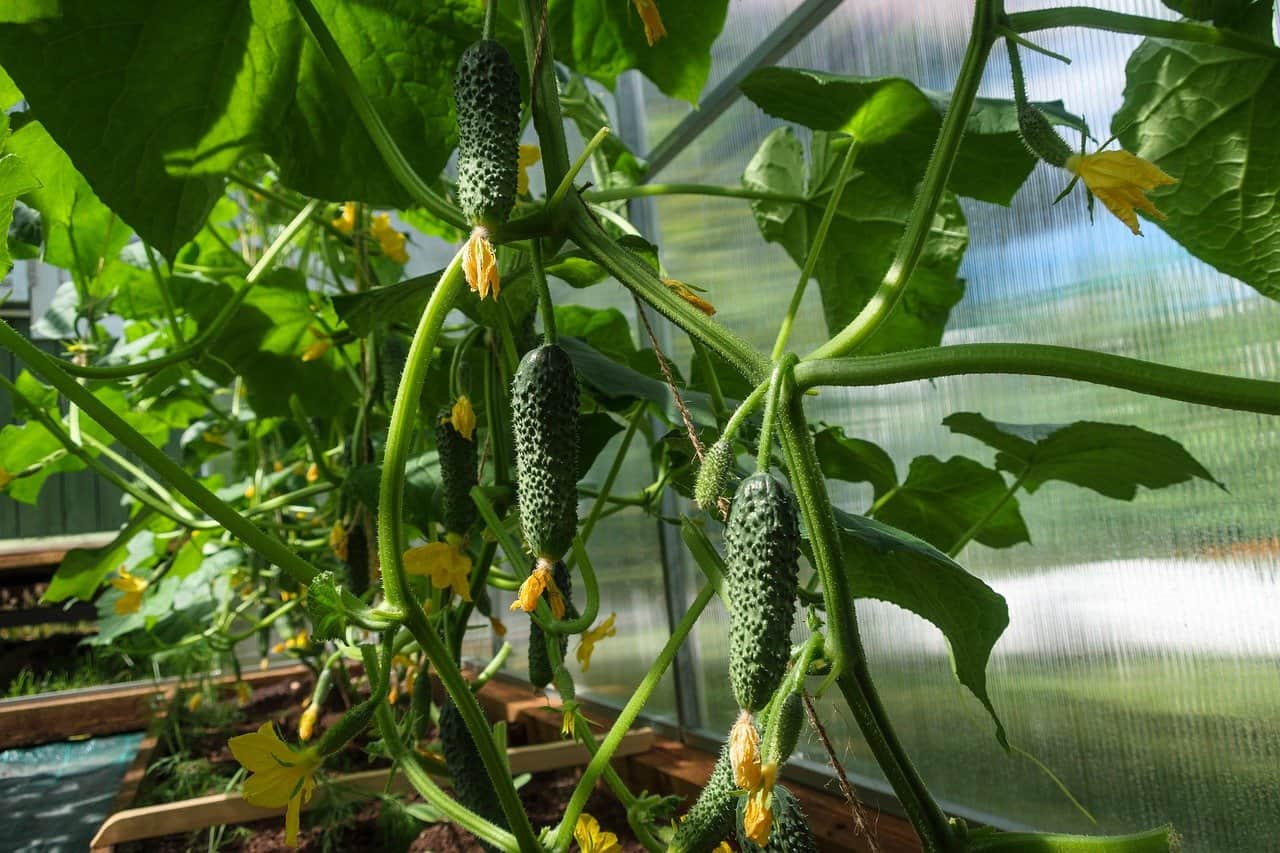
Cucumber plants exhibit diverse growth patterns, primarily categorized into vine and bush varieties, each with unique implications for whether or not to use a trellis. Vine cucumbers, which can extend several feet across the soil, naturally climb and spread, making them ideal candidates for trellising to prevent entanglement and promote upward growth. In contrast, bush varieties are more compact, staying low to the ground and requiring less support, but even they can benefit from light trellising in crowded spaces. Understanding these habits is key—do cucumbers need a trellis? For vine types, the answer is a resounding yes to maximize vertical space and reduce the risk of rot from soil contact.
Delving deeper, the choice between vine and bush cucumbers influences garden design and yield potential. Vine varieties, like the popular ‘Marketmore’ or ‘Straight Eight,’ thrive when trellised, as this mimics their natural inclination to climb, resulting in straighter fruits and easier access for pollination by bees. Bush varieties, such as ‘Bush Champion’ or ‘Pickling,’ might not sprawl as aggressively, but trellising can still enhance their productivity by improving airflow and light penetration, which wards off fungal issues. This nuanced understanding allows gardeners to tailor their setups, perhaps combining both types in a single plot for a balanced harvest, ultimately elevating the gardening experience from mundane to masterful.


Benefits of Trellising Cucumbers: Healthier Plants and Higher Yields
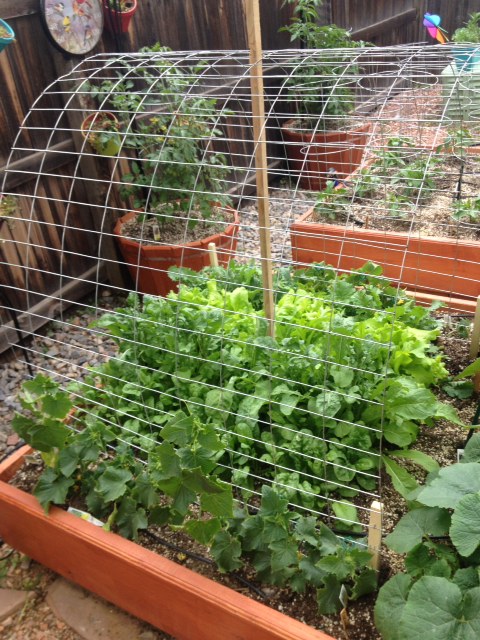
One of the primary advantages of trellising cucumbers is the significant boost it provides to plant health, as elevating the vines keeps them away from moisture-laden soil that can harbor diseases like powdery mildew or bacterial wilt. When gardeners address the query, do cucumbers need a trellis, they often discover that this simple structure enhances photosynthesis by exposing more leaves to sunlight, leading to stronger stems and vibrant foliage. Moreover, the improved air flow around trellised plants reduces humidity buildup, creating an environment less conducive to pests, thereby fostering a more resilient garden ecosystem.
Beyond health, trellising directly contributes to higher yields by allowing fruits to develop without the weight of the vine pulling them down or causing deformities. For instance, cucumbers grown on a trellis often produce straighter, larger specimens because gravity pulls them downward in a controlled manner, minimizing the curvature that occurs when they rest on uneven ground. This method not only increases productivity but also simplifies maintenance tasks, such as pruning and watering, which can lead to a more bountiful harvest. Gardeners who adopt trellising report not just quantitative gains, like an extra 20-30% in yield, but also qualitative improvements, such as better-tasting cucumbers due to reduced soil contamination and optimal ripening conditions.
How to Choose the Right Trellis for Your Cucumber Plants
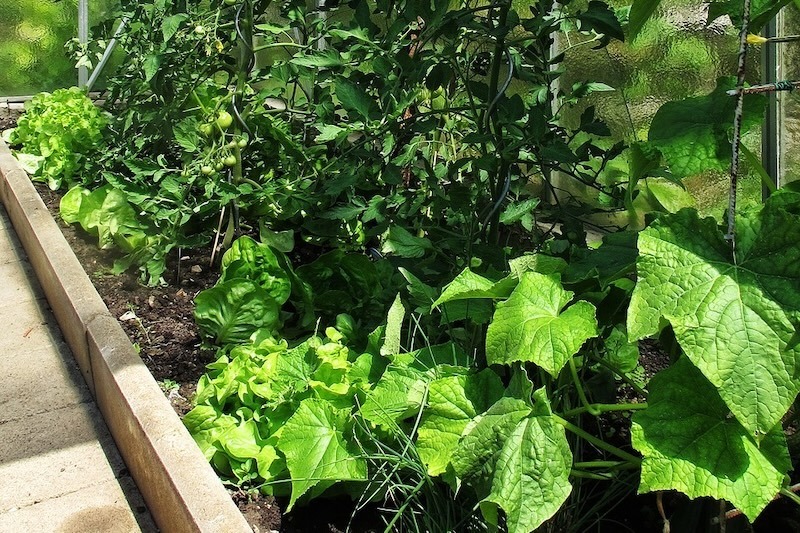
Selecting the appropriate trellis for cucumber plants involves considering factors like material durability, height, and design to ensure it complements the plant’s growth habits effectively. For those contemplating, do cucumbers need a trellis, starting with options like wooden lattices or metal cages can be ideal, as they provide sturdy support for heavy vines while blending seamlessly into garden aesthetics. A good trellis should be at least 5-6 feet tall to accommodate full growth, with wide enough spacing—around 4-6 inches—to allow vines to weave through without constriction, promoting healthy expansion and easy harvesting.
Going beyond initial choices, the environmental context plays a crucial role; for example, in windy areas, opt for anchored, heavy-duty trellises made from galvanized steel to prevent tipping, whereas in sheltered spots, lighter bamboo structures might suffice and add a natural charm. Additionally, consider the weight-bearing capacity—cucumbers can produce multiple fruits per vine, so a trellis that supports up to 50 pounds is essential to avoid collapse. This thoughtful selection process not only answers the trellis question but transforms gardening into an art form, where the right structure enhances both functionality and visual appeal, encouraging long-term success and enjoyment.

Step-by-Step Guide: Trellising Cucumber Plants Effectively
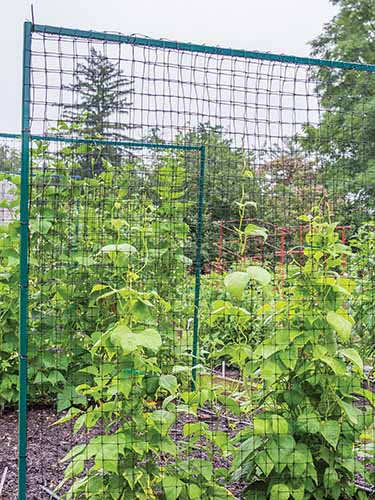
To trellis cucumber plants successfully, begin by preparing your site in early spring, selecting a sunny location with well-drained soil to lay the foundation for healthy growth. Once seedlings are about 6 inches tall, install your chosen trellis by securing it firmly into the ground, ensuring it’s positioned 6-12 inches from the plants to give roots ample space. As the vines emerge, gently train them to climb by weaving the tendrils through the trellis openings or using soft ties to guide them upward, which prevents damage and encourages vertical development—directly addressing whether do cucumbers need a trellis by demonstrating its practical application.
Advancing to maintenance, regularly check the trellis for stability and adjust ties as needed to support the increasing weight of maturing fruits, while also pruning any excessive lateral growth to focus energy on fruit production. Water at the base to avoid wetting the leaves, and incorporate organic mulch around the base to retain moisture and suppress weeds, creating an optimal microclimate. This comprehensive approach not only maximizes the benefits of trellising but also turns what might seem like a simple support system into a dynamic strategy for abundant harvests, fostering a deeper connection between gardener and plant.
Troubleshooting Common Issues When Trellising Cucumbers
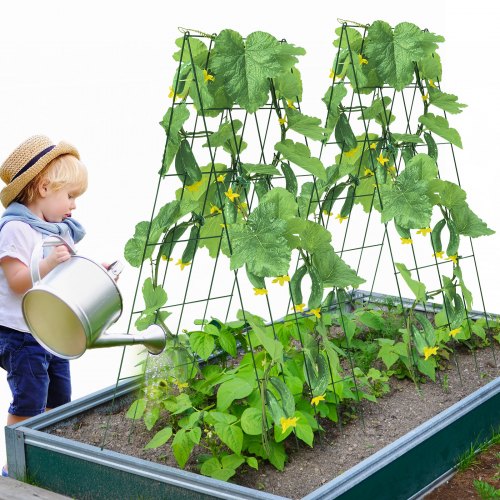
Even with the best preparations, trellising cucumbers can present challenges, such as vines that refuse to climb or trellises that buckle under weight, so identifying these early is key to maintaining plant health. If your cucumbers aren’t latching on, it might be due to insufficient tendrils or poor trellis design; in such cases, manually guiding the vines and ensuring the structure has rough surfaces for gripping can resolve the issue, reinforcing the idea that do cucumbers need a trellis for optimal support. Pests like aphids or diseases such as downy mildew can also arise if airflow is inadequate, so regular inspections and the use of natural remedies like neem oil can keep problems at bay.
To delve deeper, environmental factors like excessive heat or irregular watering can exacerbate issues, leading to wilting or fruit drop on trellised plants. For instance, if the trellis is too crowded, it might shade lower leaves, promoting fungal growth—counter this by spacing plants 12-18 inches apart and pruning strategically. By addressing these common pitfalls with proactive measures, such as rotating crops annually to prevent soil depletion, gardeners can turn potential setbacks into learning opportunities, ultimately affirming the value of trellising and enhancing their overall gardening prowess.
Conclusion
In summary, exploring whether do cucumbers need a trellis reveals a wealth of advantages, from improved plant health and higher yields in the introduction to understanding vine versus bush varieties, the benefits of trellising, selecting the right structure, following a step-by-step guide, and troubleshooting issues. By trellising cucumbers, gardeners can create a more efficient and productive space, reducing disease risks and simplifying maintenance, ultimately leading to a more enjoyable and fruitful gardening experience. This approach not only addresses immediate concerns but also fosters long-term sustainability in any garden setting.