
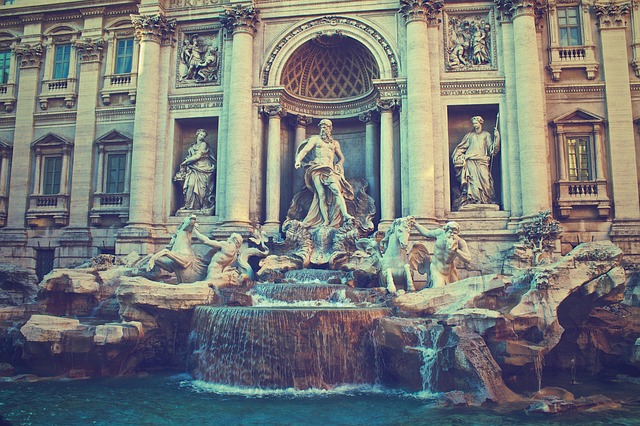
If you’re pondering where is the Trevi Fountain, you’re joining the ranks of millions of travelers eager to uncover this stunning masterpiece in the heart of Rome. Nestled within the bustling streets of Italy’s eternal city, the Trevi Fountain stands as a symbol of Baroque elegance and timeless romance, drawing visitors from around the globe. This article serves as your ultimate guide, not just to pinpoint its exact location, but to immerse you in the history, culture, and hidden gems surrounding it, making your journey far more than a simple search for where is the Trevi Fountain.
Introduction: Unveiling the Majesty of the Trevi Fountain
The Trevi Fountain, often hailed as one of Rome’s most captivating landmarks, is more than just a watery spectacle—it’s a living tapestry of art, history, and urban legend that continues to enchant visitors today. Designed by Nicola Salvi in the 18th century and completed in 1762, this colossal fountain draws its waters from the ancient Aqua Virgo aqueduct, built in 19 BC, which underscores Rome’s enduring engineering prowess. As you stand before its dramatic facade, adorned with mythological figures like Oceanus and Tritons, you’re not merely viewing a fountain; you’re stepping into a narrative that blends classical mythology with the city’s vibrant past. The question of where is the Trevi Fountain often arises because it’s tucked away in a relatively unassuming quarter of Rome, far from the more straightforward tourist paths like the Colosseum, yet its magnetic pull makes it an essential stop. This introduction sets the stage for a deeper exploration, revealing how this site has evolved from a simple water source into a global icon of romance and wishes, where tossing a coin promises a return to the Eternal City.
Beyond its aesthetic appeal, the Trevi Fountain represents a cultural phenomenon that influences modern travel and local life in profound ways. Each year, approximately 20 million tourists flock to its basin, not just to admire the artistry but to partake in traditions that have been passed down through generations—such as the famous coin-tossing ritual, which generates over €1.5 million annually for charity. The fountain’s location in the Quirinal district, a stone’s throw from the historic center, adds to its allure, as it seamlessly integrates into Rome’s labyrinthine streets, making the search for where is the Trevi Fountain an adventure in itself. This section will guide you through not only the basics but also the lesser-known stories, like the fountain’s inspiration from ancient Roman triumphs and its role in films such as “La Dolce Vita,” ensuring your understanding goes beyond surface-level facts to appreciate its multifaceted significance in contemporary society.
Locating the Trevi Fountain: A Guide to Rome’s Hidden Gem
To truly grasp where is the Trevi Fountain, one must first understand its placement within Rome’s intricate urban fabric, situated in the rione (district) of Trevi, which is part of the larger historical center. This area, bordered by Via del Corso to the north and the ancient Servian Wall remnants, positions the fountain at the junction of several key streets, including Via delle Muratte and Via del Tritone. Unlike more prominent landmarks that loom large on the skyline, the Trevi Fountain is nestled in a relatively narrow piazza, making it feel like a hidden gem discovered only by those willing to wander. Its coordinates—approximately 41.8995° N latitude and 12.4823° E longitude—place it about 1.5 kilometers east of the Vatican and just under a kilometer from the Spanish Steps, integrating it into a network of attractions that enhance the overall Roman experience. Exploring where is the Trevi Fountain involves appreciating how this spot exemplifies Rome’s layered history, from its origins as a endpoint for the Aqua Virgo to its modern-day status as a bustling social hub.
Delving deeper, locating the Trevi Fountain requires a blend of historical context and practical navigation, as it’s surrounded by a maze of medieval alleys and Renaissance-era buildings that add to its charm. The fountain faces the Palazzo Poli, a 15th-century palace that serves as its dramatic backdrop, emphasizing the architectural harmony that defines the site. Visitors often find that understanding where is the Trevi Fountain means recognizing its role in the city’s water infrastructure, originally designed to supply fresh water to the region and now symbolizing abundance and prosperity. This guide not only pinpoints the exact spot but also encourages travelers to consider the socio-cultural implications, such as how the fountain’s location in a densely populated area influences local commerce and tourism dynamics, turning a simple visit into an educational journey through Rome’s evolution.


Navigating the Streets: Detailed Directions to the Trevi Fountain
When it comes to navigating the streets to find where is the Trevi Fountain, starting from central hubs like Piazza di Spagna or the Pantheon can make the journey straightforward yet exhilarating. From Piazza di Spagna, head southeast along Via del Babuino, which transitions into Via del Corso after about 500 meters; then, take a left onto Via del Tritone and follow it for roughly 400 meters until you reach the fountain’s piazza. This route, approximately 1 kilometer long, weaves through fashionable streets lined with high-end boutiques and cafes, allowing you to soak in Rome’s vibrant atmosphere while en route. For those coming from the Colosseum, travel northwest via Via dei Fori Imperiali and then veer left onto Via dei Serpenti, eventually connecting to Via Panisperna before reaching the fountain—totaling about 2 kilometers of walking that passes by ancient ruins and lively markets. Understanding where is the Trevi Fountain in this context means embracing the serendipity of Rome’s streets, where unexpected discoveries, like hidden gelato shops or street performers, enhance the adventure.
To make your navigation more comprehensive, consider the role of public transportation and pedestrian-friendly paths in pinpointing where is the Trevi Fountain. The nearest metro stop is Barberini on Line A, from which it’s a mere 5-minute walk: exit the station, head north on Via Barberini, and turn right onto Via del Tritone. Buses like the 116 or 117 also stop nearby on Via del Corso, offering an efficient option for those with mobility concerns. Beyond basic directions, exploring these routes reveals the fountain’s integration into daily Roman life, such as how surrounding streets host local festivals or artisan markets that reflect the neighborhood’s artisanal heritage. This detailed approach ensures that your quest for where is the Trevi Fountain becomes a narrative of exploration, blending historical insights with practical tips to avoid common pitfalls like peak-hour crowds.
Interactive Trevi Fountain Map and Location Services
Interactive maps have revolutionized how we approach where is the Trevi Fountain, with apps like Google Maps and Rome’s official tourism site providing real-time guidance and augmented reality features. For instance, Google Maps allows users to input the fountain’s address—Piazza di Trevi, 00187 Rome—and offers street view previews, helping visualize the final approach from various angles. Services like Citymapper or the Moovit app integrate public transport options, suggesting the quickest routes via metro or bus, and even alerting users to temporary road closures due to events. These tools go beyond mere pinpointing by incorporating user reviews and photos, giving a sense of the fountain’s ever-changing ambiance, from dawn’s tranquility to evening’s illuminations. Engaging with where is the Trevi Fountain through these platforms transforms a standard search into an interactive experience, complete with historical overlays that detail the fountain’s construction phases.
Further enhancing accessibility, location services such as Apple Maps or dedicated Rome travel apps offer offline maps and voice-guided directions, ideal for those wandering Rome’s winding streets without reliable internet. The Trevi Fountain’s GPS coordinates can be saved for easy access, and some apps include 360-degree virtual tours that preview the site before arrival, building anticipation. This section explores how these technologies not only answer where is the Trevi Fountain but also educate users on its cultural significance, like linking to articles about the fountain’s sculptor or nearby historical sites. By leveraging such services, travelers can customize their routes, perhaps combining a visit with a scenic walk through the Villa Borghese gardens, making the entire outing more enriching and personalized.
Beyond the Fountain: Nearby Attractions and Landmarks
Once you’ve settled the mystery of where is the Trevi Fountain, the surrounding area unfolds a wealth of attractions that extend your Roman adventure far beyond the initial destination. Just a short stroll away, the Pantheon—about 500 meters to the southwest—stands as an architectural marvel with its massive dome and oculus, offering a stark contrast to the fountain’s ornate style. Further afield, the Spanish Steps, roughly 800 meters northwest, provide a picturesque spot for people-watching and panoramic views, while the Quirinal Palace, home to the Italian president, lies to the northeast and showcases opulent state rooms. These landmarks create a thematic loop around where is the Trevi Fountain, allowing visitors to trace Rome’s history from ancient aqueducts to Renaissance grandeur, all while navigating charming piazzas filled with cafes and street artists.
To truly appreciate the ecosystem around where is the Trevi Fountain, consider how these nearby sites interplay with local culture and daily life. For example, the Trevi district is dotted with gelaterias and trattorias, like the famed Giolitti ice cream parlor just a block away, where you can savor authentic flavors while reflecting on your journey. Exploring further, the ancient ruins of the Roman Forum are accessible via a 1.5-kilometer walk, bridging the fountain’s Baroque elegance with imperial history. This expansion encourages a holistic visit, where where is the Trevi Fountain serves as a gateway to understanding Rome’s layered narrative, from its role in modern cinema to its influence on contemporary art installations in nearby galleries, ensuring every step is infused with discovery and delight.
A Local’s Perspective: Tips for Finding and Experiencing the Trevi Fountain
From a local’s viewpoint, uncovering where is the Trevi Fountain is less about precise coordinates and more about embracing the spontaneous rhythm of Roman life, which often involves meandering through side streets to avoid the crowds. Residents suggest starting your quest early in the morning, around 7 AM, when the piazza is serene and the water’s reflections are undisturbed, allowing for a more intimate connection with the fountain’s intricate details. A tip from the locals is to use landmarks like the nearby Chiesa dei Santi Vincenzo e Anastasio as a reference point; it’s just across the piazza and offers a quiet retreat if the main area feels overwhelming. Experiencing where is the Trevi Fountain through this lens means incorporating insider knowledge, such as knowing the best gelato spots for a post-visit treat or understanding the subtle etiquette of coin-tossing to respect the space.
Delving deeper into local wisdom, finding where is the Trevi Fountain involves practical advice that enhances the overall experience, like avoiding peak tourist hours between 10 AM and 4 PM to truly absorb the atmosphere. Locals often share stories of secret vantage points, such as the upper floors of adjacent cafes, where you can sip an espresso while overlooking the fountain without the throngs. This perspective goes beyond directions by highlighting how the fountain integrates into community events, like summer concerts or holiday illuminations, fostering a sense of belonging. By adopting these tips, visitors can transform their search for where is the Trevi Fountain into a memorable, authentic encounter that captures the essence of Roman hospitality and tradition.
Conclusion
In summary, the journey to discover where is the Trevi Fountain reveals far more than a simple location, encompassing Rome’s rich history, practical navigation tips, interactive tools, nearby wonders, and local insights that make the experience unforgettable. From unveiling its majestic origins and detailed street directions to exploring interactive maps and surrounding attractions, this guide equips travelers with a comprehensive understanding that goes beyond the basics. Ultimately, whether you’re tossing a coin into its waters or wandering the adjacent streets, the Trevi Fountain stands as a timeless emblem of adventure and romance in the heart of Italy.