
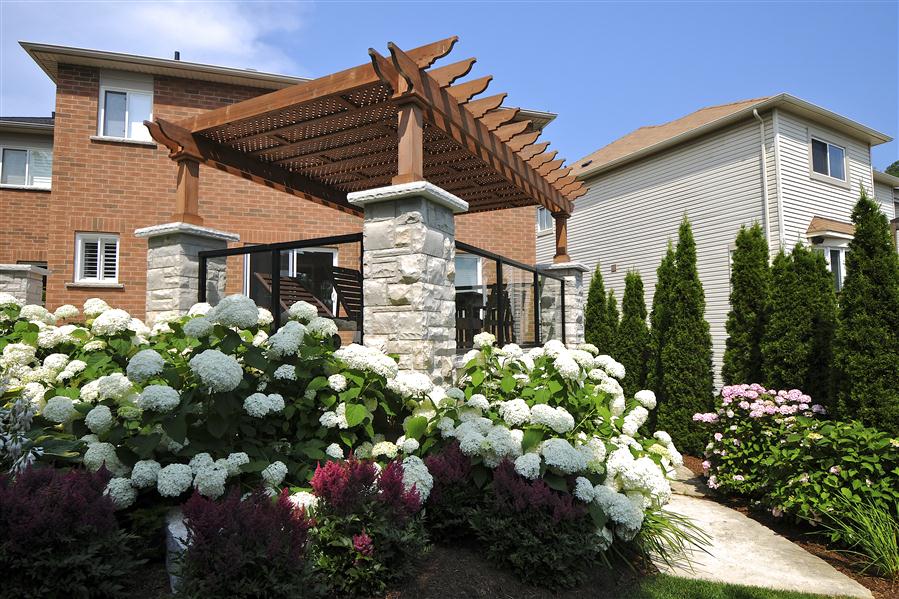
When you ask, “what is the purpose of a pergola,” you’re delving into a world of outdoor architecture that blends functionality with beauty. A pergola is more than a simple garden structure; it’s a versatile addition to any outdoor space, designed primarily to provide shade and define areas while enhancing the overall ambiance. This article explores the multifaceted roles of pergolas, from their basic utility in offering shelter to their advanced applications in modern landscaping and gardening. By understanding these purposes, homeowners can make informed decisions about incorporating a pergola into their properties, turning ordinary backyards into inviting retreats.
Defining the Pergola: Structure and Function
A pergola is an outdoor framework typically consisting of vertical posts that support a lattice of cross beams and rafters, creating an open-air structure that invites natural elements while providing a sense of enclosure. Unlike a fully covered gazebo or pavilion, a pergola’s design features an overhead grid that allows sunlight to filter through, making it ideal for partial shading in gardens, patios, or decks. This structure can be freestanding or attached to a building, and its materials—such as wood, metal, or vinyl—can vary to suit different aesthetic preferences and environmental conditions. Historically, pergolas trace their roots to ancient Roman and Greek architecture, where they served as shaded walkways in villas and public spaces, evolving over centuries into a staple of modern landscape design.
What makes the purpose of a pergola so intriguing is its dual role as both a functional element and a customizable feature. Beyond its basic form, a pergola functions as a foundation for various enhancements, such as retractable canopies, climbing plants, or even integrated lighting, which extend its utility throughout the day and seasons. For instance, in warmer climates, it mitigates the harsh sun by creating dappled shade, while in milder areas, it offers a framework for seasonal decorations. This adaptability ensures that a pergola isn’t just a static addition but a dynamic space that evolves with the user’s needs, promoting relaxation and social gatherings. By blending form and function, pergolas address everyday outdoor challenges, making them a smart investment for anyone pondering what is the purpose of a pergola in their own backyard.



The Primary Purpose: Providing Shade and Shelter
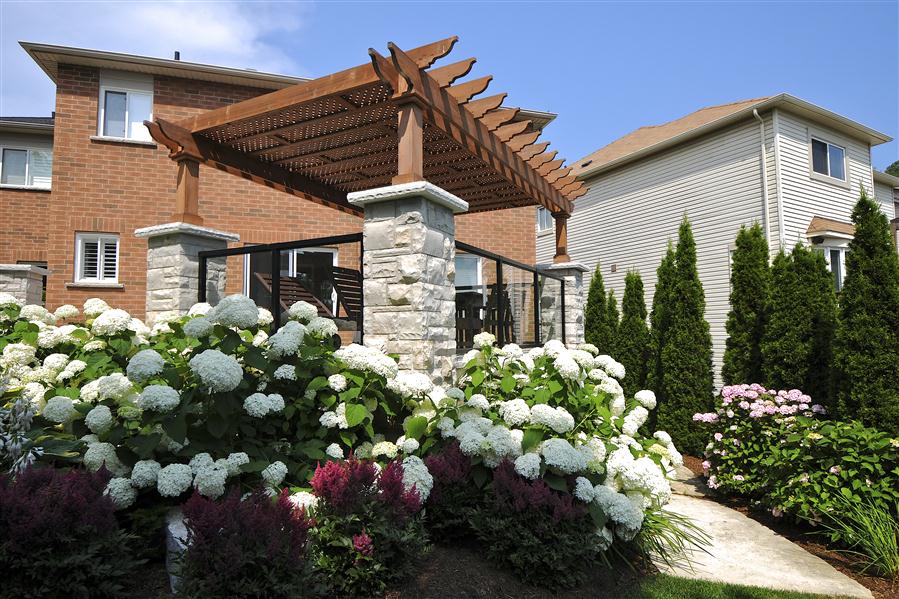
At its core, the purpose of a pergola revolves around offering effective shade and shelter, transforming exposed outdoor areas into comfortable retreats. During peak sunlight hours, the overhead lattice diffuses intense rays, reducing heat buildup and UV exposure, which is especially beneficial in regions with hot summers. This shading effect not only protects people and furniture from fading or overheating but also creates a cooler microclimate beneath, encouraging longer periods of outdoor enjoyment. Imagine hosting a family barbecue on a sweltering afternoon; the pergola’s design allows for a gentle breeze to pass through while blocking direct sun, making it an essential feature for health and comfort.
Delving deeper, the shelter provided by a pergola extends to protection from light rain, wind, and even minor weather fluctuations, without fully enclosing the space to maintain an open feel. This partial protection is key for activities like al fresco dining or reading, as it fosters a connection with nature while minimizing discomfort. For example, in coastal areas prone to sudden showers, a pergola can be fitted with weather-resistant materials or retractable shades to enhance its sheltering capabilities. By addressing what is the purpose of a pergola in practical terms, it becomes clear that this structure isn’t merely decorative—it’s a strategic tool for extending livable space outdoors, promoting well-being and adaptability in various weather conditions.
Enhancing Outdoor Living: Creating a Defined Space
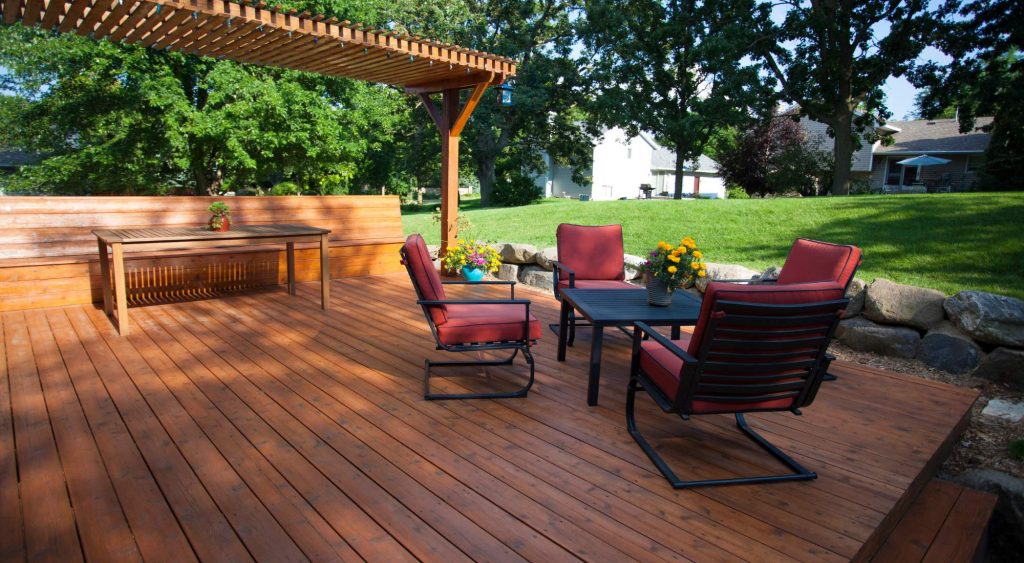
One of the most compelling aspects of a pergola is its ability to enhance outdoor living by clearly defining spaces, turning vast or undefined areas into purposeful zones. In a sprawling backyard, for instance, a pergola can demarcate a dining area, a lounge spot, or even a play zone for children, adding structure and flow to the landscape. This definition not only improves the aesthetic organization but also influences how people interact with the space, encouraging more frequent use for relaxation or entertainment. By anchoring these areas, pergolas help integrate indoor comforts with the outdoors, making everyday activities like gardening or socializing feel more intentional and enjoyable.
Further, the purpose of a pergola in enhancing outdoor living lies in its psychological and social benefits, fostering a sense of privacy and community. In urban settings where space is limited, a pergola can create a secluded nook away from neighbors or street noise, promoting mental health through nature immersion. For families, it serves as a hub for gatherings, where memories are made under its frame, perhaps with string lights for evening ambiance. Exploring what is the purpose of a pergola reveals its role in elevating daily life, as it encourages sustainable habits like outdoor exercise or mindfulness, ultimately contributing to a healthier lifestyle by blurring the boundaries between home and garden.


Aesthetic Appeal: Pergolas as Landscape Features
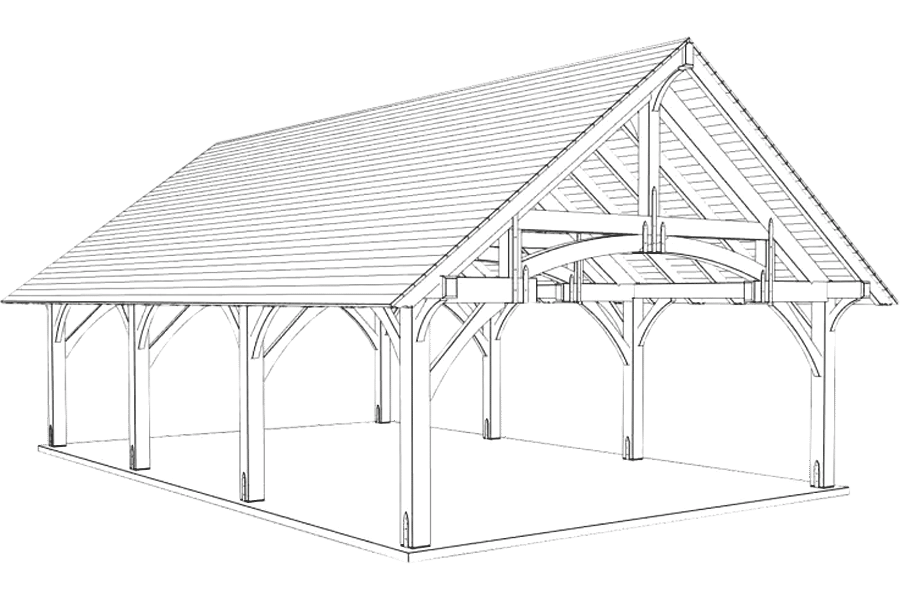
Pergolas stand out for their aesthetic appeal, serving as striking landscape features that elevate the visual harmony of any property. Their elegant lines and open design complement various architectural styles, from rustic cottages to contemporary homes, adding a layer of sophistication that draws the eye. Whether constructed from weathered wood for a natural look or sleek metal for a modern vibe, a pergola enhances the overall curb appeal, making it a focal point that ties together elements like pathways, flower beds, and water features. This integration not only beautifies the space but also reflects the owner’s personal style, turning a simple structure into an artistic expression of outdoor living.
Beyond mere beauty, the purpose of a pergola as a landscape feature is to create a balanced ecosystem where form meets function in innovative ways. For instance, by incorporating climbing vines or hanging planters, it adds vertical interest and seasonal color changes, evolving with the garden’s flora. In larger estates, multiple pergolas can form a cohesive design narrative, guiding visitors through the property while providing shaded rest areas. When considering what is the purpose of a pergola, it’s evident that its aesthetic contributions extend to property value, as real estate experts often note that well-designed outdoor features like these can increase a home’s marketability by 5-10%. Thus, pergolas are not just additions but investments in enduring beauty.
Supporting Plant Growth: Vertical Gardening Opportunities
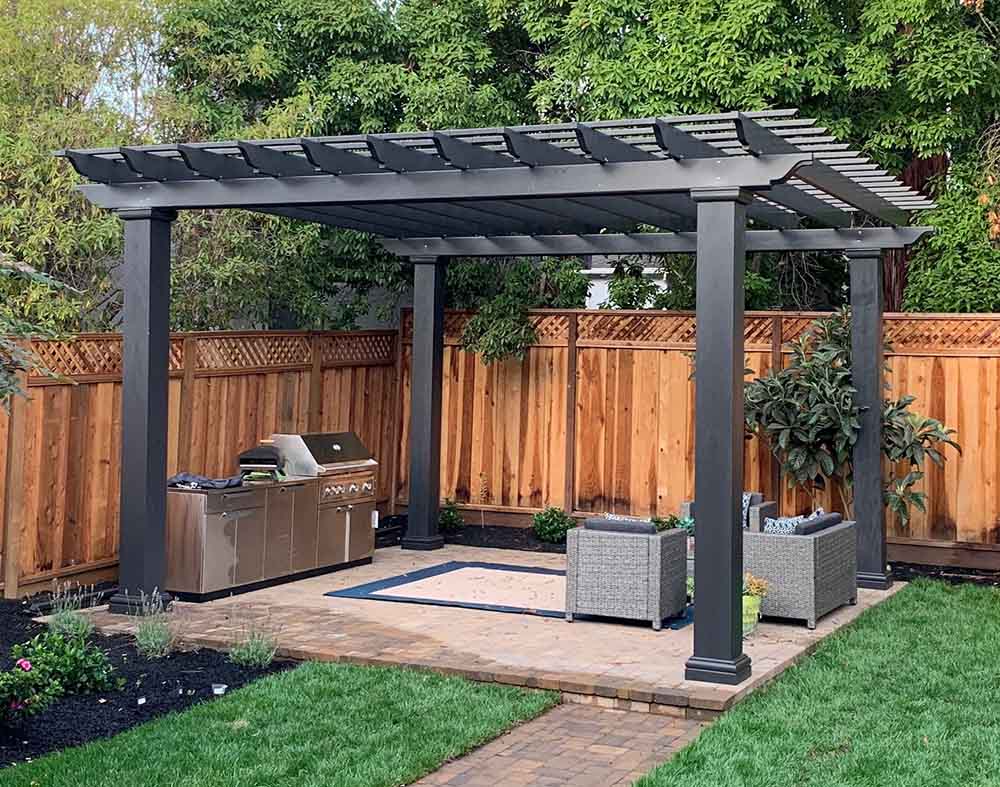
A key purpose of a pergola is to support plant growth, offering prime opportunities for vertical gardening that maximize space and promote biodiversity. The lattice framework provides an ideal trellis for climbing plants like wisteria, jasmine, or grapevines, which can weave through the beams to create a living canopy. This not only adds natural shade but also enhances air quality by absorbing pollutants and producing oxygen, turning the structure into a thriving green wall. In smaller urban gardens, this vertical approach allows for lush foliage without encroaching on ground space, making it a sustainable solution for eco-conscious homeowners.
Moreover, by facilitating plant growth, pergolas contribute to environmental stewardship and personal well-being in profound ways. For example, the vines can attract pollinators like bees and butterflies, supporting local ecosystems and potentially boosting nearby vegetable gardens. This integration of botany and architecture addresses what is the purpose of a pergola by encouraging educational and therapeutic activities, such as pruning sessions that double as mindfulness exercises. In regions facing climate challenges, these green structures can even help mitigate urban heat islands, providing cooler microenvironments. Overall, the vertical gardening potential of pergolas underscores their role in fostering a deeper connection with nature, blending utility with ecological benefits.


Beyond Aesthetics: Practical Applications of a Pergola
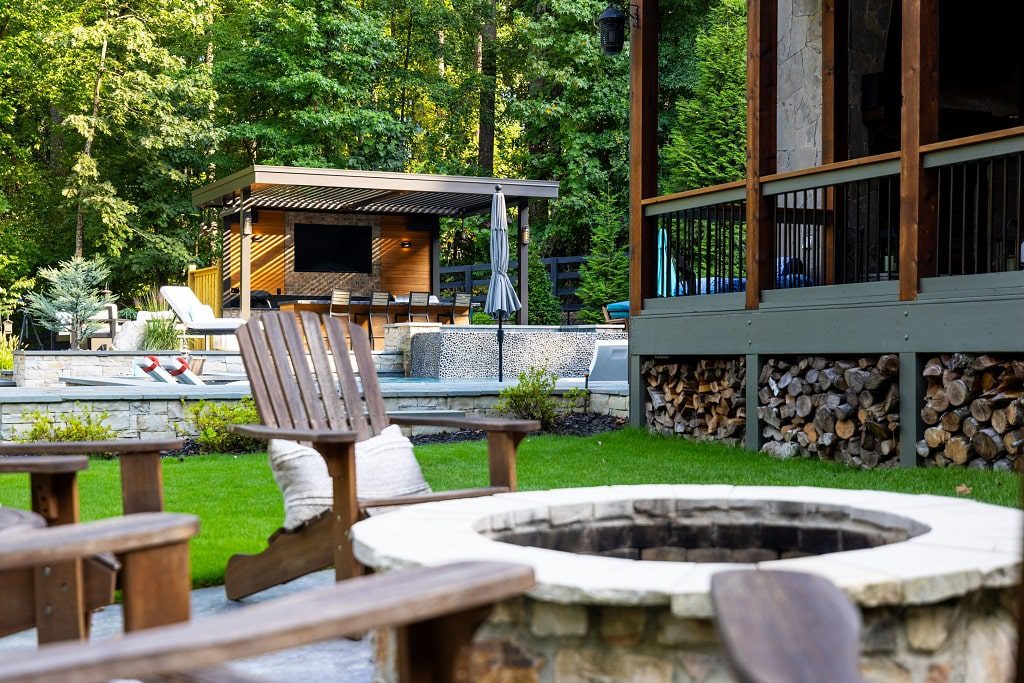
While aesthetics are important, the purpose of a pergola extends to practical applications that make it a multifunctional asset in daily life. It can serve as an outdoor kitchen extension, with integrated counters and grills, allowing for seamless cooking and entertaining without stepping indoors. This practicality is particularly valuable in warmer months, where it facilitates social events by providing a dedicated space for gatherings, complete with seating and storage. From a homeowner’s perspective, these applications enhance efficiency, reducing the need for indoor-outdoor transitions and promoting energy savings by utilizing natural ventilation.
Delving deeper, the practical uses of a pergola address real-world needs, such as storage for garden tools or even as a base for solar panels to generate renewable energy. In educational settings, like schools or community centers, pergolas can function as shaded learning areas, fostering outdoor classrooms that improve engagement and health. When evaluating what is the purpose of a pergola, its versatility shines through in scenarios like disaster-prone areas, where it might incorporate weather-resistant features for emergency shelters. This adaptability ensures that pergolas remain relevant across lifestyles, offering cost-effective solutions that combine durability with everyday utility, ultimately making them indispensable in modern living.


Conclusion
In summary, the purpose of a pergola encompasses far more than simple shade and shelter; it serves as a versatile structure that defines outdoor spaces, enhances aesthetic appeal, supports plant growth, and provides practical applications for everyday life. From its foundational role in creating comfortable retreats to its advanced uses in vertical gardening and social gatherings, a pergola integrates functionality with beauty, promoting healthier and more engaging outdoor experiences. By understanding these multifaceted benefits, individuals can appreciate how a pergola not only elevates their property but also fosters a deeper connection with the natural world, making it a timeless addition to any landscape.