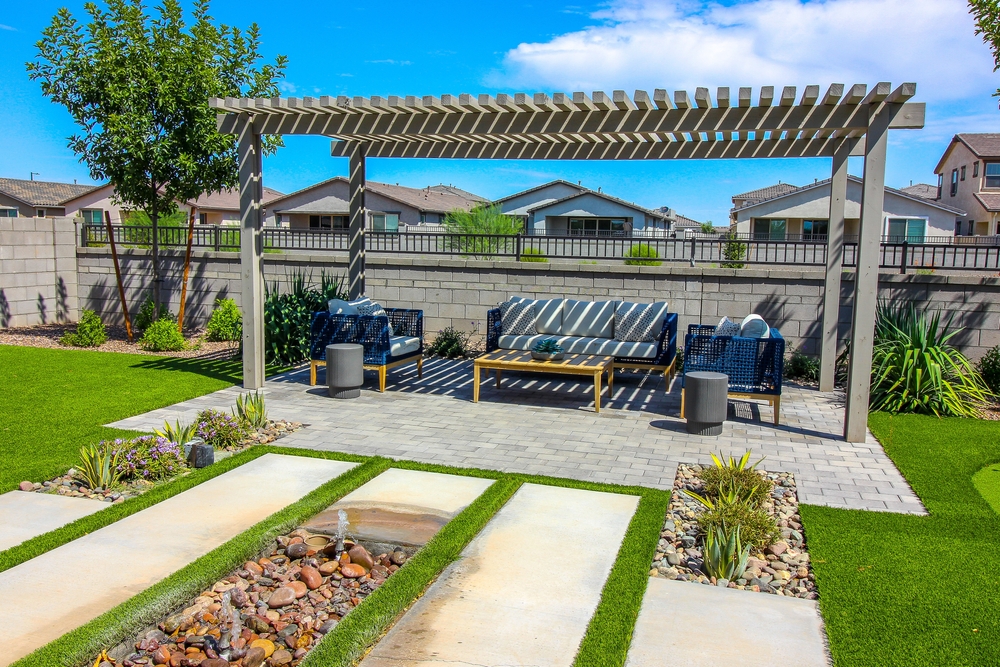
Where to put a pergola in your yard is a crucial decision that can transform your outdoor space from ordinary to extraordinary. A pergola not only adds architectural interest and provides shade but also serves as a focal point for relaxation, entertaining, and gardening. By carefully considering factors like sunlight, privacy, and integration with your existing landscape, you can ensure that your pergola enhances the beauty and functionality of your yard for years to come.
Introduction: Enhancing Your Yard with a Pergola
A pergola is more than just a simple structure; it’s an invitation to embrace the outdoors, creating a seamless blend of nature and architecture that elevates your yard’s aesthetic appeal. Imagine strolling through your garden and discovering a beautifully framed area where sunlight filters through wooden beams, casting enchanting shadows on lush plants below. Where to put a pergola in your yard becomes the cornerstone of this vision, as the right location can maximize its potential for relaxation, dining, or even hosting gatherings. Historically, pergolas date back to ancient Rome and Greece, where they were used in villas to provide shaded walkways, and today, they offer modern homeowners a versatile canvas for personalization—whether through climbing vines, string lights, or comfortable seating.
Selecting the ideal spot requires thoughtful planning, as it influences not only the structure’s durability but also how it interacts with your daily life. Factors such as soil quality, wind patterns, and proximity to your home play pivotal roles in ensuring the pergola stands as a resilient feature rather than a fleeting addition. By focusing on these elements, you can create an outdoor haven that reflects your personal style while adding value to your property. Engaging with landscape professionals early can uncover innovative ideas, like incorporating sustainable materials or smart technology for automated shading, turning your yard into a year-round retreat.
Key Considerations for Pergola Placement: Sunlight and Shade
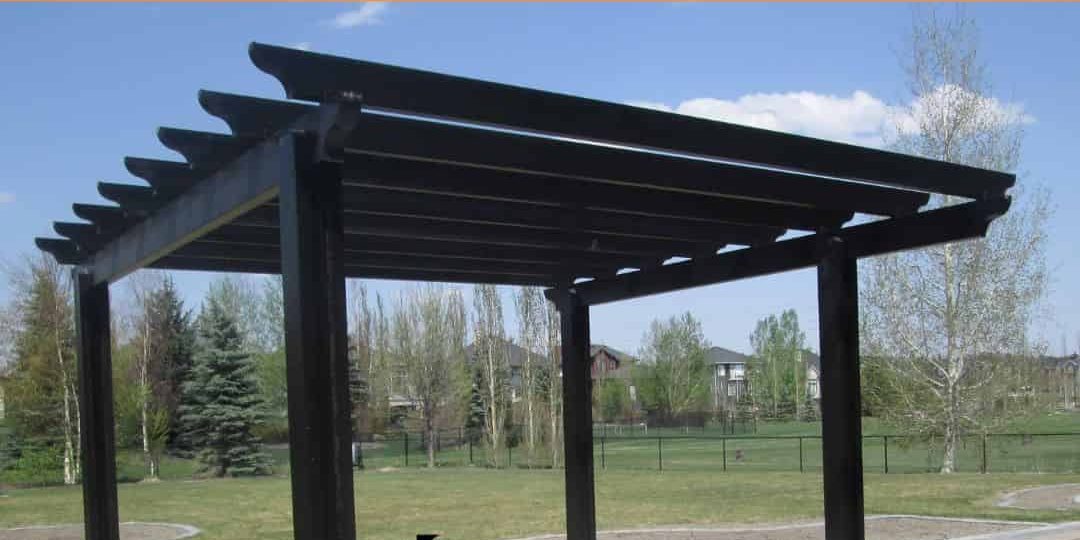
When deciding where to put a pergola in your yard, sunlight and shade emerge as primary factors that dictate both the comfort and usability of the space. The sun’s path across the sky varies by season, so positioning your pergola to capture morning light while providing afternoon shade can create an ideal microclimate for outdoor activities. For instance, in warmer climates, placing it on the west side of your home might shield you from intense evening rays, allowing for extended enjoyment during summer barbecues. Beyond mere comfort, this strategic placement can foster a thriving garden ecosystem; vines like wisteria or jasmine can climb the structure, benefiting from filtered sunlight to bloom vibrantly. Engaging with solar mapping tools or apps can help visualize these patterns, ensuring your pergola doesn’t become an obstacle to natural light in other areas of your yard.
Shade isn’t just about blocking the sun—it’s about enhancing the overall ambiance and extending the life of your outdoor furnishings. A well-placed pergola can reduce UV exposure, protecting both you and your investments like patio furniture from fading or deterioration. In regions with harsh winters, consider how the structure might accumulate snow or ice, potentially necessitating reinforced designs for safety. By integrating retractable canopies or adjustable louvers, you add flexibility, transforming the pergola into a dynamic feature that adapts to changing weather. This level of customization not only boosts aesthetic appeal but also promotes energy efficiency, as it can help cool your home naturally by blocking heat gain. Ultimately, thoughtful consideration of sunlight and shade turns where to put a pergola in your yard into a decision that harmonizes with your lifestyle and the environment.



Optimizing Pergola Location for Privacy and Screening
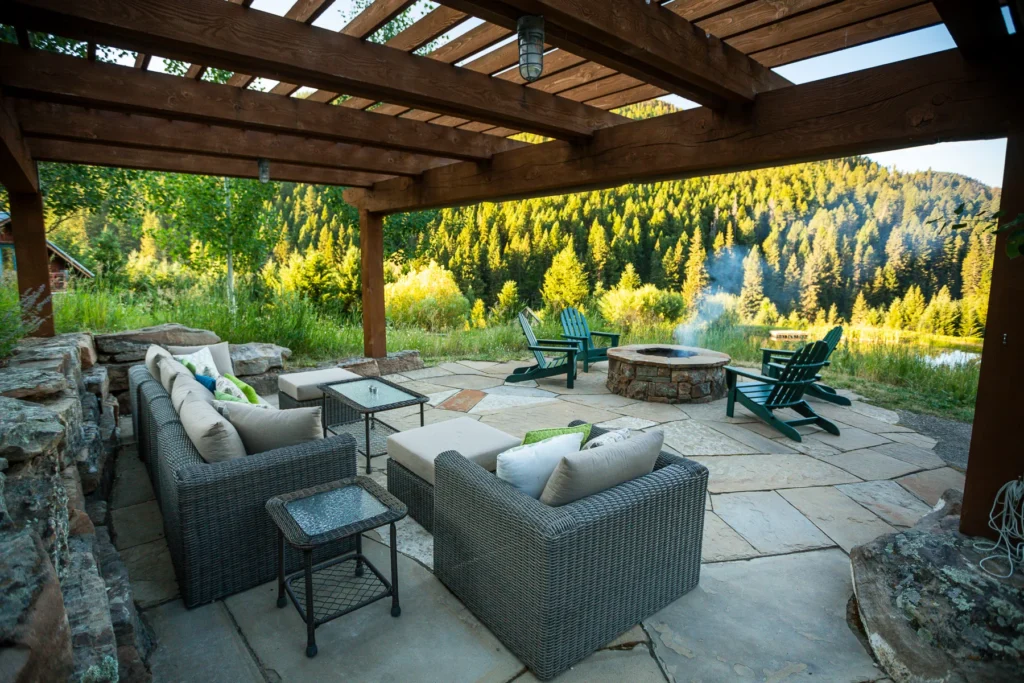
Privacy plays a vital role in determining where to put a pergola in your yard, especially in urban or suburban settings where neighboring properties are in close proximity. Strategically situating the pergola along a fence line or against a natural barrier, such as a row of tall hedges, can create a secluded oasis that shields you from prying eyes while maintaining an open feel. For example, in a bustling neighborhood, placing it at the rear of your yard might enclose a peaceful reading nook, enhanced by climbing plants like ivy that add a layer of visual screening without overwhelming the space. This approach not only fosters a sense of intimacy but also integrates the pergola into your yard’s natural flow, making it a seamless extension of your home’s architecture.
Beyond basic screening, optimizing the location can incorporate elements of sound dampening and wind protection, turning the pergola into a multifunctional retreat. In windy areas, positioning it near windbreaks like mature trees can minimize discomfort, allowing for year-round use. Advanced options, such as incorporating acoustic panels or privacy curtains, can further elevate the experience, making it ideal for intimate dinners or yoga sessions. By considering the psychological benefits—reduced stress and enhanced well-being—where to put a pergola in your yard becomes an investment in mental health, creating a personal sanctuary amid the chaos of daily life. Thoughtful placement here ensures that your outdoor space remains inviting and private, regardless of external distractions.


Integrating a Pergola with Existing Landscape Features
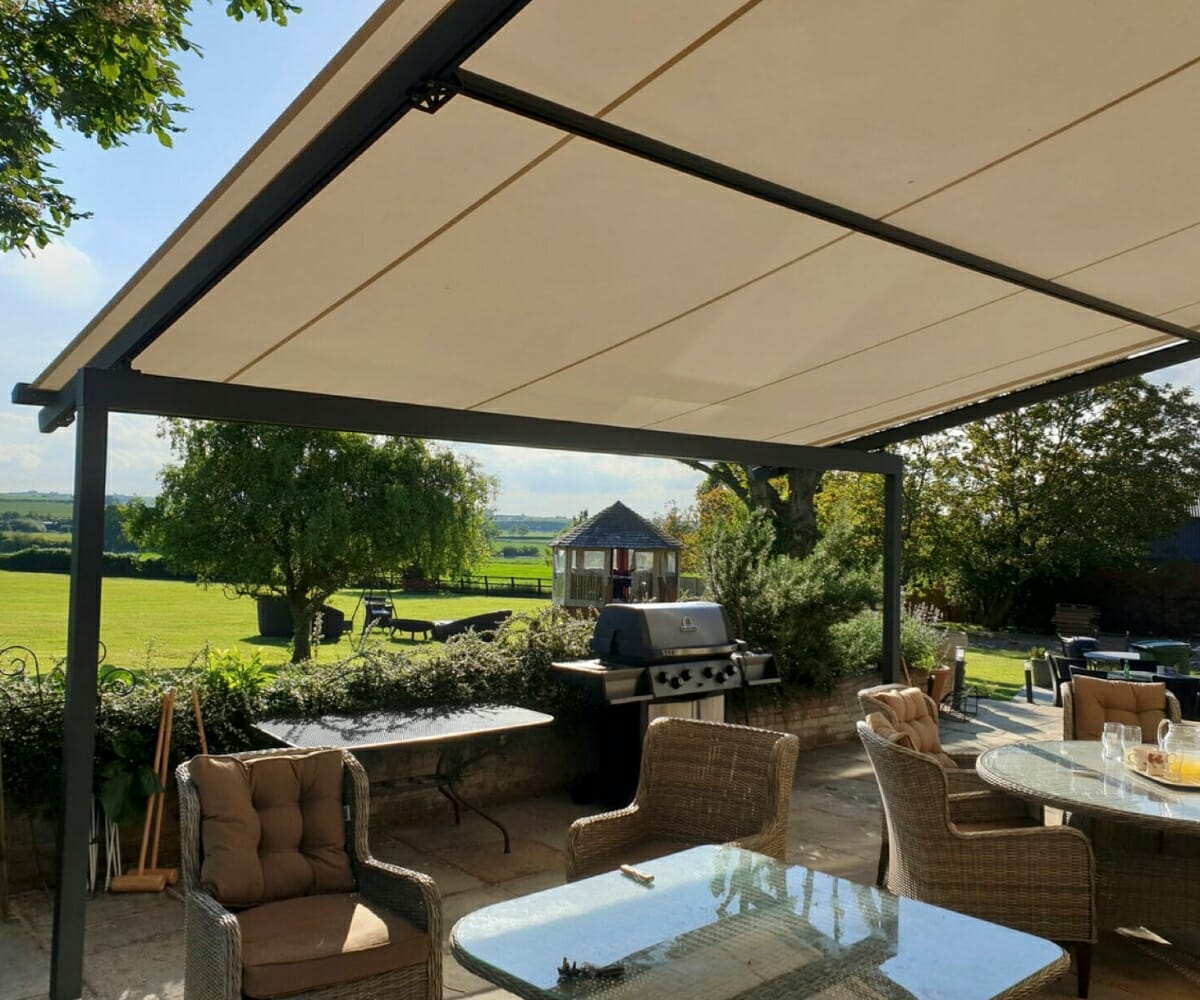
Integrating a pergola with your yard’s existing features requires a holistic approach to ensure it complements rather than competes with the surrounding elements. When pondering where to put a pergola in your yard, assess how it aligns with pathways, flower beds, or water features to maintain a cohesive design. For instance, situating it adjacent to a existing patio can extend your living area, creating a smooth transition that enhances flow and usability. This integration might involve matching materials, like using the same stone for the base as in your garden paths, to forge a unified aesthetic that reflects your personal taste and the property’s character. Historical examples, such as Italian Renaissance gardens, demonstrate how pergolas were masterfully woven into landscapes to frame views and guide visitors, inspiring modern adaptations that blend old and new.
The key to successful integration lies in balancing functionality with visual harmony, ensuring the pergola enhances the yard’s biodiversity and ecological balance. Planting native species around the structure not only boosts its beauty but also supports local wildlife, turning where to put a pergola in your yard into an eco-friendly decision. Consider how seasonal changes affect visibility; a pergola placed near a pond might reflect stunning autumn foliage, adding dynamic interest throughout the year. By consulting with landscape architects, you can explore innovative integrations, like incorporating built-in irrigation or lighting, that make the pergola a practical centerpiece. This thoughtful process transforms your yard into a living artwork, where every element works in symphony to promote relaxation and enjoyment.
Pergola Placement and Functionality: Defining Outdoor Spaces
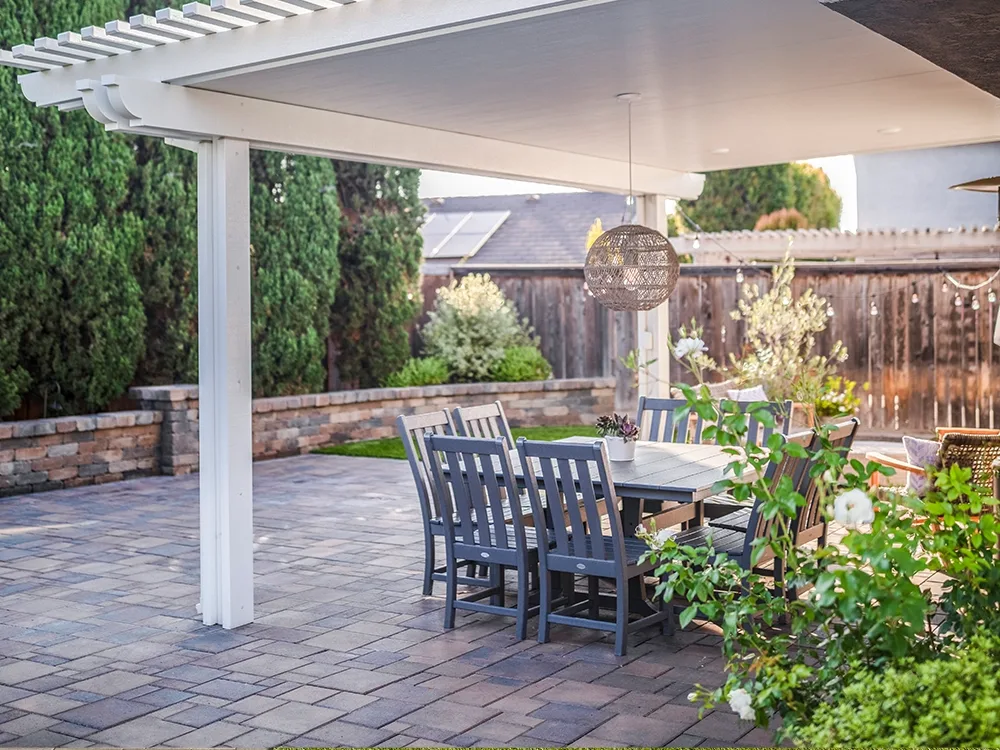
Functionality should guide your choice of where to put a pergola in your yard, as it directly influences how the space is used for daily activities and special occasions. Placing it near the kitchen door, for example, can create an effortless extension for al fresco dining, complete with integrated benches and a grill station, making mealtimes more enjoyable and accessible. This setup not only defines a specific zone for entertaining but also encourages social interaction by providing a natural gathering point. Drawing from global inspirations, such as the open-air pavilions in Japanese gardens, you can adapt the design to include elements like water features or fire pits, enhancing the sensory experience and making the area versatile for all seasons.
Defining outdoor spaces through pergola placement involves considering future needs and adaptability, ensuring the structure evolves with your lifestyle. In a family-oriented yard, positioning it in a central location might facilitate play areas or homework spots, while in a more serene setting, it could serve as a meditation retreat. Advanced features, such as modular panels or smart automation, allow for customization that responds to weather or personal preferences, turning where to put a pergola in your yard into a forward-thinking choice. By evaluating traffic patterns and usage, you create defined zones that promote organization and flow, ultimately making your outdoor space more functional and inviting for relaxation or recreation.
Finalizing Your Pergola Location: Permits and Local Regulations
Finalizing the location for where to put a pergola in your yard necessitates a thorough understanding of permits and local regulations to avoid costly setbacks or legal issues. Begin by consulting your local zoning office, as rules vary widely; for instance, in historic districts, you might need approval for designs that preserve the area’s character, ensuring your pergola aligns with community standards. This step is crucial not just for compliance but also for safety, as regulations often cover factors like structural integrity and proximity to property lines, preventing potential disputes with neighbors. Engaging a professional surveyor early can map out exact boundaries, integrating this knowledge into your planning to streamline the process.
Beyond permits, local regulations might influence material choices and environmental impacts, making where to put a pergola in your yard a decision rooted in sustainability and responsibility. In areas prone to flooding, elevating the structure or using treated woods can mitigate risks, while eco-friendly options like recycled materials comply with green building codes. This comprehensive approach not only safeguards your investment but also contributes to neighborhood aesthetics and resilience. By factoring in these elements, you ensure that your pergola becomes a lasting asset, enhancing property value and personal enjoyment while adhering to all legal requirements.
Conclusion
In summary, determining where to put a pergola in your yard involves a multifaceted approach that balances sunlight and shade for optimal comfort, prioritizes privacy to create a personal retreat, seamlessly integrates with existing landscape features, defines functional outdoor spaces, and adheres to necessary permits and regulations. By carefully considering these key factors, you can transform your yard into a versatile and inviting extension of your home, enhancing both its beauty and usability while ensuring long-term satisfaction and value.