When considering what vegetables need a trellis, gardeners often think about those that climb or vine to maximize space and improve yields. A trellis provides essential support for certain vegetables, allowing them to grow vertically, access more sunlight, and reduce disease risk by keeping foliage off the ground. Vegetables like beans, peas, and cucumbers are prime examples that benefit from trellising, as it promotes healthier growth and easier harvesting in both small urban plots and large rural gardens.
Introduction: Understanding the Benefits of Trellising Vegetables
Trellising vegetables is more than just a practical gardening technique—it’s a strategic approach that transforms how plants interact with their environment. By supporting vining or climbing varieties, trellises help optimize space in crowded gardens, allowing plants to reach upward rather than sprawl across the soil. This vertical growth not only makes better use of limited areas but also enhances air circulation around the plants, reducing the likelihood of fungal diseases that thrive in damp, shaded conditions. What vegetables need a trellis, such as cucumbers or tomatoes, experience improved fruit quality due to increased exposure to sunlight, which can lead to sweeter flavors and higher nutritional content. Moreover, trellising simplifies maintenance tasks like weeding and pest control, as the elevated structure keeps fruits cleaner and more accessible.
Beyond the immediate advantages, trellising contributes to sustainable gardening practices by promoting eco-friendly growth methods. For instance, it minimizes soil compaction from heavy vines, preserving the soil’s structure and fertility for future seasons. Gardeners who adopt trellising often report higher yields and extended harvest periods, making it an investment in long-term productivity. The psychological benefits shouldn’t be overlooked either; watching vegetables climb and flourish on a trellis can be incredibly rewarding, fostering a deeper connection to nature and encouraging more people to take up gardening as a hobby.
Top Climbing Vegetables That Thrive on Trellises
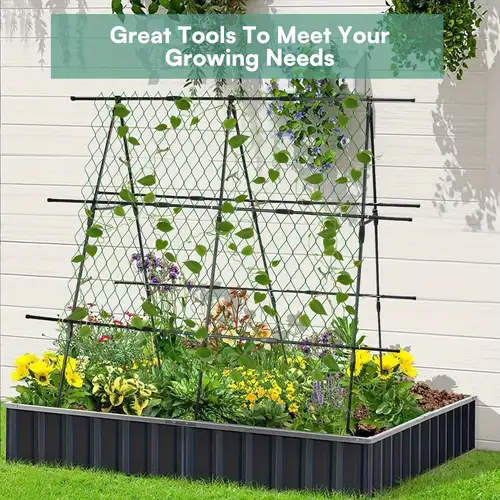
Among the many vegetables that gardeners cultivate, certain types naturally lend themselves to trellising due to their climbing habits, making them ideal for vertical setups. What vegetables need a trellis includes pole beans, which send out long, twining vines that can easily wrap around supports, reaching heights of up to 10 feet with proper encouragement. These beans not only produce abundant pods but also benefit from trellises by avoiding ground-level pests and diseases, resulting in cleaner harvests and prolonged productivity. Another standout is the cucumber, whose tendrils grasp onto structures for stability, allowing the plant to produce straighter fruits and conserve ground space for other crops. By training these vegetables on trellises, gardeners can create a visually appealing garden while maximizing output in even the smallest spaces.
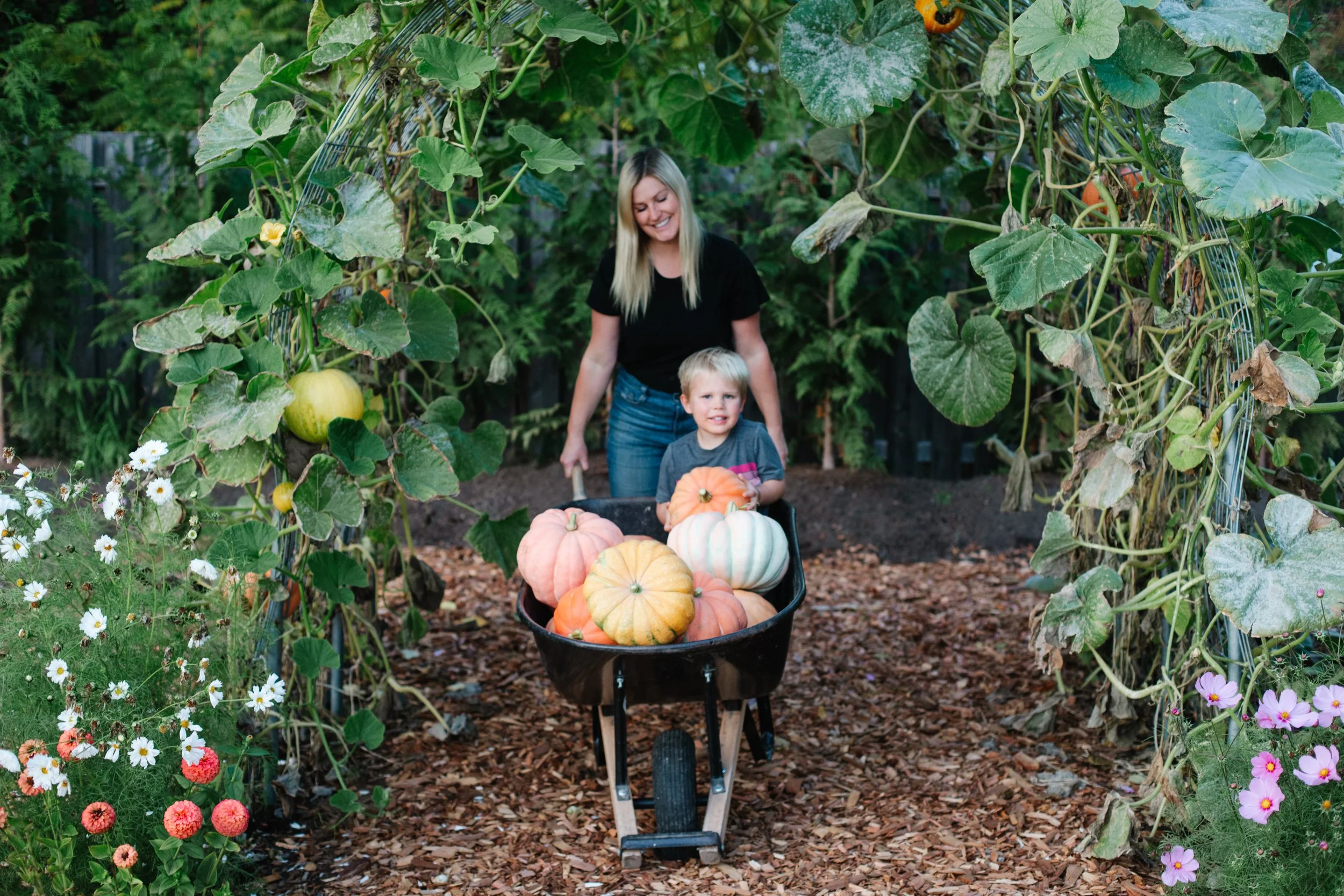
It’s fascinating how trellising influences the growth patterns of these climbing vegetables, turning potential challenges into opportunities for innovation. For example, tomatoes, particularly indeterminate varieties, require trellises to manage their vigorous growth and prevent the stems from breaking under the weight of ripening fruit. This support system ensures even ripening and reduces the risk of rot, which is common when fruits touch the soil. Peas, with their delicate tendrils, also thrive on trellises, producing sweeter peas in a more compact area compared to bush varieties. Exploring what vegetables need a trellis reveals a world of possibilities, from the hearty squash family—where plants like zucchini or pumpkins can be guided upward to save space—to exotic options like passion fruit vines in warmer climates. These choices not only enhance garden efficiency but also add an element of artistry to the landscape.


Essential Trellis Types and Materials for Vegetable Gardens
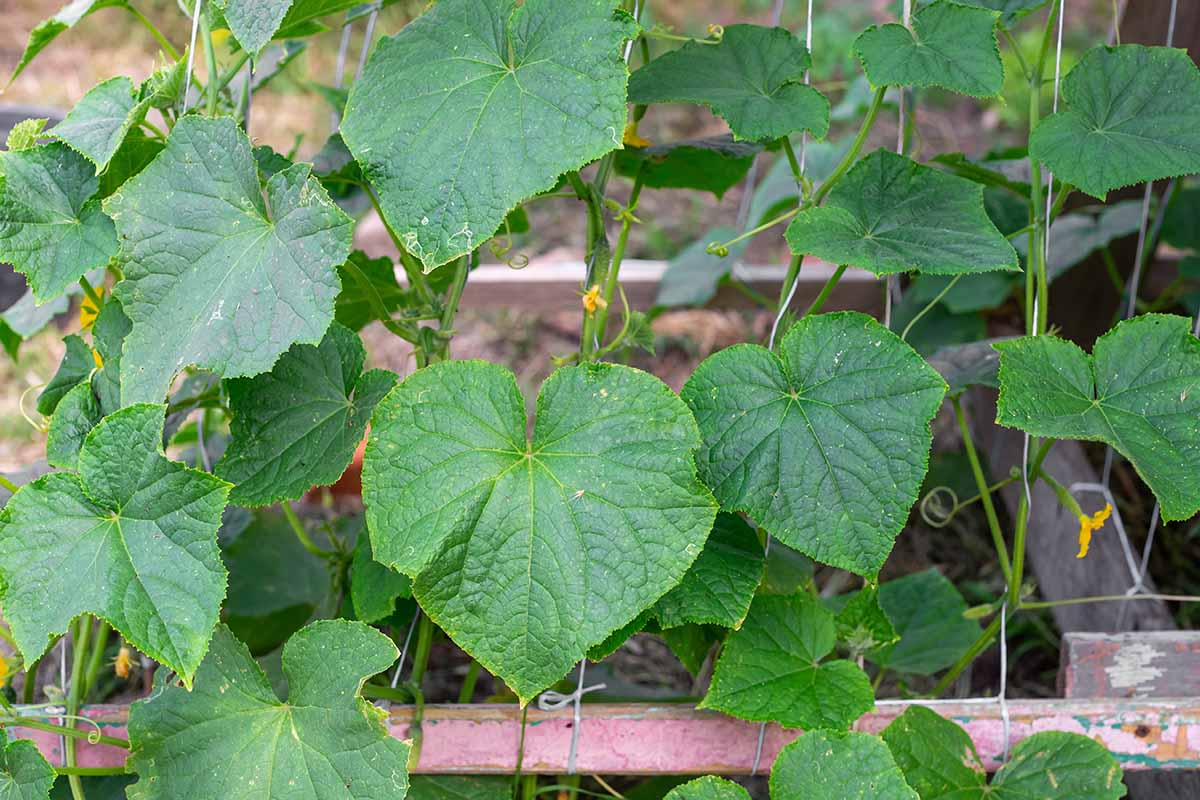
Selecting the right trellis type and material is crucial for supporting what vegetables need a trellis, as it directly impacts the structure’s durability and the plants’ health. Common options include A-frame trellises, which are perfect for row gardens and provide dual-sided support for vining plants like beans and peas, standing sturdy against wind and allowing easy access from both sides. Teepee-style trellises, made from bamboo or metal poles, offer a compact, tipi-like form that’s ideal for smaller spaces and can accommodate multiple plants climbing upward. Materials play a key role too; wooden trellises, often crafted from cedar or pressure-treated lumber, blend naturally with garden aesthetics but require regular maintenance to prevent rot. In contrast, metal options like galvanized steel provide longevity and strength, especially for heavy climbers such as pumpkins, though they might need coatings to avoid rust in humid environments.
What makes these trellis choices so versatile is their adaptability to different garden needs and climates, ensuring that vegetables get the support they require without compromising on style or functionality. For instance, plastic or vinyl trellises are lightweight and resistant to weathering, making them a low-maintenance choice for urban balconies where what vegetables need a trellis might include compact varieties like cherry tomatoes. Wire mesh or cattle panel trellises excel in larger setups, offering a grid for plants to latch onto while allowing for easy expansion. Gardeners should consider factors like soil type and sunlight when choosing—sturdy materials in windy areas prevent collapse, while breathable designs promote air flow around sensitive plants. This thoughtful selection not only sustains plant health but also elevates the overall garden design, turning a functional tool into a decorative element.


Step-by-Step Guide: Building and Installing Vegetable Trellises
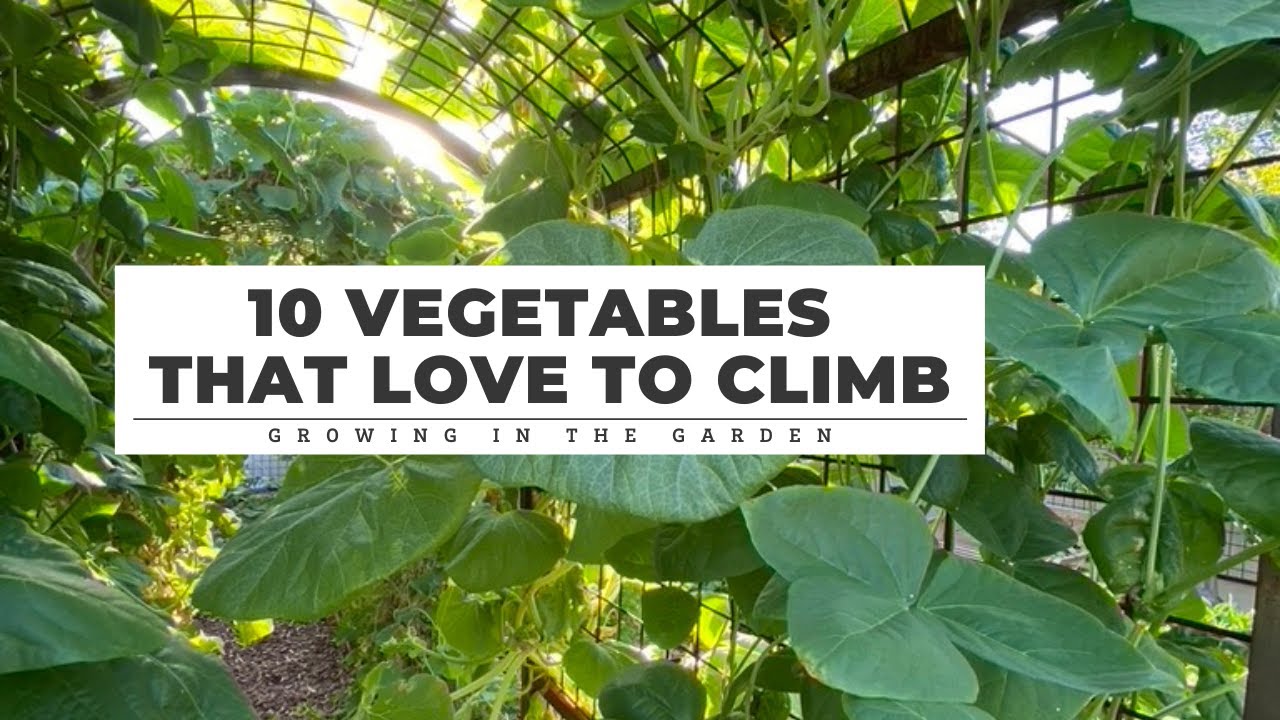
Building a trellis for what vegetables need a trellis starts with careful planning to ensure it’s tailored to your specific plants and garden layout. Begin by assessing the size and weight of the vegetables you’ll be supporting; for example, cucumbers might need a trellis at least 6 feet tall, so measure your space and sketch a design that includes sturdy posts and crossbars. Gather materials like 2×4 lumber for a basic A-frame, screws or nails for assembly, and tools such as a saw and drill to create a stable structure. Once your design is ready, cut the wood to size, assemble the frame on a flat surface, and reinforce joints with brackets for added stability. Installation involves digging holes for the posts about 2 feet deep, securing them with concrete if the soil is loose, and then attaching the trellis panels. Finally, position it near your planting area, ensuring it’s anchored firmly to withstand wind and the pulling force of growing vines.
To truly optimize this process, consider advanced techniques that go beyond simple assembly, such as integrating irrigation systems or companion planting around the base. For vegetables like peas, which require gentle support, weave string or netting across the trellis for easy climbing, and test the structure’s stability by gently shaking it before planting. If you’re dealing with uneven ground, use levelers or stakes to keep the trellis plumb, preventing leans that could damage plants over time. This guide not only covers the basics but also encourages customization—perhaps adding hooks for hanging baskets or painting the trellis for aesthetic appeal. By following these steps, gardeners can create a reliable support system that enhances what vegetables need a trellis, leading to a more productive and enjoyable gardening experience.
Optimizing Growth: Pruning and Training Vegetables on Trellises
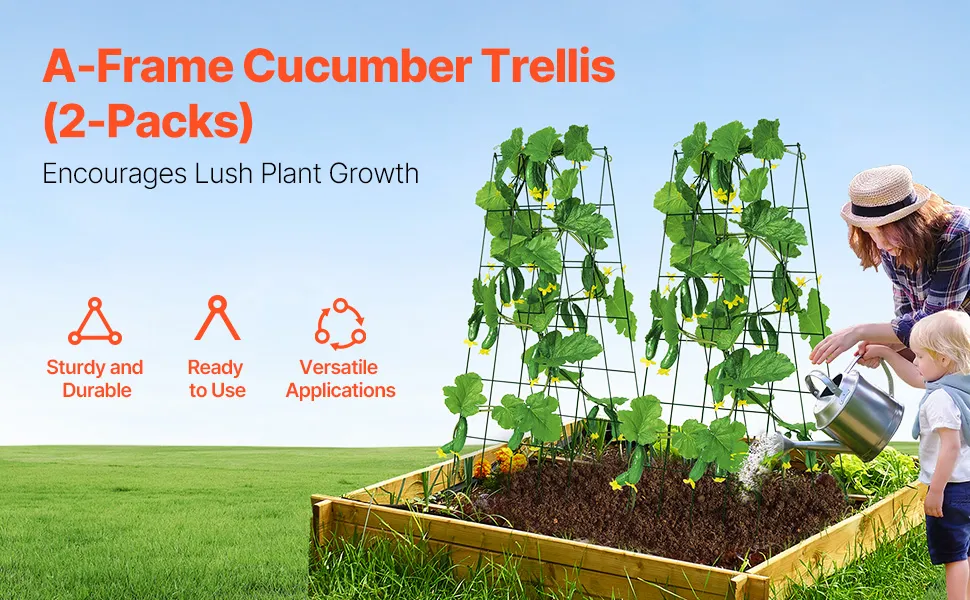
Pruning and training are essential techniques for maximizing the potential of what vegetables need a trellis, ensuring that plants grow efficiently and produce optimal yields. Start by identifying the main vines on climbers like tomatoes and gently tying them to the trellis with soft ties or twine, directing growth upward to prevent tangling and promote even sunlight exposure. Pruning involves removing lateral shoots or suckers that sap energy from the main stem, which for beans means cutting back overcrowded areas to improve air flow and reduce disease risk. Regular monitoring is key; check weekly for wayward growth and adjust ties as the plant expands, always handling vines carefully to avoid damage. This process not only supports vertical growth but also encourages the plant to focus resources on fruit production, resulting in larger, healthier vegetables.
Delving deeper, optimizing growth through trellising involves understanding the unique needs of each vegetable type, turning routine care into an art form. For instance, with cucumbers on a trellis, regular pruning of lower leaves prevents moisture buildup and fungal issues, while training the vines to spiral around the structure ensures balanced development. Advanced strategies, like using plant hormones or organic fertilizers at the base, can further enhance vigor, but always pair them with proper training to avoid overwhelming the trellis. What vegetables need a trellis benefit from this hands-on approach, as it minimizes competition for resources and extends the harvest season. Ultimately, these methods foster a symbiotic relationship between the gardener and the plants, leading to a more resilient and bountiful garden.
Troubleshooting Common Trellising Issues and Solutions
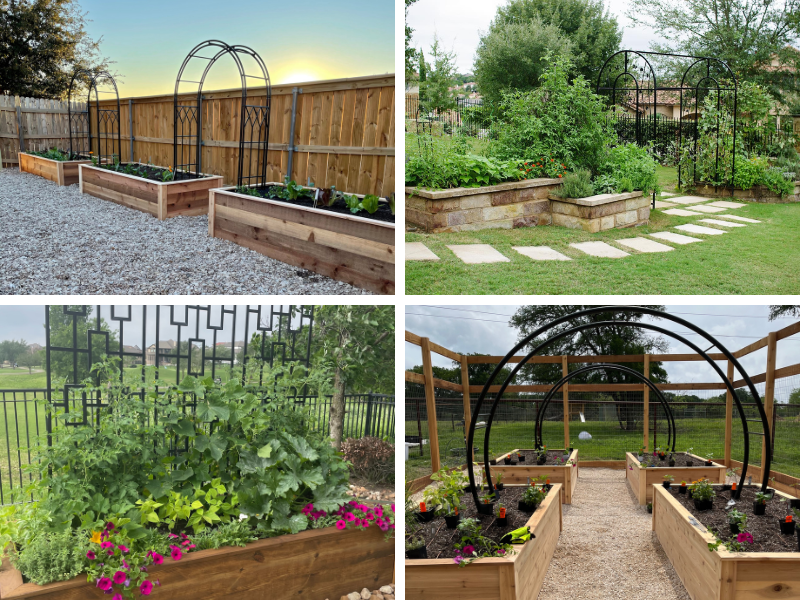
Even with the best planning, issues can arise when supporting what vegetables need a trellis, but knowing how to address them keeps your garden thriving. One common problem is structural instability, such as a trellis tilting due to heavy vines; to fix this, reinforce the base with additional stakes or guy wires anchored into the ground, ensuring the entire setup is level and secure before the plants grow too large. Pests like aphids or spider mites often target trellised vegetables because of their elevated position, so regular inspections and applications of insecticidal soap can prevent infestations from spreading. Disease, such as powdery mildew on squash vines, may occur from poor air circulation; counter this by spacing plants properly and pruning affected leaves promptly to maintain a healthy environment.
To go beyond basic fixes, consider proactive solutions that address root causes, making your trellis system more reliable over time. For example, if what vegetables need a trellis are experiencing stunted growth due to nutrient deficiencies, amend the soil with compost or balanced fertilizers and monitor pH levels to ensure optimal uptake. Weather-related challenges, like strong winds damaging lightweight trellises, can be mitigated by choosing heavier materials or adding windbreaks, while overgrowth issues in dense plantings require selective thinning to allow light penetration. By anticipating these problems and implementing strategic interventions, gardeners can transform potential setbacks into learning opportunities, ensuring that their trellised vegetables continue to flourish season after season.
Conclusion
In summary, understanding what vegetables need a trellis opens up a world of benefits, from space-efficient growth for climbers like beans and cucumbers to improved yields and easier maintenance. By exploring top vegetables, essential trellis types, building guides, pruning techniques, and troubleshooting methods, gardeners can create a robust system that enhances plant health and productivity. Ultimately, trellising not only supports vertical gardening but also fosters a more sustainable and enjoyable approach to cultivating vegetables, leading to thriving gardens and rewarding harvests.