Embarking on a do it yourself garden trellis project is an exciting way to enhance your outdoor space while adding a personal touch to your garden. This beginner-friendly endeavor not only supports climbing plants like vines, roses, and beans but also serves as a decorative element that can transform a simple yard into a vibrant oasis. Whether you’re a novice gardener looking to save money or an enthusiast seeking creative expression, building your own trellis allows you to customize designs, materials, and sizes to fit your unique needs, making it a rewarding and practical DIY task.
DIY Garden Trellis: A Beginner’s Guide
Diving into the world of do it yourself garden trellis projects begins with understanding the fundamental purpose and benefits of these structures. A garden trellis is essentially a framework that provides vertical support for plants, encouraging them to grow upward and making the most of limited space in smaller gardens or urban settings. This not only promotes healthier plant growth by improving air circulation and sunlight exposure but also adds aesthetic appeal, turning your garden into a living art installation. For beginners, the appeal lies in the accessibility; with basic tools and materials, you can create something functional and beautiful without needing professional skills.
Beyond the basics, a do it yourself garden trellis offers opportunities for learning essential carpentry and gardening skills that build confidence over time. You’ll discover how trellises can be adapted for various plants—such as training delicate climbers like clematis or supporting heavy fruit-bearing vines like grapes—while considering factors like weather resistance and soil type. Engaging in this project fosters a deeper connection to nature, as you watch your creations support blooming flowers or bountiful harvests. To get started, assess your garden’s layout, decide on the trellis size, and sketch simple designs, ensuring it’s an enjoyable process that evolves with your growing expertise.


Choosing the Right Materials for Your DIY Trellis
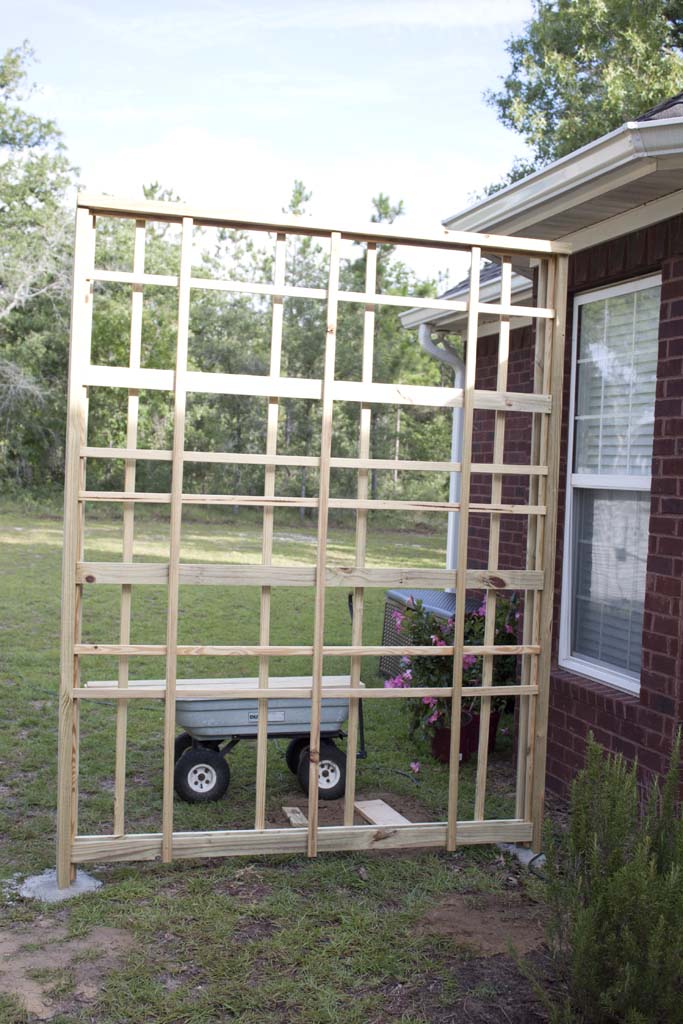
When embarking on a do it yourself garden trellis adventure, selecting the appropriate materials is crucial for ensuring longevity and functionality. Wood remains a popular choice due to its natural aesthetic and ease of use, with options like cedar or pressure-treated pine offering resistance to rot and insects, making them ideal for outdoor environments. Alternatively, metal materials such as galvanized steel or aluminum provide sturdiness and a modern look, while bamboo or PVC offer lightweight, budget-friendly alternatives that are easy to manipulate. Consider the weight of your plants, the local climate, and your budget to avoid common pitfalls, like using flimsy materials that could warp under heavy rain or sun exposure.
Delving deeper, a do it yourself garden trellis requires thoughtful evaluation of material properties to enhance both durability and visual harmony in your garden. For instance, combining wood with wire mesh can create a hybrid design that’s perfect for lightweight climbers, while ensuring the materials are eco-friendly, such as reclaimed wood or recycled metals, adds a sustainable angle to your project. Factors like maintenance needs—such as painting wood to prevent weathering or selecting rust-proof metals—play a significant role in long-term success. By experimenting with these choices, you’ll not only craft a trellis that complements your garden’s theme but also gain insights into material innovation, turning a simple build into a personalized masterpiece that stands the test of time.
Step-by-Step Instructions for Building a Simple Garden Trellis

Constructing a basic do it yourself garden trellis starts with gathering your tools and following a structured approach to ensure a smooth process. Begin by measuring your desired space and cutting wooden stakes or metal poles to a uniform height, typically between 4 to 6 feet, depending on the plants you’ll support. Assemble the frame by attaching horizontal crossbars using screws or bolts for stability, then add vertical strings or lattice panels for climbing points. This foundational step not only builds the structure but also allows you to incorporate personal flair, like adding decorative elements or adjusting for uneven ground.
As you progress in your do it yourself garden trellis project, finer details make all the difference in creating a robust and attractive final product. Secure the base into the soil with stakes or concrete for wind resistance, and consider adding reinforcements like diagonal braces to handle the weight of mature plants. Testing the trellis by gently shaking it ensures it’s secure before planting, while documenting your steps can help you refine future projects. This hands-on experience teaches valuable lessons in precision and problem-solving, transforming a straightforward build into an empowering skill that enhances your gardening repertoire and encourages ongoing creativity.
Creative DIY Trellis Designs to Enhance Your Garden
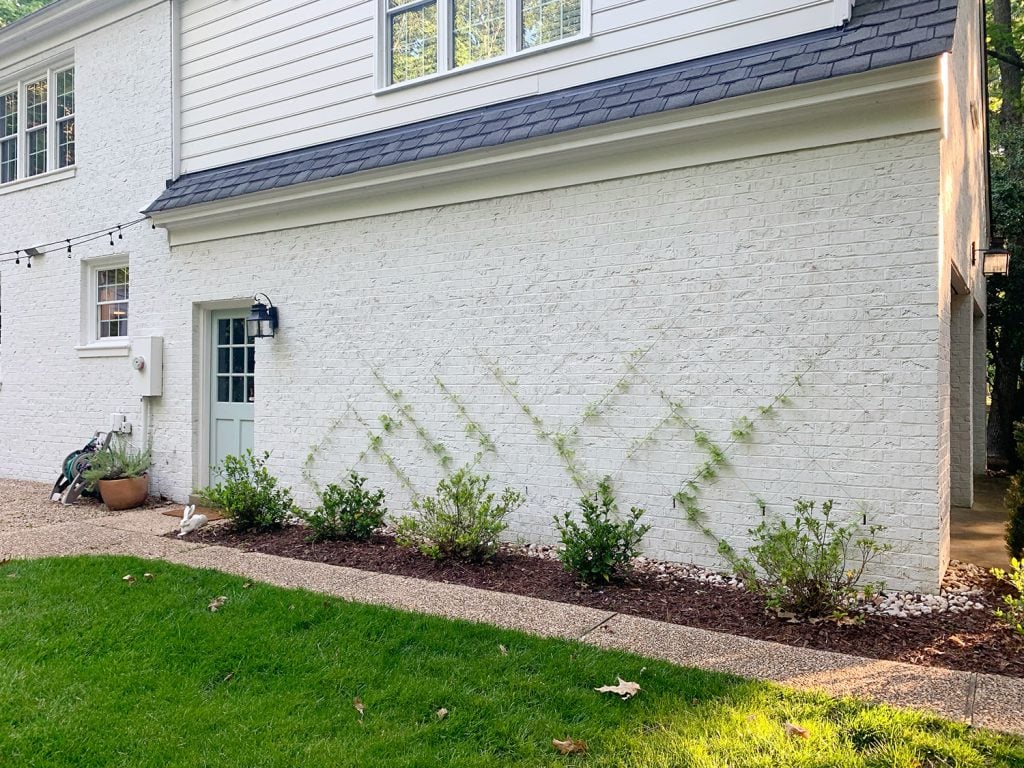
Exploring creative designs for a do it yourself garden trellis can elevate your garden from ordinary to extraordinary, offering endless possibilities for customization. For example, a fan-shaped trellis made from arched bamboo poles not only supports climbing roses but also serves as a focal point, drawing the eye with its elegant curves and symmetry. Incorporating elements like painted patterns or integrated planters turns a simple structure into a multifunctional piece, blending utility with art to create a cohesive garden narrative. These designs encourage you to think beyond functionality, using your trellis as a canvas for seasonal decorations or even outdoor lighting.
In the realm of do it yourself garden trellis innovation, advanced designs like living walls or modular systems add layers of complexity and beauty to your outdoor space. Imagine constructing a trellis from repurposed materials, such as old ladders or bicycle wheels, to form a whimsical, eco-friendly installation that attracts pollinators and adds vertical interest. By experimenting with shapes, colors, and integrations—such as combining trellises with seating areas—you foster a dynamic garden environment that evolves with your plants. This creative process not only boosts your DIY skills but also instills a sense of accomplishment, as you witness how your designs harmonize with nature, making your garden a true reflection of your personality.


Maintaining and Caring for Your DIY Garden Trellis
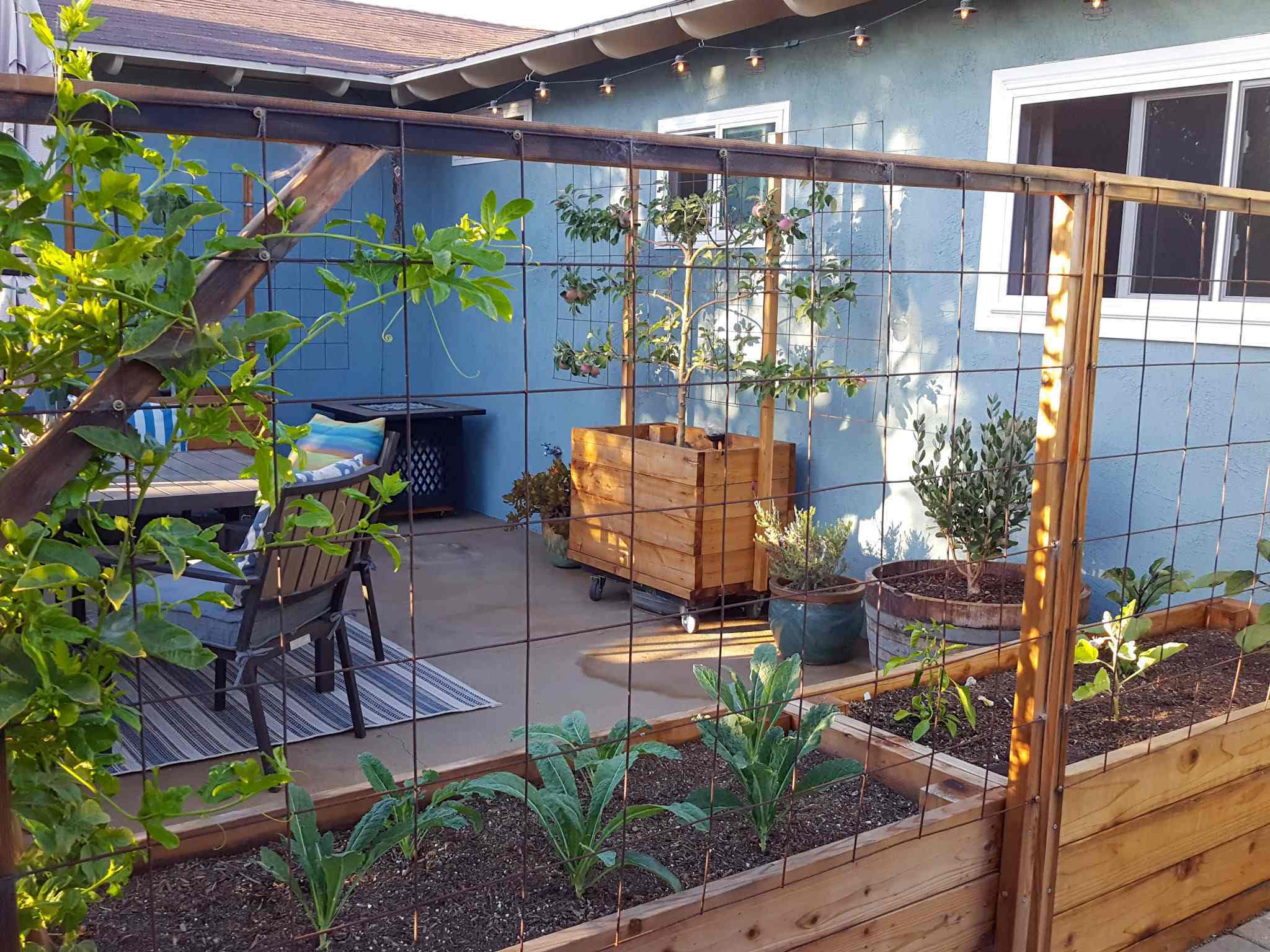
Proper maintenance of your do it yourself garden trellis is essential to ensure it remains a reliable support for your plants over the years. Start by regularly inspecting for signs of wear, such as loose joints or rust on metal parts, and address issues promptly with touch-ups like reapplying sealant or tightening bolts. Cleaning the trellis seasonally—using a gentle hose spray to remove debris and prevent fungal growth—helps maintain its appearance and functionality, while pruning plants to avoid overcrowding ensures even weight distribution. This routine care not only extends the lifespan of your structure but also promotes healthier plant growth, turning maintenance into a rewarding part of your gardening routine.
Delving deeper into caring for a do it yourself garden trellis, consider environmental factors like seasonal changes that could impact its integrity. In harsher climates, applying protective coatings or using weather-resistant materials from the outset can prevent damage from frost or intense sun, while regular fertilization of supported plants keeps the entire system thriving. Engaging in this ongoing care builds a deeper understanding of how trellises interact with their surroundings, allowing you to adapt techniques—such as rotating designs for better sun exposure—and innovate with eco-friendly practices. Ultimately, this commitment enhances your garden’s beauty and teaches valuable lessons in sustainability, making your do it yourself garden trellis a enduring feature of your landscape.

Cost-Effective DIY Trellis Projects for Any Budget
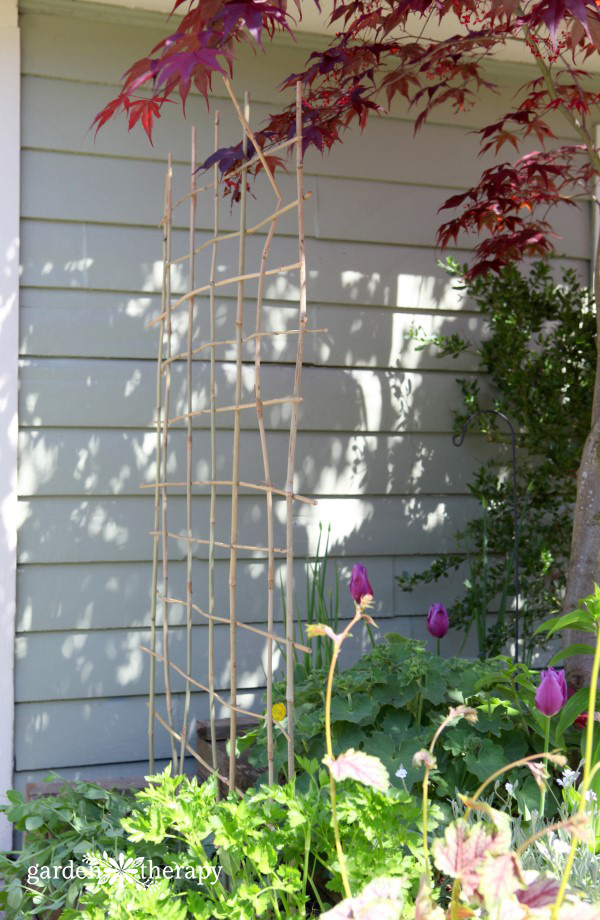
Tackling do it yourself garden trellis projects on a budget doesn’t mean compromising on quality; instead, it involves smart strategies to maximize value. Start by sourcing affordable materials like recycled pallets or thrift store finds, which can be transformed into sturdy trellises with minimal tools, keeping costs under $20 for a basic design. Planning ahead, such as buying in bulk or using household items for assembly, allows you to experiment without overspending, while free online resources provide inspiration for designs that fit any financial constraint. This approach makes DIY accessible, empowering beginners to create functional pieces that enhance their gardens affordably.
For those pushing the boundaries of do it yourself garden trellis efficiency, advanced cost-saving techniques can lead to impressive results. Consider upcycling metal scraps or natural elements like branches to craft unique, low-cost variations that rival store-bought options, all while minimizing waste and environmental impact. By calculating long-term savings—such as reduced plant damage from poor support— you’ll appreciate how these projects offer ongoing benefits, like increased yield from vertical gardening. This method not only stretches your budget but also fosters creativity and resourcefulness, turning even the most modest endeavors into sustainable, high-value additions to your outdoor space.
Conclusion
In summary, embarking on a do it yourself garden trellis journey opens up a world of creativity, practicality, and personal fulfillment, from selecting the right materials and following step-by-step instructions to exploring innovative designs and maintaining your creation for lasting beauty. By choosing cost-effective options and caring for your trellis diligently, you can transform any garden into a thriving, visually stunning retreat that supports your plants while reflecting your unique style. This guide equips beginners with the knowledge to build, innovate, and enjoy the rewards of DIY projects, ultimately fostering a deeper connection to your outdoor space and encouraging ongoing exploration in gardening and craftsmanship.